Football History
Frankfurt’s European Nights
From the Waldstadion to Barcelona and Sevilla, Europe reveals something different about Eintracht Frankfurt.
Frankfurt · Eintracht Frankfurt
I
When Europe Arrives
A European match changes the rhythm of Frankfurt.
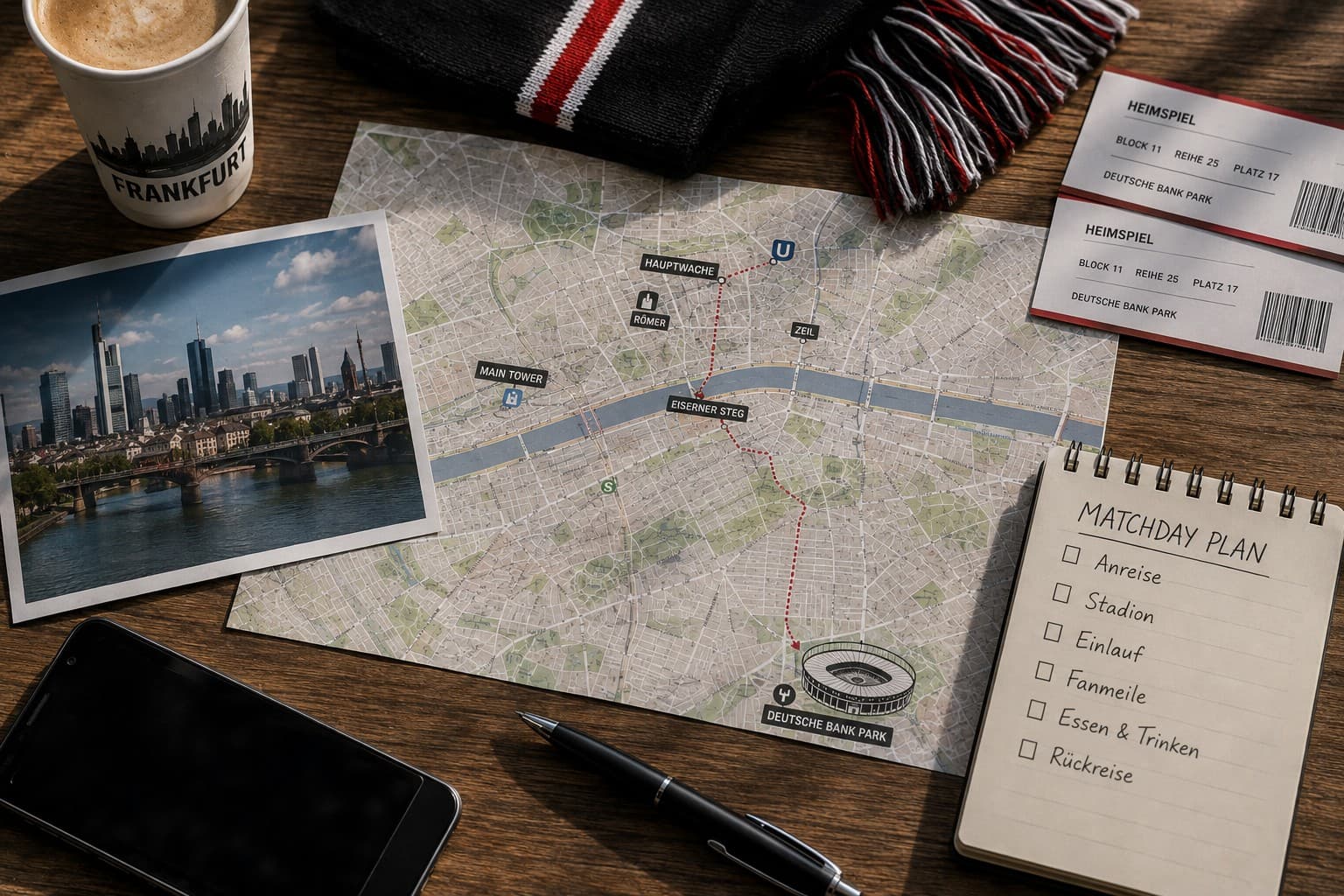
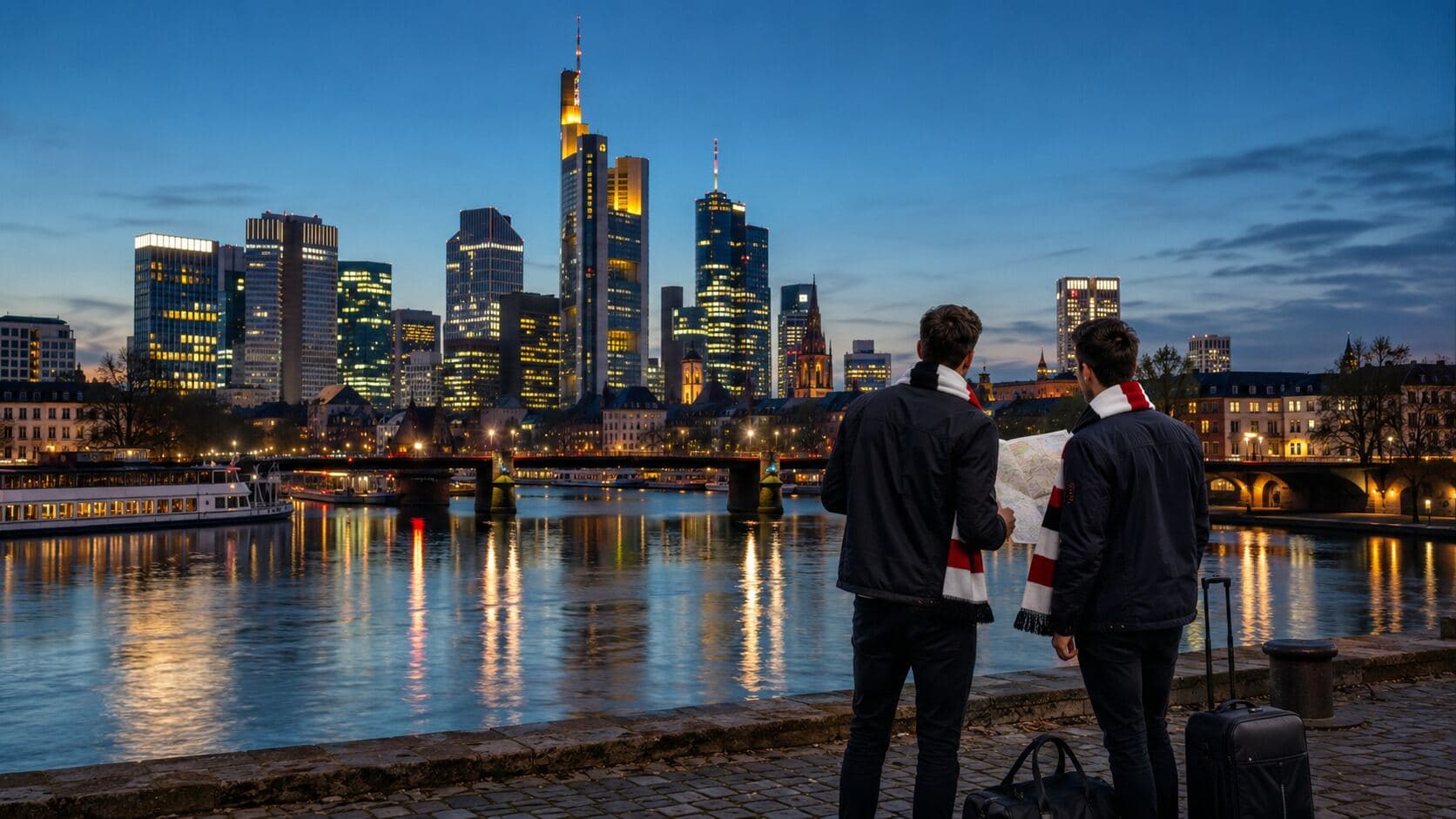
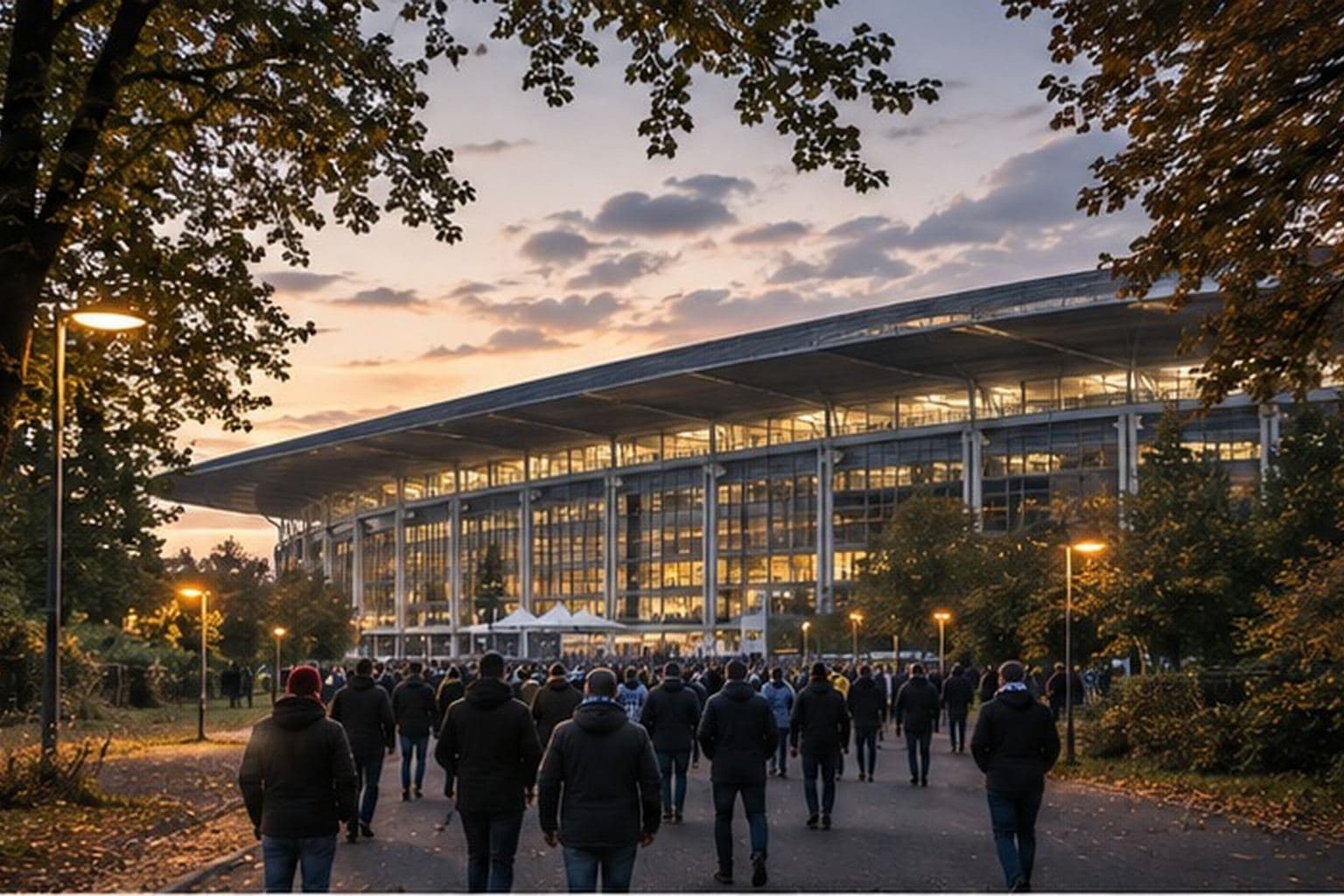
During the afternoon, scarves appear around the Hauptbahnhof and across the city centre. Languages mix in bars and on trains. As evening approaches, the movement turns south towards the forest.
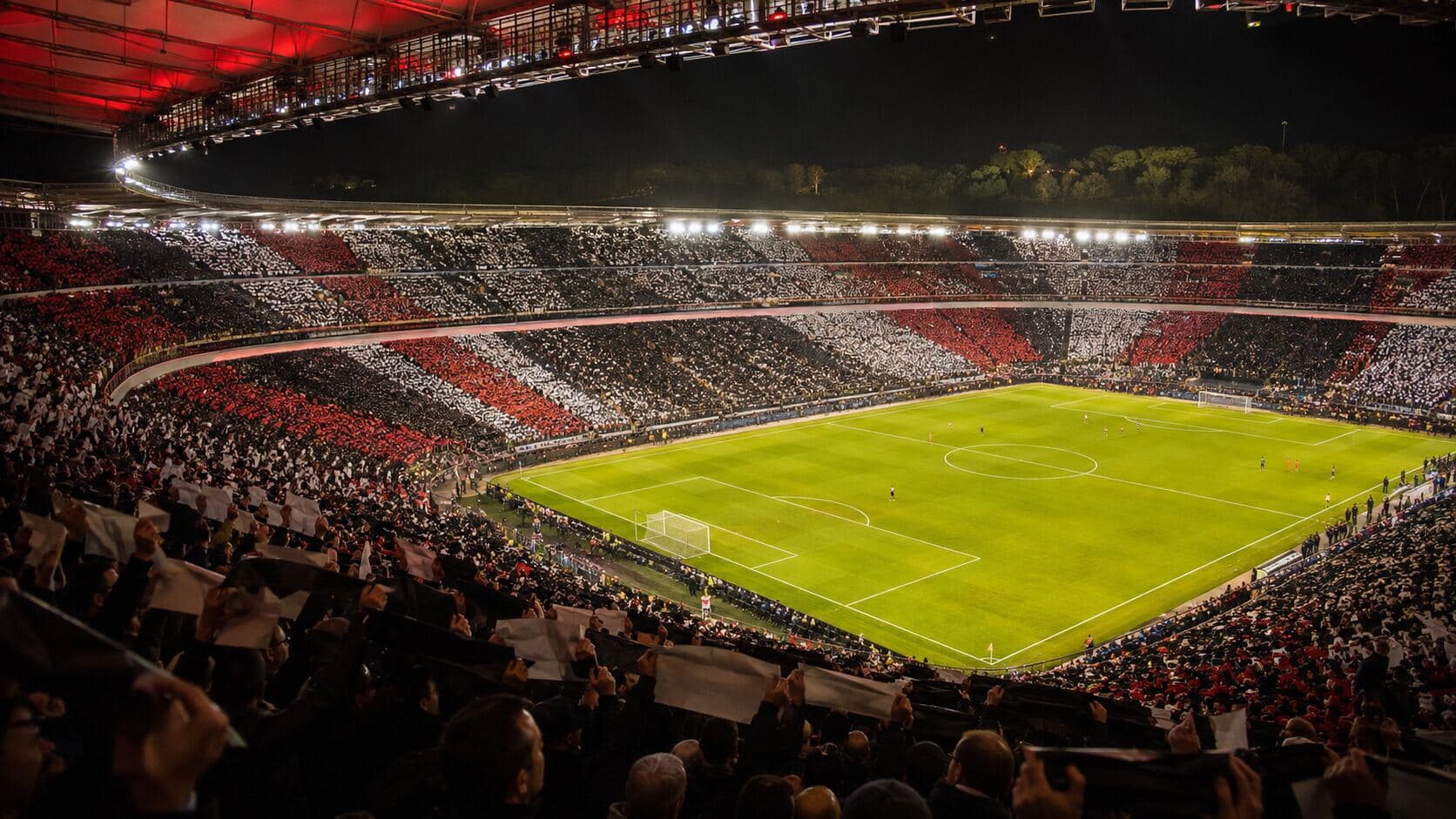
Floodlights illuminate the stadium. Music, flags and anticipation fill the stands. The familiar home of Eintracht Frankfurt becomes the setting for a meeting with another football culture.
European football offers more than a different opponent. It allows the club to present itself beyond Germany — and gives its supporters another place to carry Frankfurt with them.
II
1980
Eintracht's first European trophy was won at home.
The 1980 UEFA Cup final was played over two legs against Borussia Mönchengladbach. Frankfurt lost the first match 3:2 at the Bökelberg, but the two away goals kept the contest open.
On 21 May, a sold-out Waldstadion waited for the return. The decisive moment did not arrive until the 81st minute, when substitute Fred Schaub scored the only goal of the match.
The 1:0 victory gave Eintracht the trophy on away goals. Captain Bernd Hölzenbein received it before handing it to Jürgen Grabowski, the injured club icon whose career was approaching its end.
As Grabowski lifted the cup, the stadium sang his name. European success became inseparable from the ground and the people inside it.
III
The Journey Returns
The trophy remained part of Eintracht's history, but decades passed without another European final.
When the club returned to the UEFA Europa League, its supporters treated every journey as something worth remembering. Red, black and white appeared in city squares, railway stations and stadiums across the continent.
The 2018/19 campaign demonstrated the scale of that connection. Eintracht won all six group matches before eliminating Shakhtar Donetsk, Inter Milan and Benfica.
Chelsea finally stopped the journey in the semi-final. After two draws and 210 minutes without a winner, Frankfurt lost the tie on penalties at Stamford Bridge.
There was no trophy. Yet the season restored a feeling that would matter three years later: Eintracht belonged on European nights.
IV
Frankfurt in Barcelona
On 14 April 2022, the relationship between Eintracht and Europe produced its defining modern image.
Frankfurt travelled to Barcelona for the second leg of a Europa League quarter-final. The first match had ended 1:1. What followed at Camp Nou looked unlike an ordinary away fixture.
Somewhere between 20,000 and 30,000 Eintracht supporters were estimated to have travelled to the city. Dressed largely in white, they moved through Barcelona and occupied large parts of one of the world's most famous stadiums.
The team matched the scale of the occasion. Filip Kostić scored twice, Rafael Borré struck from distance and Eintracht led 3:0 before surviving Barcelona's late response.
The final score was 3:2. Frankfurt had not simply won at Camp Nou. For one evening, it had transformed the place.
V
Sevilla
Victories over West Ham United sent Eintracht into the 2022 Europa League final, 42 years after the UEFA Cup triumph.
Tens of thousands travelled to Sevilla, although Eintracht's official ticket allocation was only 10,000. Back in Frankfurt, another 50,000 watched inside the stadium.
Rangers took the lead in the second half. Rafael Borré equalised. Extra time followed, and Kevin Trapp produced a crucial late save to keep Eintracht alive.
The final moved to penalties. Trapp saved from Aaron Ramsey. Borré then stepped forward and converted the decisive kick.
Eintracht Frankfurt had won a European trophy for the second time.
VI
The Heart of Europe
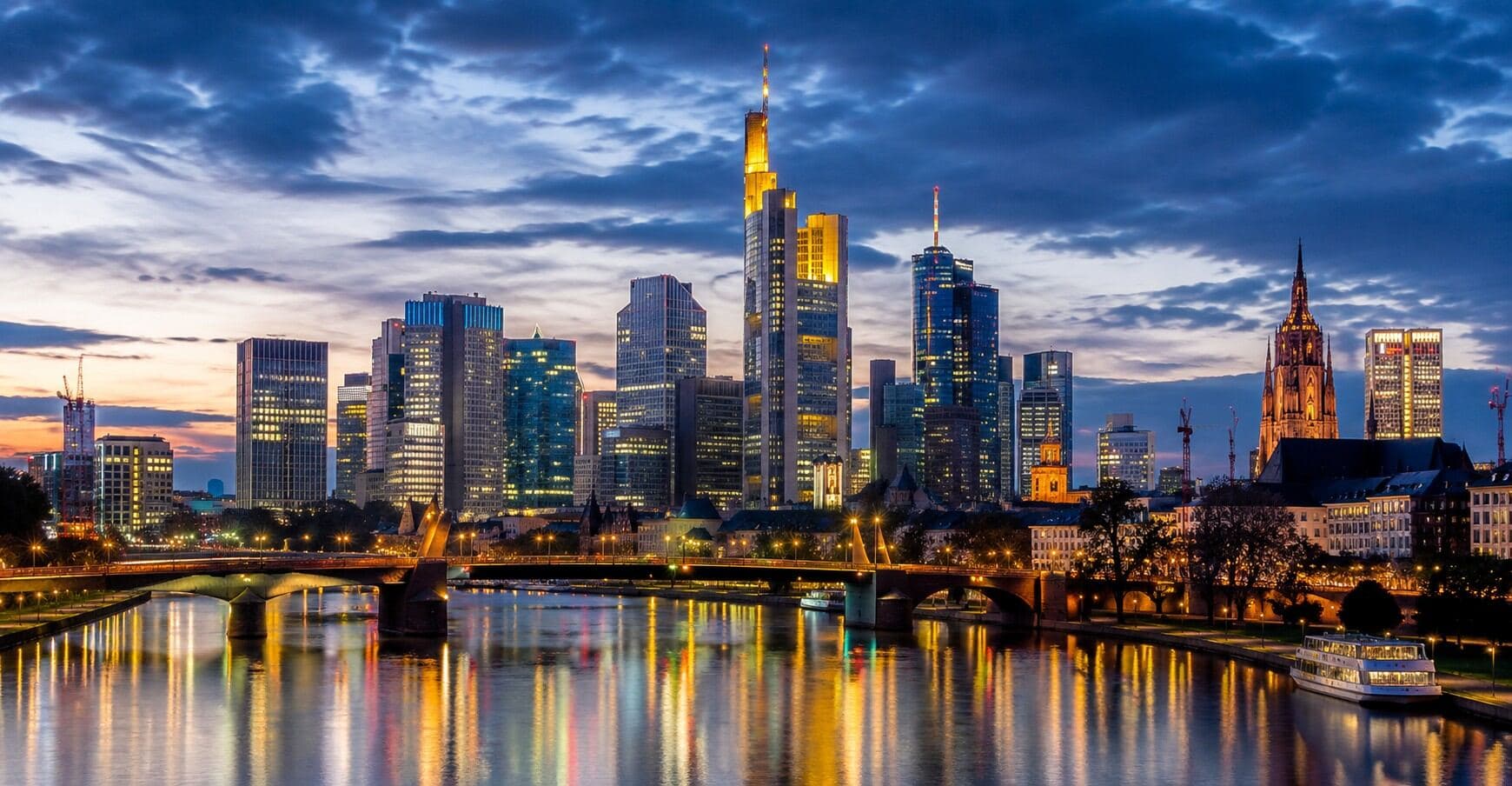
Eintracht describes Frankfurt as the heart of Europe. The phrase works geographically: the city is a transport centre connecting Germany to the continent.
But the club gives it another meaning. European competition turns movement into identity. Supporters travel from the airport and Hauptbahnhof towards cities they may never otherwise have visited. Visiting supporters arrive in Frankfurt and follow the route into the forest.
The result is an exchange of songs, colours and memories that lasts longer than the match.
Frankfurt's European story is therefore not only a list of victories. It is the repeated sight of a city following its club beyond familiar borders.
The trophies belong to 1980 and 2022. The next European night always begins with the same journey towards the forest.
Continue Your Journey
Keep Exploring German Football.
Follow this story into its club, its football world and another chapter of German football culture.
Club World
Eintracht Frankfurt World
Follow the Eagle
Explore Club →
City World
Frankfurt World
Modern Germany meets football passion.
Explore World →
Another Club World
Schalke World
Always Blue
Explore Club →
Related Culture
Attila
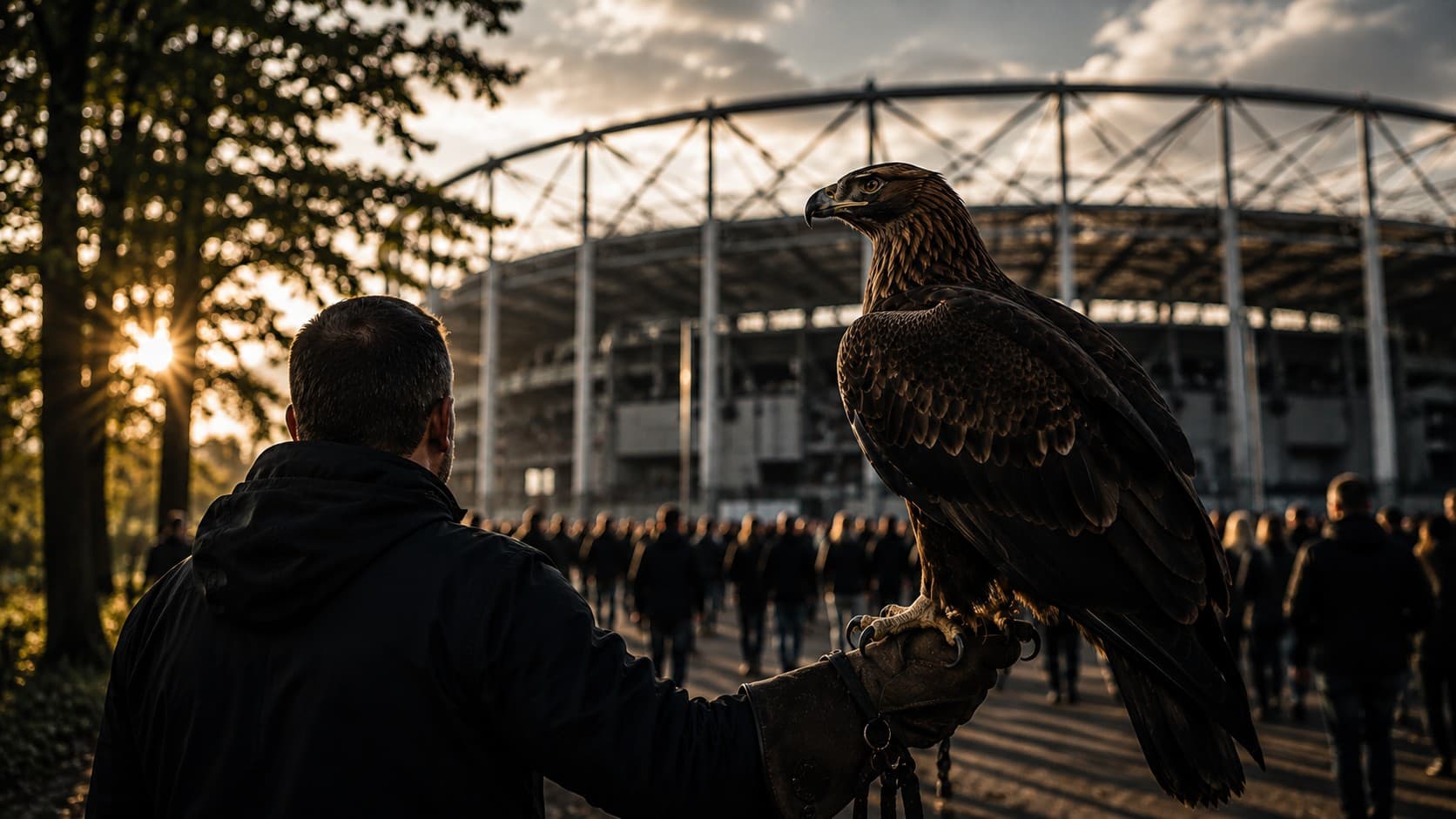
The eagle had represented Eintracht Frankfurt for generations. Then the symbol came to life.
Read Story →