
Club Culture
Winning Is the Standard
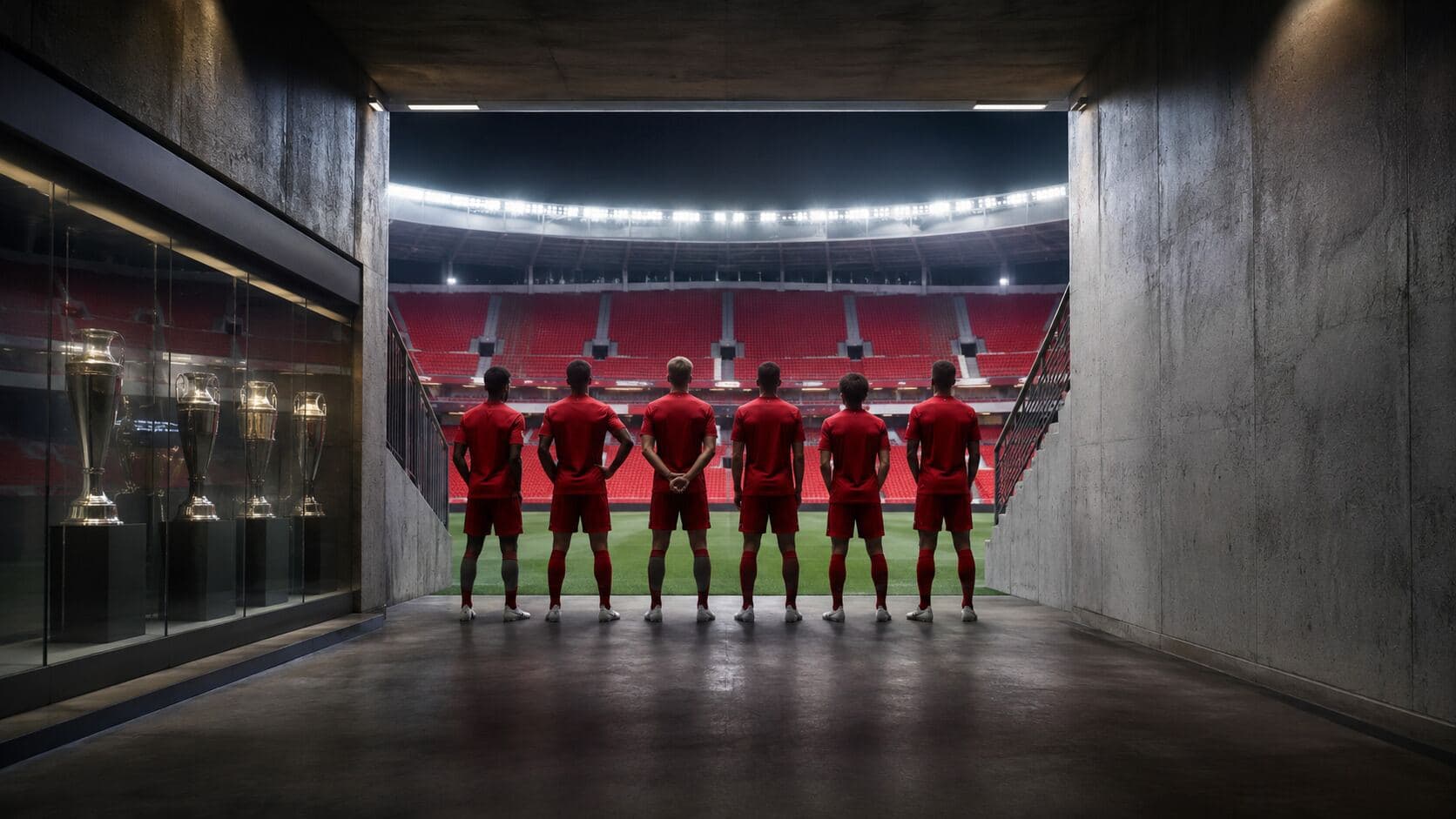
At FC Bayern, success is not remembered as an exceptional moment. It becomes the expectation for what must happen next.
Munich · FC Bayern
I
The Minimum
At most clubs, winning the Bundesliga defines a successful season. At Bayern München, it can represent only the minimum requirement.
The championship is celebrated. The trophy is lifted and presented to supporters. But almost immediately, attention moves towards the competitions that were not won.
Was the DFB-Pokal added? How far did the team progress in Europe? Did the football match the quality of the squad?
Decades of success have changed the scale by which every new Bayern team is measured.
II
The Standard Is Built
Bayern did not enter the Bundesliga as Germany's dominant club. It was not even selected for the competition's inaugural season in 1963.
The club reached the Bundesliga in 1965 with a young team centred around Franz Beckenbauer, Sepp Maier and Gerd Müller.
The first Bundesliga championship arrived in 1969 as part of the club's first domestic double. Between 1974 and 1976, Bayern then won the European Cup three consecutive times.
Those victories established the first version of the standard. A team from Munich had become capable of defeating Europe's strongest clubs repeatedly.
Future generations would inherit more than the trophies. They would inherit the comparison.
III
From Team to Institution
Great teams eventually age. Bayern's long-term advantage came from building an institution capable of replacing them.
When Uli Hoeneß became general manager in 1979, the club carried significant debt. Bayern's own history records liabilities of seven million Deutsche Mark against annual revenue of approximately twelve million.
The following decades combined sporting ambition with commercial growth and increasingly stable leadership. Former players moved into positions of authority and carried their understanding of the club into its decision-making.
Beckenbauer, Hoeneß and Karl-Heinz Rummenigge were not only symbols of successful teams. They helped shape the organisation that followed.
Winning became supported by recruitment, financial strength, institutional memory and the expectation that every department should operate at the same level as the team.
IV
Responding to Defeat
Bayern's culture is revealed as clearly by defeat as it is by victory.
The 1999 Champions League final ended with Manchester United scoring twice in stoppage time. Bayern had been seconds away from lifting the trophy.
Two years later, the club returned to the final and defeated Valencia on penalties. A painful ending had not reduced the ambition. It had sharpened it.
The same pattern appeared after Bayern lost the 2012 final against Chelsea inside its own stadium. One year later, the team won the Bundesliga, DFB-Pokal and Champions League.
V
Eleven in a Row
Between 2013 and 2023, Bayern won eleven consecutive Bundesliga championships.
Different coaches introduced different systems. Important players retired or left. New leaders emerged. The outcome of the domestic season remained the same.
Some titles were secured weeks before the final matchday. The eleventh required a late Jamal Musiala goal in Köln while Borussia Dortmund dropped points against Mainz.
The sequence demonstrated both the strength of Bayern and the competitive problem created by that strength. What looked extraordinary from outside gradually became routine inside Munich.
Repetition did not reduce the expectation. It increased it.
VI
What Comes After Winning
Bayern has won every major competition available to a German club. It has completed trebles in 2013 and 2020 and, during the 2020 calendar year, collected six major trophies.
By 2026, the club had become German champion 35 times. No other German team was close to that total.
Yet the next Bayern squad does not begin with those trophies as protection. It begins with them as the standard it must approach.
This is the central contradiction of sustained success. Winning creates pride, resources and confidence. It also removes the right to describe another victory as unexpected.
The trophy cabinet records what Bayern has done. The standard determines what Bayern must do again.
Continue Your Journey
Keep Exploring German Football.
Follow this story into its club, its football world and another chapter of German football culture.
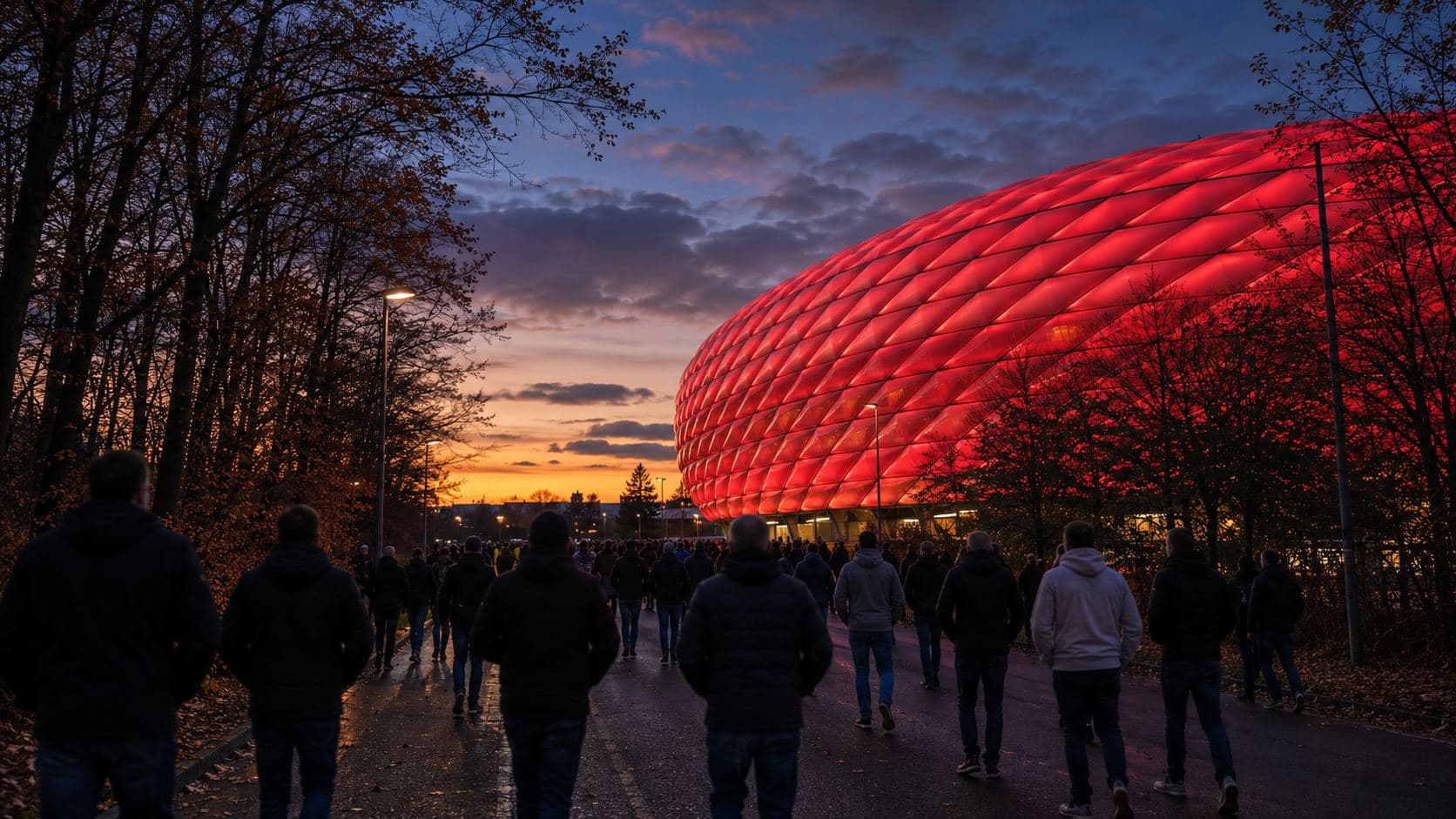
Club World
FC Bayern World
A Winning Mentality Is Expected
Explore Club →
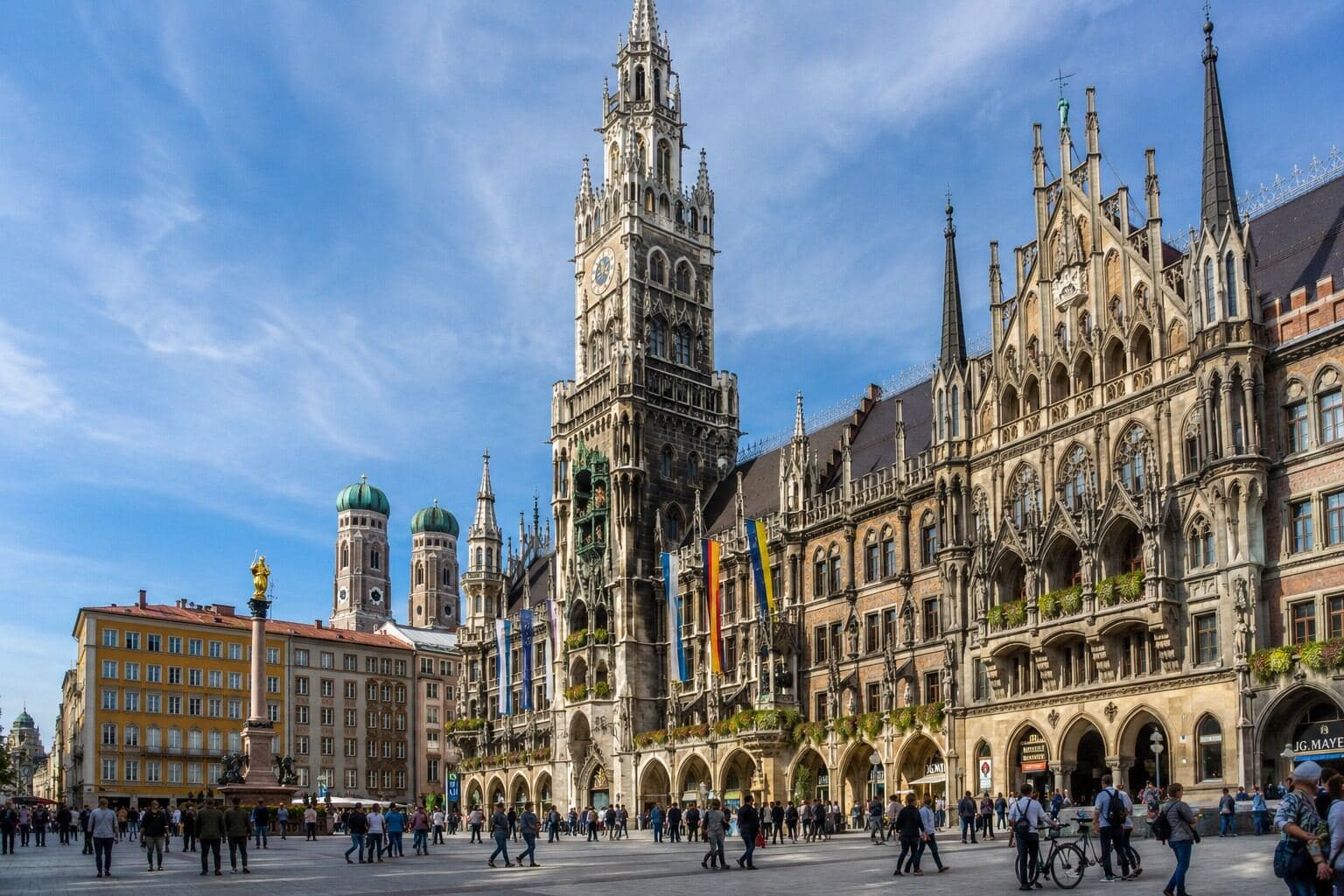
City World
Munich World
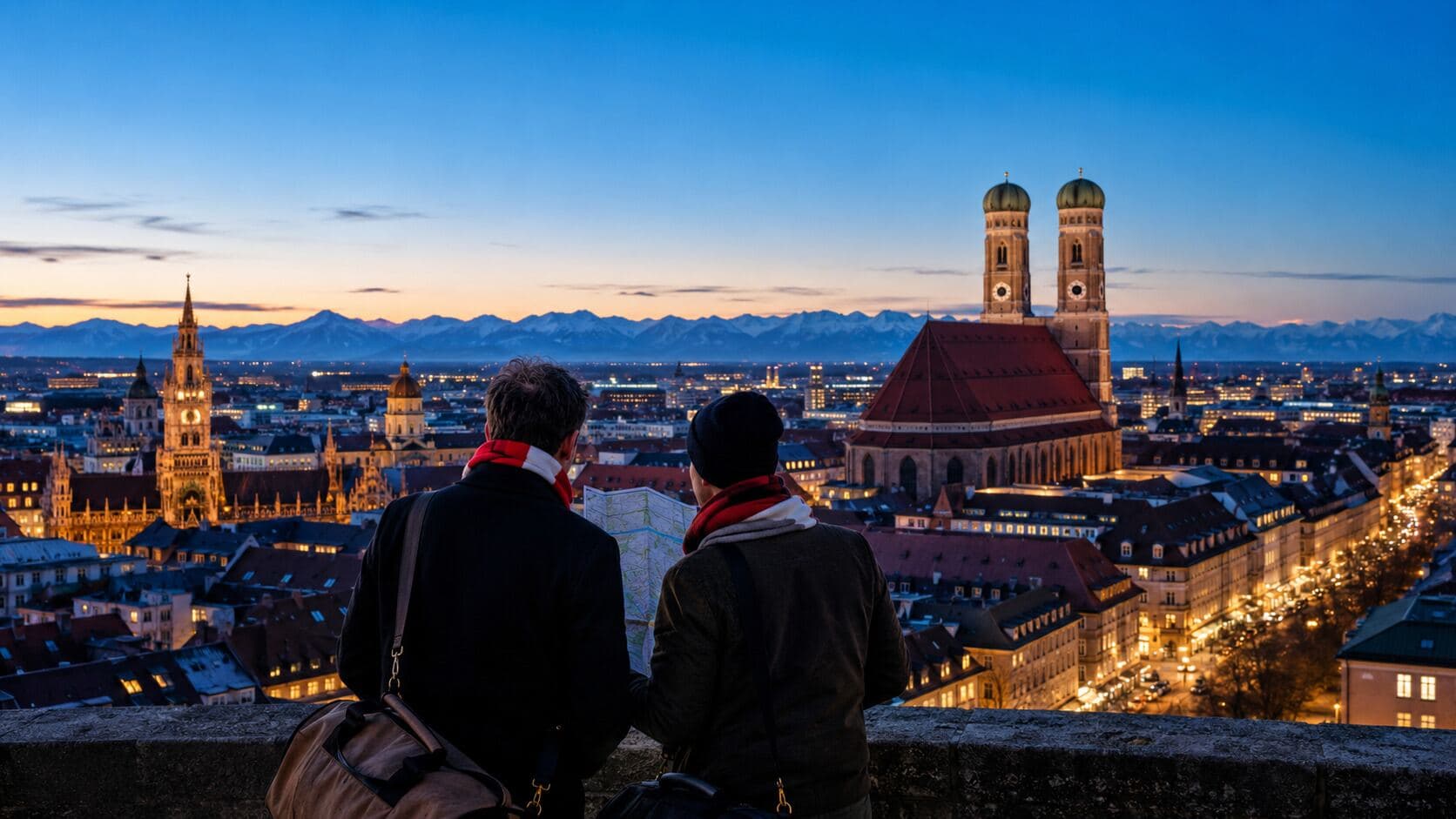
Germany's most famous football destination.
Explore World →
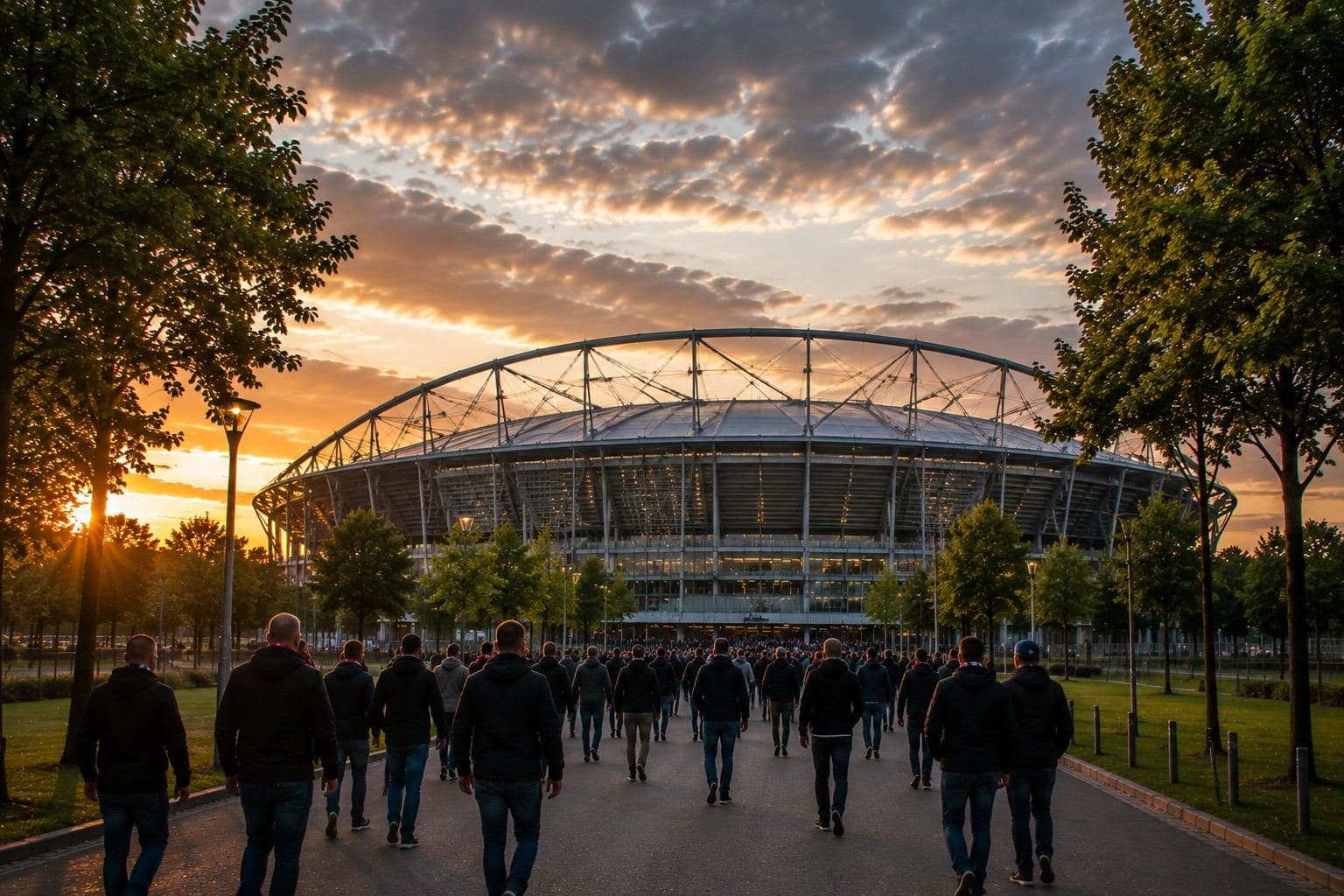
Another Club World
RB Leipzig World
Going Our Own Way
Explore Club →
Related Culture
A Winning Mentality
Success is not simply celebrated in Munich. It has become part of the expectation.
Read Story →