German Football Rivalries
Der Klassiker: Bayern vs Dortmund Explained
Germany's biggest modern club rivalry was built by titles, finals, star players and two very different football worlds — not by geography.
Germany
I
Germany's Biggest Game — But Not a Derby
Bayern Munich against Borussia Dortmund is the fixture that many international visitors recognise first when they look at German football.
The Bundesliga markets it as Der Klassiker. Stadiums are full, global television audiences follow it and the match has repeatedly brought together two clubs competing near the top of German football.
But there is an important distinction: this is not a traditional derby. Munich and Dortmund are hundreds of kilometres apart. They do not share a city, a neighbourhood or even a region.
That makes it different from Dortmund against Schalke, Köln against Gladbach or HSV against St. Pauli. Those rivalries begin with geography. Bayern against Dortmund became enormous because the two clubs repeatedly collided when the stakes were highest.
II
The Rivalry Before the Name
Bayern and Dortmund first met in the Bundesliga in October 1965. Dortmund won 2–0 in Munich.
Yet for decades the fixture did not carry the modern meaning it has today. Bayern became Germany's dominant club, while different challengers rose and fell around them.
Borussia Mönchengladbach was Bayern's defining domestic rival in the 1970s. Hamburg became a major opponent in the early 1980s. Dortmund's own breakthrough as a sustained national power arrived later.
The relationship began to change dramatically in the 1990s.
III
The 1990s: Dortmund Challenges the Order
Borussia Dortmund won consecutive Bundesliga titles in 1995 and 1996. In 1997, the club became European champion.
Suddenly Bayern had a challenger with the support, stadium, players and ambition to compete on the same major stages.
The meetings became more confrontational too. The era produced famous flashpoints involving players such as Lothar Matthäus, Andreas Möller and Oliver Kahn. In April 2001, a Bayern-Dortmund league match produced three dismissals and ten yellow cards — thirteen cards in total, still a Bundesliga record for one match according to the league.
IV
Klopp, Dortmund and the Shift in Power
The modern Klassiker truly took shape under Jürgen Klopp.
Dortmund won the Bundesliga in 2010/11 and followed it with a league-and-cup double in 2011/12. The second title came with 81 points, while the DFB-Pokal final ended with a spectacular 5–2 Dortmund victory over Bayern.
For a brief but important period, Dortmund had moved ahead of Bayern domestically.
Bayern responded. The following season became the decisive turning point.
V
Wembley 2013
On 25 May 2013, Bayern Munich and Borussia Dortmund met at Wembley Stadium in the UEFA Champions League final.
It was the first all-German European Cup or Champions League final — and the moment the domestic rivalry became an international event.
Dortmund started aggressively. Bayern grew into the match. Mario Mandžukić put Bayern ahead, İlkay Gündoğan equalised from the penalty spot and Arjen Robben scored the decisive goal in the 89th minute.
Bayern won 2–1.
No single match explains the modern status of the Klassiker better.
VI
The Transfers That Changed the Rivalry
Competition on the pitch was only part of the story.
In 2013, Mario Götze moved from Dortmund to Bayern. One year later, Robert Lewandowski followed on a free transfer. Mats Hummels returned to Bayern in 2016 before later moving back to Dortmund.
Lewandowski became the most prolific scorer in Bundesliga Klassiker history, scoring for both sides but overwhelmingly against his former club.
For Dortmund supporters, those transfers reinforced the imbalance between challenger and established power. For Bayern, signing elite players who could strengthen the squad was consistent with the club's relentless competitive logic.
VII
Two Different Football Worlds
The rivalry is compelling partly because the clubs project different identities.
Bayern represent Germany's most successful football institution: a club accustomed to championships, global stars and the expectation of winning.
Dortmund's image is tied more closely to the Ruhrgebiet, the Südtribüne and a supporter culture built around enormous collective energy inside the Westfalenstadion.
Those descriptions should not be reduced to simple stereotypes. Bayern have a deep local membership culture of their own, while Dortmund are also a major international football business.
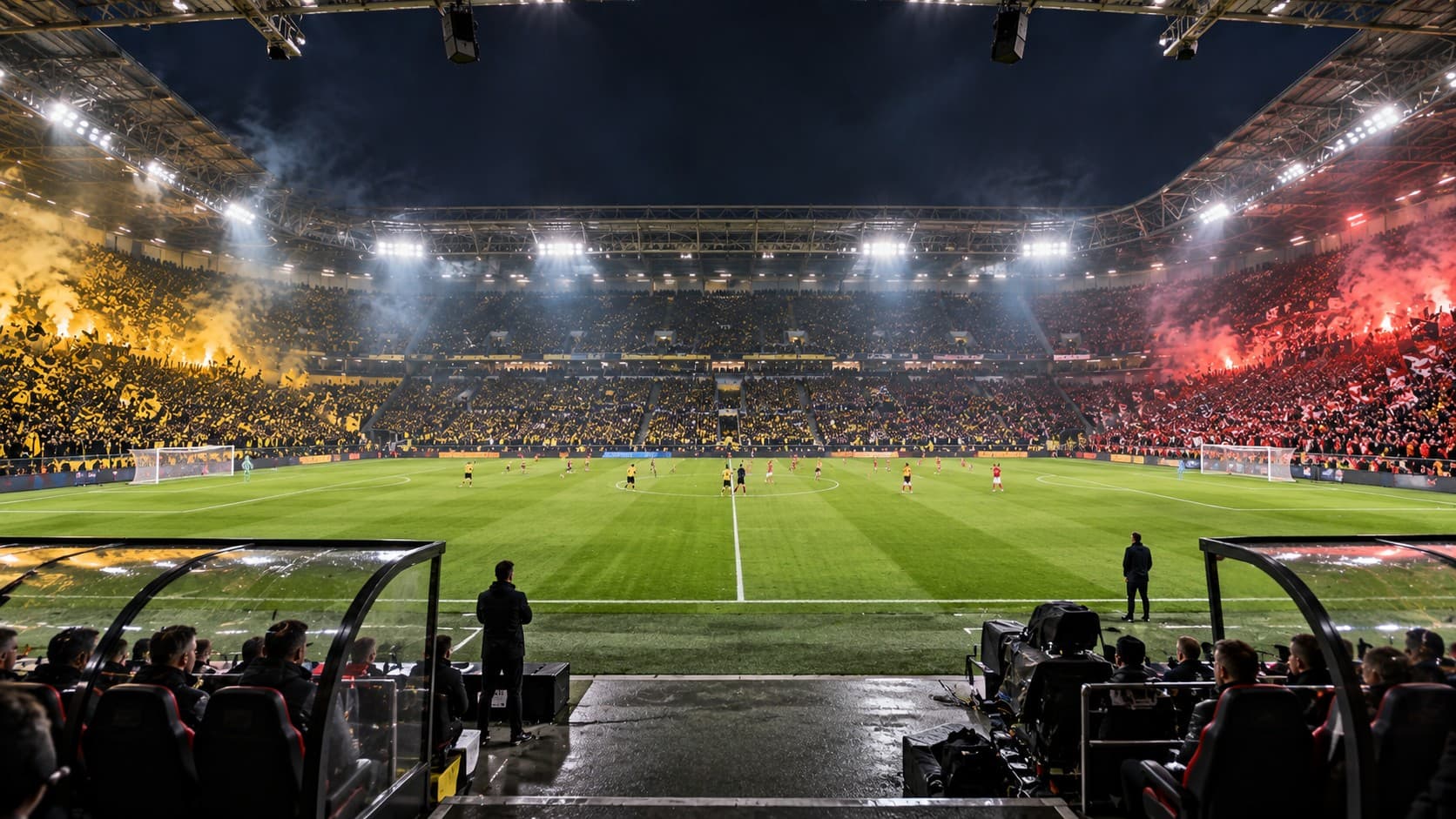
But on matchday, the contrast is visually powerful: red against yellow and black, Munich against Dortmund, record champion against the club that has most consistently challenged that dominance in the modern Bundesliga era.
VIII
Why It Is Called Der Klassiker
The name can be confusing for visitors.
Unlike Spain's El Clásico, Bayern-Dortmund is not a rivalry built over generations around political, cultural or regional opposition. Its modern status is comparatively recent.
The term works because the fixture became the Bundesliga's most recognisable recurring meeting of elite clubs, especially during the title battles of the 2010s and early 2020s.
It is therefore best understood as a sporting super-rivalry: a match whose importance rises from repeated competition at the top.
IX
The Numbers Behind the Fixture
The historical balance favours Bayern, but the fixture has produced defining moments for both clubs.
The Bundesliga's official records listed 110 league meetings before the November 2024 encounter: Bayern had won 54, Dortmund 26 and 30 had ended level. The league also records Bayern's extraordinary 11–1 victory in 1971 and Dortmund's 5–2 DFB-Pokal final win in 2012 among the fixture's most memorable extremes.
The numbers explain Bayern's long-term dominance. The memories explain why the game still matters.
X
Experiencing the Klassiker
For an international football traveller, this is one of the hardest Bundesliga fixtures to attend.
Demand is exceptionally high in both Munich and Dortmund. Club members, season-ticket holders and official allocations dominate access, and the fixture should never be treated as a match where a large stadium automatically means easy tickets.
If you do attend, the two venues offer very different experiences. Dortmund builds towards the Südtribüne and the intensity of a football city in the Ruhrgebiet. Munich combines the Allianz Arena with the scale and expectation surrounding Germany's most successful club.
Whichever side hosts, arrive early. The story begins before kick-off.
XI
Why the Klassiker Matters
The rivalry has changed with every era.
It was not Germany's original great national rivalry. It is not a local derby. And it has rarely been an equal contest over the full span of Bundesliga history.
Yet since the 1990s — and especially since Dortmund's title-winning challenge under Klopp — Bayern against Dortmund has repeatedly concentrated German football's biggest sporting questions into one fixture.
Who can challenge Bayern? Can Dortmund turn atmosphere and development into sustained success? How large is the gap between Germany's dominant institution and its most visible modern challenger?
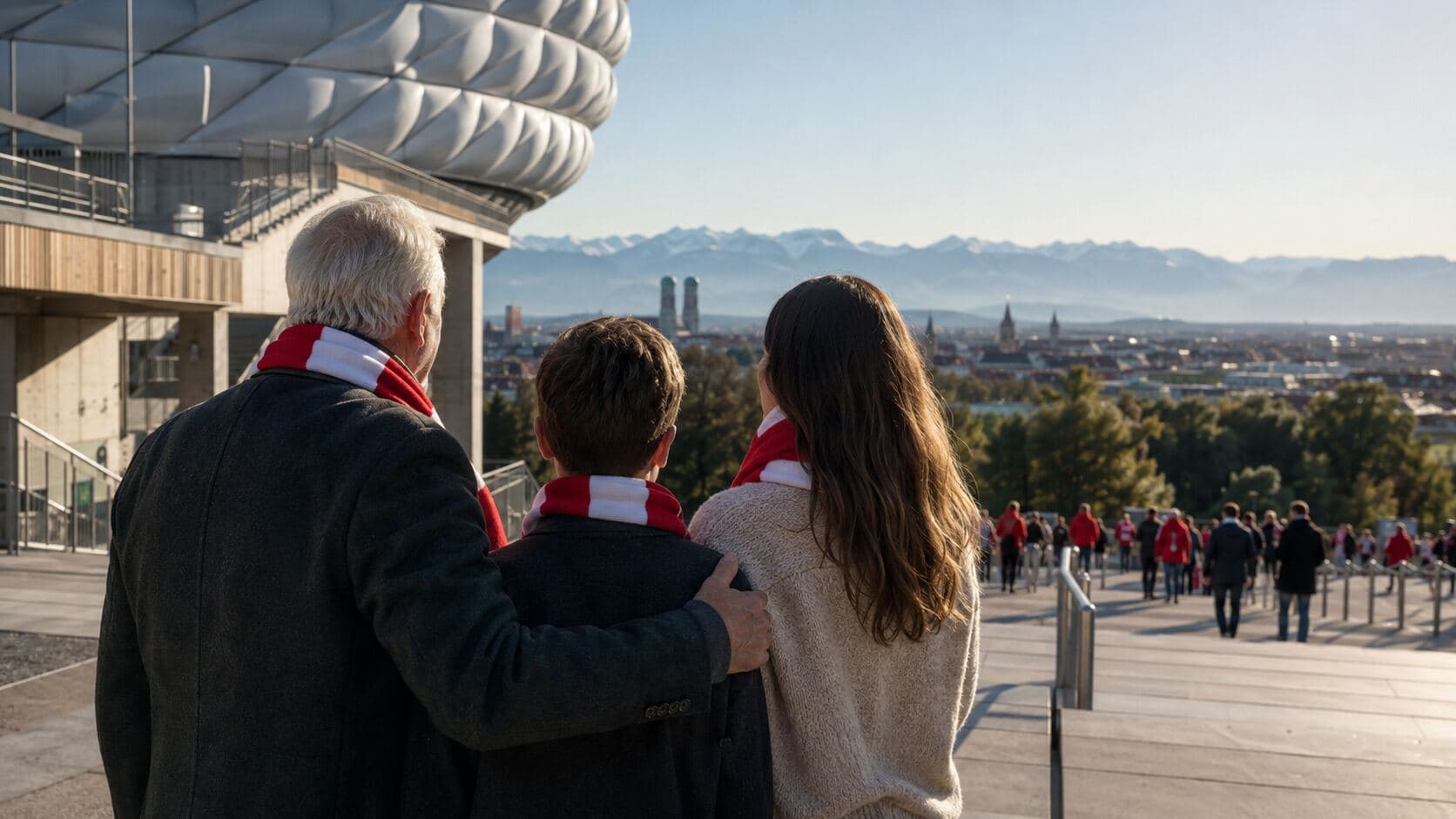
FC Bayern
Mia san mia
Explore the identity and self-image behind Germany's most successful club.
Discover More →
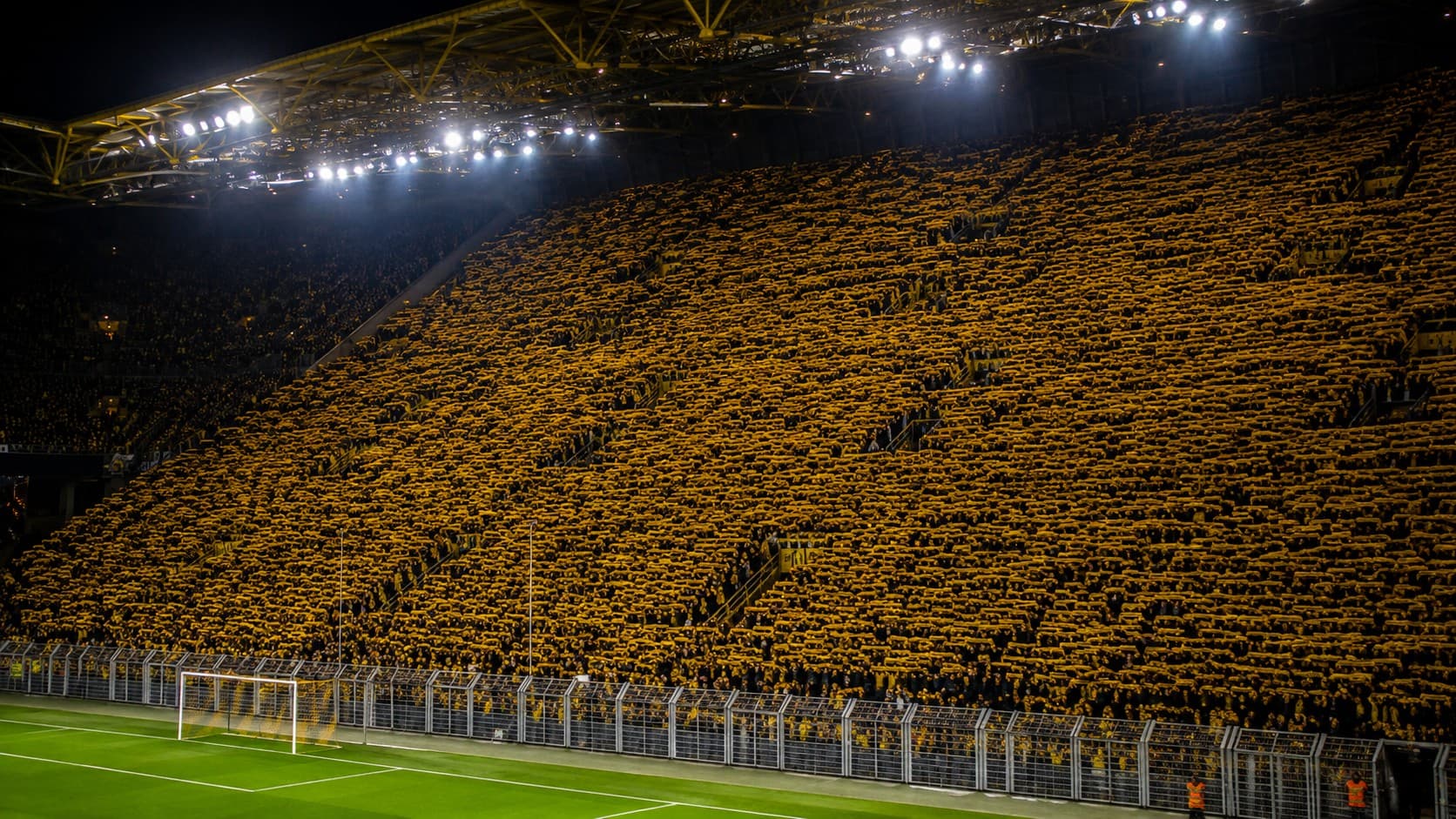
Borussia Dortmund
The Yellow Wall
Discover the terrace that became one of the defining images of German football.
Discover More →
Continue Your Journey
Keep Exploring German Football.
Follow this story into its club, its football world and another chapter of German football culture.
Club World
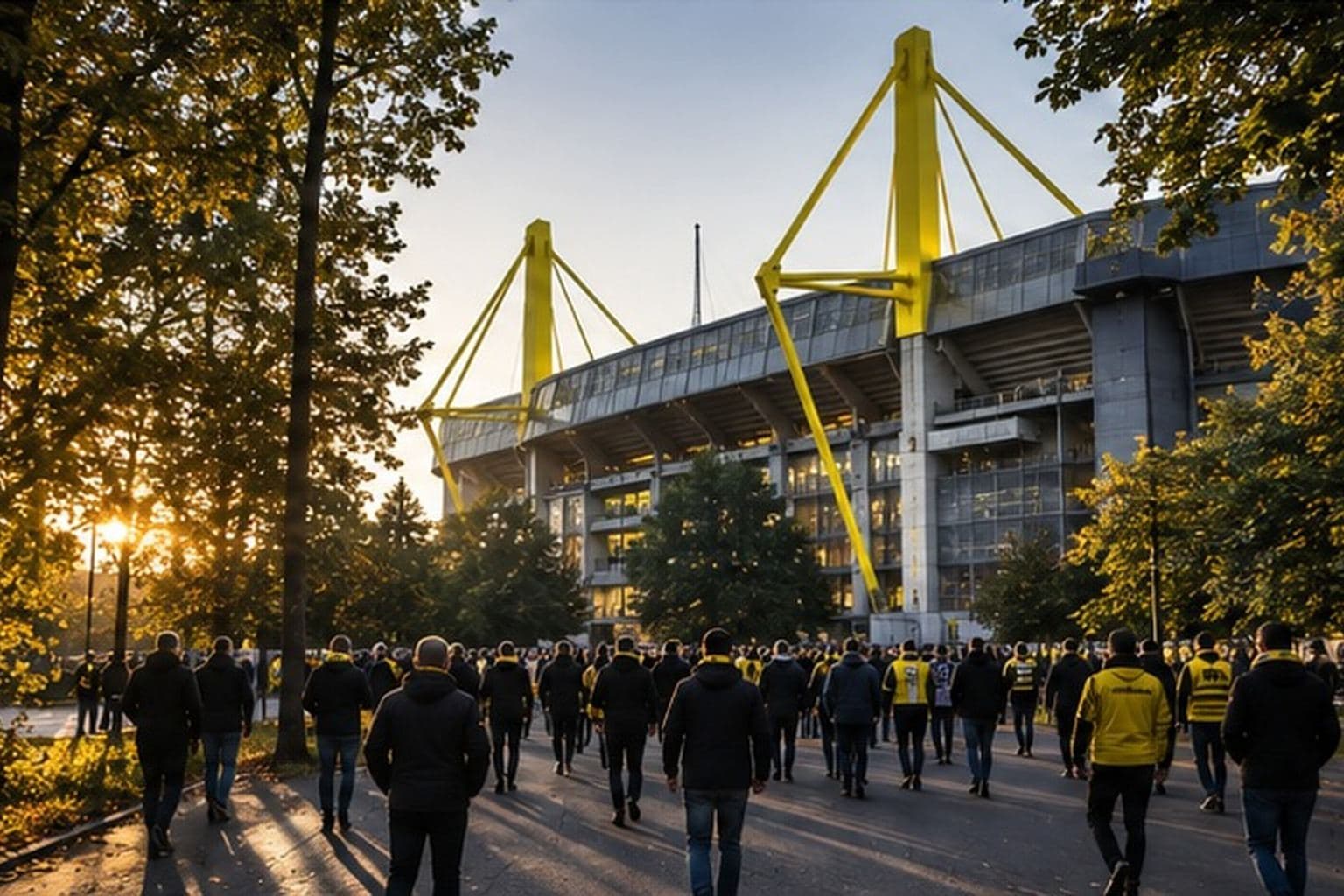
Borussia Dortmund World
Powered by Dedication
Explore Club →
City World
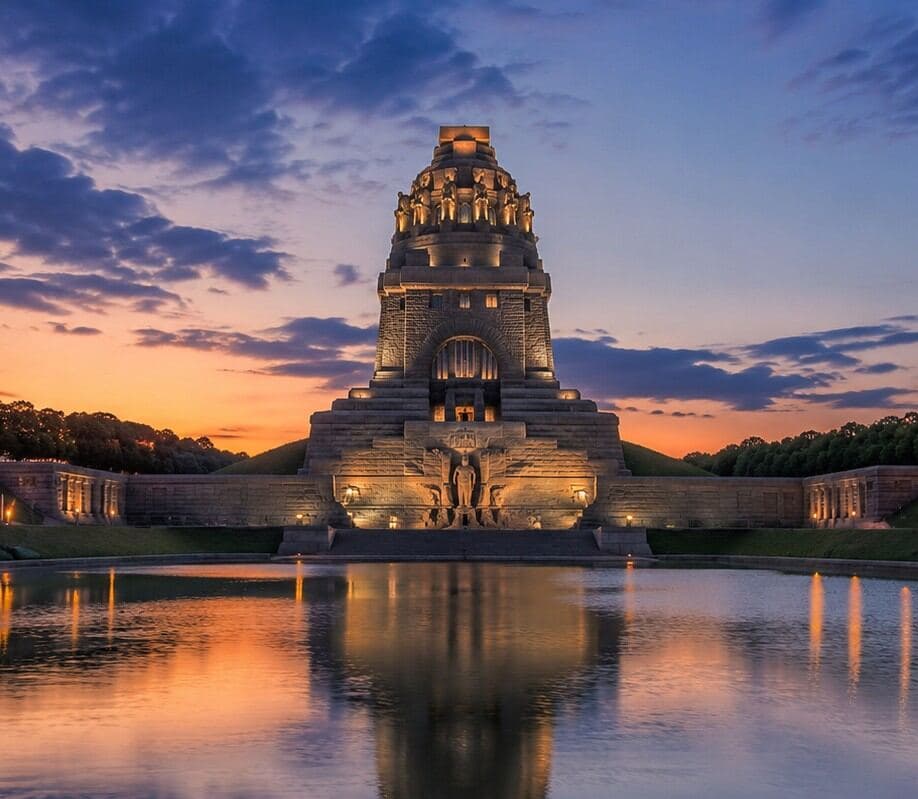
Leipzig World
Explore a fast-changing football city with deep sporting history and a modern Bundesliga presence.
Explore World →
Another Club World
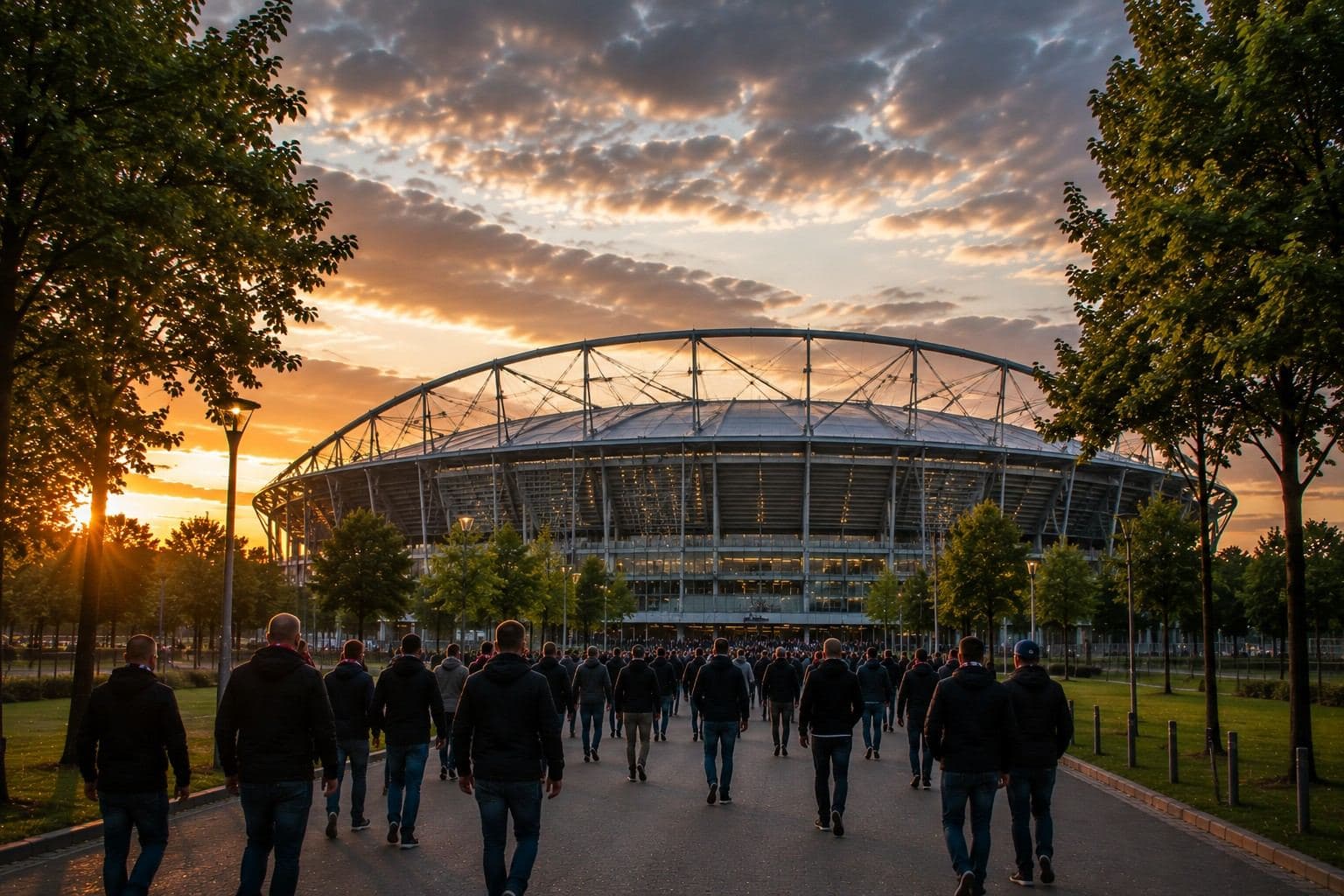
RB Leipzig World
Going Our Own Way
Explore Club →
Related Culture
The Yellow Wall
Thousands of supporters, one enormous terrace and one of the defining images of German football culture.
Read Story →