Fan Culture
The Yellow Wall
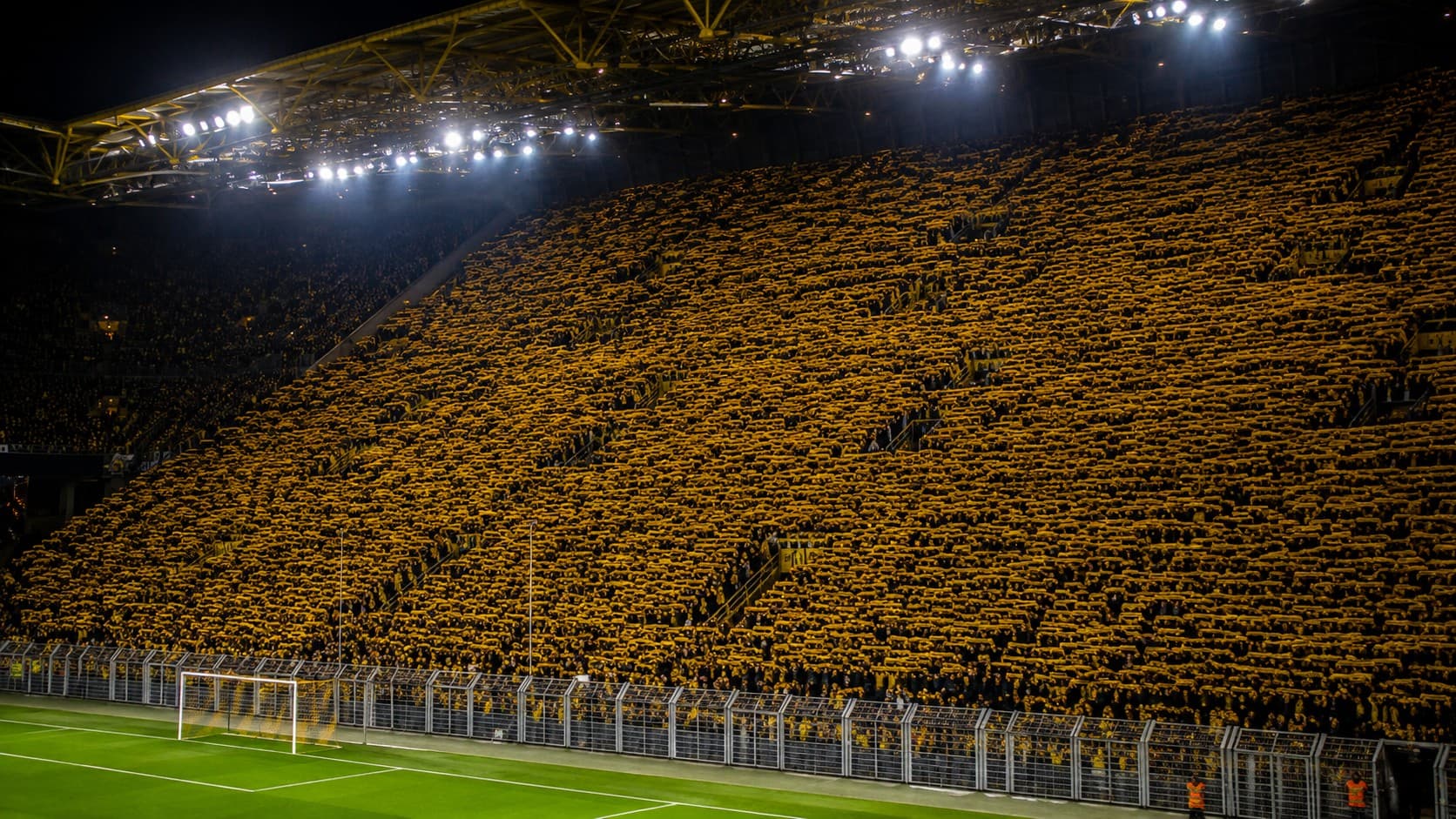
Almost 25,000 people, one enormous standing terrace and a collective force that defines football in Dortmund.
Dortmund · Borussia Dortmund
I
Facing South
Before Borussia Dortmund enters the pitch, thousands of people inside the stadium turn towards the south.
The Südtribüne rises behind one goal as a single steep bank of black and yellow. Flags move across its surface. Scarves appear above heads. Individual supporters disappear inside an image large enough to dominate the entire stadium.
Television cameras show it. Visiting players look towards it. Even people standing elsewhere inside the ground experience the match in relation to it.
This is the Yellow Wall.
II
24,454
During domestic matches, the Südtribüne can accommodate 24,454 standing supporters.
It is the largest standing terrace in European football. Its capacity exceeds the total population of many German towns.
The number matters, but it does not fully explain the experience. Twenty-four thousand people spread around a stadium remain a crowd. Compressed onto one steep terrace, they become a wall.
There are no tiers dividing the image. From close to the pitch to the roof high above, the stand rises continuously. Every flag, movement and raised arm becomes part of the same surface.
From the opposite end, individual faces are almost impossible to recognise. What remains is colour and movement.
III
Built Through Expansion
The Südtribüne did not begin at its current scale.
Dortmund's Westfalenstadion was built for the 1974 World Cup. The original stadium already contained large standing areas, but Borussia's growth and sporting success transformed the ground.
A series of expansions increased the stadium's capacity. The southern stand was extended significantly after Dortmund's Champions League triumph in 1997.
The architecture created the physical conditions for the Yellow Wall. Supporters created everything else.
A large stand does not automatically produce coordinated support. Songs, flags, choreographies and shared expectations developed through repeated matchdays and the work of different fan groups.
IV
Standing Together
The Yellow Wall is often presented as a spectacle. For the people inside it, the experience is more physical than visual.
From within the Südtribüne, you cannot see the complete image shown on television. You see the people immediately around you, the flags overhead and the pitch far below.
Space is limited. Sightlines change as bodies move. A goal sends the terrace forward and upward at the same time.
Supporting from the Süd also carries responsibility. A place on the terrace is expected to involve participation. Songs depend on people joining. Choreographies require cooperation. The atmosphere admired from outside must be produced from within.
Not every moment is perfectly coordinated. The Yellow Wall is not a machine. It contains different groups, generations and opinions.
Its power comes from making those differences sound like one voice.
V
More Than Noise
The Südtribüne's most famous moments are often its loudest: “You'll Never Walk Alone” before kick-off, a roar following a goal or the eruption that accompanies a decisive European night.
Silence can also carry meaning.
Supporter protests, banners and coordinated actions use the size of the stand to communicate positions about ticket prices, scheduling, club decisions and the direction of modern football.
The terrace is therefore not only part of the stadium atmosphere. It is a public space inside the club.
Borussia Dortmund benefits enormously from the image of the Yellow Wall. The people who create that image also expect their interests and traditions to be taken seriously.
Spectacle and participation cannot be separated.
VI
When the Teams Arrive
The defining moment comes shortly before kick-off.
The teams wait inside the tunnel. The stadium darkens beneath the roof. The Südtribüne is already moving.
When the players enter, sound and colour meet the pitch at once. For Dortmund, the wall is behind them. For the visiting team, it waits above their penalty area.
The Yellow Wall cannot score a goal or make a tackle. It cannot guarantee victory. Dortmund has lost important matches in front of it and celebrated unforgettable ones beneath it.
Its power is not that it controls what happens next.
Its power is that it makes the next ninety minutes feel larger.
Continue Your Journey
Keep Exploring German Football.
Follow this story into its club, its football world and another chapter of German football culture.
Club World
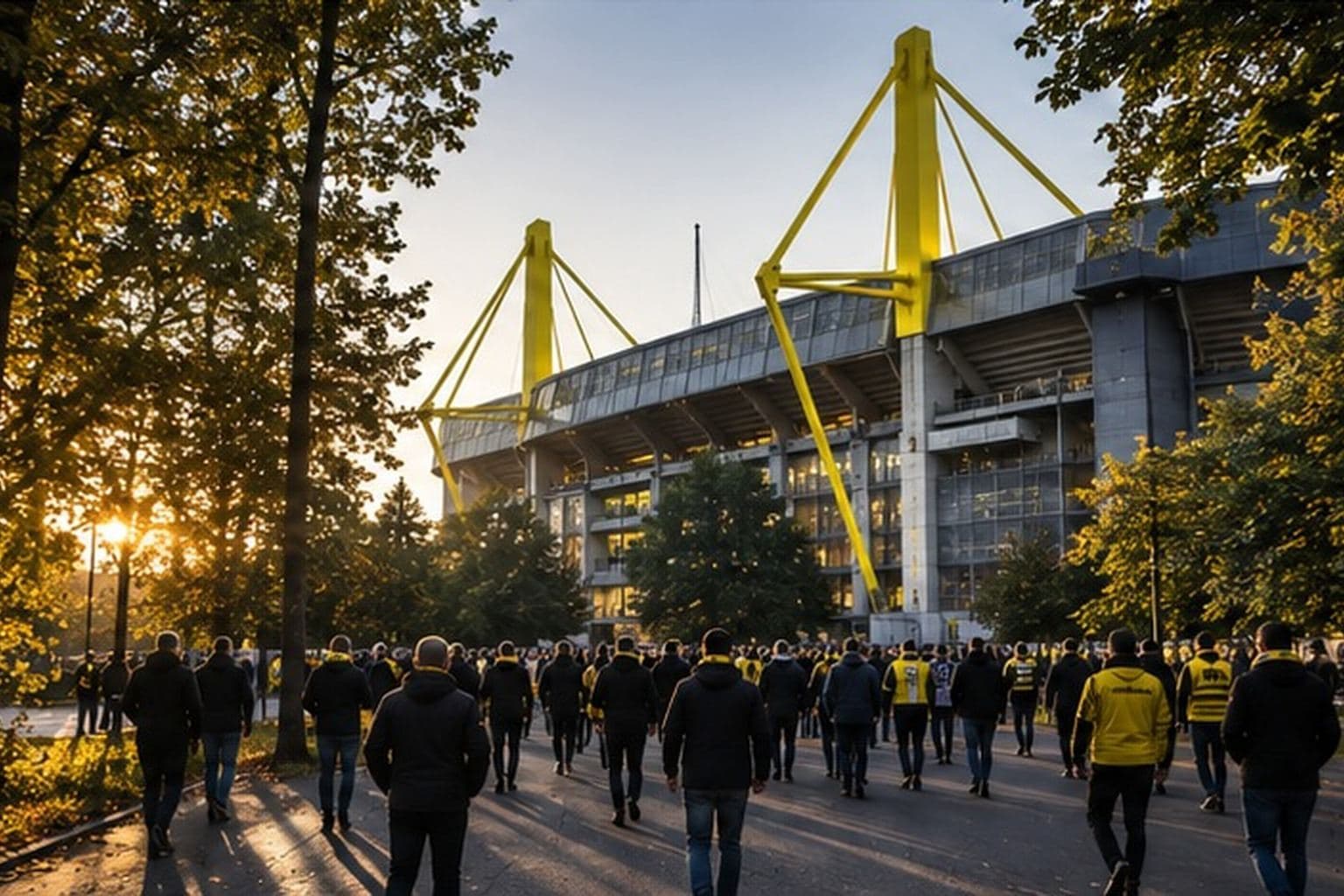
Borussia Dortmund World
Powered by Dedication
Explore Club →
Region World
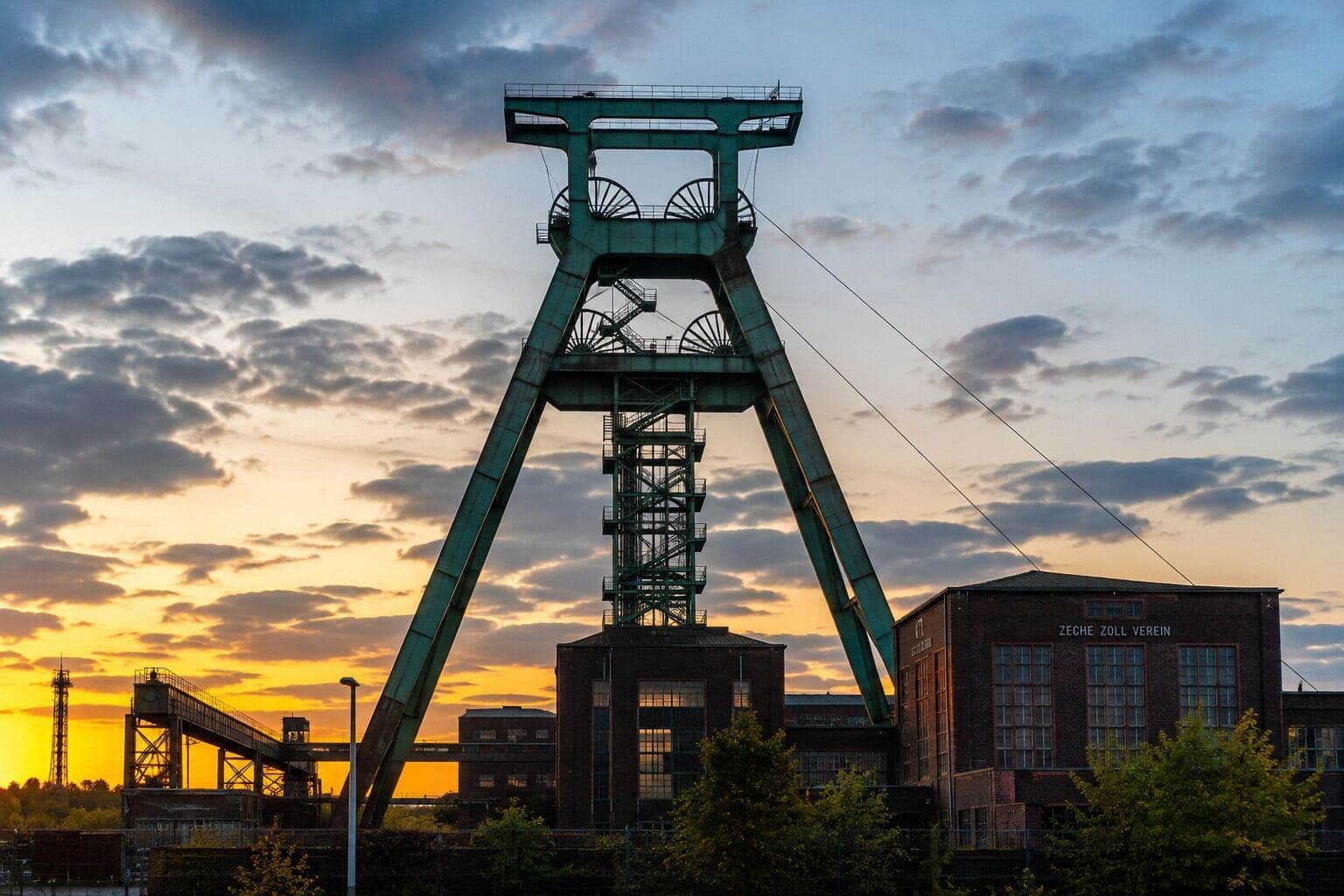
Ruhrgebiet World
The highest density of football culture in Germany.
Explore World →
Another Club World
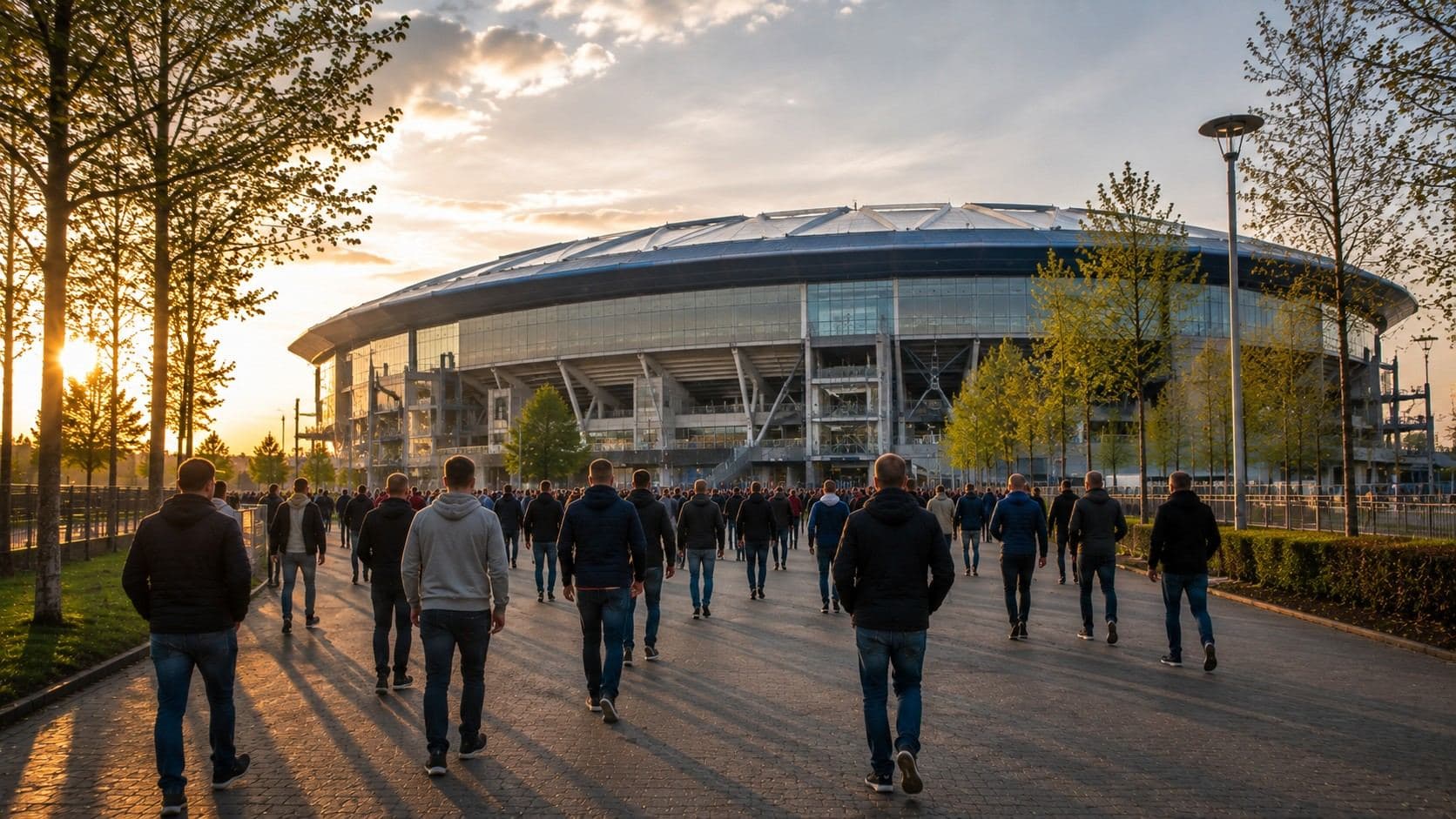
Schalke World
Always Blue
Explore Club →
Related Culture
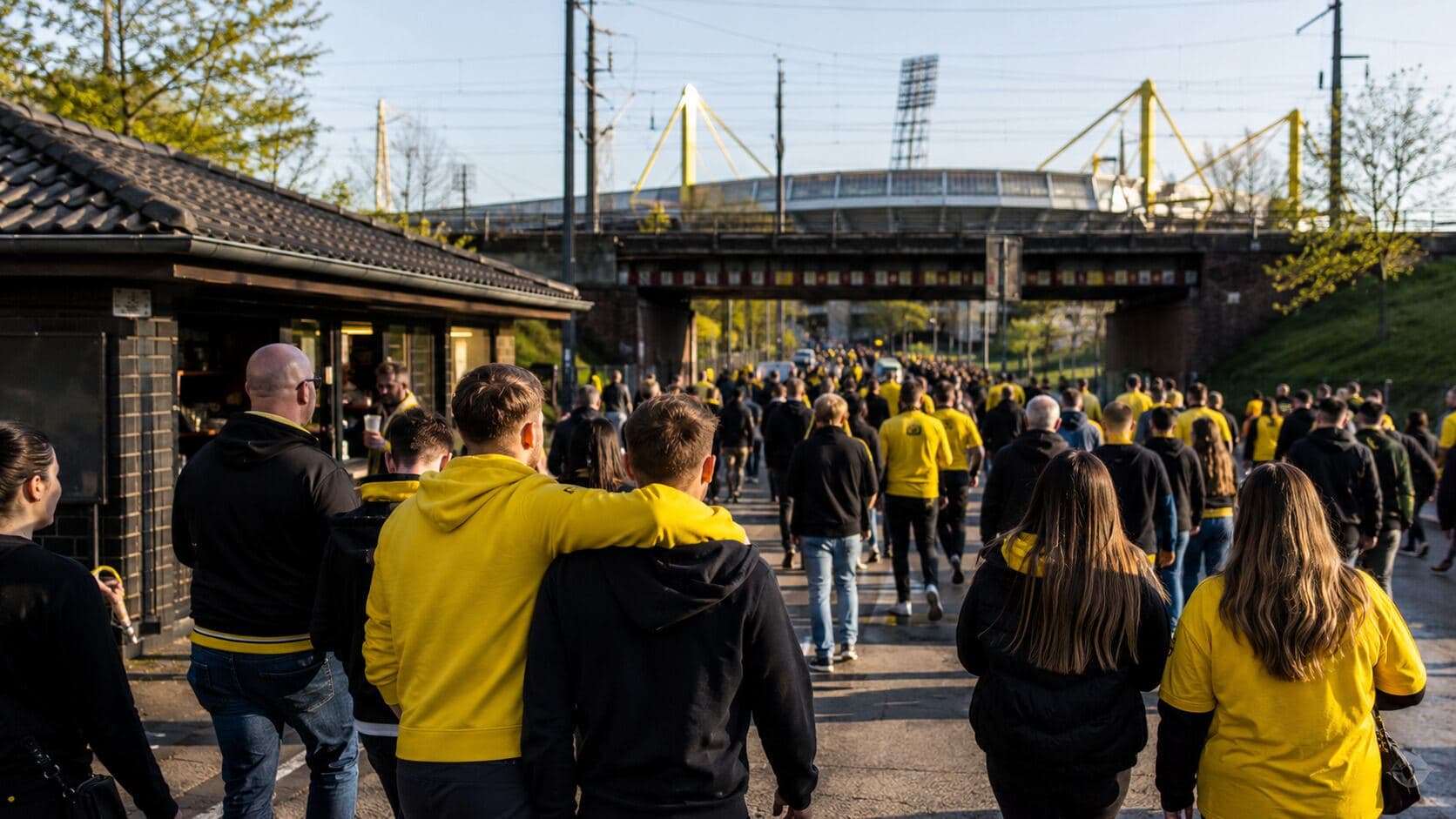
Road to the Yellow Wall
From German football history at the main station to almost 25,000 standing supporters beneath the Südtribüne.
Read Story →