Matchday Germany
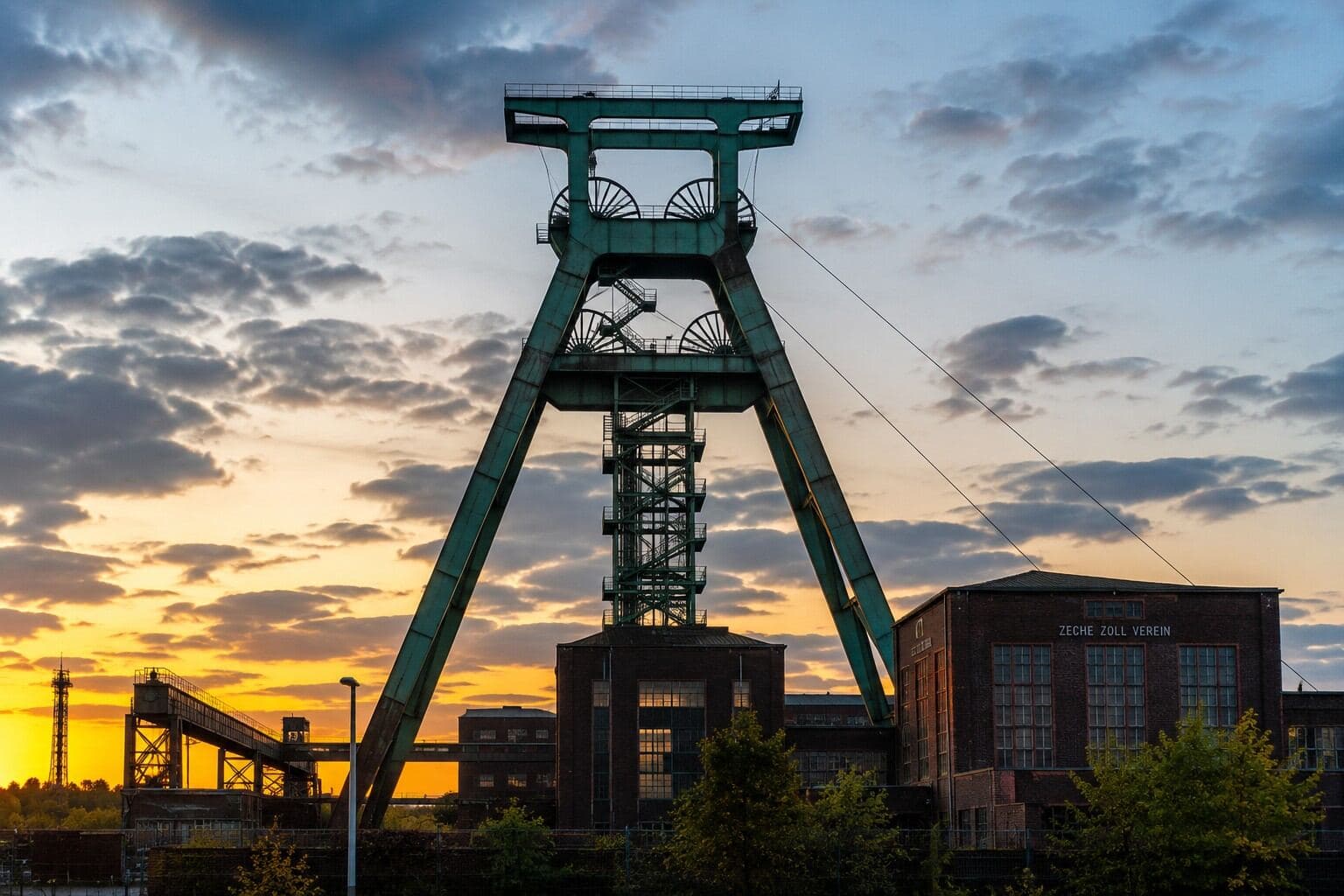
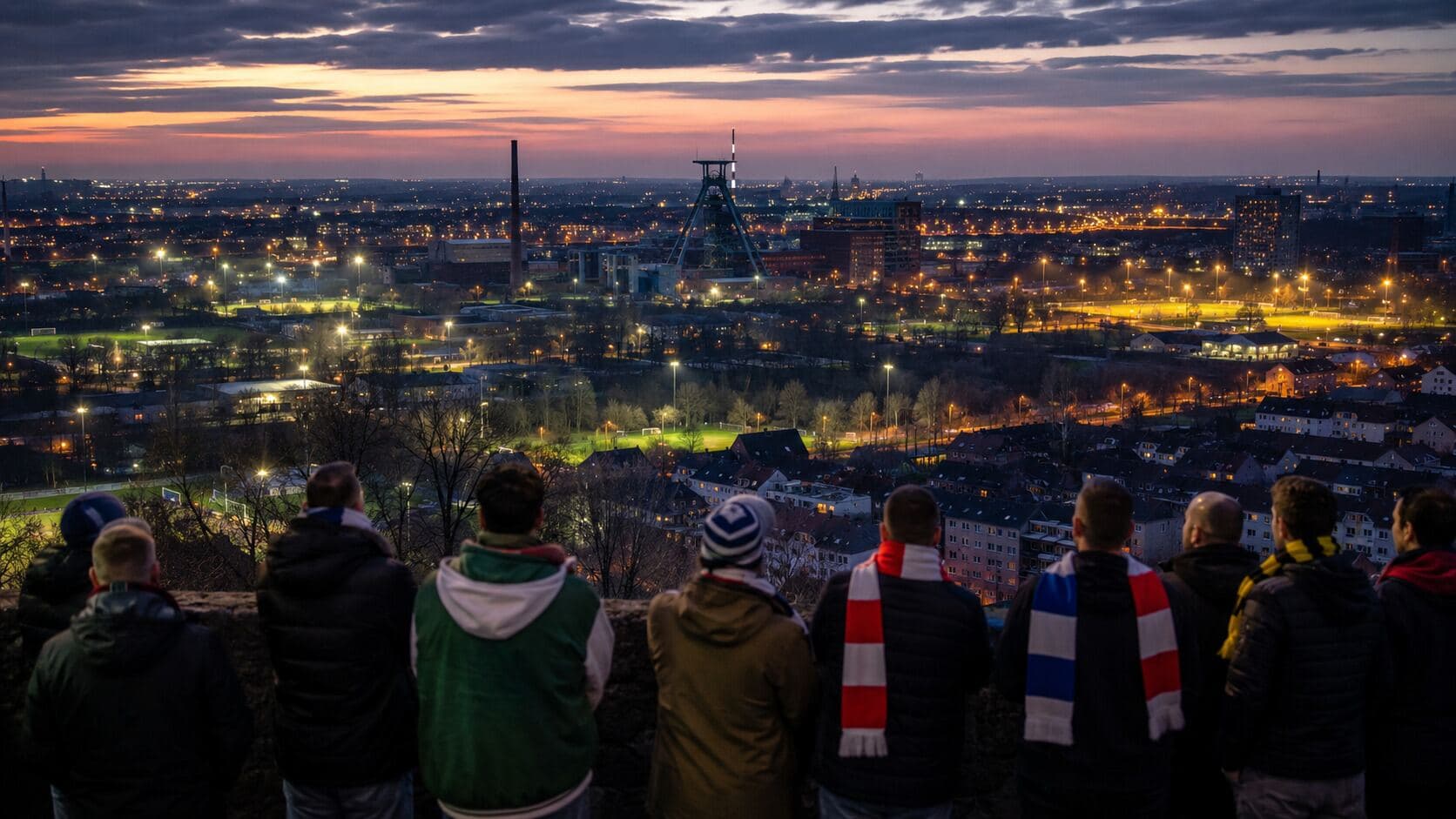
Industrial landscape in the Ruhrgebiet

Football Weekend Guide

A Football Weekend In The Ruhrgebiet

Two giants. One football heartland. A weekend shaped by terraces, industry and some of Germany's deepest supporter traditions.

AI-generated image

Weekend Overview

Germany's football heartland.

The Ruhrgebiet is not one city and it does not have one football identity. It is a dense network of cities, clubs, former industrial sites and supporter cultures packed into one of Europe's most distinctive regions.

Borussia Dortmund and FC Schalke 04 dominate the global image of Ruhr football, but the region's identity runs much deeper. Football here grew alongside mining, steel, migration and working-class communities.

A weekend in the Ruhrgebiet is therefore less about sightseeing in one centre and more about moving through a landscape where football, industry and local identity constantly overlap.

Dortmund gives you the scale and spectacle of the Yellow Wall. Gelsenkirchen gives you royal-blue intensity inside the Veltins-Arena. Between them lies the industrial history that explains why football matters so much here.

In the Ruhrgebiet, football is not simply part of the weekend. It is one of the ways the region understands itself.

Friday

Arrive in football country.

Friday is about understanding the Ruhrgebiet before the stadium takes over.

Arrival

Choose your base.

The Ruhrgebiet works best when you think regionally rather than city by city. Dortmund, Essen and Bochum all make practical bases for a football weekend.

Dortmund is the obvious choice for a BVB match, while Essen offers a useful central location for exploring the wider region.

First Stop

See the industrial landscape.

Former mines, steelworks, rail lines and worker settlements still shape the physical landscape of the Ruhrgebiet.

Understanding this history gives important context to the football culture you will experience on Saturday.

Late Afternoon

Zeche Zollverein.

The Zollverein Coal Mine Industrial Complex in Essen is one of the defining landmarks of the Ruhrgebiet and an ideal introduction to the region.

Its monumental industrial architecture shows the scale of the mining economy that once shaped everyday life here.

Tip: Allow enough time to walk through the wider Zollverein complex rather than treating it as a quick photo stop.

Friday Evening

Dortmund or Essen.

Dortmund's Alter Markt provides an easy first evening for visitors staying near the BVB side of the region.

Essen offers a broader central base, with restaurants and bars around the city centre and Rüttenscheid.

Where To Stay

Stay close to rail.

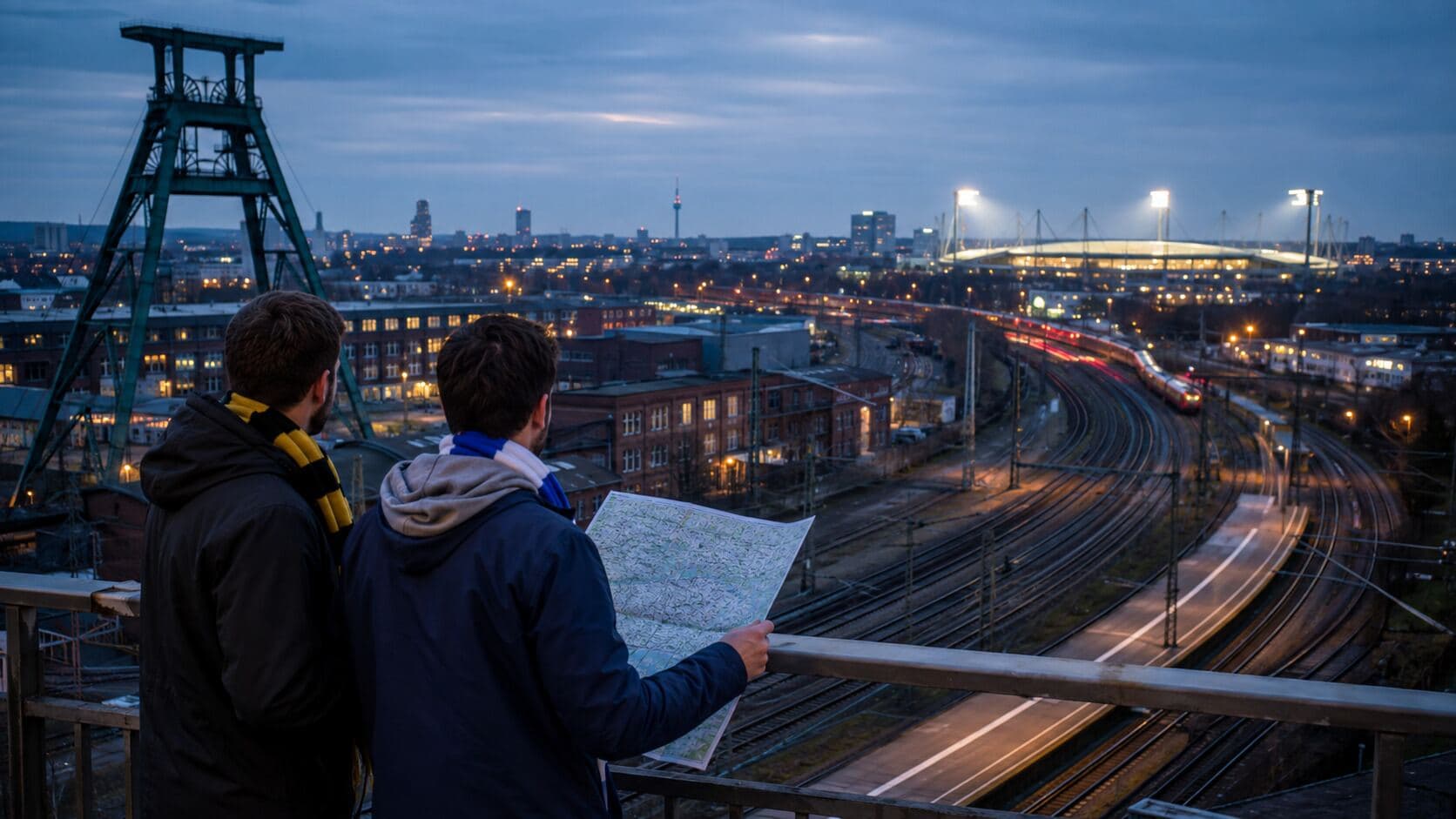
The Ruhrgebiet's cities are closely connected by regional trains and S-Bahn services, so proximity to a major station is particularly valuable.

Dortmund, Essen and Bochum all provide good transport links for exploring the region.

Saturday

Matchday.

Saturday is where Ruhr football becomes real. Your choice between Dortmund and Schalke leads to two enormous but very different supporter cultures.

Yellow and black or royal blue?

A Dortmund match takes you towards one of the largest stadiums in European football and the spectacle of the Südtribüne.

A Schalke match takes you into Gelsenkirchen and a football identity closely connected to mining, local solidarity and the Nordkurve.

The rivalry between the two clubs is one of German football's defining relationships, but both belong to the same wider Ruhrgebiet culture.

Tip: If you are spending more than one weekend in the region, experiencing both Dortmund and Schalke gives you a much fuller understanding of Ruhr football.

Choose Your Matchday

Choose Your Football World.

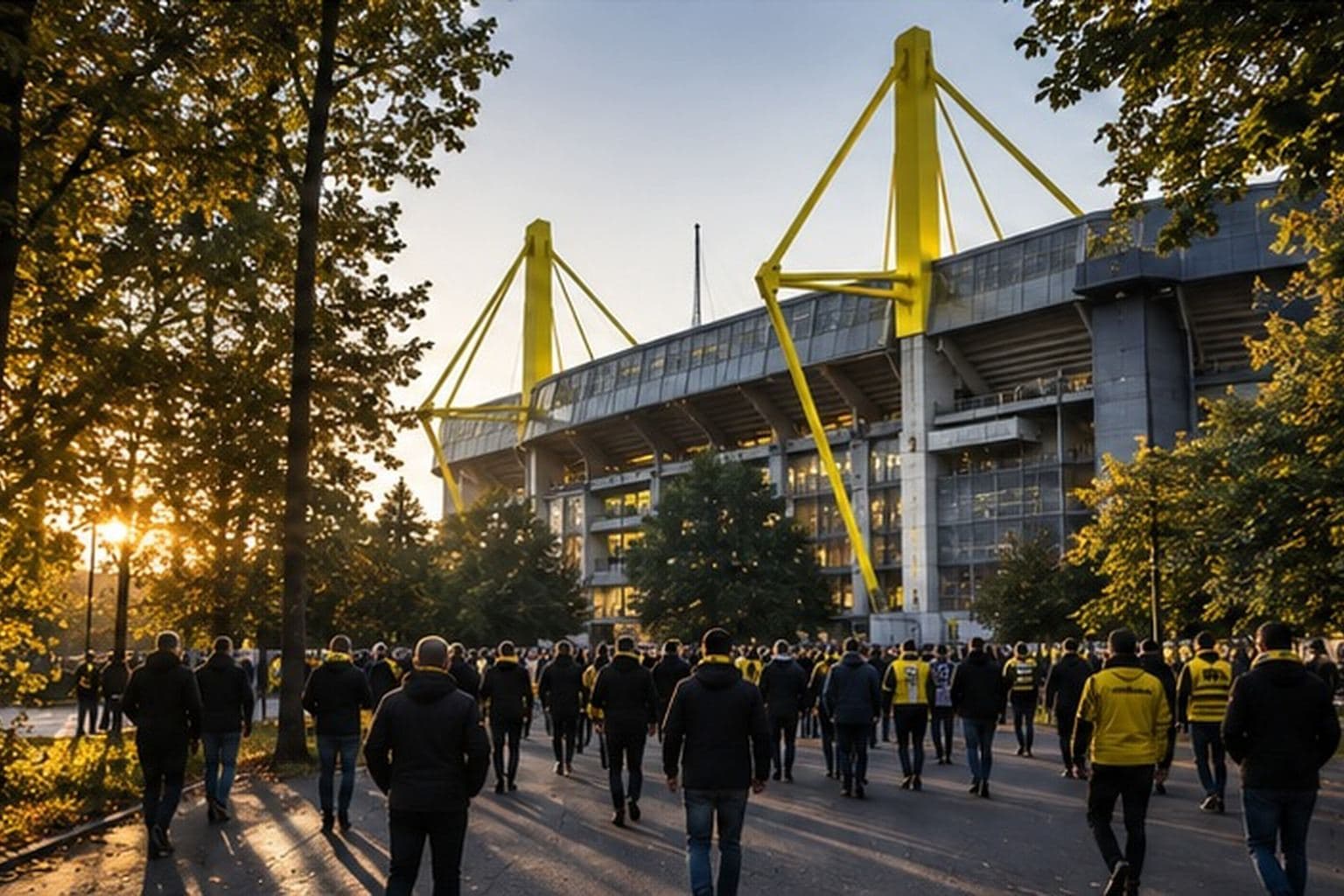
Signal Iduna Park in Dortmund

Borussia Dortmund

BVB At Signal Iduna Park

The Yellow Wall, more than 80,000 supporters and one of world football's defining stadium experiences.

Borussia Dortmund combines enormous scale with a deeply rooted supporter culture. Signal Iduna Park regularly holds more than 80,000 spectators and creates one of Europe's most recognisable matchday environments.

The Südtribüne is the centrepiece. With more than 20,000 standing supporters, the Yellow Wall dominates both the visual and acoustic experience of the stadium.

Arrive early enough to experience the build-up around the stadium and nearby Westfalenhallen before entering the ground.

For major Bundesliga and European fixtures, the intensity inside the stadium can feel almost physical.

Getting there: Travel to Dortmund Hauptbahnhof and continue by U-Bahn towards Westfalenhallen. From there, the stadium is a short walk.

Tip: Tickets are difficult for major fixtures, especially Bayern, Schalke and Champions League matches. Use official sales channels and plan well ahead.
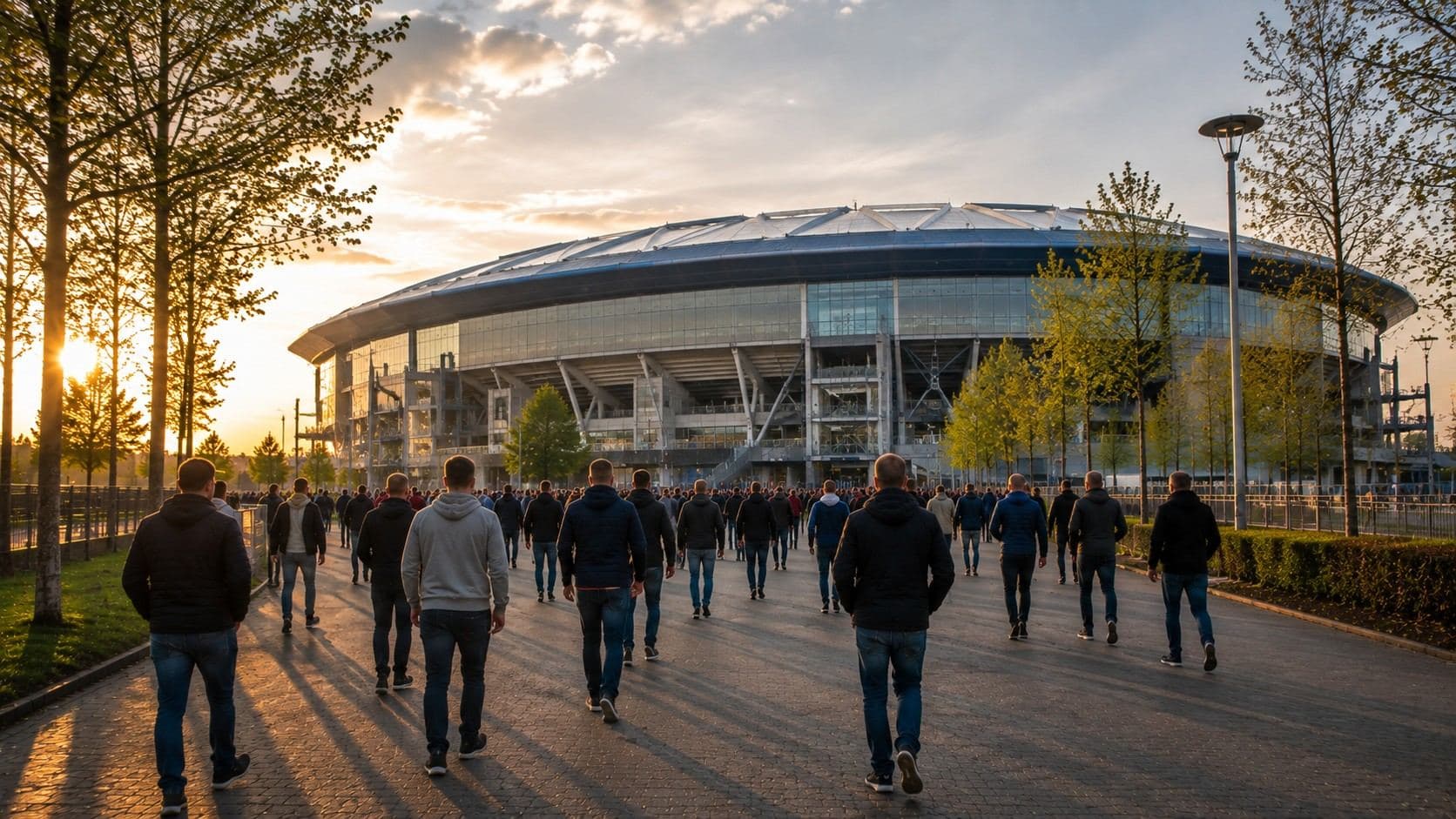
Veltins-Arena in Gelsenkirchen

FC Schalke 04

Schalke At The Veltins-Arena

Royal-blue passion, mining identity and an enclosed arena that traps more than 60,000 voices.

Schalke's football culture is deeply tied to the industrial history of Gelsenkirchen. The language of miners, solidarity and local pride remains visible throughout the club's identity.

The Veltins-Arena is a modern stadium, but its fully enclosed design creates an atmosphere that feels intense and immediate.

The Nordkurve drives the support, while the anthem 'Blau und Weiß' connects the matchday to generations of Schalke supporters.

A Schalke match provides a different but equally powerful version of Ruhr football.

Getting there: Travel to Gelsenkirchen Hauptbahnhof and continue by Tram 302 towards the VELTINS-Arena.

Tip: The Revierderby is one of the hardest tickets in German football. For normal fixtures, official resale can sometimes provide late opportunities.

Saturday Night In The Ruhr

After the match, the Ruhrgebiet feels less like a single nightlife destination and more like a network of local centres.

Dortmund's Alter Markt is the obvious continuation after a BVB match, while supporters travelling from Schalke often return towards Gelsenkirchen, Essen or Bochum.

Because the cities are close together, regional trains make it easy to return to your chosen base after the final whistle.

The best post-match experience is often simple: stay local for a while, let the transport crowds clear and listen to the conversations around you.

Tip: Do not underestimate post-match transport demand. Waiting 20–30 minutes can make regional travel significantly more comfortable.

Sunday

Explore the region behind the football.

Sunday is the moment to understand why Ruhr football developed the way it did.

Sunday Morning

Deutsches Fußballmuseum.

Germany's national football museum in Dortmund is an obvious Sunday stop for a football weekend.

The museum covers the national team, Bundesliga history, major tournaments and the broader development of German football culture.

Industrial Culture

Gasometer Oberhausen.

The Gasometer is one of the Ruhrgebiet's most dramatic industrial landmarks and now functions as a major exhibition space.

Its scale gives visitors another sense of the industrial world that shaped the region.

Alternative Stop

Landschaftspark Duisburg-Nord.

A former steelworks transformed into a public park, the Landschaftspark is one of the clearest examples of how the Ruhrgebiet has reused its industrial heritage.

Walking through the old furnaces, structures and pathways feels very different from conventional city sightseeing.

Sunday Lunch

Stay regional.

The Ruhrgebiet's food culture is straightforward and unpretentious. Currywurst, grilled sausages and local brewery food fit naturally into a football weekend.

For a more relaxed meal, Essen, Bochum and Dortmund all provide plenty of central options before departure.

Departure

Leave through the rail network.

Dortmund and Essen are both well connected to Germany's long-distance rail network.

A Sunday evening departure gives you enough time to explore another part of the region before heading home.

The Ruhrgebiet makes most sense when you stop looking for one centre. Its football culture exists in the connections between cities, clubs and communities.

Practical Guide

Weekend Essentials

Getting There

By Train

Dortmund and Essen are major long-distance rail hubs with frequent ICE and IC connections.

By Air

Düsseldorf Airport is the largest nearby international airport, with regional rail connections into the Ruhrgebiet.

Getting Around

Regional Rail

RE, RB and S-Bahn services connect Dortmund, Bochum, Essen, Gelsenkirchen, Duisburg and the wider Ruhrgebiet.

Local Transport

Trams and U-Bahn services provide the final connections to many stadiums and cultural sites.

Stadiums

Signal Iduna Park

Borussia Dortmund's 80,000-plus-capacity home and the setting of the world-famous Yellow Wall.

Veltins-Arena

Schalke's enclosed modern arena in Gelsenkirchen, driven by the Nordkurve.

Where To Stay

Dortmund

Best if BVB is the centrepiece of the weekend and for easy access to the German Football Museum.

Essen

A strong central base for exploring both football and industrial culture across the region.

Bochum

A smaller and highly football-oriented base located between Dortmund and Essen.

Gelsenkirchen

Useful for Schalke-focused trips, although accommodation choices are more limited than in larger neighbouring cities.

Don't Miss

Yellow Wall

One of the defining sights of European football.

Zeche Zollverein

The landmark industrial complex in Essen.

Deutsches Fußballmuseum

Germany's national football museum in Dortmund.

Gasometer Oberhausen

A spectacular former industrial gas holder turned cultural venue.

Landschaftspark Duisburg-Nord

A former steelworks transformed into an atmospheric public park.

Nordkurve Schalke

The emotional centre of the Veltins-Arena.