Borussia Mönchengladbach
The Foals
How a young, fearless team became the identity of Borussia Mönchengladbach.
Mönchengladbach
I
More Than a Nickname
Borussia Mönchengladbach are known around German football as the Foals.
It is a nickname that appears everywhere around the club today. But it did not begin as a marketing idea.
It began with a football team.
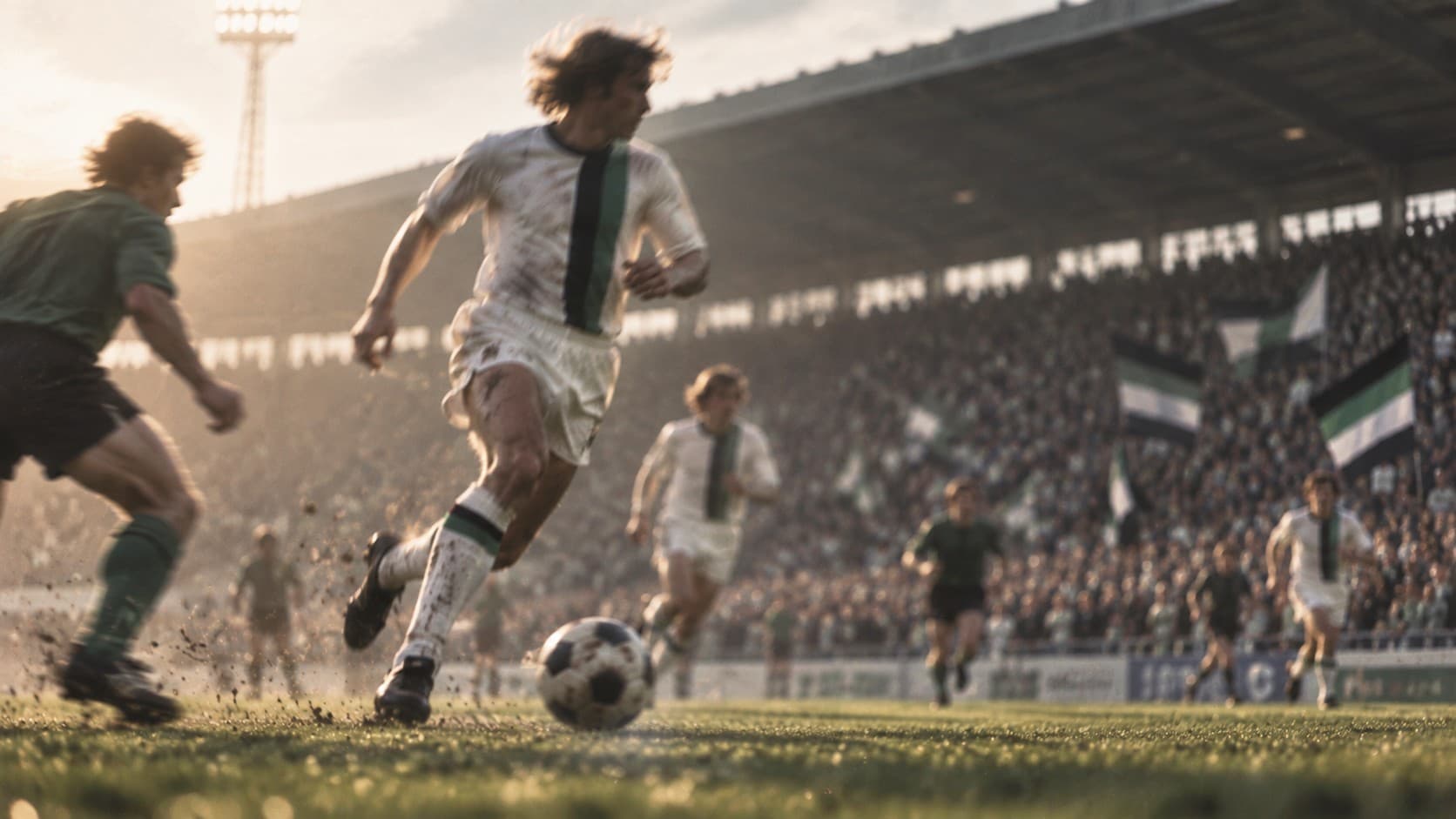
In the 1960s, Borussia built a remarkably young side under coach Hennes Weisweiler. The players were energetic, adventurous and willing to attack.
They ran. They took risks. And they played with the confidence of a team that seemed too young to be intimidated by anyone.
That team would change Borussia Mönchengladbach forever.
II
The Young Team from Gladbach
When Borussia won promotion to the Bundesliga in 1965, the squad had an average age of around twenty.
That mattered because their youth could be seen in the way they played.
Weisweiler trusted young footballers and encouraged them to express themselves. Instead of building a cautious team simply trying to survive at a higher level, Borussia attacked.
Players such as Günter Netzer, Berti Vogts and Jupp Heynckes became central figures in a side whose football was fast, direct and increasingly difficult to contain.
Local observers began comparing the young players to foals galloping across a field.
The image fitted.
They were young, energetic and sometimes unpredictable.
The Fohlenelf — the Foals XI — had arrived.
III
Hennes Weisweiler
At the centre of the transformation stood Hennes Weisweiler.
He arrived in Mönchengladbach in 1964 and immediately placed his faith in young players. Promotion followed in his first full season.
But promotion was only the beginning.
Weisweiler created a team built around movement, attacking football and individual responsibility. Talented players were not asked to hide their instincts. They were encouraged to use them.
Netzer became the creative centre of the team. Vogts developed into one of Germany's defining defenders. Heynckes supplied goals.
Around them grew a side capable of playing football at a speed and intensity that made the nickname increasingly appropriate.
IV
From Outsiders to Champions
Mönchengladbach was not supposed to become one of the centres of European football.
It was not Munich. It was not Hamburg. It was not one of Germany's largest cities.
Yet by the end of the 1960s, Borussia were challenging the country's biggest clubs.
In 1970, the Foals won their first Bundesliga championship.
A year later they won it again, becoming the first club to successfully defend the Bundesliga title.
The young team that had arrived in the league only a few years earlier was now setting the standard.
A defining rivalry developed with Bayern Munich. Two very different football powers competed for control of German football, and the contrast helped shape an extraordinary era.
Borussia's identity remained unmistakable: attacking, ambitious and willing to take risks.
V
The Golden Seventies
The 1970s transformed a nickname into a legend.
Borussia won five Bundesliga championships during the decade. European nights brought the Foals to an international audience.
They won the UEFA Cup in 1975 and again in 1979 and reached the European Cup final in 1977.
The names from those teams remain woven into the club's identity: Netzer. Vogts. Heynckes. Bonhof. Simonsen. Kleff.
Different players represented different generations of the side, but together they created the image that still surrounds Borussia.
A relatively small city on the Lower Rhine had become home to one of Europe's most recognisable football teams.
VI
The Bökelberg
Every great football identity needs a place where it becomes real.
For generations of Gladbach supporters, that place was the Bökelbergstadion.
The old ground became inseparable from the rise of the Foals. Its terraces stood close to the pitch and created the compact, intense setting in which Borussia's attacking teams built their reputation.
European opponents came to Mönchengladbach and encountered a club whose surroundings seemed to reflect its football: close, loud and difficult to escape.
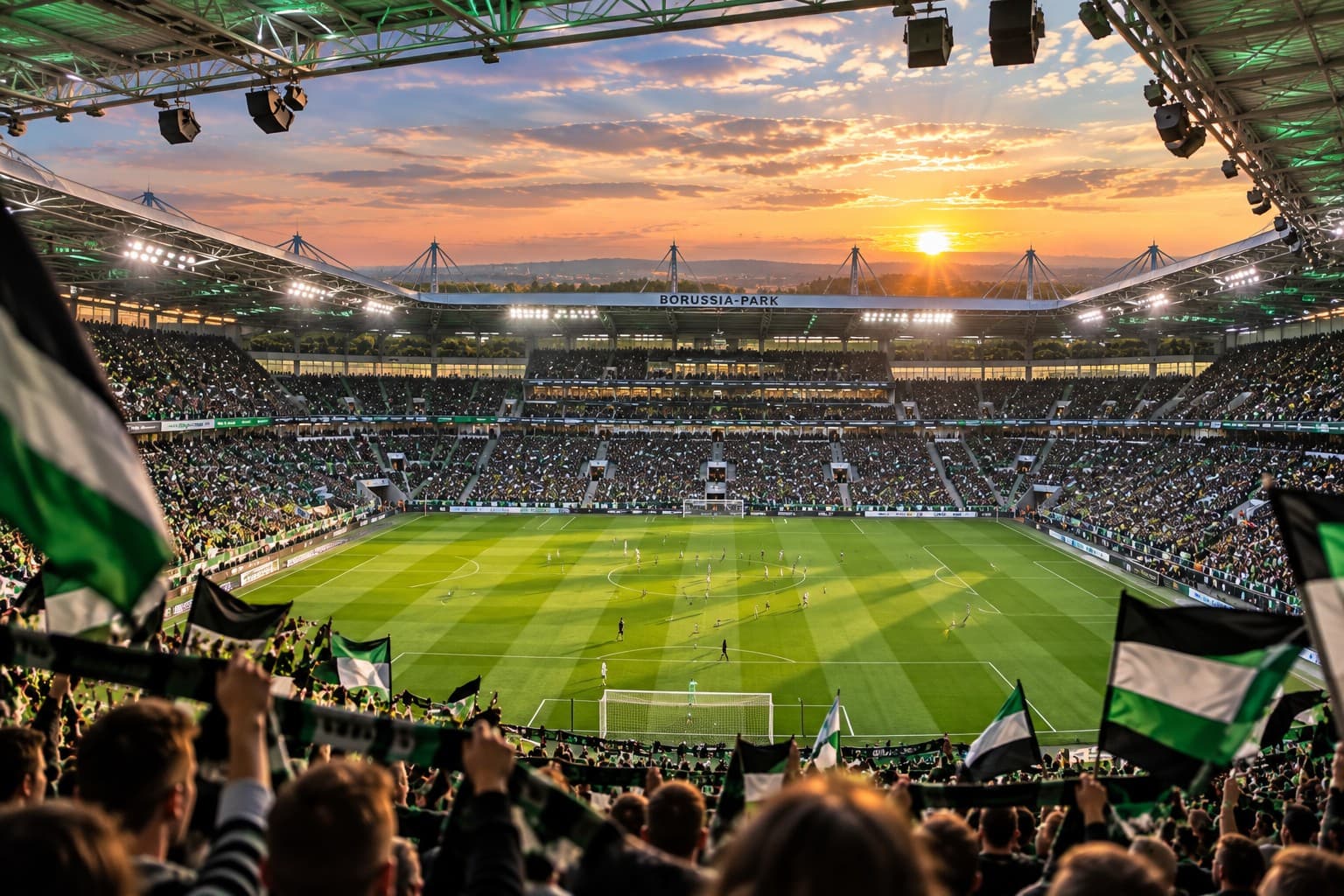
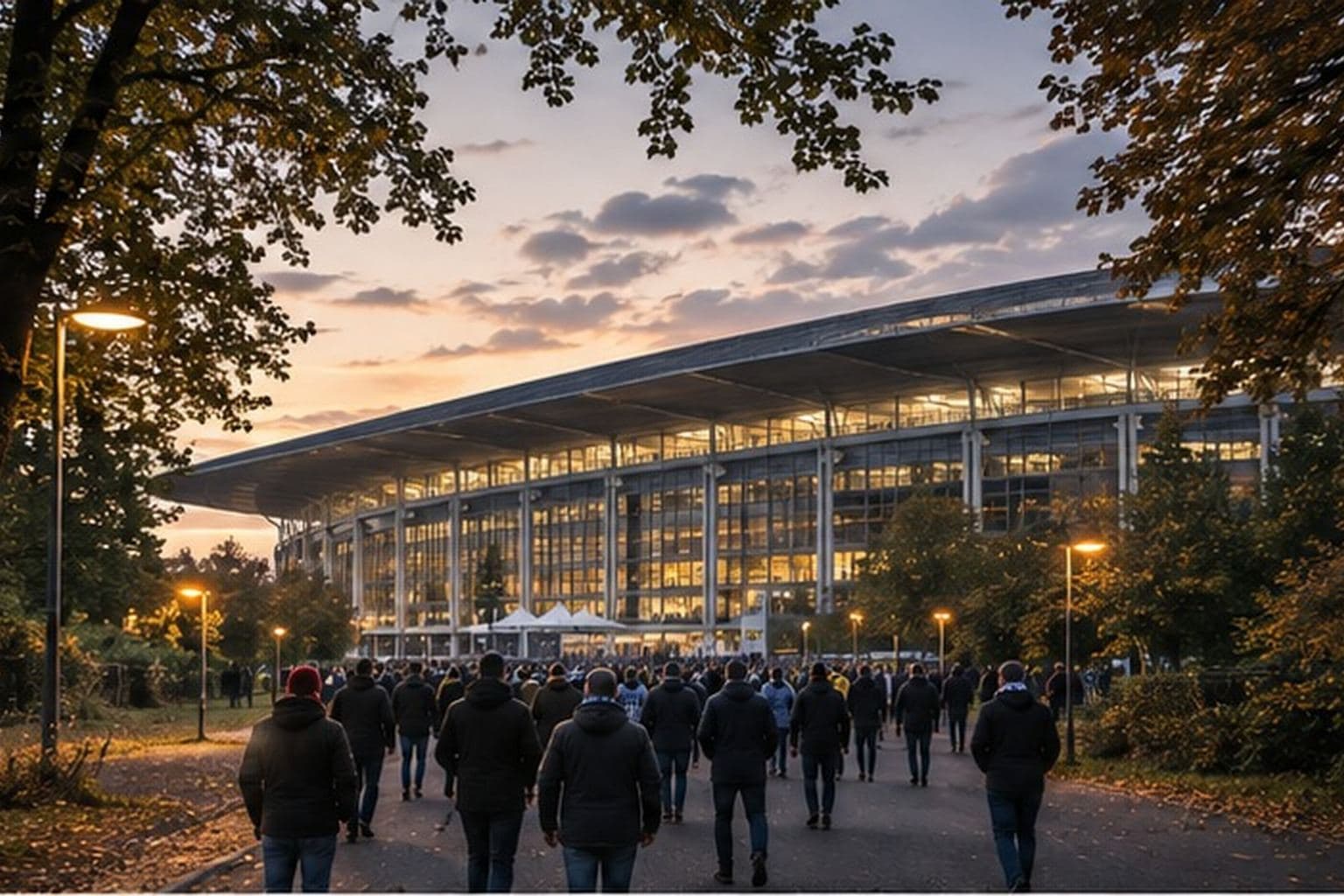
Borussia eventually moved to Borussia-Park in 2004.
The stadium changed.
The Foals did not.
VII
Why the Foals Still Matter
The players who created the nickname are long retired.
Yet the Foals remain everywhere.
The word Fohlen has become part of the language surrounding Borussia Mönchengladbach. It connects the modern club with the young team that first carried the name more than half a century ago.
That is what makes the nickname unusual.
It does not simply describe a mascot or a symbol.
It remembers a way of playing football.
Youth. Energy. Courage. Movement.
The characteristics that once reminded observers of young horses running freely across a field became characteristics Borussia wanted to recognise in itself.
And that is why, decades after that young team first galloped into German football, Borussia Mönchengladbach are still the Foals.
Continue Your Journey
Keep Exploring German Football.
Follow this story into its club, its football world and another chapter of German football culture.
Club World
Borussia Mönchengladbach World
The Foals of the Lower Rhine
Explore Club →
City World
Mönchengladbach World
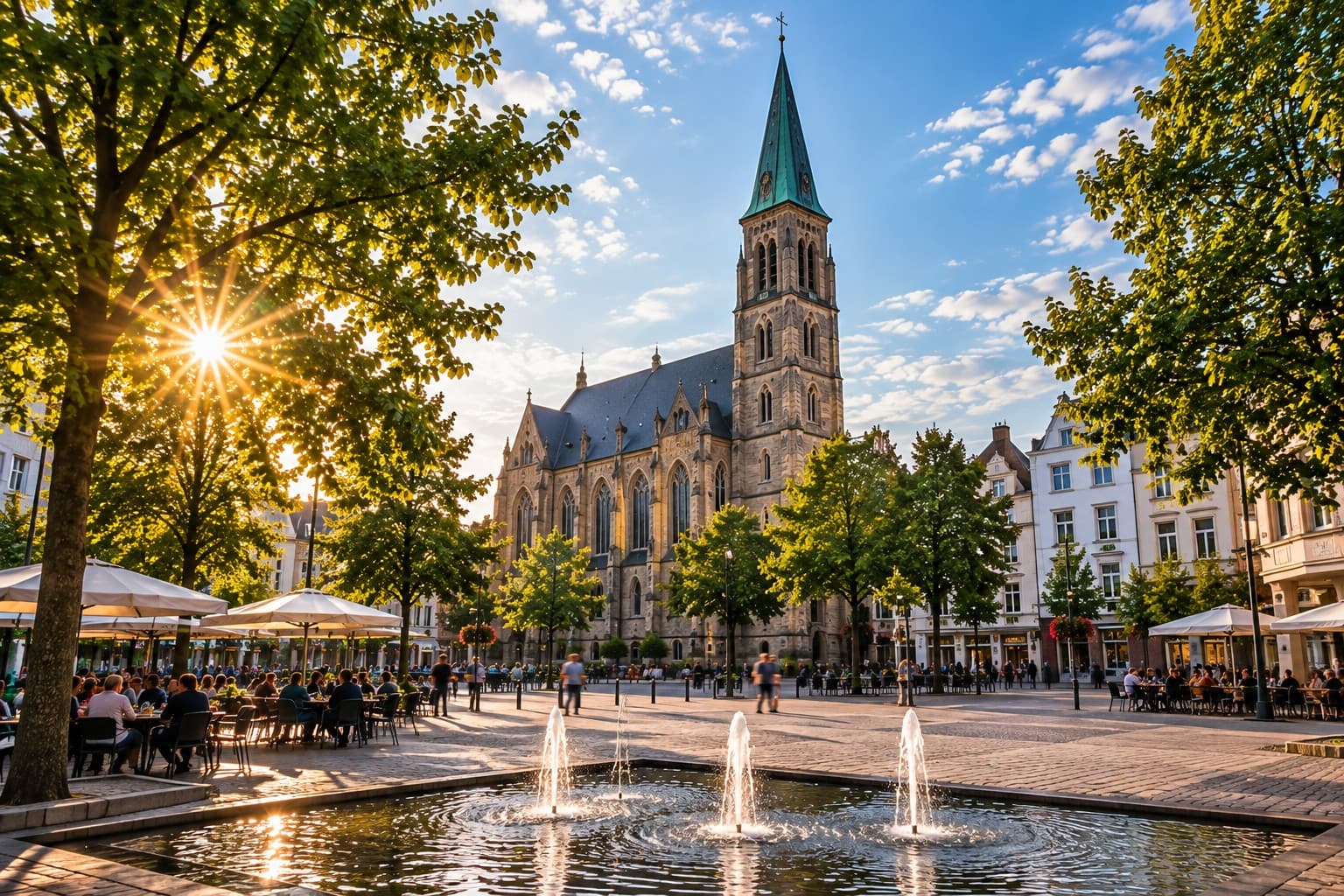
Discover a city whose identity is closely connected to Borussia, from the legacy of the Bökelberg to matchdays at Borussia-Park.
Explore World →
Another Club World
Eintracht Frankfurt World
Follow the Eagle
Explore Club →
Related Culture
The Rheinderby
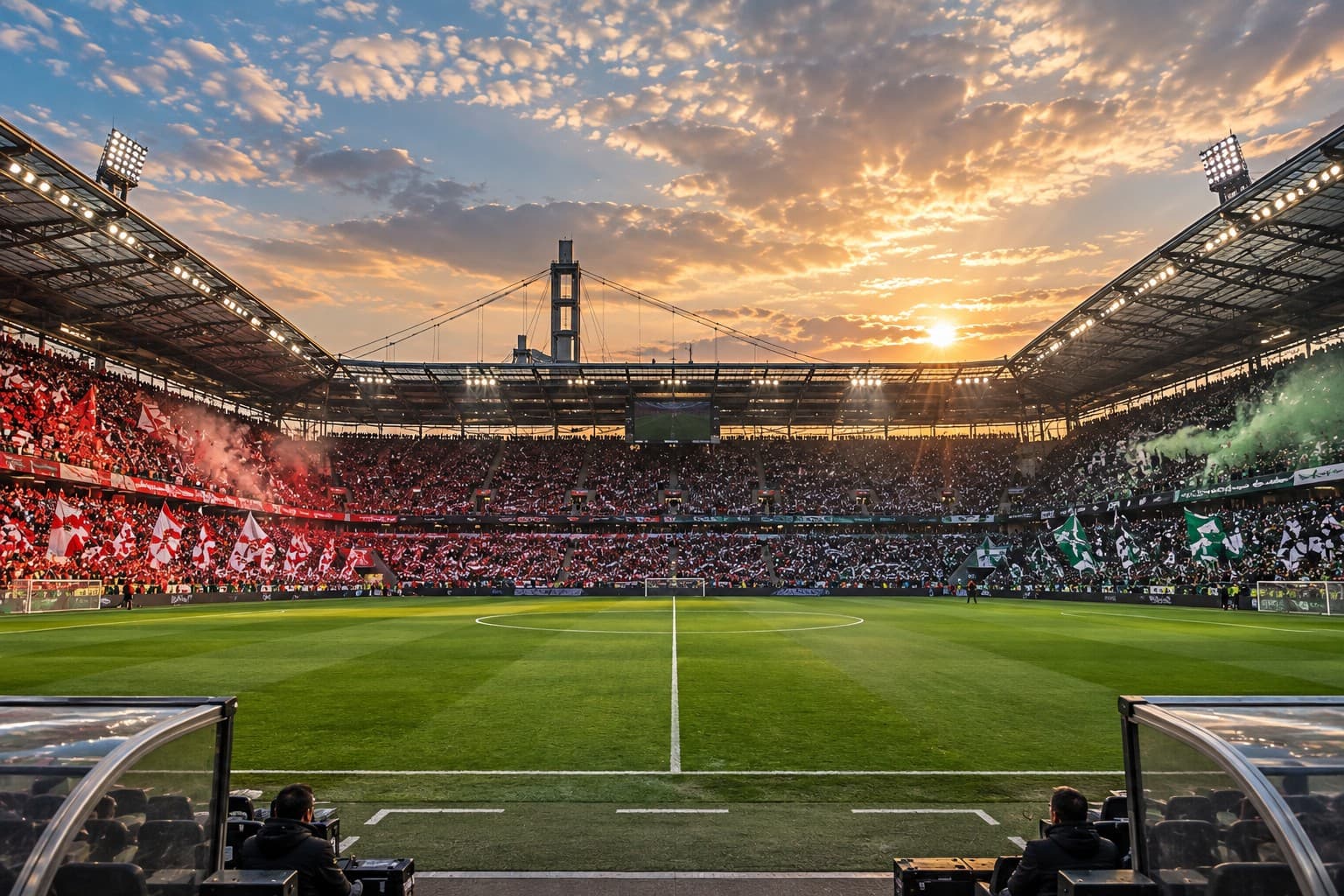
Cologne against Borussia Mönchengladbach: two neighbouring football worlds and one of the Rhineland's defining rivalries.
Read Story →