German Football Derbies
The Rheinderby
Cologne against Borussia Mönchengladbach. Two neighbouring football worlds and a rivalry shaped by geography, personalities and generations of competition.
Rhineland
I
A Rivalry Across the Rhineland
Some derbies divide a city.
The Rheinderby connects two.
Cologne and Mönchengladbach belong to the same wider football region, but their clubs represent distinct cities, traditions and identities. When 1. FC Köln and Borussia Mönchengladbach meet, those differences become part of the match.
The distance between the two stadiums is small enough for the rivalry to remain part of everyday life. Supporters live and work across overlapping football territories. Friends, colleagues and families can find themselves on opposite sides.
Derby day makes those boundaries visible.
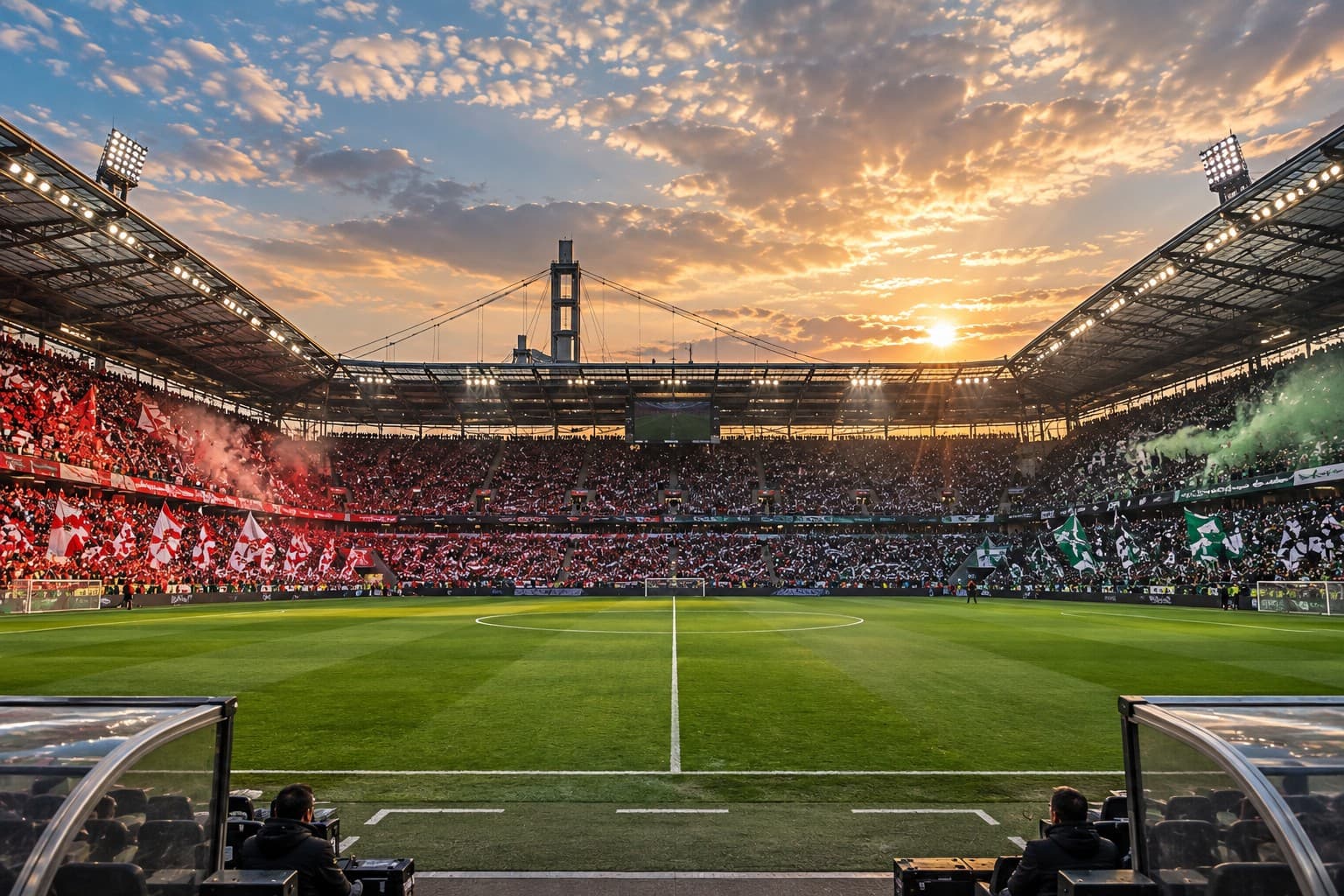
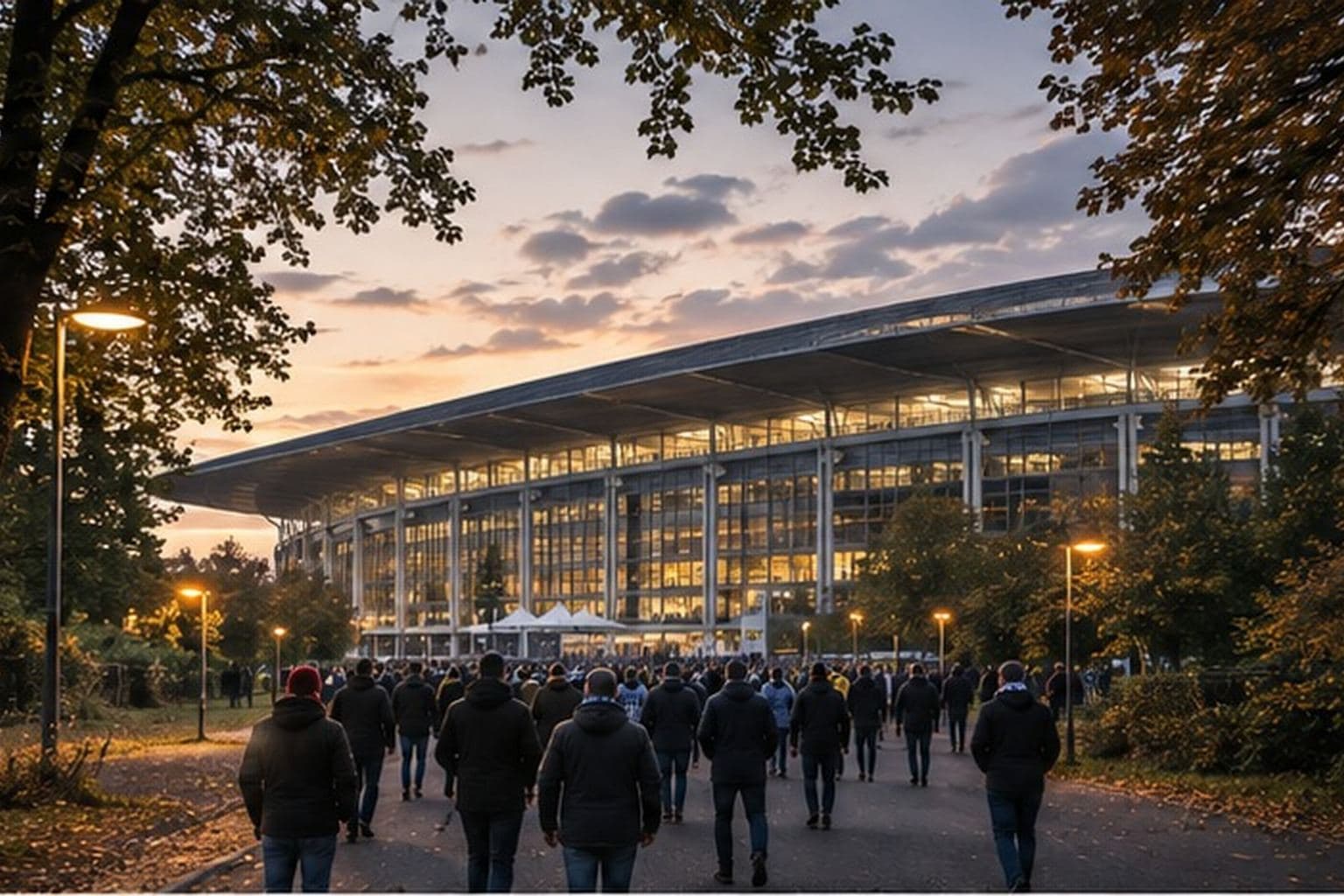
Red and white gather in Cologne. Black, white and green appear across the Lower Rhine. Trains and roads carry supporters between two neighbouring football worlds.
By kick-off, regional proximity has become sporting distance.
To understand why it matters, you have to understand how two clubs from the same region became competitors for far more than ninety minutes.
II
Before the Bundesliga
Köln and Mönchengladbach were playing one another long before the Bundesliga existed.
Their first competitive meetings came in the Oberliga West, the regional top division that formed part of West German football before the creation of a national Bundesliga.
At first, the balance was heavily tilted towards Cologne.
1. FC Köln had been formed in 1948 and quickly established itself as one of the strongest clubs in western Germany. The club represented a major city and entered the Bundesliga in 1963 as one of its founding members.
Köln immediately became the competition's first champion.
Mönchengladbach was still outside the new national league.
That difference might have preserved a clear regional hierarchy.
Instead, Borussia began to change.
III
The Weisweiler Connection
Few people connect the histories of the two clubs as closely as Hennes Weisweiler.
He had already played and coached in Cologne before taking charge of Borussia Mönchengladbach in 1964.
One year later, Gladbach reached the Bundesliga.
The first Bundesliga Rheinderby followed in November 1965. Köln won 3-2 in Mönchengladbach.
But Borussia was developing rapidly.
Weisweiler built a young, aggressive and technically gifted team. The style and age of the side helped create the identity of the Fohlenelf — the Foals.
Gladbach was no longer simply Cologne's smaller regional neighbour.
It became one of the strongest teams in Germany.
The transformation changed the relationship between the clubs. Regional proximity was now combined with direct competition for trophies, players, attention and status.
Years later, Weisweiler returned to Köln and led the club to the league and cup double in 1978.
IV
When the Rivalry Became National
The 1970s transformed the Rheinderby.
Borussia Mönchengladbach became one of the defining teams of the decade. Köln remained one of Germany's major football powers.
Their meetings were no longer simply regional fixtures.
They could decide trophies.
They could shape European campaigns.
And they brought together some of the most influential footballers of their generation.
Two names came to symbolise the contrast.
Wolfgang Overath in Cologne.
Günter Netzer in Mönchengladbach.
Both were exceptional midfielders. Both became central figures for their clubs and for West Germany. Their contrasting personalities added another layer to a rivalry already growing in intensity.
Then came one of the most famous cup finals in German football.
V
Netzer. 1973.
On 23 June 1973, Köln and Gladbach met in the DFB-Pokal final in Düsseldorf.
Günter Netzer began the match on the bench.
After ninety minutes, the score was 1-1.
During extra time, Netzer entered the match in circumstances that became part of German football folklore.
Moments later, he scored.
Gladbach won 2-1.
The image of Netzer entering the game and deciding the final became one of the defining stories of the rivalry.
But the importance of the period went beyond one dramatic afternoon. Köln and Gladbach were repeatedly meeting in league, cup and European competition.
The regional rivalry had reached the biggest stages available to German clubs.
VI
The Championship That Came Down to Goals
The 1977/78 season produced another extraordinary chapter.
Köln and Gladbach entered the final day level on points.
Köln held the advantage on goal difference.
Borussia needed not only to win, but to overturn that gap.
What followed became one of the strangest championship finales in Bundesliga history.
Gladbach defeated Borussia Dortmund 12-0 — still the largest victory in Bundesliga history.
On almost any other afternoon, it would have been enough to dominate the headlines.
But Köln was winning too.
A 5-0 victory away to St. Pauli preserved the goal-difference advantage and delivered the championship to Cologne.
The two rivals finished level on points.
Köln were champions.
VII
The Derby Today
The balance of German football has changed since the great battles of the 1970s.
The Rheinderby has not disappeared with them.
Generations of supporters inherited the rivalry from parents, grandparents, friends and neighbourhoods. New matches added new memories to the old ones.
Some were dramatic.
Some were painful.
Some mattered because of league position.
Others mattered simply because they were derbies.
In March 2026, Köln and Gladbach played their 100th Bundesliga meeting. It ended 3-3 — another six-goal chapter in a rivalry that has repeatedly produced unpredictable afternoons.
For a visitor, that history changes the experience of the match.
The stadium is only one part of derby day.
The journey matters. The colours in the stations matter. The conversations before kick-off matter. So does the knowledge that supporters from the other side are never very far away.
Köln and Gladbach share a region.
Football gives them different worlds.
Continue Your Journey
Keep Exploring German Football.
Follow this story into its club, its football world and another chapter of German football culture.
Club World
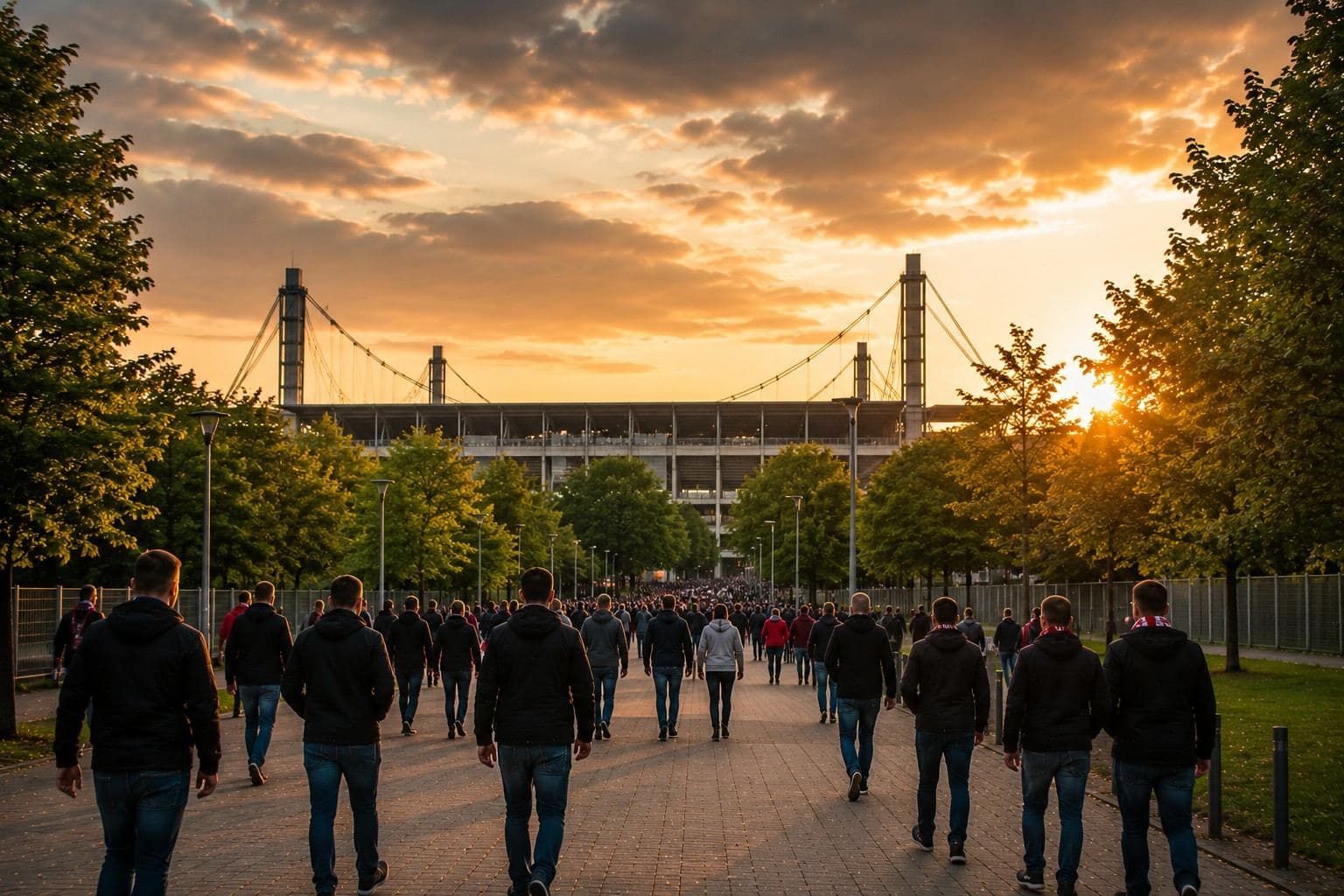
1. FC Köln World
Where Football Feels Like Carnival
Explore Club →
Region World
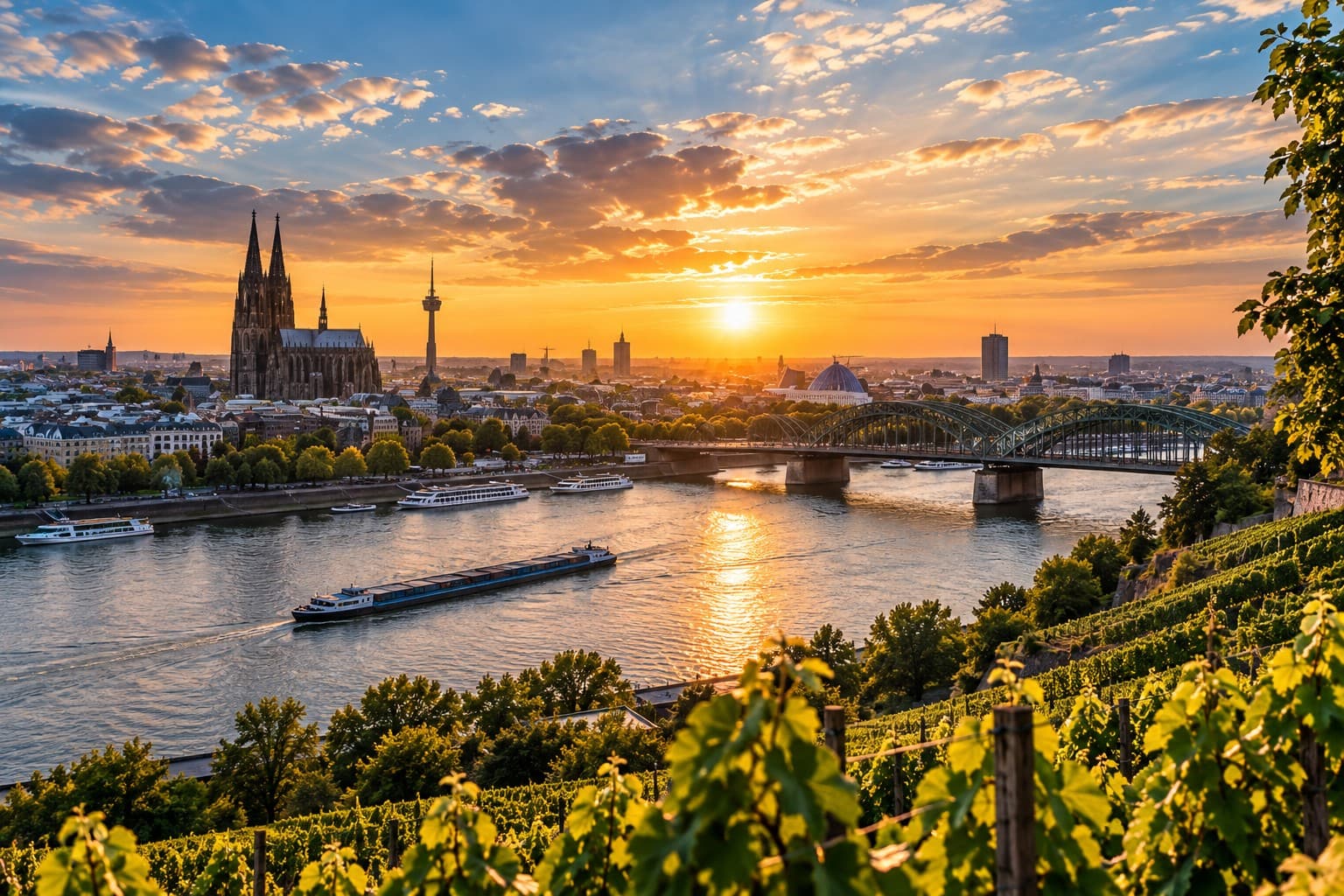
Rhineland World
Explore a football region shaped by neighbouring cities, strong local identities and some of Germany's most distinctive rivalries.
Explore World →
Another Club World
Eintracht Frankfurt World
Follow the Eagle
Explore Club →
Related Culture
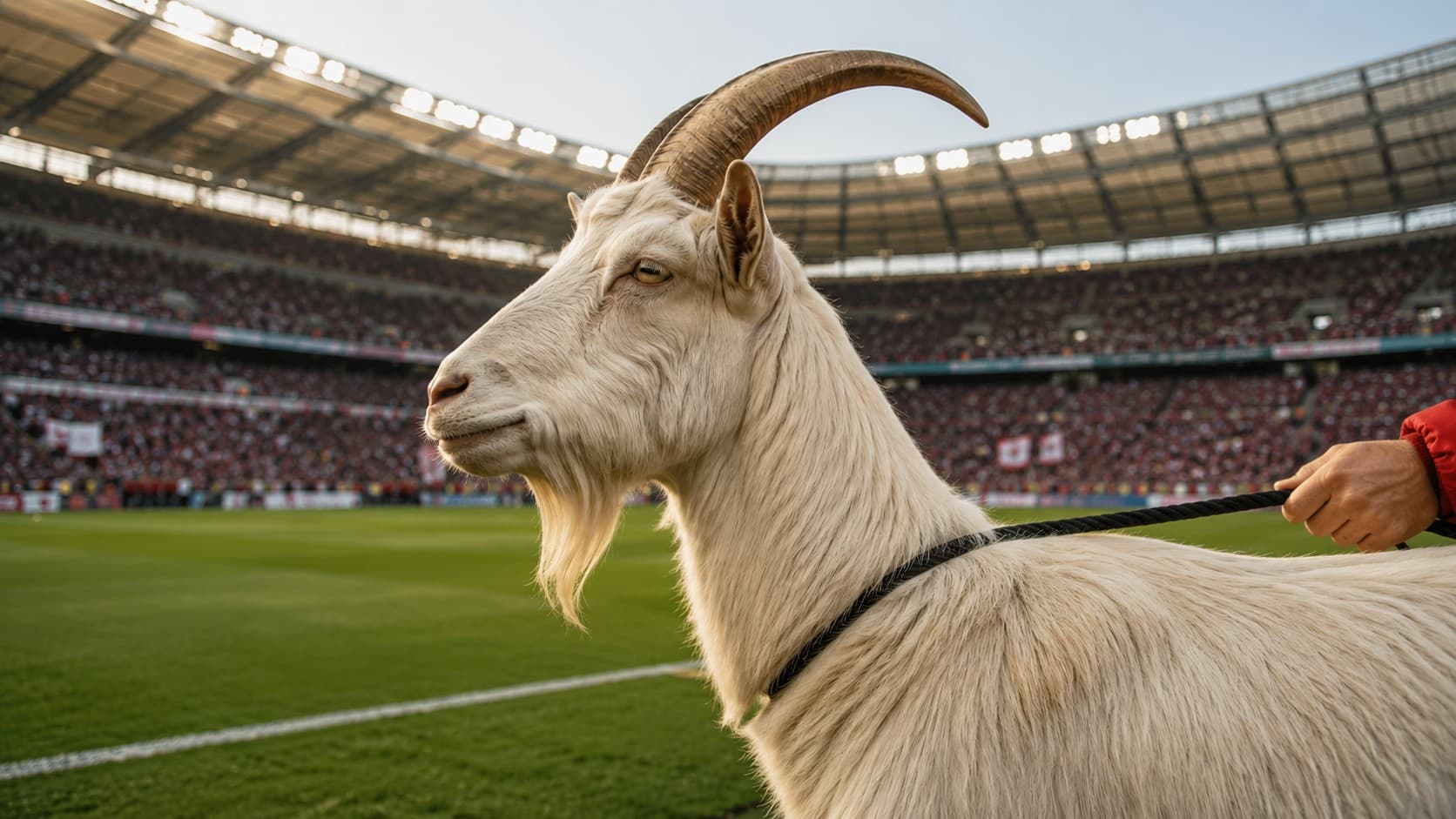
Hennes
What began as a carnival gift became a living symbol that has accompanied 1. FC Köln through nine generations.
Read Story →