Club Identity
From Factory Roots to Champions
How a sports club created by Bayer workers grew into one of German football's defining modern clubs without losing its connection to Leverkusen.
Leverkusen · Bayer 04
I
A Club Born From A Factory
Some football clubs grew from neighbourhoods. Others from schools, churches or local associations.
Bayer 04 Leverkusen began with workers.
In 1903, employees of the Bayer company wrote to company management asking for support in establishing a sports club. The following year, the organisation that would eventually become Bayer 04 Leverkusen was founded.
That origin created a relationship between company, club and place that would remain central to Bayer 04's identity for more than a century.
To understand Bayer 04, you therefore need to understand Leverkusen itself.
II
Before Leverkusen Became A City
The connection between Bayer and Leverkusen reaches beyond football.
The Bayer company moved major parts of its operations to the area at the end of the nineteenth century, helping transform a collection of smaller communities along the Rhine.
Modern Leverkusen was officially created as a city in 1930.
By then, the sports organisation associated with Bayer workers had already existed for more than twenty-five years.
That chronology matters.
Bayer 04 is not simply a football club carrying the name of a company. Its history developed alongside the place that became Leverkusen.
III
The Werkself
The relationship between club and company is captured in one of Bayer 04's most familiar descriptions: Werkself.
Literally, the term refers to a factory team.
In German football, however, the word carries a much larger history. It connects modern Bayer 04 with the workers who first organised sport around the Bayer factory more than a century ago.
What began as company sport eventually developed into professional football at the highest level.
The scale changed dramatically. The historical reference remained.
IV
Building A Football Club
Bayer 04's route towards the top of German football was gradual.
For much of the twentieth century, Leverkusen was far removed from the country's traditional football centres.
The decisive breakthrough came in 1979, when Bayer 04 reached the Bundesliga for the first time.
Promotion changed the scale of football in Leverkusen.
The club was now competing nationally against institutions with much larger supporter bases, longer top-flight histories and stronger football reputations.
Staying there required Bayer 04 to become something more than a successful works team.
V
Europe Changes The Story
Less than a decade after establishing itself in the Bundesliga, Bayer 04 achieved its first major international breakthrough.
In 1988, Leverkusen reached the UEFA Cup final against Espanyol.
After losing the first leg 3–0 in Barcelona, Bayer 04 produced a remarkable comeback in the return match and eventually won the trophy on penalties.
It was the club's first major title.
More importantly, it demonstrated that a club from industrial Leverkusen could compete on the European stage.
VI
A Different Kind Of Football City
Leverkusen has never looked like one of Germany's traditional football capitals.
The city is smaller than Cologne, Düsseldorf, Hamburg, Munich or Berlin. Its football club does not draw its identity from representing a vast metropolitan centre.
Instead, Bayer 04's identity remains unusually concentrated.
The BayArena, the city and the wider Bayer landscape sit close together. The historical relationship between them is visible in a way that is difficult to separate.
For a football traveller, that makes Leverkusen interesting precisely because it offers a different model of German football culture.
This is not football built around the mythology of a huge city. It is football built around a very specific local history.
VII
From Outsider To Established Force
Over the following decades, Bayer 04 became increasingly difficult to describe as an outsider.
The club regularly competed near the top of the Bundesliga and returned repeatedly to European competition.
In 1993 came the DFB-Pokal. In 2002, Leverkusen reached the Champions League final.
Yet sporting success also created a strange contradiction.
Bayer 04 had become one of Germany's strongest football teams, but repeated near misses increasingly defined the national story told about the club.
That story would eventually produce a label more famous than many of the achievements that preceded it: Vizekusen.
VIII
The Roots Remain
The answer eventually arrived in 2024.
Bayer 04 won the Bundesliga for the first time and completed the league season without a defeat.
The achievement transformed the sporting narrative around the club.
But it did not change where Bayer 04 came from.
More than a century after Bayer workers first organised a sports club, the connection between company, city and football remains central to understanding Leverkusen.
The modern club competes on a global stage. Its stadium hosts Bundesliga and European football. Its players and supporters have celebrated achievements the founders could hardly have imagined.
Yet the simplest description still reaches back to the beginning.
Continue Your Journey
Keep Exploring German Football.
Follow this story into its club, its football world and another chapter of German football culture.
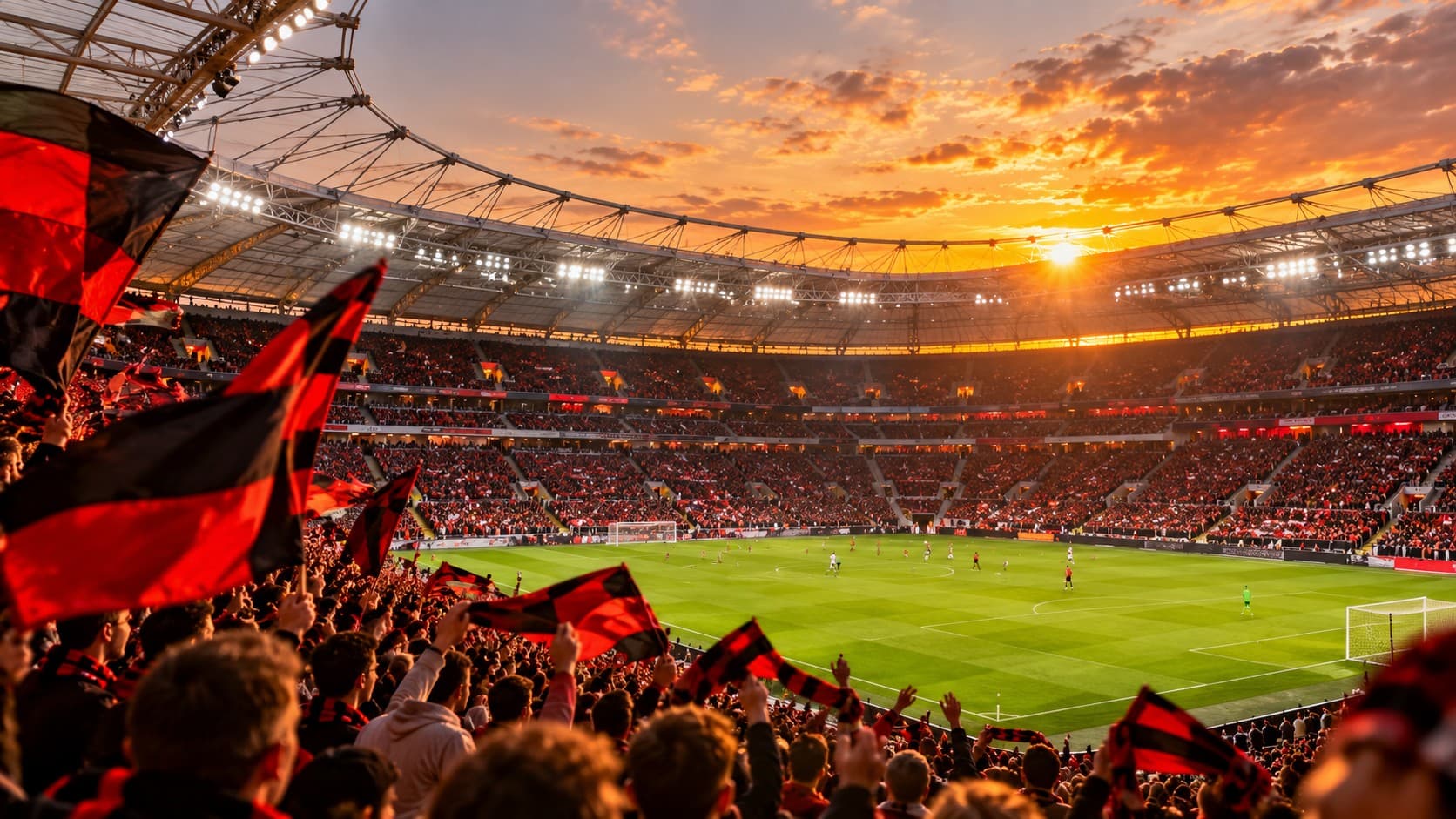
Club World
Bayer 04 Leverkusen World
Football with Factory Roots
Explore Club →
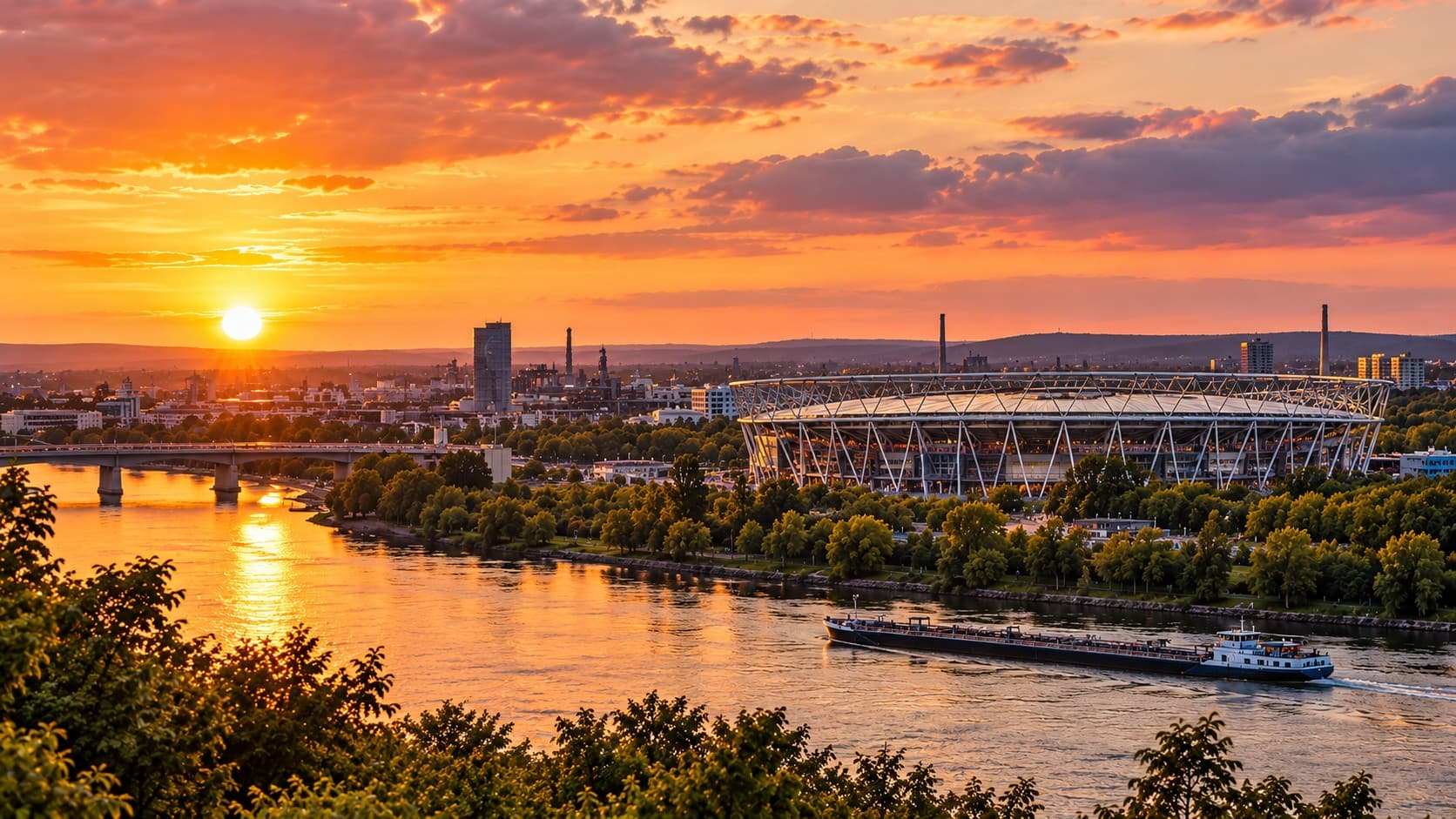
City World
Leverkusen World
Discover a compact football city on the Rhine shaped by Bayer 04, industrial roots and more than a century of football history.
Explore World →
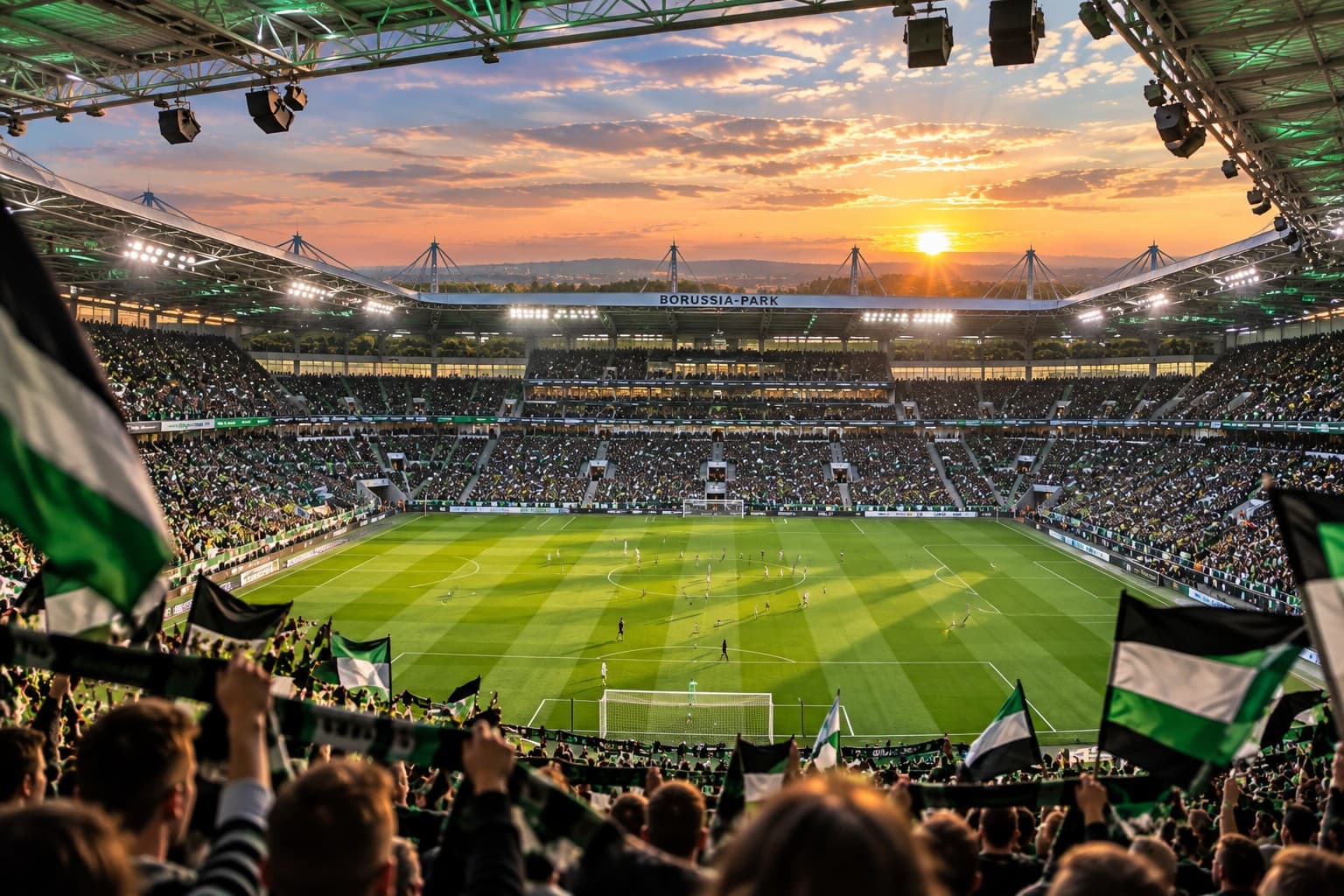
Another Club World
Borussia Mönchengladbach World
The Foals of the Lower Rhine
Explore Club →
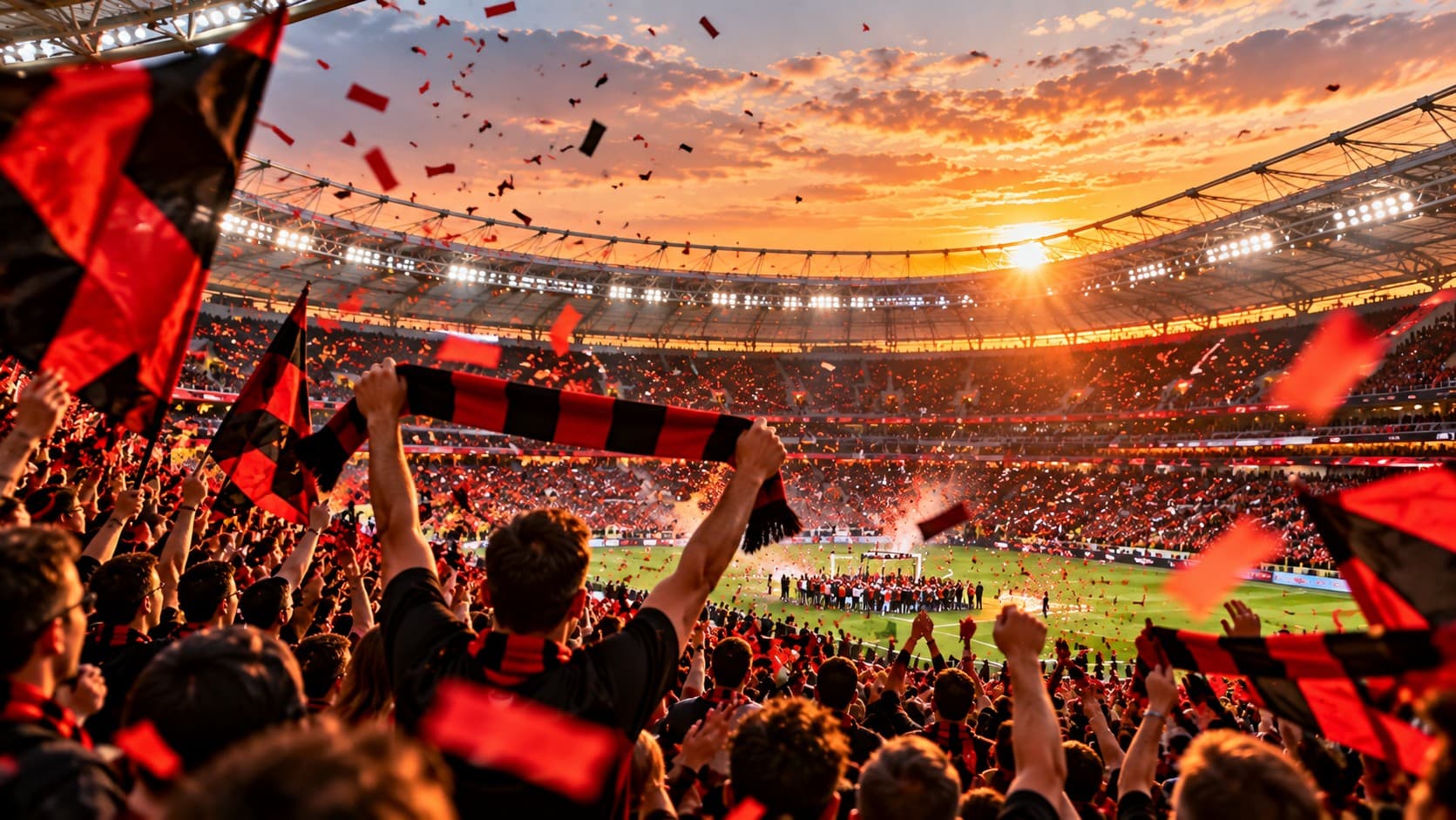
Related Culture
From Vizekusen to Champions
How years of painful near misses created the Vizekusen legend — and how Bayer 04 finally rewrote the story with an unbeaten championship season.
Read Story →