Club Identity
Football, Fastnacht and Local Roots
How Mainz 05 turned local culture, self-irony and a strong sense of place into one of German football's most distinctive club identities.
Mainz · Mainz 05
I
A Club That Feels Like Its City
Some football clubs can be understood through trophies. Others through enormous stadiums, global audiences or decades of success.
Mainz 05 makes more sense when you understand Mainz.
The club grew in a relatively compact city on the Rhine, surrounded by the traditions and character of Mainz and Rheinhessen. For much of its history, it existed far away from the centre of German football power.
That position helped create an identity that was local before it was national.
Community, humour, self-irony and the culture of the city became part of how supporters understood their football club.
II
Before The Bundesliga
Mainz 05 was not built as one of Germany's traditional football giants.
For years, the club's football world was centred on the Bruchwegstadion and the second tier of German football.
Crowds were smaller, resources were limited and Bundesliga football often felt distant.
During the 1990s and early 2000s, however, something began to change. The club became increasingly competitive while the Bruchweg developed a reputation for atmosphere and closeness between team and supporters.
Two dramatic promotion attempts ended in disappointment before Mainz finally reached the Bundesliga in 2004.
The achievement changed the scale of the club, but many of the ideas that had developed before promotion travelled with it.
III
The Carnevalsverein
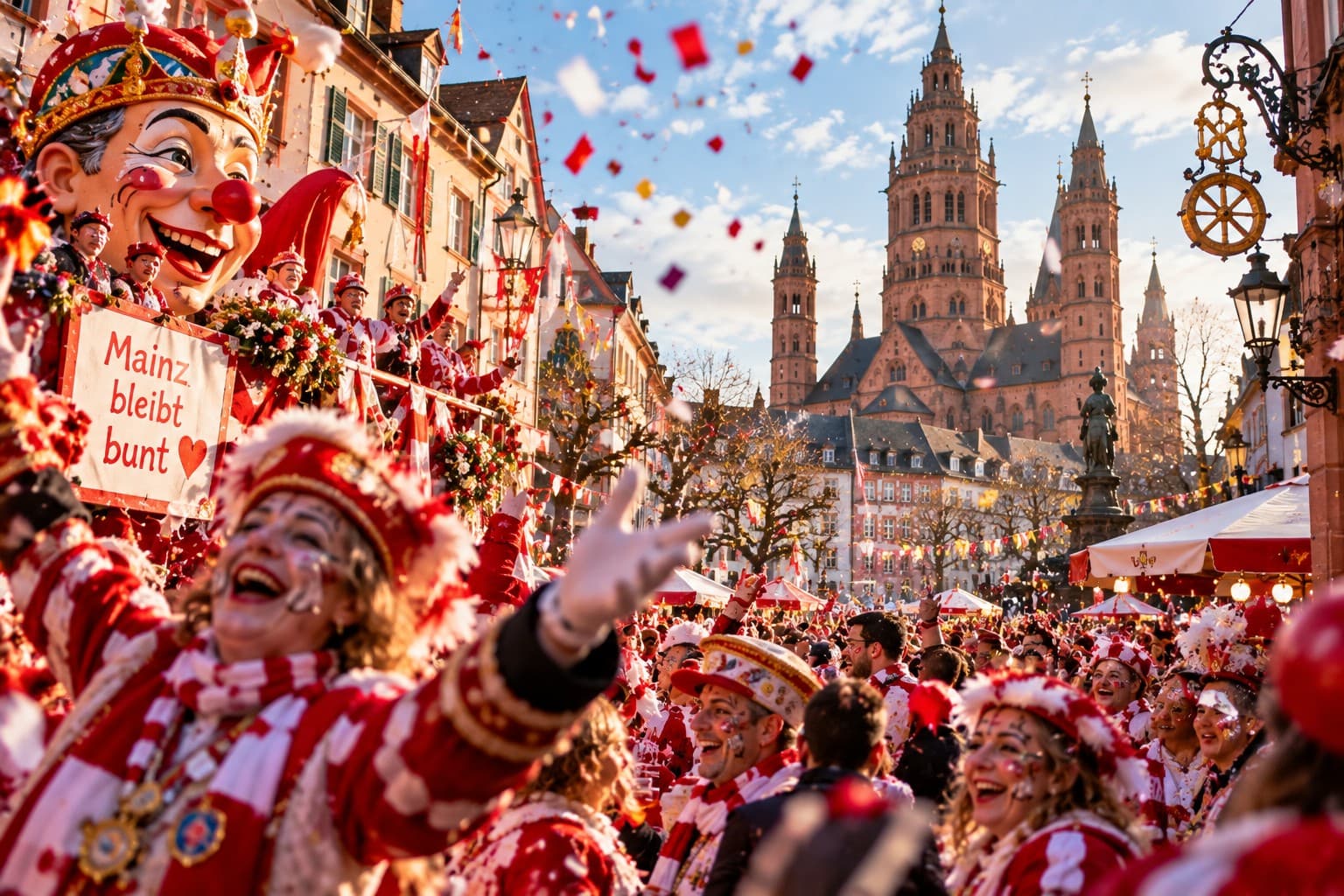
Mainz is one of Germany's great Fastnacht cities.
Every year, the fifth season transforms streets, halls and public spaces across the city. But Mainzer Fastnacht is more than costumes and celebration.
Humour, satire, self-irony and the willingness to challenge authority have long been part of the tradition.
Mainz 05 did not keep that culture outside the stadium.
At the Bruchweg, supporters embraced the description of their club as a Karnevalsverein rather than treating it simply as an insult.
The phrase became a form of self-definition: a small club from a carnival city that did not need to behave like football's established powers in order to belong among them.
IV
Fastnacht In The Football Club
The connection between Fastnacht and Mainz 05 did not disappear when the club became established in the Bundesliga.
It became part of the club's formal understanding of itself.
Mainz 05's identity explicitly connects the football club with the city's Fastnacht tradition and the wider culture of Mainz and Rheinhessen.
That connection is most visible during the fifth season. The club stages a traditional Fastnacht home match, and carnival colours, music and customs enter the football environment.
Yet the more interesting connection exists beyond one fixture.
The humour, self-irony and local pride associated with Fastnacht also help explain how Mainz 05 presents itself throughout the year.
V
The Bruchweg Years
The Bruchwegstadion provided the setting in which much of modern Mainz 05 culture developed.
It was compact, imperfect and increasingly stretched as the club became more successful.
But those limitations also helped create closeness.
Supporters stood near the pitch. The stadium grew piece by piece. Promotion battles, relegation fights and the emergence of a new fan generation all took place in the same relatively small football environment.
In 2004, the Bruchweg became the scene of Mainz 05's first promotion to the Bundesliga after two agonising near misses.
Thousands celebrated inside the stadium before the party spread through Mainz.
VI
Growing Without Leaving Mainz Behind
Bundesliga football eventually made the Bruchweg too small for what Mainz 05 had become.
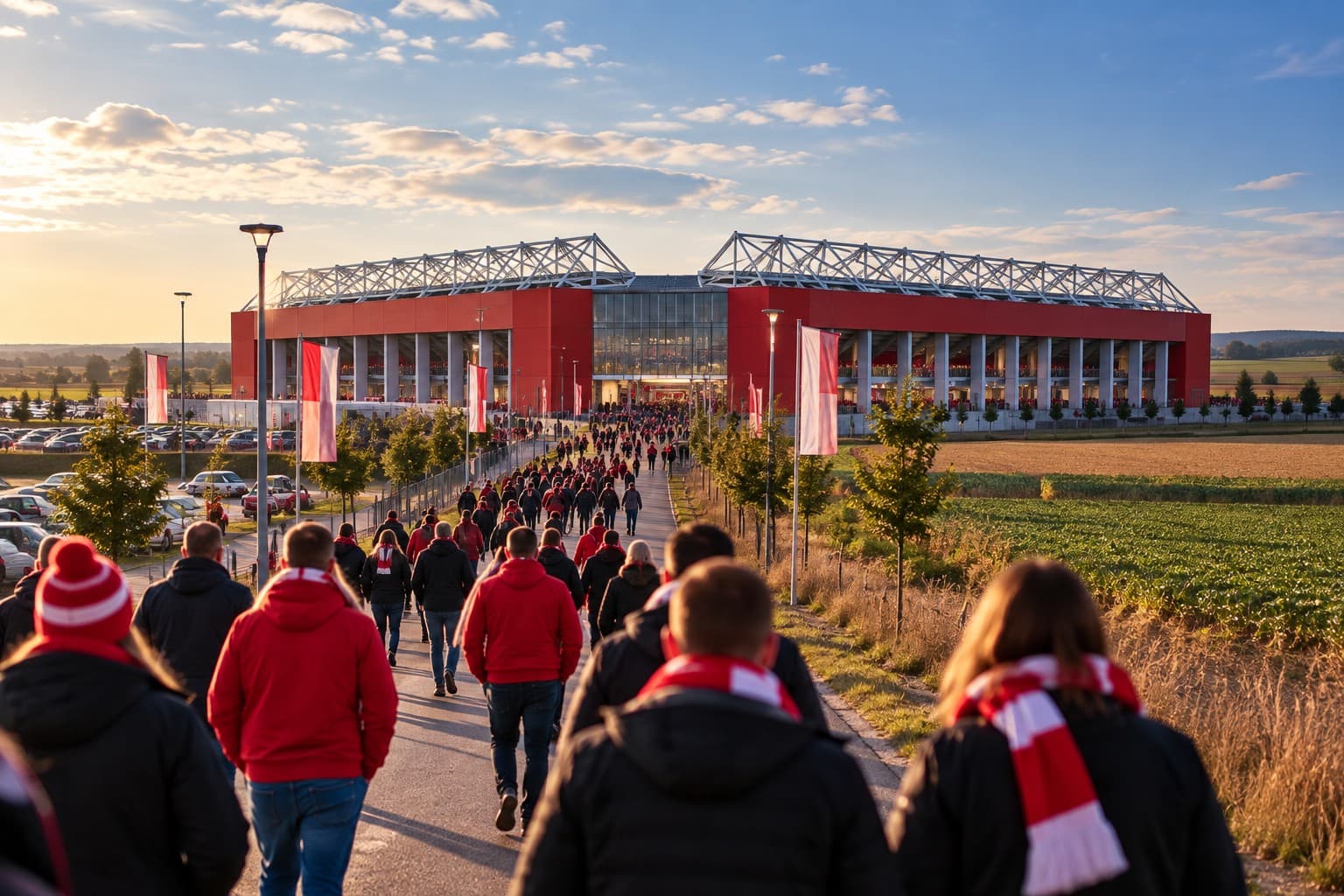
In 2011, the professional team moved to a new stadium on the western edge of the city.
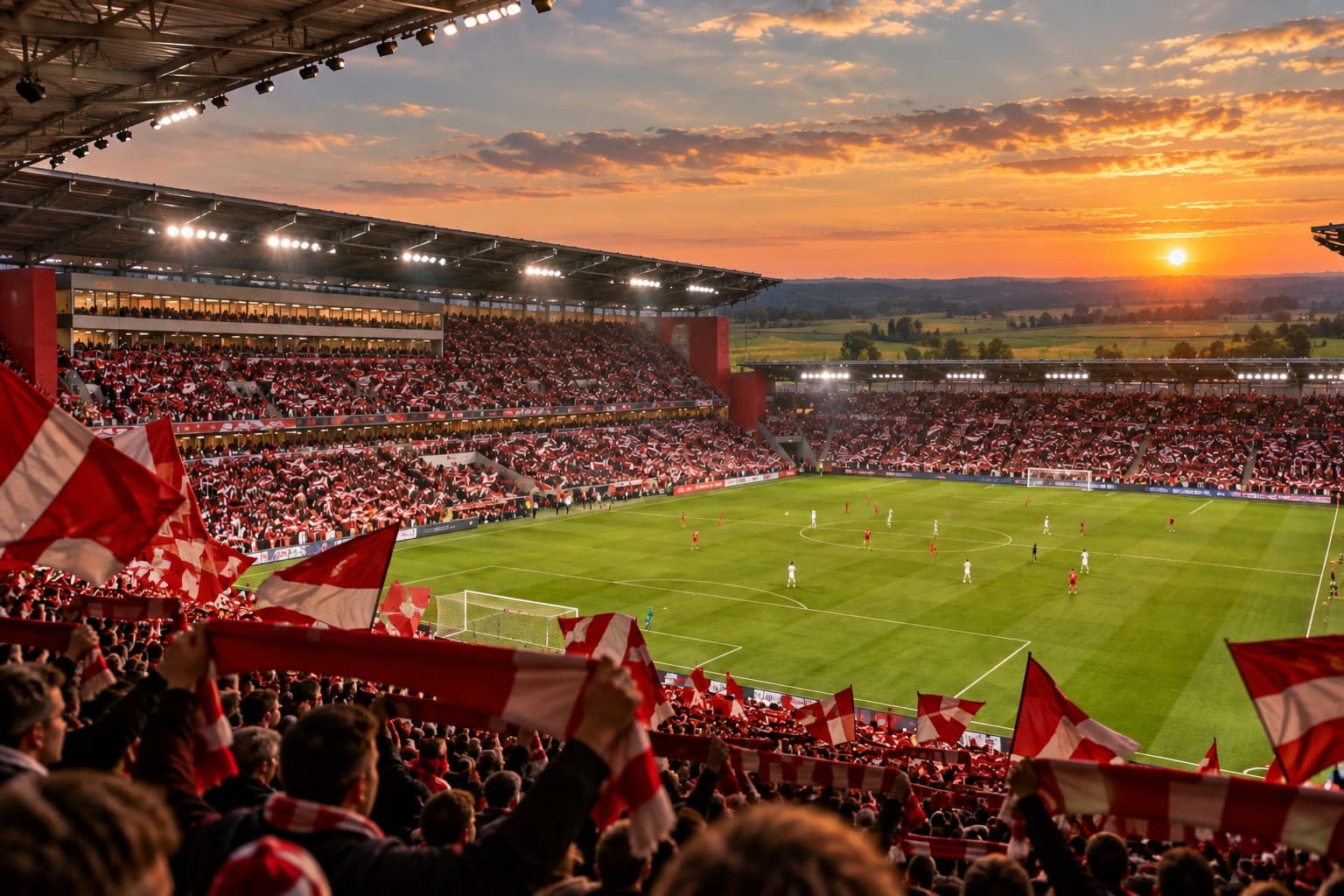
The move changed the physical scale of Mainz football. More than 30,000 supporters could now attend home matches in a purpose-built Bundesliga ground.
But moving stadiums created the same question faced by many growing clubs.
Could Mainz 05 become bigger without becoming detached from the place that created it?
The Bruchweg remained part of the club, while the new stadium became the stage on which the same local identity had to operate at a much larger scale.
VII
More Than One Fastnacht Match
The relationship between football and Fastnacht remains visible in modern Mainz.
The annual Fastnacht home match brings the traditions of the city directly into the stadium.
In 2026, the connection extended back to the Bruchweg when Mainz 05 held its first Fastnacht singing event there together with the Mainzer Hofsänger.
Supporters in costume sang Fastnacht songs inside the old football ground — a setting that connected the city's carnival culture with one of the most important places in the club's history.
It illustrated why the relationship is deeper than a themed Bundesliga fixture.
Football and Fastnacht occupy some of the same cultural space in Mainz.
VIII
Local Roots
Mainz 05 is no longer the small second-division club that first built its modern identity at the Bruchweg.
The stadium is larger. The audience is larger. Bundesliga football has become familiar rather than extraordinary.
Yet the club continues to define itself through ideas that make sense only in relation to its home.
Mainz, Rheinhessen, Fastnacht, community and the memory of the Bruchweg are not separate pieces of branding.
Together, they explain why Mainz 05 feels different from a football club that could simply exist anywhere.
For a visitor, that may be the most important thing to understand before going to a match.
Continue Your Journey
Keep Exploring German Football.
Follow this story into its club, its football world and another chapter of German football culture.
Club World
Mainz 05 World
Football with Local Roots
Explore Club →
City World
Mainz World
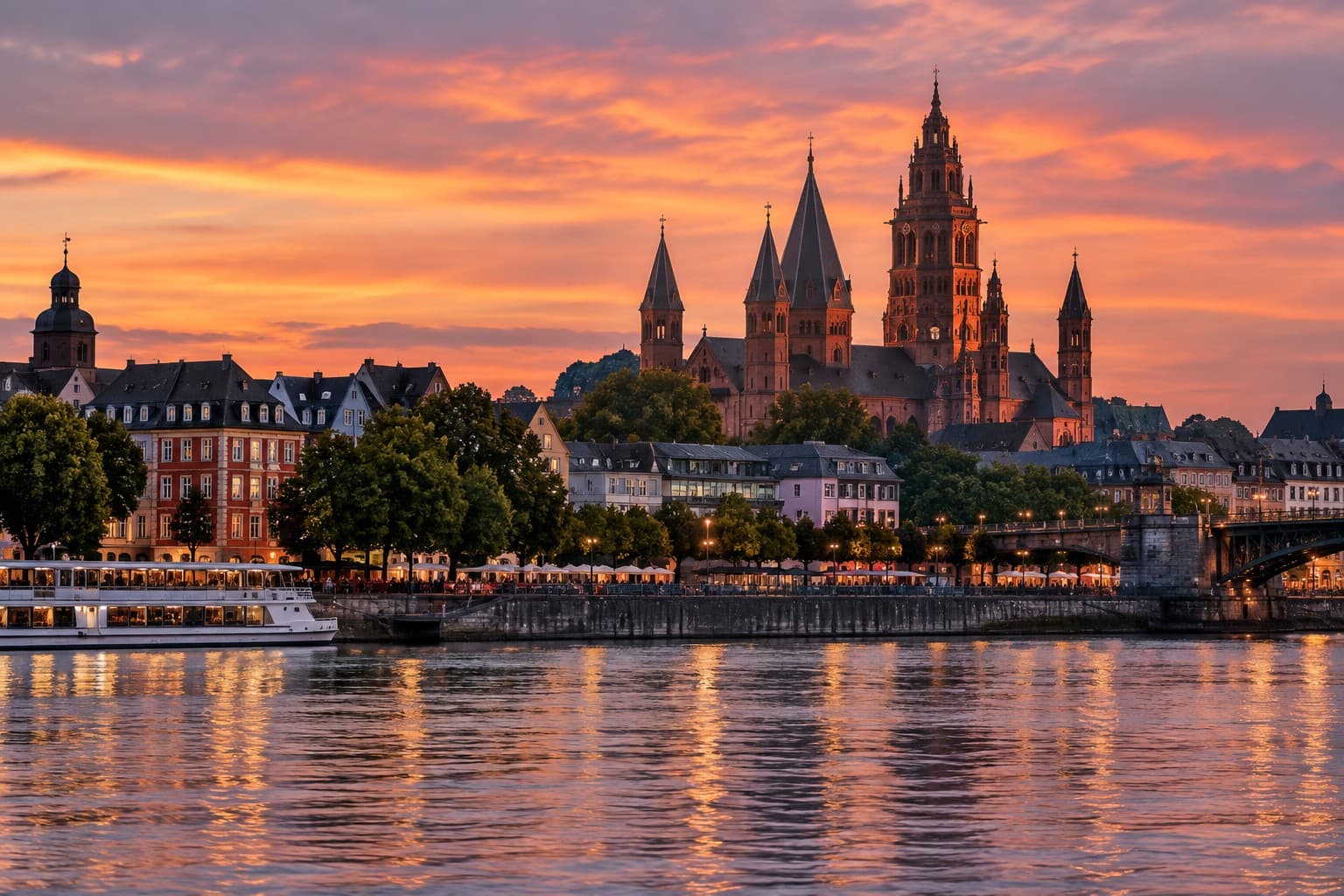
Discover a historic football city on the Rhine shaped by Mainz 05, Fastnacht traditions and a strong local identity.
Explore World →
Another Club World
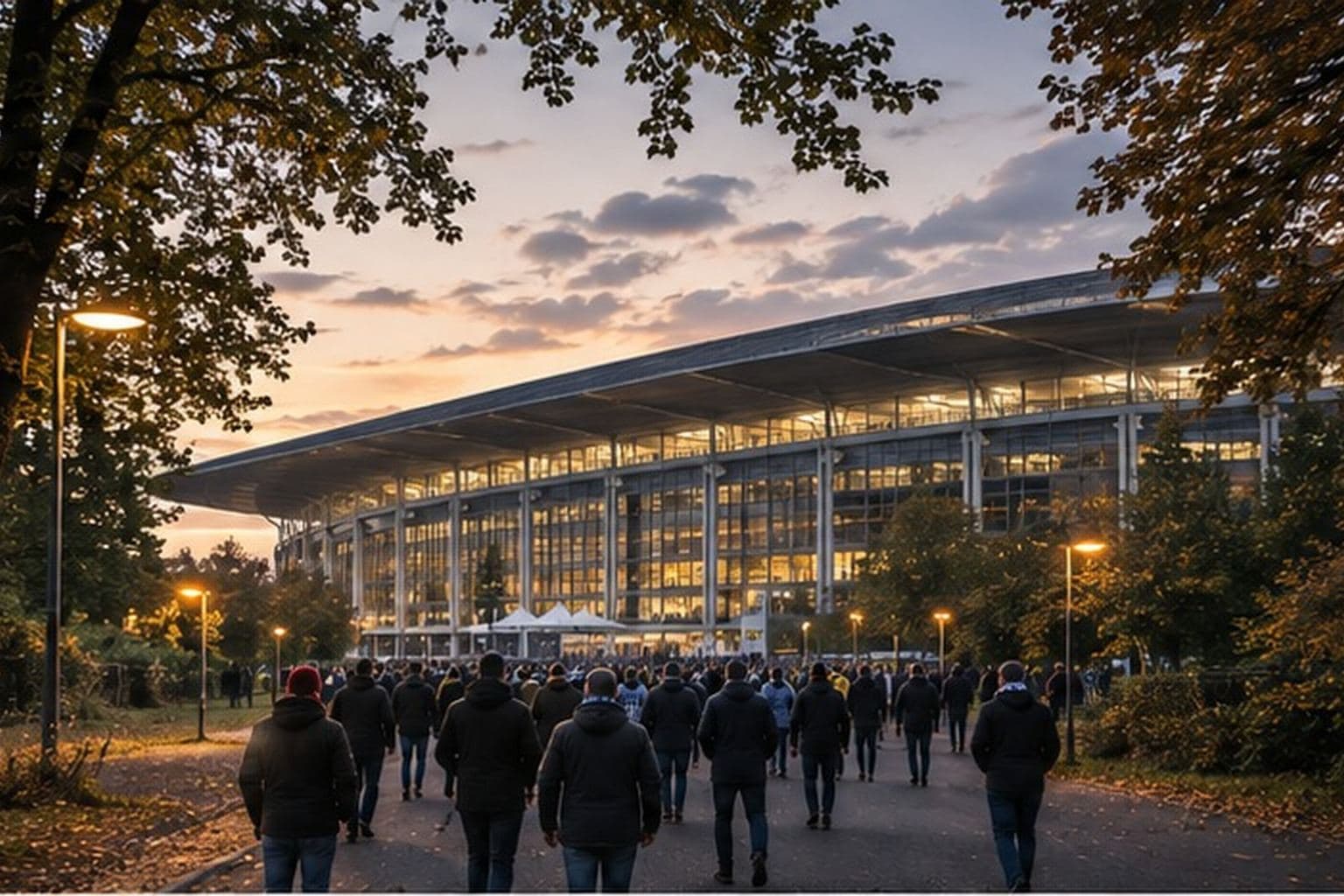
Eintracht Frankfurt World
Follow the Eagle
Explore Club →
Related Culture
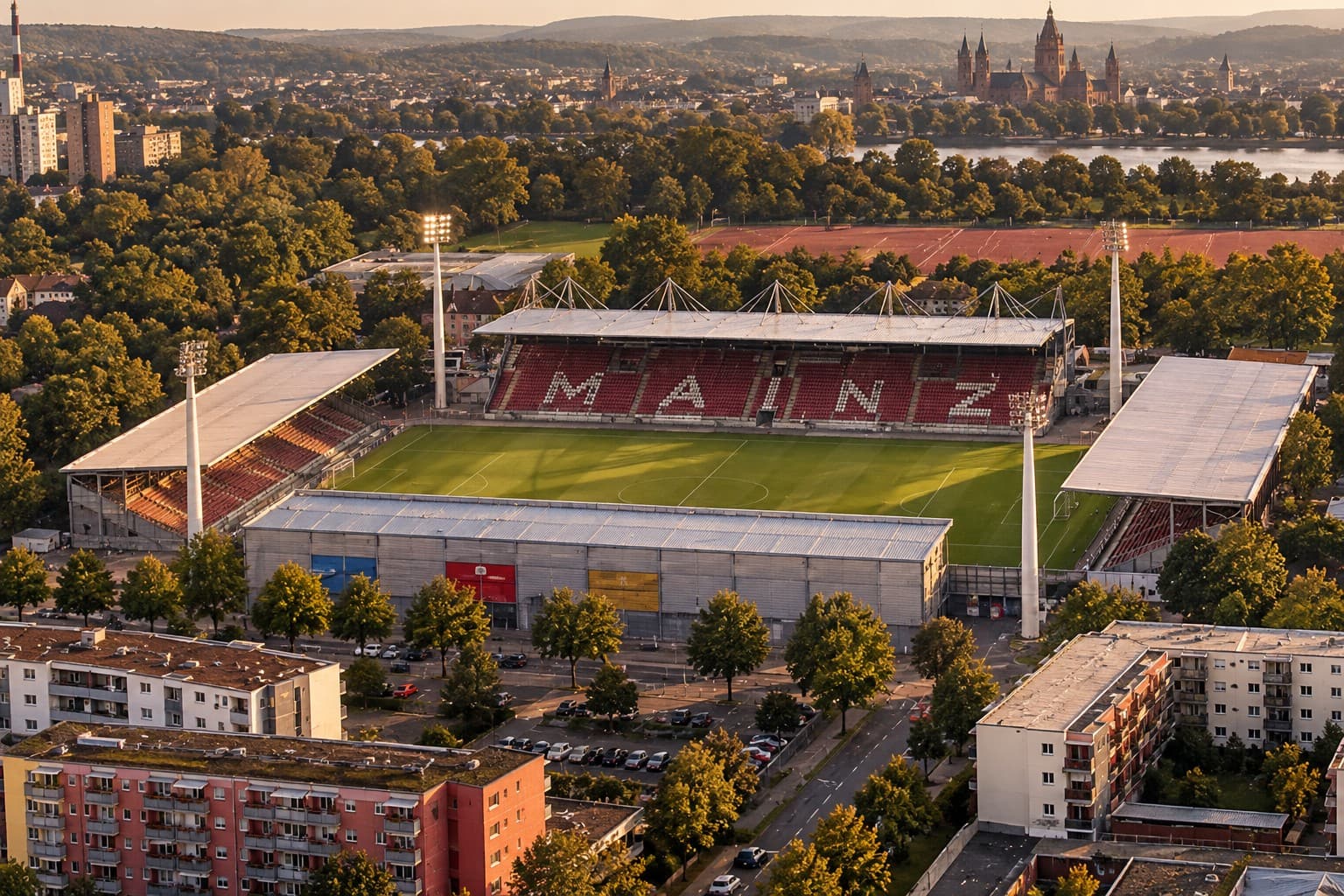
From Bruchweg to MEWA ARENA
Two football homes tell the story of how Mainz 05 grew from a close-knit local club into an established Bundesliga presence.
Read Story →