Usually Available
- • Most Bundesliga home fixtures
- • Midweek matches
- • Lower-profile opponents
Matchday Guide
Experience modern football inside one of Germany's most architecturally unusual stadium settings.
Overview
RB Leipzig is one of the most significant new forces in German football. Founded in 2009, the club rose from the fifth tier to the Bundesliga and regular Champions League participation in less than fifteen years.
Home matches take place at the Red Bull Arena in the west of Leipzig. The club's rapid rise has made it one of the most watched and debated teams in Germany, while the stadium offers a modern, accessible and high-quality matchday experience.
Tickets
Leipzig has grown its fanbase rapidly alongside its sporting success. Tickets are generally easier to obtain than at many other leading Bundesliga clubs, although major domestic and European fixtures can sell out quickly.
Always purchase through official channels. For Champions League knockout matches and major Bundesliga fixtures, book as early as possible.
Stadium
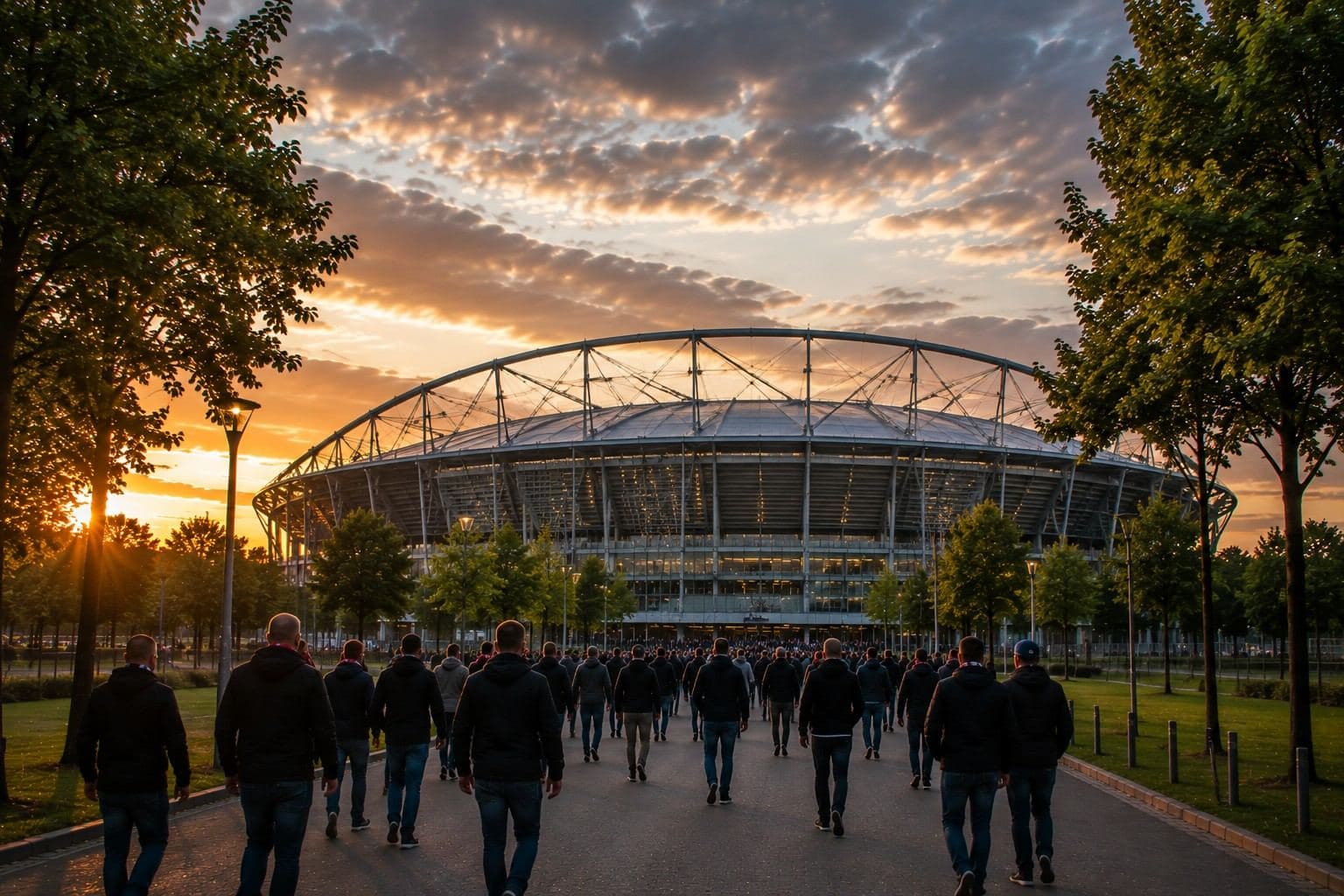
The Red Bull Arena was constructed inside the remains of the former Zentralstadion, a vast stadium dating from the era of the German Democratic Republic.
The old earth embankment remains around the modern inner bowl, creating a distinctive moat-like setting. This combination of old and new makes the stadium one of the most unusual architectural environments in German football.
The modern arena opened in 2004 and has since been upgraded. Its fully roofed four-stand design provides strong sightlines and modern facilities throughout.
The home of Leipzig's most active supporters, with standing areas, flags and organised singing.
A seated area with excellent sightlines, modern facilities and strong access to hospitality areas.
A comfortable seated option with good views, recommended for families and first-time visitors.
Leipzig's Football Story
Leipzig has a long and complicated football history. The city was home to important East German clubs and the original Zentralstadion, once one of the largest stadiums in Europe.
RB Leipzig represents a new chapter. Its ownership model, accelerated development and commercial structure have generated intense debate throughout German football.
Modern Football
A visit to Leipzig provides insight into one of the central tensions within the modern Bundesliga: the relationship between historic club structures and new investment-driven models.
Understanding this debate adds important context to the matchday and makes Leipzig one of Germany's most interesting football destinations.
Attendance & Atmosphere
The stadium regularly attracts crowds close to capacity for high-profile fixtures. Leipzig has built a new generation of supporters across the city and the wider Saxony region.
The compact bowl and roof concentrate the sound effectively. Champions League matches and fixtures against leading Bundesliga clubs produce the strongest atmosphere.
Pre-Match Tradition
The Nordkurve begins the organised singing before kick-off, with the rest of the stadium joining for major fixtures.
The UEFA anthem, floodlights and compact arena create a sense of occasion that rivals many older European football venues.
Getting There
From Leipzig Hauptbahnhof, take Tram 11 or 15 towards Lausen or Miltitzer Allee and alight at Sportforum Süd.
The stadium is a short walk from the tram stop. Total travel time from Hauptbahnhof is approximately 15–20 minutes.
From Leipzig/Halle Airport, take the airport train to Leipzig Hauptbahnhof and continue by tram. Allow approximately 35–45 minutes.
Parking is available around the stadium, but traffic can be slow after high-demand fixtures.
Before The Match
Early arrival gives you enough time to explore the unusual stadium exterior, visit the fan shop and take photographs of the contrast between the old Zentralstadion structure and the modern inner arena.
The walk into the stadium bowl is one of the defining elements of a Leipzig matchday and reveals the scale of the former Zentralstadion.
From Berlin
High-speed ICE trains connect Berlin Hauptbahnhof and Leipzig Hauptbahnhof in approximately 65–75 minutes. This makes Leipzig one of the easiest Bundesliga destinations to combine with a football weekend in the German capital.
City Centre
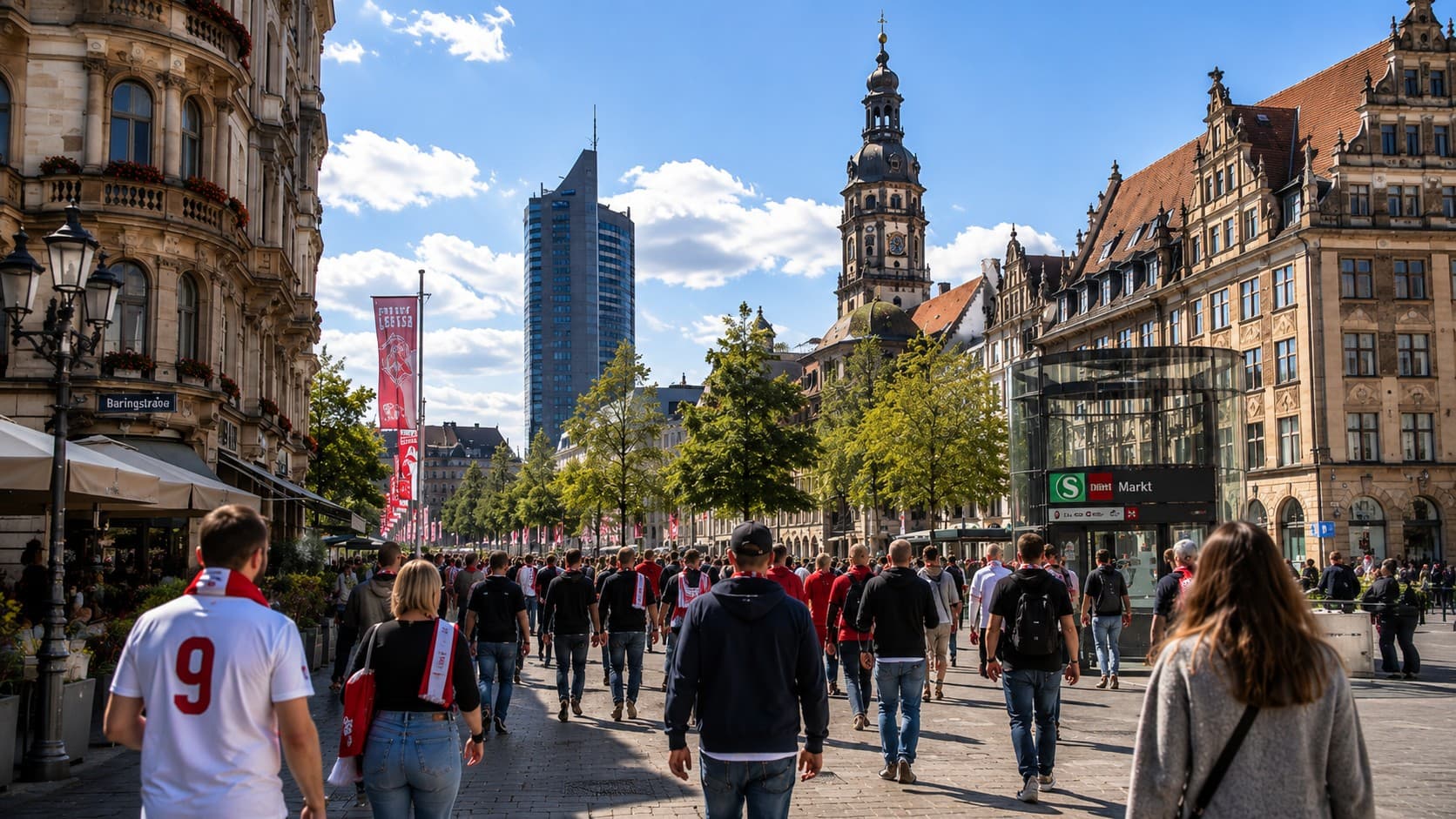
Leipzig's compact city centre makes it easy to combine sightseeing, food and drinks with the match. Augustusplatz and the historic centre are both within easy reach of the tram connection to the stadium.
Inside The Stadium
The arena provides good views from every section. Its roof and compact dimensions help concentrate the sound, particularly during major European fixtures.
Catering prices from 2023, still listed as current in the August 2025 survey. Treat as indicative.
Cheapest way in: standing €15 to €17 depending on the opponent. Travel on the MDV network is included in the ticket.
A seat: €22 to around €75.
Food and drink: beer €5.30, bratwurst €4.20. Around €13 for a drink and something to eat.
Prices, capacities and transport details on this page were last checked on . Confirm anything that matters with the club before you travel.
After The Match
Trams fill quickly after the final whistle, but the journey back to central Leipzig is short. Waiting briefly around the stadium can make the return journey more comfortable.
Karl-Liebknecht-Straße and the Südvorstadt are popular post-match destinations with a wide range of bars, restaurants and cafés.
Recommended Hotels
Central Leipzig is compact and well connected to the stadium by tram, making it the most practical area for most visitors.
The Westin Leipzig provides an established city-centre base with strong access to Leipzig Hauptbahnhof.
Motel One Leipzig-Augustusplatz is centrally located and convenient for both sightseeing and matchday travel.
Check the dates of the Leipzig Book Fair before booking, as accommodation across the city can fill quickly.
Continue Exploring Leipzig
Leipzig is one of Germany's most underrated city destinations, combining political history, classical music, contemporary art and a growing cultural scene.
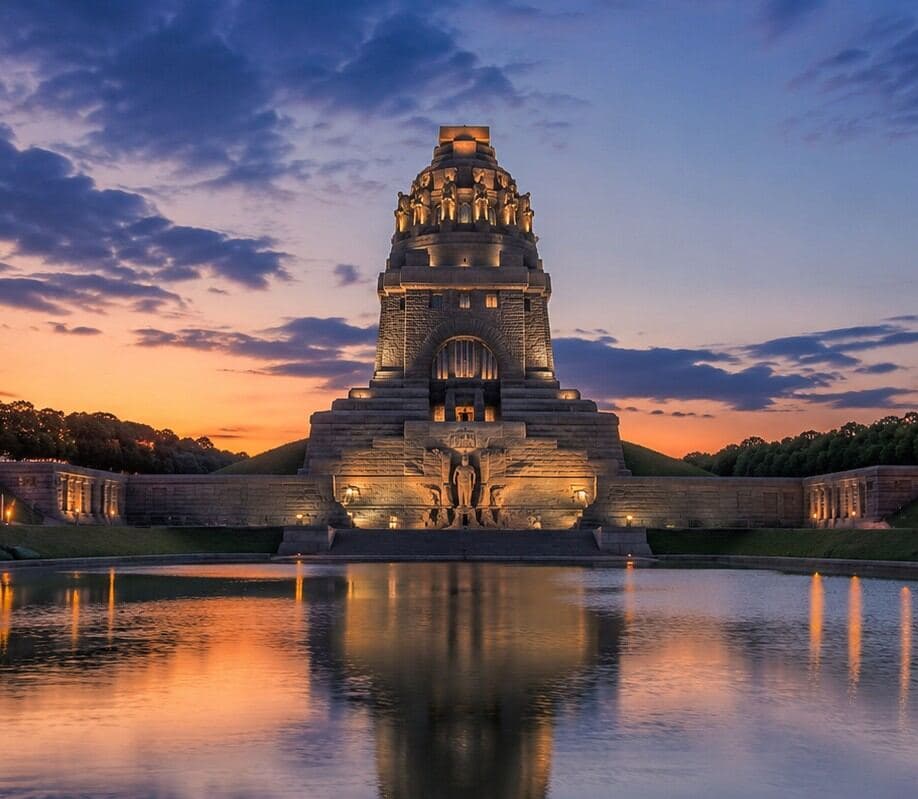
One of Europe's largest battle monuments, with panoramic views from the upper platform.
The church closely associated with the peaceful revolution and the protests of 1989.
Explore the life and work of Johann Sebastian Bach, who spent the final 27 years of his life in Leipzig.
One of Germany's leading fine-art museums, located in the centre of the city.
A former industrial complex transformed into one of Germany's most important contemporary-art districts.
A former open-cast mining site transformed into a lake with beaches, cycling routes and water sports.
Continue Your Journey
Destination
Discover the city beyond the stadium.
Explore →
Club World
Explore the rapidly built football world surrounding RB Leipzig.
Explore →
Club World
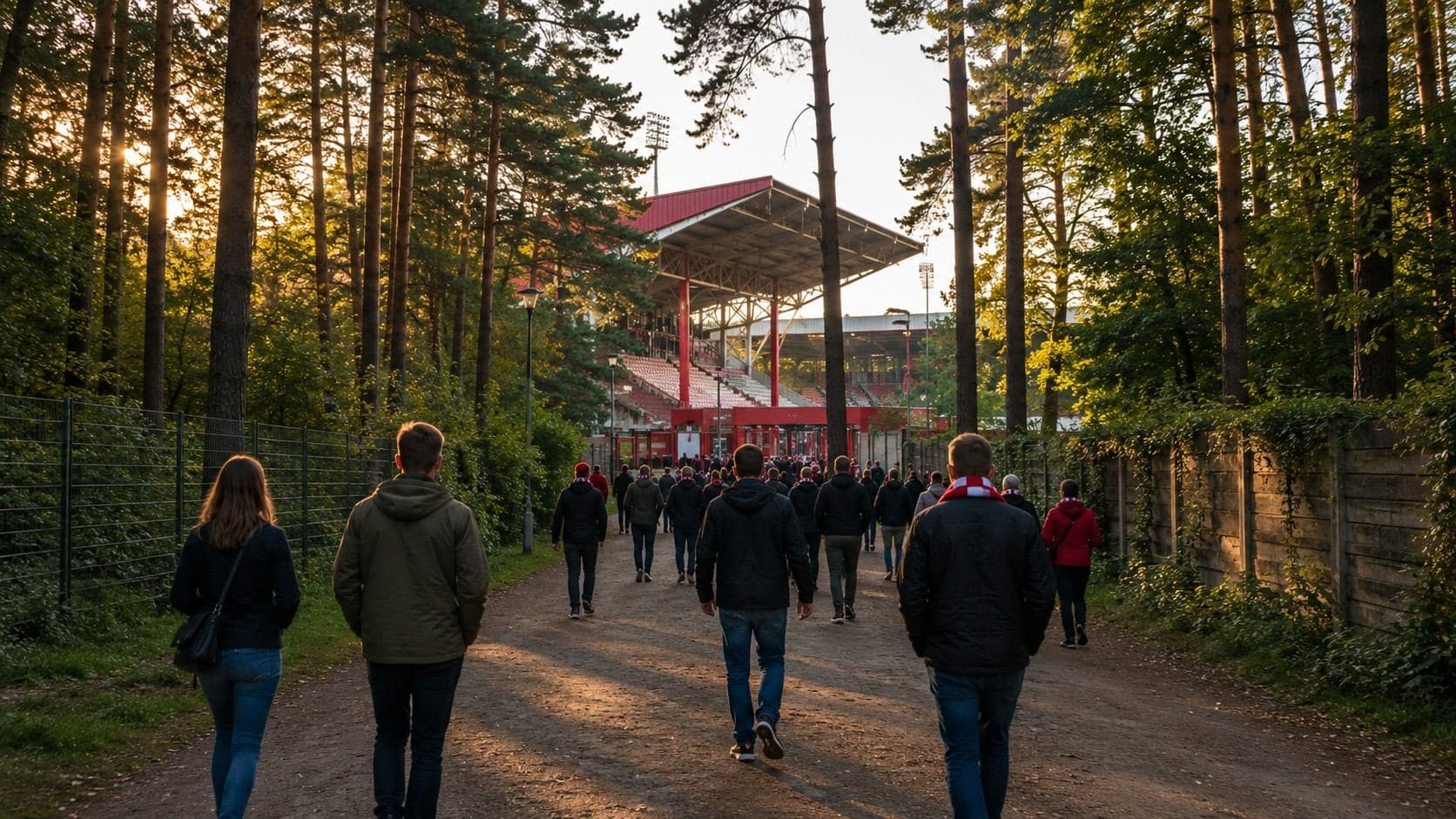
Compare Leipzig with one of eastern Germany's most community-driven clubs.
Explore →
Club Culture
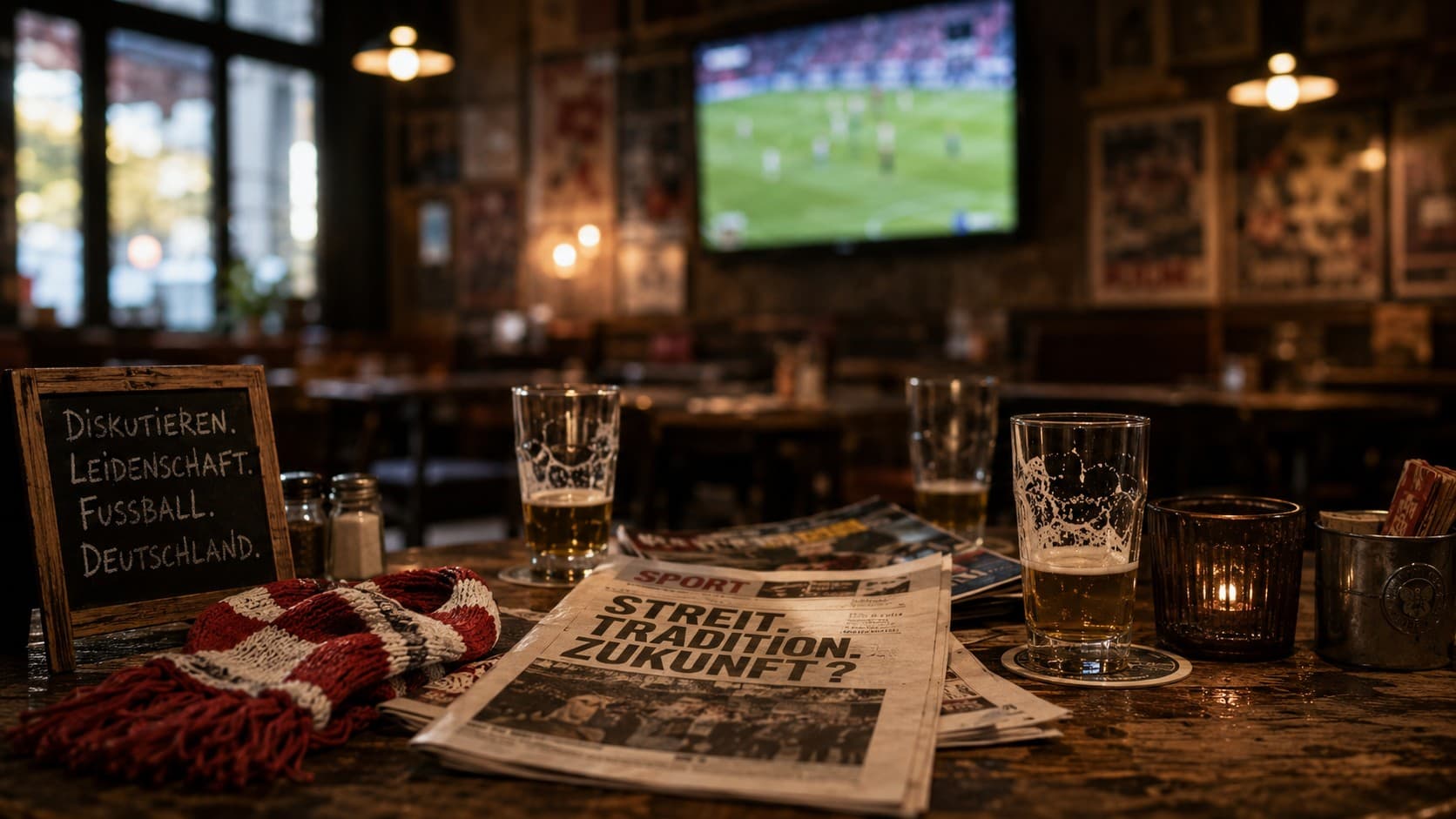
Explore why RB Leipzig challenges assumptions about German football culture.
Read Story →