Football Culture
Germany’s Most Debated Club
RB Leipzig challenges some of the deepest assumptions about what a German football club should be.
Leipzig · RB Leipzig
I
The Reaction
Few German football clubs provoke such an immediate reaction as RB Leipzig.
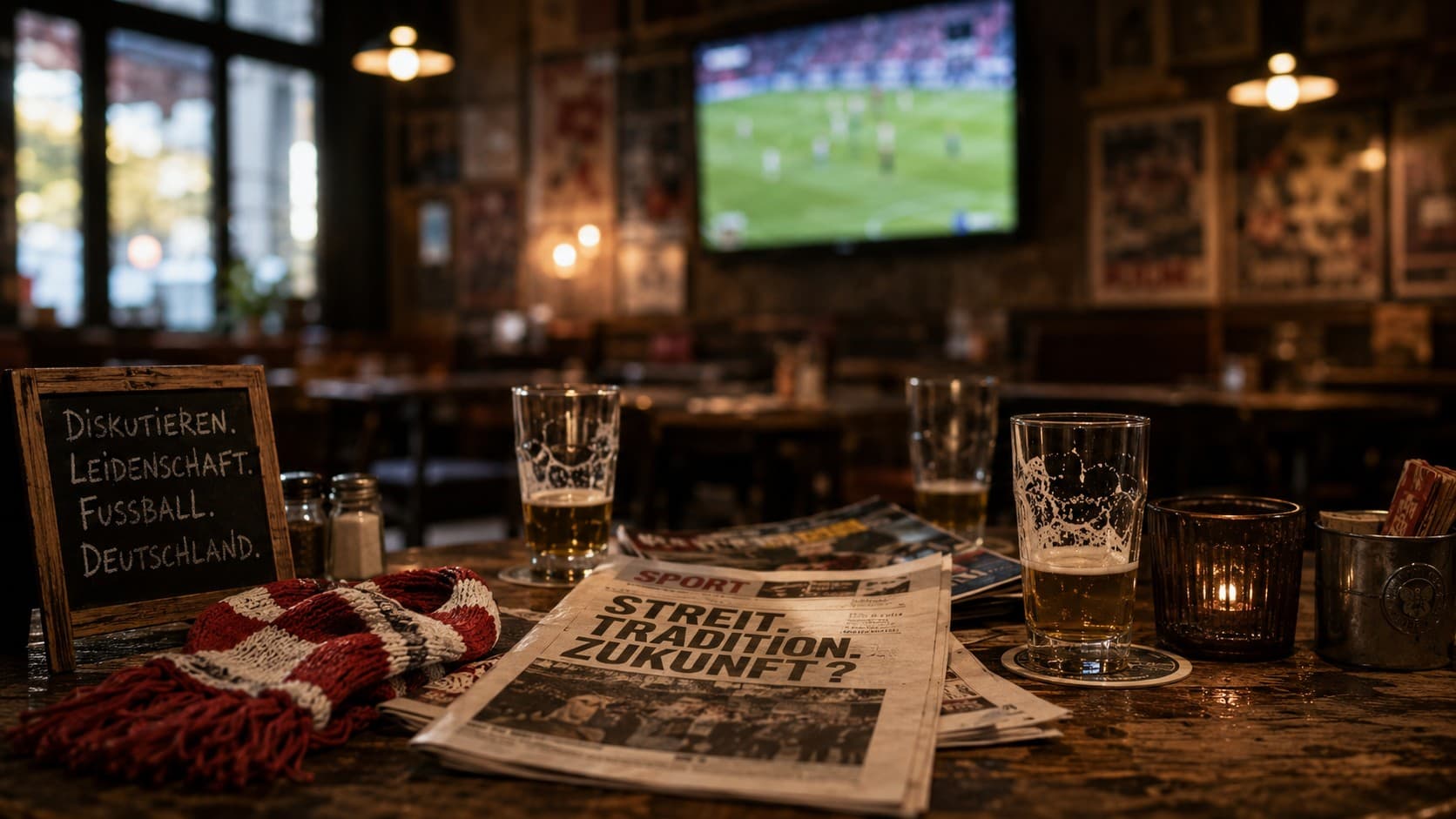
When Leipzig plays away, banners often appear in the opposing end. Supporters organise protests, boycott matches or use the occasion to defend their understanding of football tradition. Conversations about the team quickly become conversations about money, ownership and the meaning of a club.
That reaction is unusual because RB Leipzig is still relatively young. The club does not carry generations of disputed history or a century-old rivalry with every opponent.
The controversy comes from something more fundamental. RB Leipzig represents a different way of building a football club inside a culture that places enormous value on membership, continuity and local participation.
II
A Different Beginning
RB Leipzig began playing in 2009 after Red Bull acquired the playing rights of fifth-tier side SSV Markranstädt. The new project entered the German league system with a clear ambition: to bring Bundesliga football to Leipzig.
The official name became RasenBallsport Leipzig. The initials provided the familiar “RB”, while the club's colours, visual identity and commercial environment established an unmistakable connection to Red Bull.
There was no attempt to hide the scale of the ambition. Investment went into players, coaching, facilities and a structure designed to climb the divisions quickly.
It worked. RB Leipzig progressed from the fifth tier to the Bundesliga in seven seasons. What supporters of the project saw as organisation and overdue ambition, opponents saw as proof that sporting development had been accelerated by resources unavailable to traditional lower-league clubs.
The speed of the rise became part of the achievement and part of the accusation.
III
What 50+1 Represents
To understand the criticism, it helps to understand the importance of Germany's 50+1 rule.
Professional football teams may operate through separate companies and accept external investment. The underlying member-controlled club must, however, retain the decisive voting influence. In simplified terms, the members should remain at the centre of the institution.
The rule is not a guarantee that every member controls every decision. German clubs use different legal structures, and commercial interests already influence the game in countless ways.
But 50+1 carries a meaning beyond its technical wording. For many supporters, it expresses the idea that a football club is not an ordinary company. It belongs to a community of members who can participate, organise and hold their leadership accountable.
IV
The Letter and the Spirit
RB Leipzig has received the licences required to compete inside the German league system. The central criticism is therefore not simply that the club exists outside the regulations.
Critics argue instead that its structure follows the formal requirements while conflicting with the participatory spirit those requirements are intended to protect. They point to the historically restricted path to voting membership, the close relationship between club and company, and an identity shaped around a global commercial brand.
From that perspective, the issue is not whether a company may sponsor a football team. Almost every professional club depends on commercial partners. The issue is how much influence one commercial interest can exercise over the club's direction, identity and decision-making.
RB Leipzig therefore occupies an uncomfortable position. It demonstrates that regulatory compliance and cultural acceptance are not the same thing.
A licence can establish the right to compete. It cannot require other supporters to view the institution as traditional, representative or authentic.
V
The People in the Stands
The debate becomes more complicated when attention moves from the institution to the people supporting it.
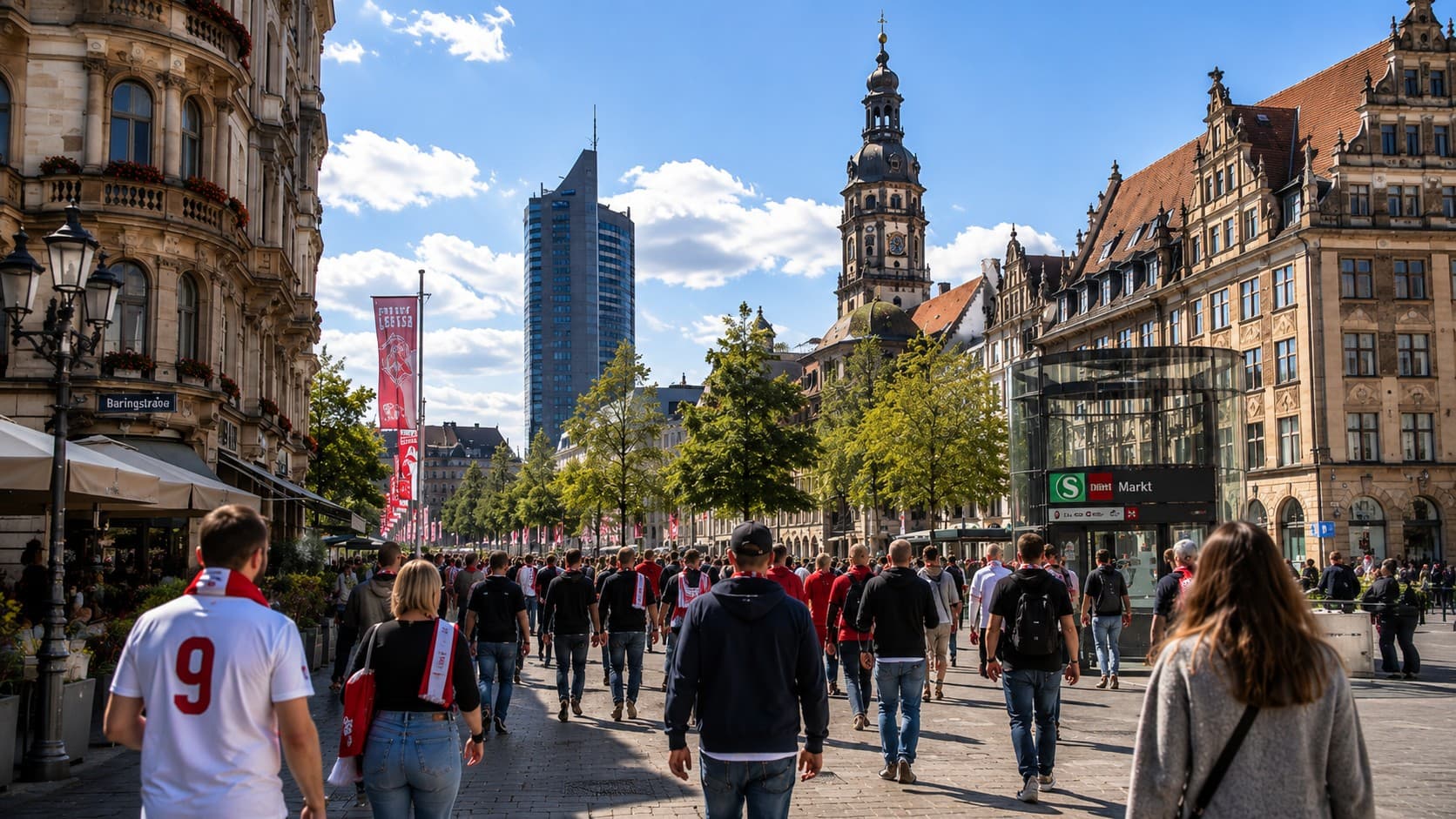
A child growing up in Leipzig today does not experience RB as a business case study. They experience a local team, a stadium, favourite players and weekends shared with family and friends.
The region had spent years without a regular presence near the top of German football. RB Leipzig offered access to Bundesliga matches and European nights without requiring supporters to travel across the country.
Those attachments become real regardless of how the institution was created. Scarves acquire memories. Matches become family traditions. A new generation develops its own relationship with the club.
It is possible to criticise RB Leipzig's structure without declaring its supporters illegitimate. Confusing the two avoids the difficult question at the centre of the story.
VI
The Question Remains
RB Leipzig has become too successful to be dismissed as a temporary experiment. The club established itself in the Bundesliga, reached European competition and won major trophies.
Success did not end the argument. It made the argument more important.
Supporters of the project can point to professional structures, youth development and top-level football in a region that had waited a long time for it. Critics can point to the concentration of influence and ask whether football culture loses something when a club's identity is designed alongside a commercial strategy.
Both perspectives form part of the RB Leipzig story. Removing either one would make the club easier to explain and harder to understand.
Perhaps that is why the debate continues. RB Leipzig does not merely ask whether modern football needs investment. It asks where investment ends and ownership begins, where branding ends and identity begins, and how a new club earns acceptance in a culture that treasures history.
The answer depends on what you believe a football club belongs to.
Continue Your Journey
Keep Exploring German Football.
Follow this story into its club, its football world and another chapter of German football culture.
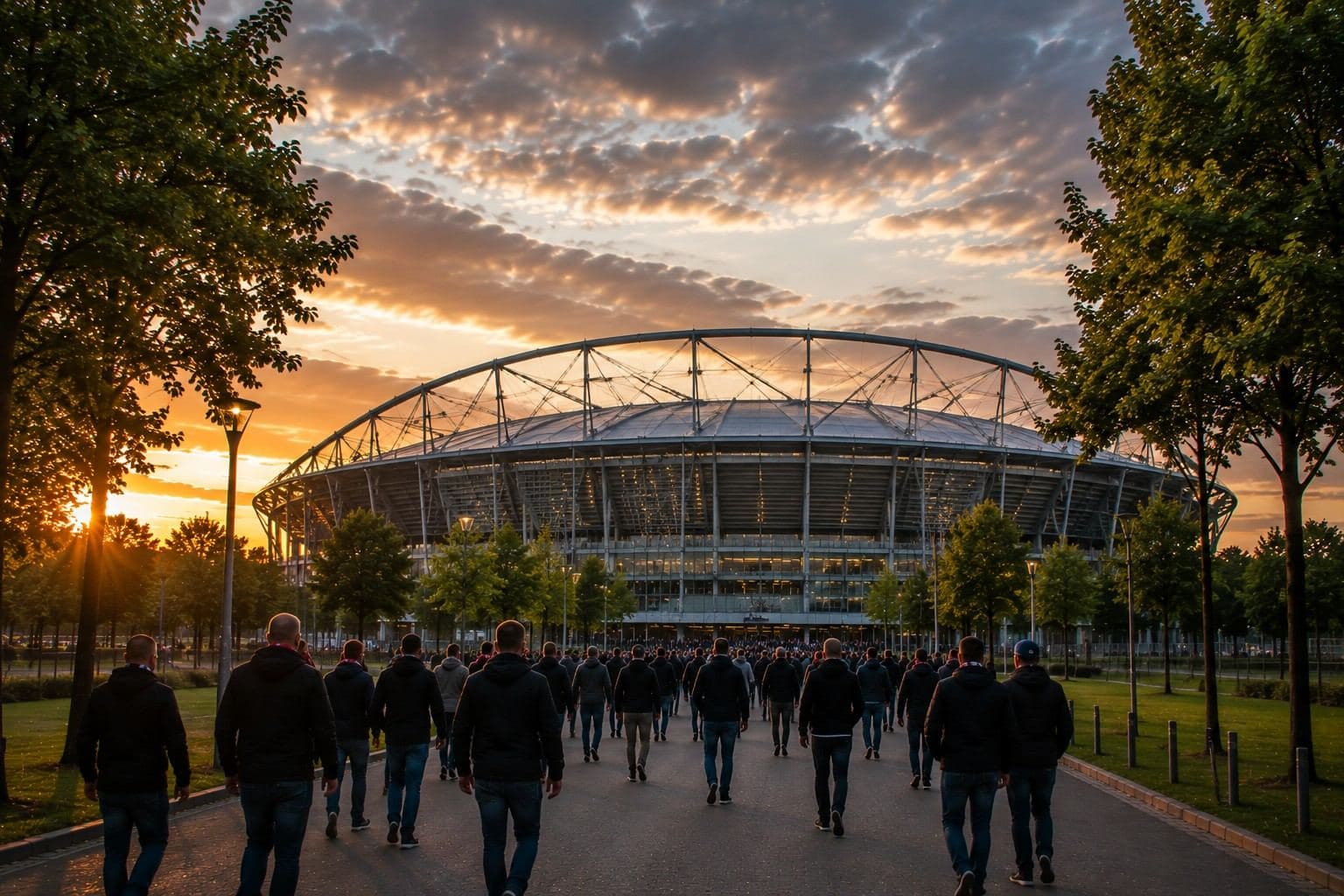
Club World
RB Leipzig World
Going Our Own Way
Explore Club →
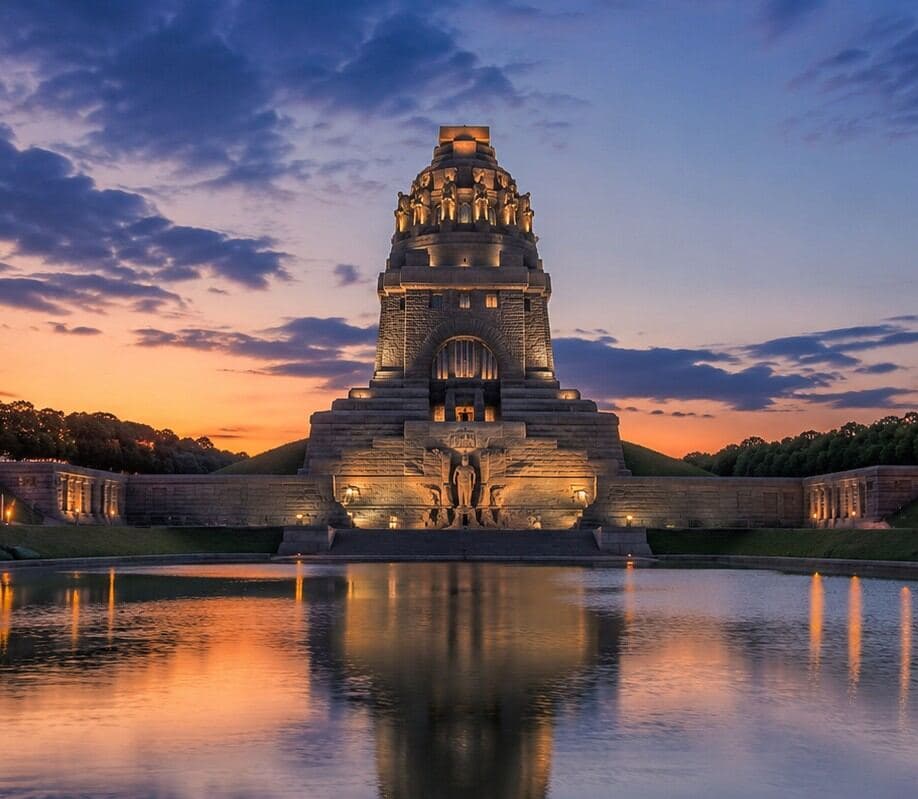
City World
Leipzig World
One of Germany's fastest growing football cities.
Explore World →
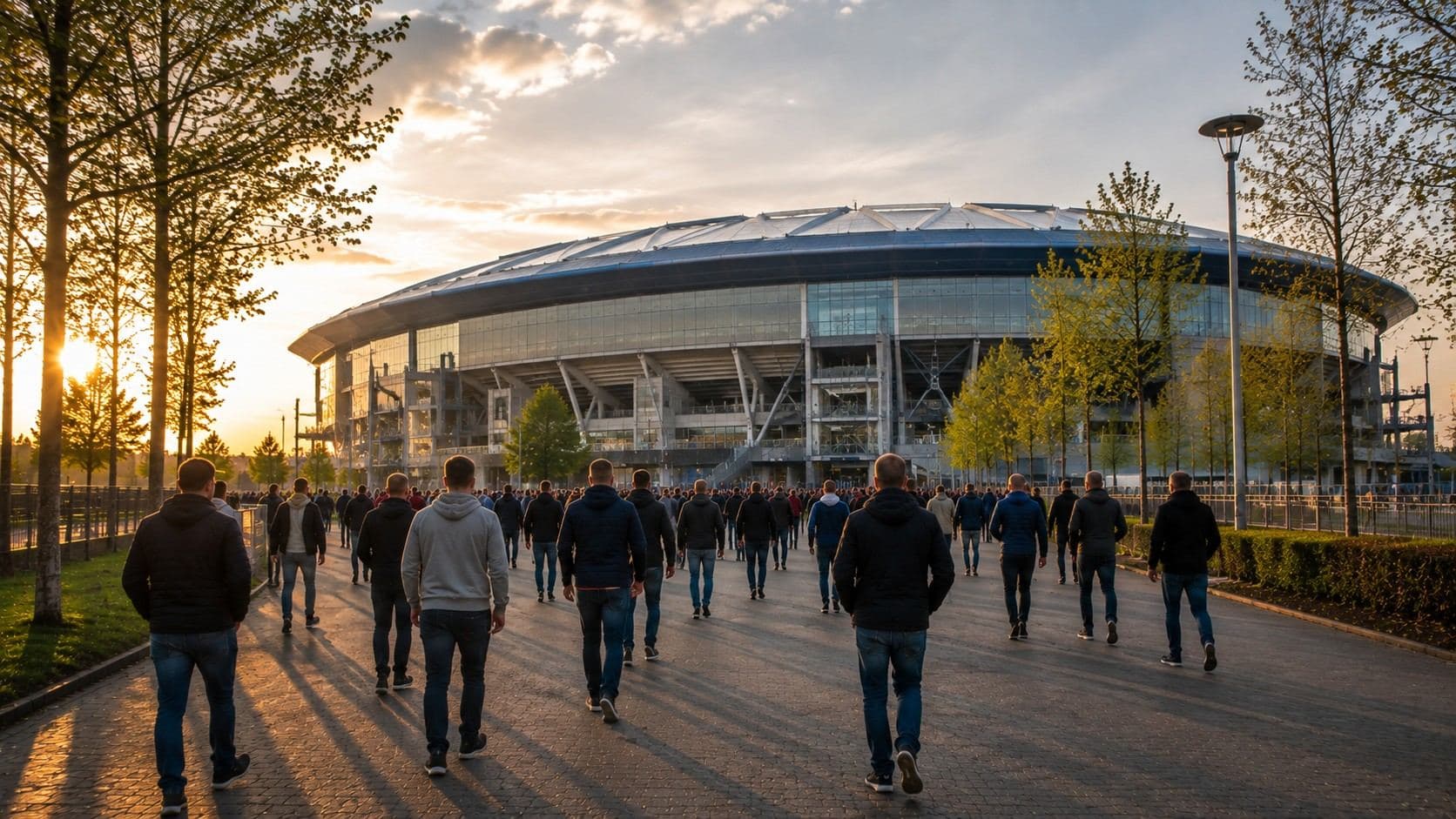
Another Club World
Schalke World
Always Blue
Explore Club →
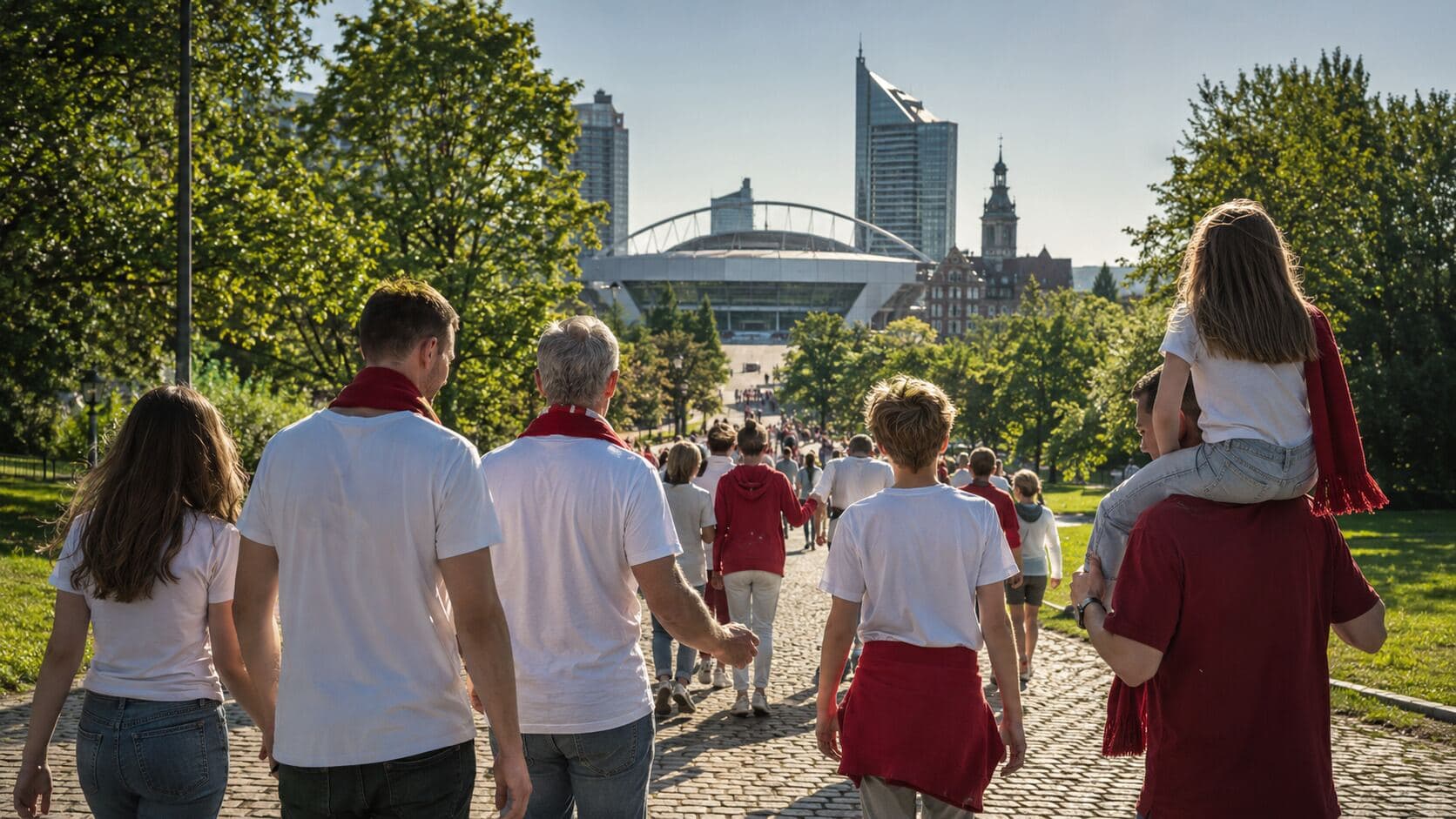
Related Culture
Going Our Own Way
RB Leipzig did not inherit an established place in German football. It built a new one at extraordinary speed.
Read Story →