Arrival
Start at Hauptbahnhof.
Leipzig Hauptbahnhof is one of Europe's largest railway stations and sits directly beside the city centre.
The compact layout means you can leave the station and begin exploring Leipzig almost immediately.
Football Weekend Guide
Modern football, historic streets, music, art and one of Germany's most debated club stories.
Weekend Overview
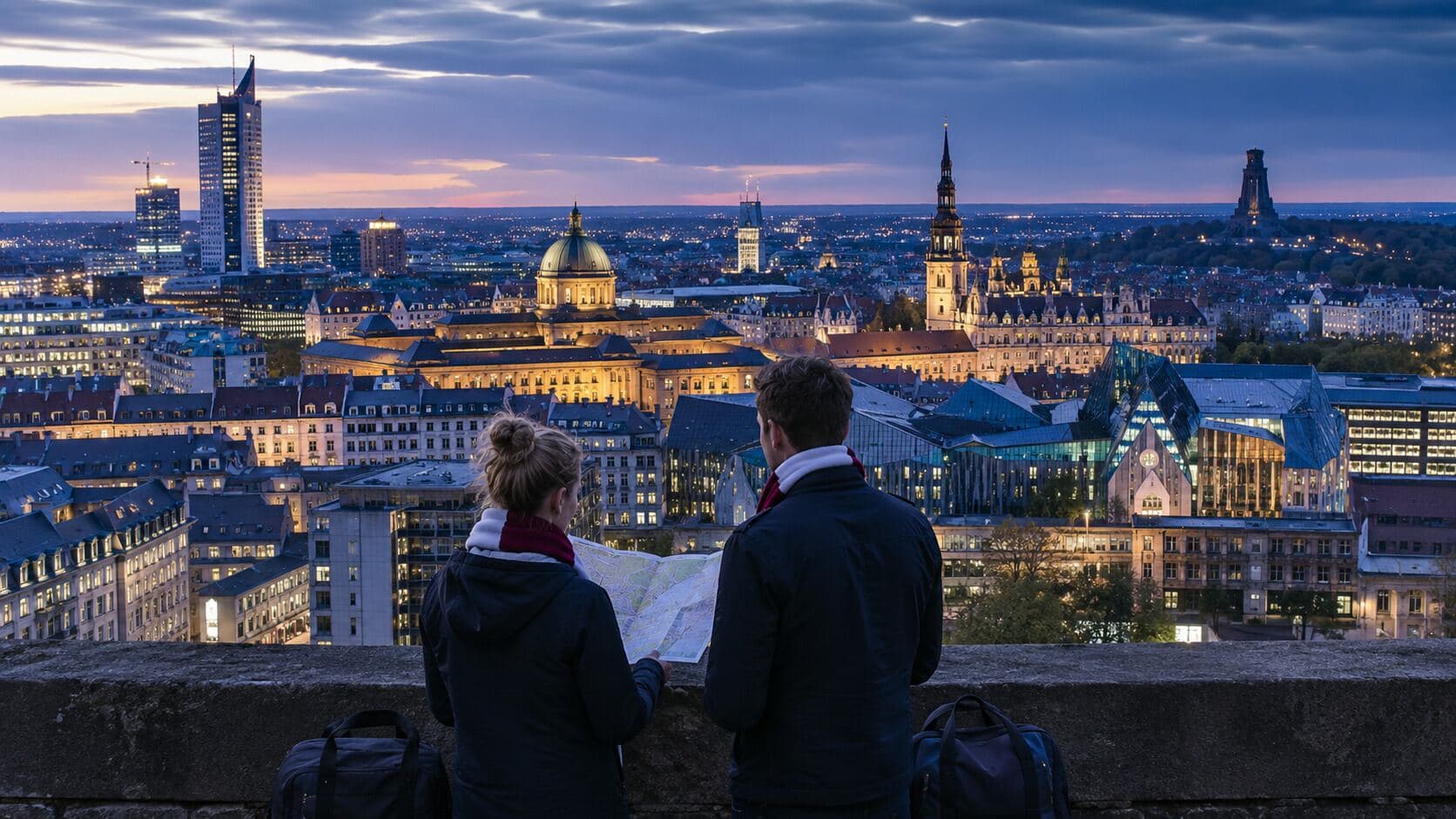
Leipzig is one of Germany's most interesting football-weekend destinations because the city combines a long sporting history with one of the country's newest major clubs.
RB Leipzig rose from the lower leagues to the Bundesliga and Champions League in little more than a decade. That rapid development has made the club successful, visible and deeply controversial within German football.
The Red Bull Arena adds another layer to the story. The modern stadium was constructed inside the enormous bowl of the former Zentralstadion, connecting today's football experience with the sporting history of East Germany.
Away from football, Leipzig offers a compact centre, classical music, political history, contemporary art and a relaxed cultural scene that makes the city easy to explore over a weekend.
Leipzig is where German football's past and its most debated version of the future meet.
Friday
Friday gives you the city and the history behind a matchday that often raises bigger questions about modern German football.
Arrival
Leipzig Hauptbahnhof is one of Europe's largest railway stations and sits directly beside the city centre.
The compact layout means you can leave the station and begin exploring Leipzig almost immediately.
First Stop
Begin around Augustusplatz, one of Leipzig's central urban spaces and home to the Gewandhaus and Leipzig Opera.
From here, the historic centre is easy to explore entirely on foot.
History
The Nikolaikirche played a central role in the peaceful protests that contributed to the fall of the East German regime in 1989.
Understanding this part of Leipzig's history adds important context to a city that has changed dramatically over the past decades.
Friday Night
Spend Friday evening around Karl-Liebknecht-Straße and the Südvorstadt.
The area combines restaurants, cafés, bars and a more relaxed neighbourhood atmosphere than the compact tourist centre.
Tip: Karl-Liebknecht-Straße is one of the easiest areas for a first evening because you can move between dinner and drinks without travelling across the city.
Where To Stay
Central Leipzig is compact, walkable and connected directly to the stadium by tram.
The Südvorstadt is a good alternative if you prefer restaurants and bars outside the main sightseeing area.
Saturday
Saturday brings modern Bundesliga football into one of Germany's most unusual stadium settings.
Use Saturday morning for breakfast and another walk through central Leipzig before travelling west towards the Red Bull Arena.
The stadium sits close enough to the city centre that the transition from sightseeing to matchday is relatively quick.
As you approach the ground, the enormous earth embankments of the former Zentralstadion begin to reveal the unusual architecture of the site.
Tip: Arrive early enough to walk around the stadium exterior. The contrast between the old Zentralstadion structure and the modern arena inside is part of the experience.
Matchday Focus
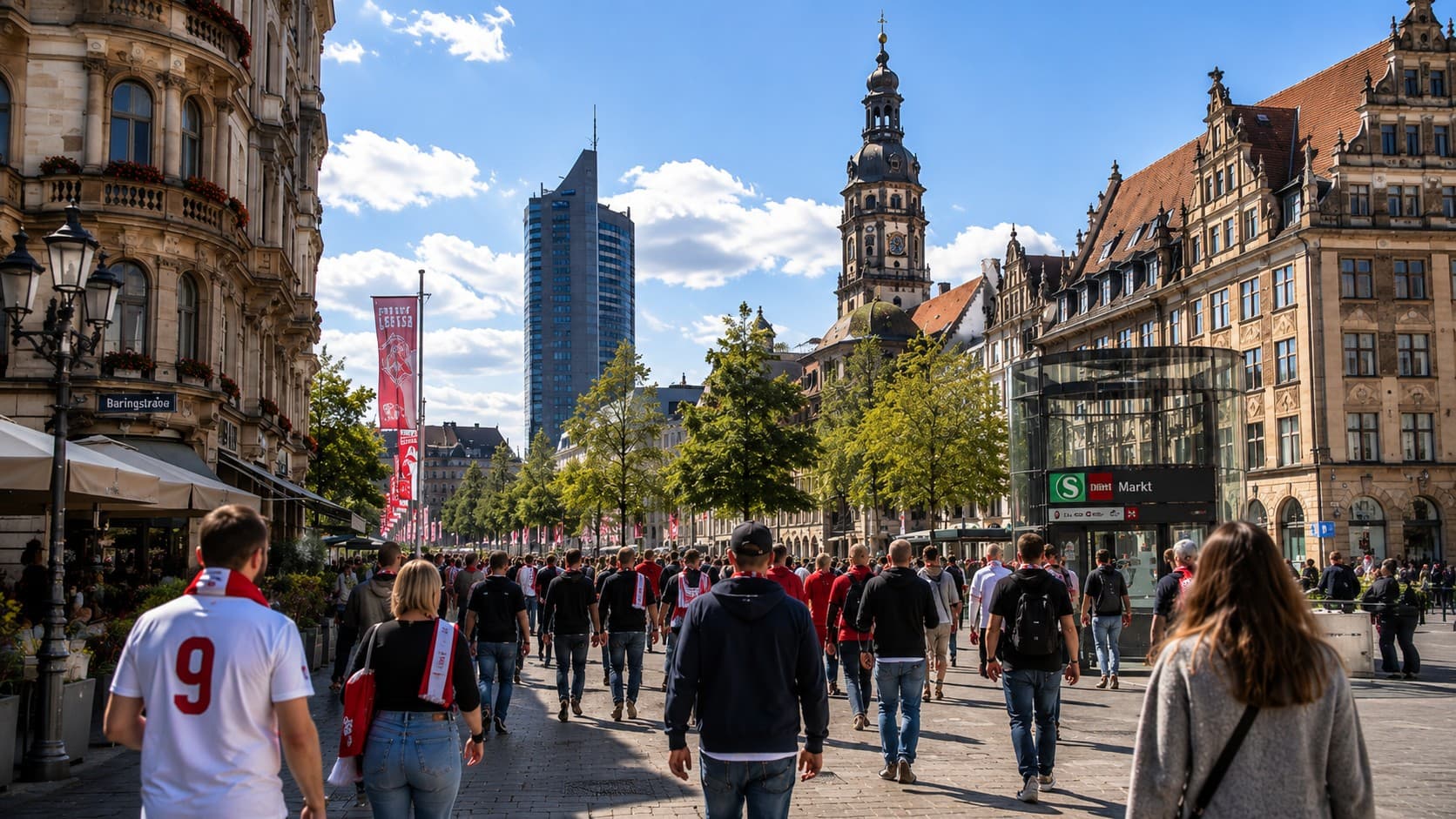
The football part of a Leipzig weekend leads west from the historic centre into one of Germany's most unusual stadium settings.
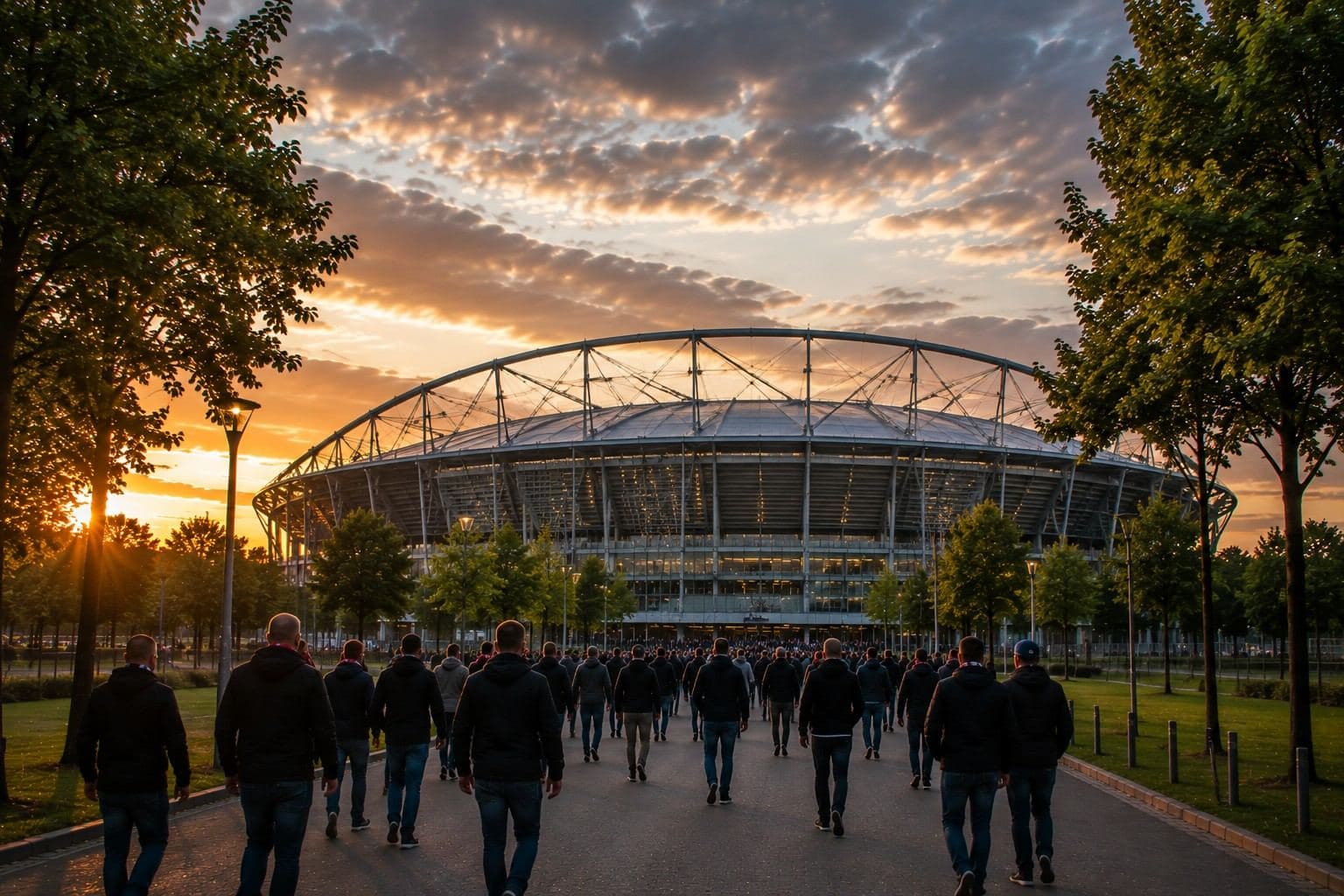
Modern Bundesliga football inside a stadium built within the remains of one of East Germany's great sporting arenas.
RB Leipzig represents one of the most dramatic rises in modern German football. Founded in 2009, the club moved rapidly through the divisions and established itself among the Bundesliga's leading teams.
The Red Bull Arena is architecturally unusual. The modern inner stadium sits inside the bowl of the former Zentralstadion, once one of Europe's largest sporting venues.
The Nordkurve provides the strongest organised support, while the compact roofed structure helps concentrate the sound around the pitch.
Champions League matches and fixtures against major Bundesliga opponents bring the strongest atmosphere.
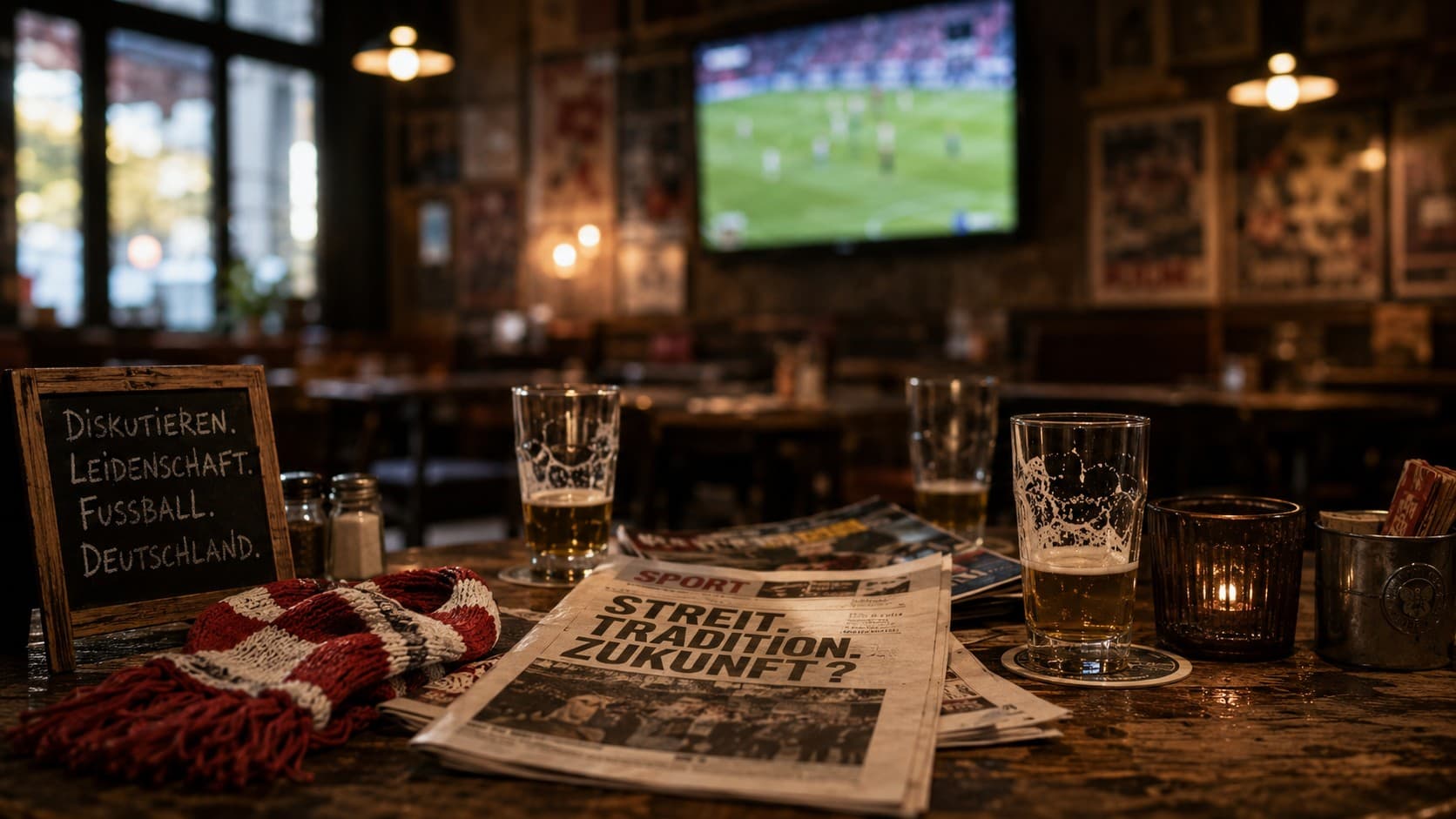
For football travellers, Leipzig is also interesting because the club's ownership structure and commercial model remain part of one of German football's most important debates.
Getting There
Take Tram 11 or 15 from central Leipzig towards Sportforum Süd. The journey from Hauptbahnhof usually takes around 15–20 minutes.
Tip: The Leipzig experience becomes more interesting when you understand the debate around RB's role in German football rather than treating it only as a stadium visit.
The short distance between the stadium and city centre makes Leipzig one of Germany's easiest places to continue the evening after a match.
Karl-Liebknecht-Straße and the Südvorstadt are natural options for restaurants, bars and a relaxed post-match atmosphere.
Plagwitz offers another side of the city, with former industrial buildings, galleries, restaurants and creative spaces.
Because Leipzig is compact, there is little need to plan a complicated route after the final whistle.
Tip: If you want to see a different side of Leipzig, head towards Plagwitz rather than returning directly to the historic centre.
Sunday
Sunday reveals why Leipzig works so well as more than a football destination.
Sunday Morning
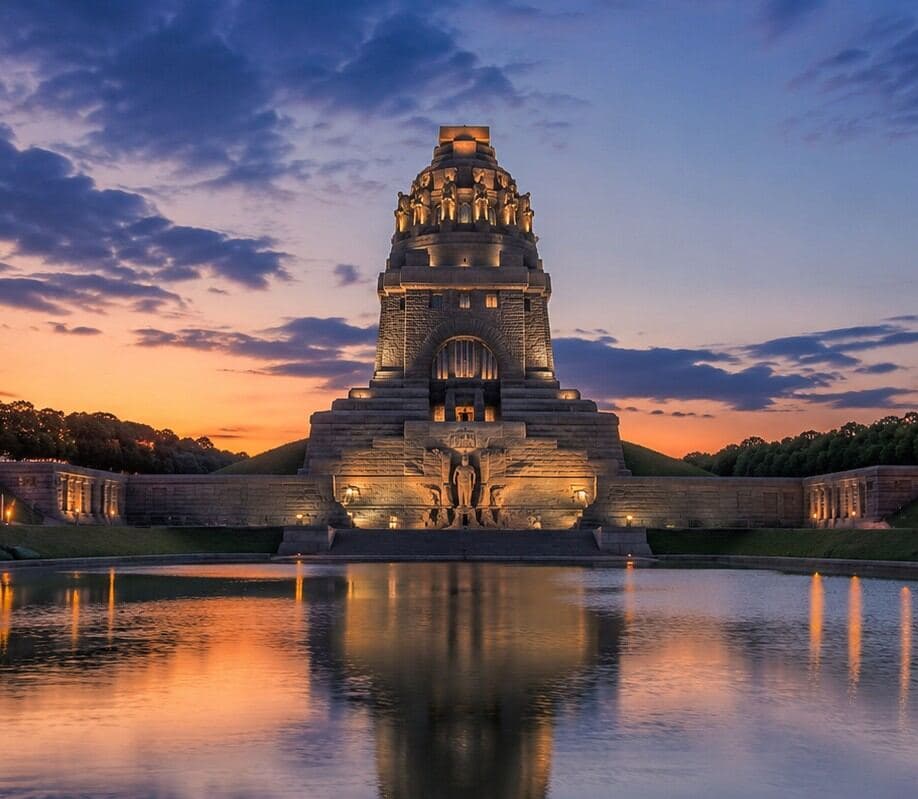
The Monument to the Battle of the Nations is one of Leipzig's most imposing landmarks.
Climbing to the viewing platform gives you a broad perspective across the city and surrounding Saxon landscape.
Music
Johann Sebastian Bach spent the final decades of his life in Leipzig and remains central to the city's cultural identity.
The Bach Museum and Thomaskirche provide an easy introduction to that history.
Art
The Leipziger Baumwollspinnerei is a former industrial complex transformed into one of Germany's most important contemporary-art districts.
Studios, galleries and industrial architecture make it an excellent Sunday alternative to conventional sightseeing.
Sunday Lunch
Leipzig's restaurant scene works especially well in the Südvorstadt and Plagwitz.
A relaxed Sunday lunch fits the city's pace better than rushing back through the main tourist streets.
Departure
Leipzig Hauptbahnhof has strong ICE connections to Berlin, Frankfurt, Munich and other major German cities.
Berlin is particularly close, making Leipzig easy to combine with a longer German football trip.
Leipzig is compact enough for a weekend, but complicated enough to leave you thinking about German football long after you leave.
Practical Guide
By Train
Leipzig Hauptbahnhof has frequent ICE connections and is located directly beside the city centre.
By Air
Leipzig/Halle Airport is connected to Leipzig Hauptbahnhof by regional rail services.
Tram
Leipzig's tram network connects the centre, stadium and major neighbourhoods efficiently.
Walking
The historic centre is extremely compact and easy to explore entirely on foot.
Red Bull Arena
RB Leipzig's approximately 47,000-capacity stadium, built inside the bowl of the former Zentralstadion.
City Centre
The most practical base for sightseeing, rail travel and easy tram access to the stadium.
Südvorstadt
Best for restaurants, bars and a more neighbourhood-oriented weekend.
Plagwitz
A creative former industrial district with galleries, bars and cultural spaces.
Near Hauptbahnhof
Ideal for short stays and travellers planning an onward rail journey.
One of Germany's most unusual stadium settings.
A monumental landmark with panoramic views across Leipzig.
A central location in the peaceful revolution of 1989.
Explore Leipzig's connection with Johann Sebastian Bach.
A former cotton mill transformed into a major contemporary-art district.
One of Leipzig's best areas for food, bars and local evening culture.
Continue Your Journey
Destination
Explore the city, its history and its modern football identity.
Explore →
Club World
Discover the story behind one of German football's most debated clubs.
Explore →
Matchday Guide
Plan the complete matchday experience at the Red Bull Arena.
Explore →
Local Football Culture
Explore why RB Leipzig challenges deep assumptions about German football culture.
Read Story →