Matchday Germany
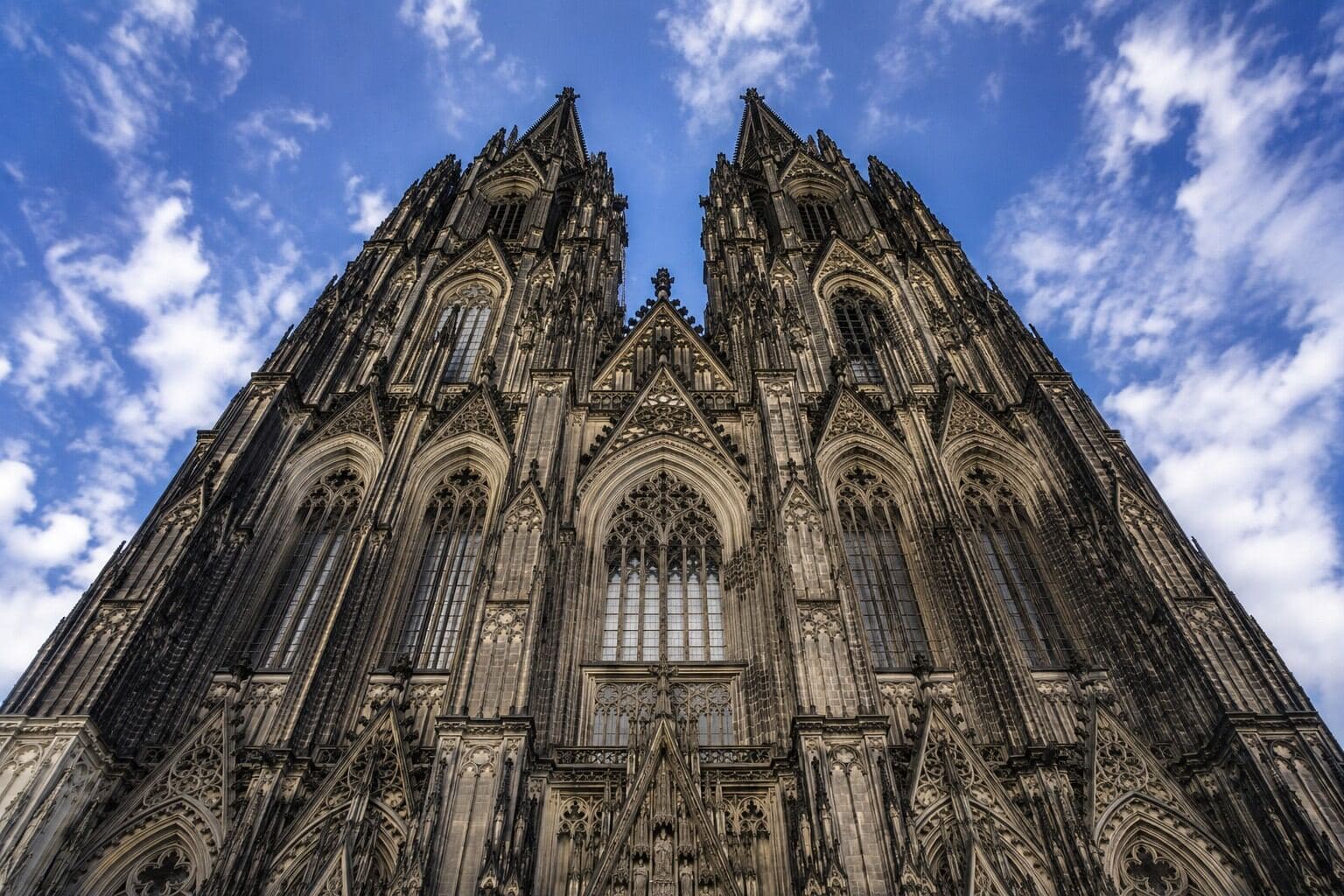
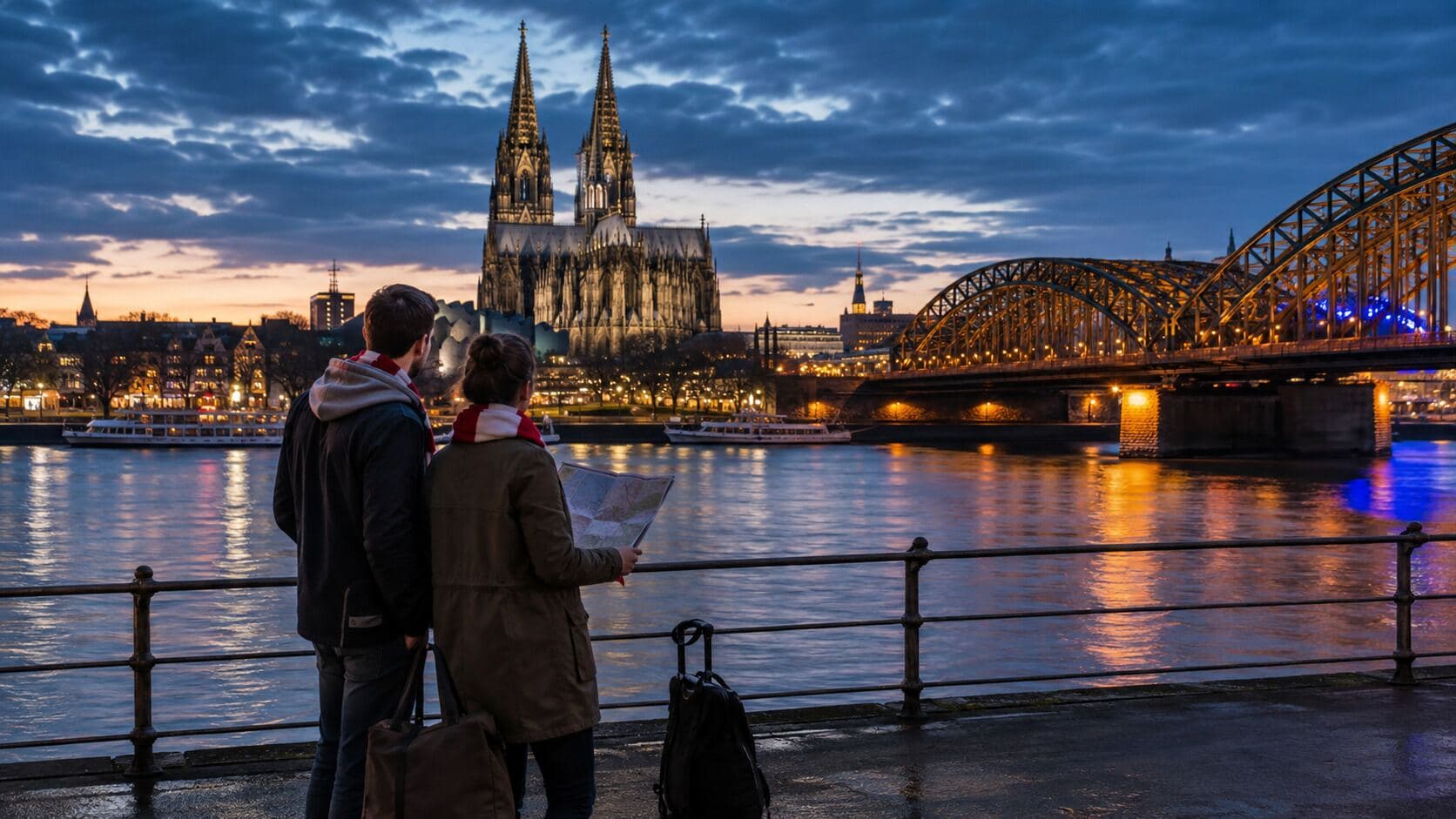
Cologne skyline and cathedral

Football Weekend Guide

A Football Weekend In Cologne

Football, cathedral views, Kölsch culture and one of Germany's most emotional supporter communities.

AI-generated image

Weekend Overview

Football with a carnival spirit.

Cologne is one of Germany's most immediately likeable football cities. The cathedral dominates the skyline, the Rhine runs through the centre and local identity is expressed through dialect, music, carnival and football.

At the heart of that football culture is 1. FC Köln. The club's relationship with the city is unusually visible: scarves, flags and red-and-white colours appear far beyond the stadium, while the club anthem is sung in the local Kölsch dialect.

The RheinEnergieStadion lies west of the centre in Müngersdorf, but matchday begins long before you reach the ground. Cologne's breweries, squares and tram network connect the football experience naturally with the rest of the city.

In Cologne, football and city identity speak the same language.

Friday

Arrive beneath the cathedral.

Friday gives you the city before Saturday gives you the football.

Arrival

Step out at the cathedral.

Cologne Hauptbahnhof sits directly beside Cologne Cathedral, giving the city one of the most dramatic arrivals in Germany.

Drop your bags and start on foot. Many of Cologne's main sights are concentrated around the historic centre and Rhine.

First Stop

Cologne Cathedral.

The cathedral is the defining landmark of the city and the natural place to begin a football weekend.

Walk around the building before heading towards the Rhine and the Old Town.

Late Afternoon

Old Town & Rhine.

Continue through the Altstadt towards the river. Traditional breweries, narrow streets and busy squares create a very different atmosphere from Germany's larger commercial centres.

Crossing or walking alongside the Rhine provides excellent views back towards the cathedral and city skyline.

Friday Night

Your first Kölsch.

Friday evening belongs in one of Cologne's traditional breweries. Kölsch is served in small cylindrical glasses and replaced by the Köbes until you signal that you are finished.

The brewery experience is part food, part drink and part local theatre — and an ideal introduction to Cologne before matchday.

Tip: Place your beer mat on top of the glass when you want the Köbes to stop bringing another Kölsch.

Where To Stay

Stay central.

The area around Hauptbahnhof, the cathedral and the Old Town gives first-time visitors the easiest combination of sightseeing, restaurants and transport.

Belgisches Viertel and Ehrenfeld are alternatives for visitors who prefer neighbourhood bars and a more local evening atmosphere.

Saturday

Matchday.

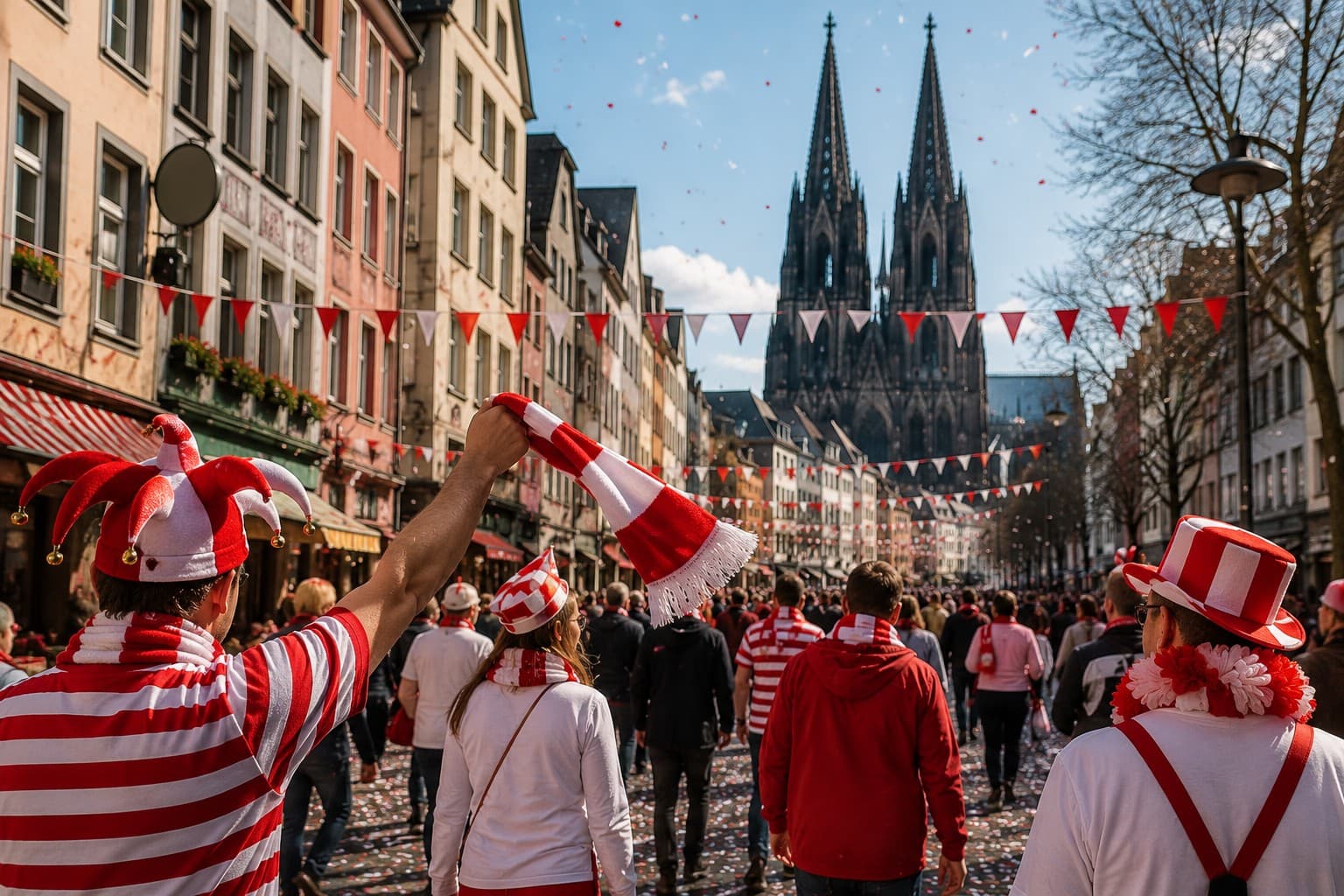
Saturday turns the city's red-and-white identity into a full stadium experience.

Take your time before heading west.

Start with breakfast in the city centre or one of Cologne's neighbourhoods before moving towards Müngersdorf.

The stadium is outside the historic centre, so there is no need to rush west too early. Cologne works well when the first half of matchday still belongs to the city.

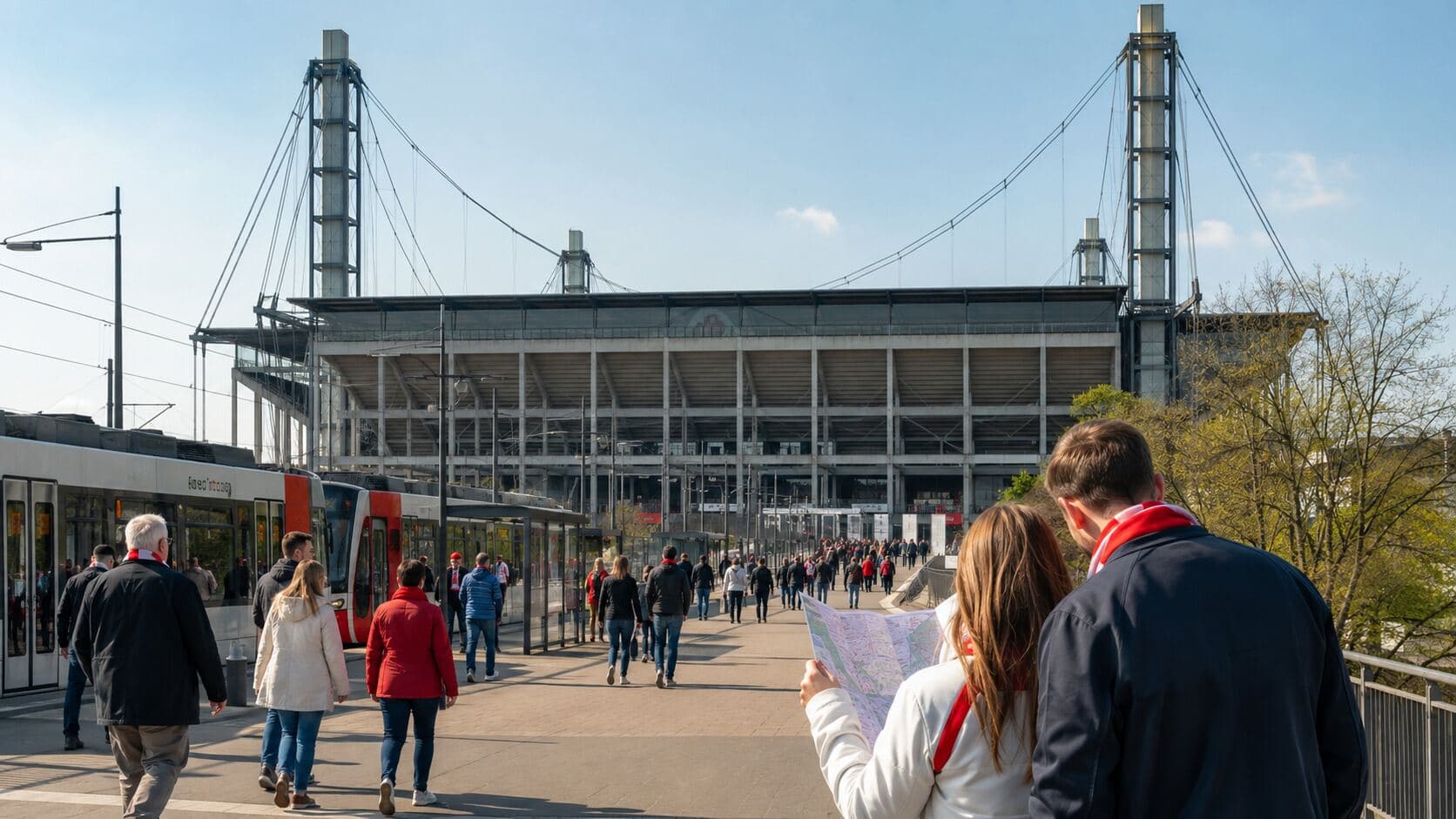
As kick-off approaches, Tram 1 gradually fills with red-and-white scarves and shirts, turning the journey itself into part of the matchday.

Tip: Plan to arrive at the stadium 90–120 minutes before kick-off so you can enjoy the build-up without rushing.

Matchday Focus

Köln At The RheinEnergieStadion

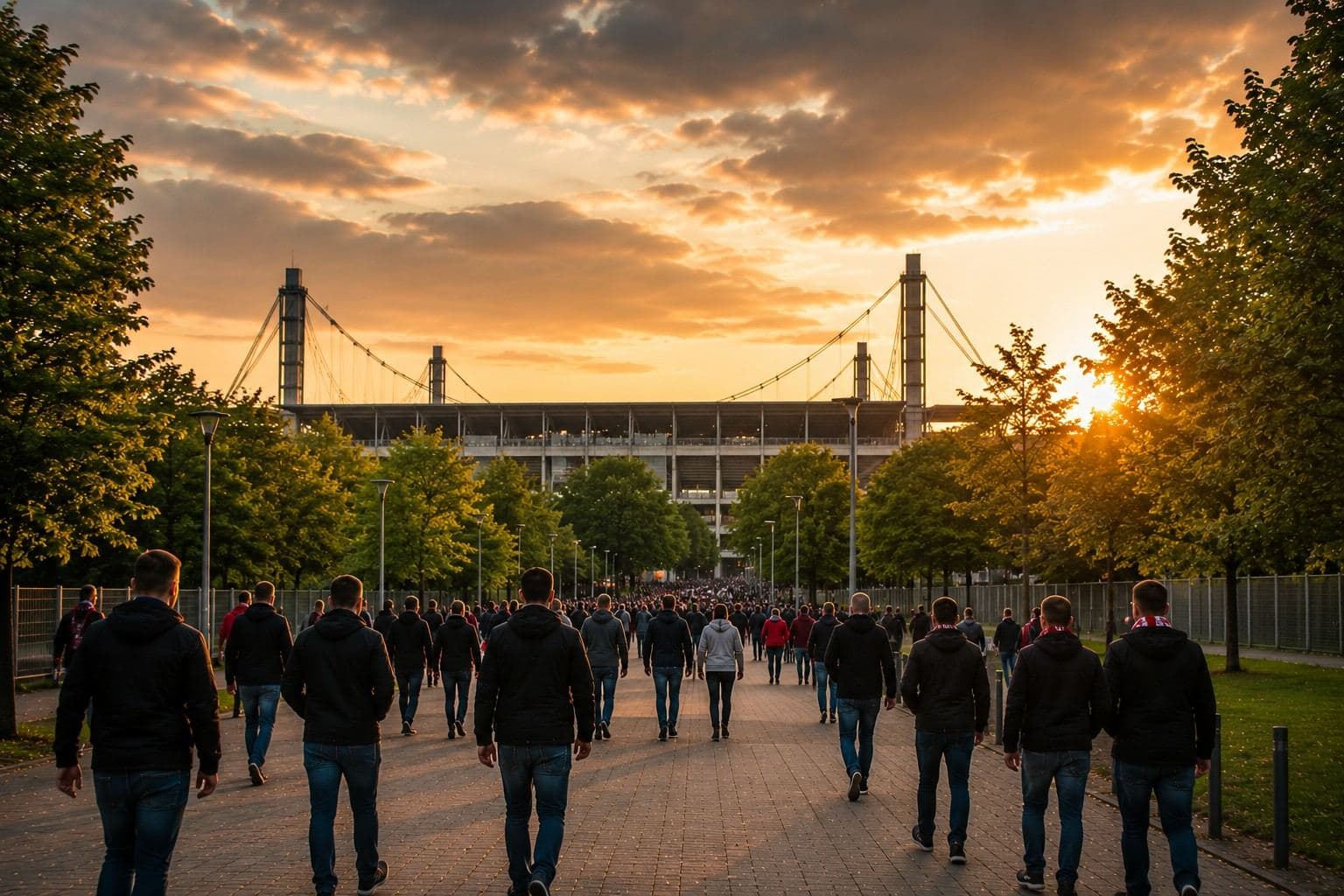
RheinEnergieStadion in Cologne

A compact stadium, a passionate fanbase and one of German football's most distinctive city-club relationships.

1. FC Köln is inseparable from the identity of Cologne. Founded in 1948, the club quickly became one of Germany's leading sides and won the inaugural Bundesliga championship.

The RheinEnergieStadion is a compact four-stand ground with excellent sightlines and a roof that concentrates the sound towards the pitch.

The Südkurve provides the most intense support, but the atmosphere extends across the stadium when the club's anthem begins.

Before kick-off, supporters sing 'Mer stonn zo dir, FC Kölle'. Sung in Kölsch dialect, it is one of German football's most memorable pre-match rituals.

Keep an eye out for Hennes, the club's famous live billy-goat mascot and one of the most recognisable traditions in European football.
Getting There

Take Tram 1 from central Cologne towards RheinEnergieStadion. The journey from Neumarkt takes around 20 minutes.

Tip: Major Rhine derbies and fixtures against Germany's biggest clubs are extremely popular. Use official ticket channels and book early.

Saturday Night In Cologne

After the match, Tram 1 carries thousands of supporters back towards central Cologne. Waiting briefly around the stadium can make the journey more comfortable.

The Old Town is the obvious destination if you want traditional breweries and a lively football crowd after the match.

For a less tourist-focused evening, Belgisches Viertel and Ehrenfeld offer bars, restaurants and clubs with a more neighbourhood-oriented atmosphere.

Cologne's compact centre means the transition from stadium to Saturday night is straightforward.

Tip: For the classic Cologne experience, finish the matchday in a brewery rather than heading directly to a conventional bar.

Sunday

Before You Leave.

Sunday gives you time to explore the city beyond the stadium and breweries.

Sunday Morning

Walk along the Rhine.

Start Sunday with a walk along the Rhine while the city is quieter.

The promenade between the Old Town and Rheinauhafen gives you some of the best views of Cologne's riverfront.

Culture

Museum Ludwig.

Museum Ludwig sits directly beside the cathedral and contains one of Germany's strongest collections of modern and contemporary art.

Its central location makes it an easy addition to a football weekend without sacrificing most of the day.

Alternative

Chocolate Museum.

The Chocolate Museum on the Rhine is one of Cologne's most popular attractions and works particularly well for families.

Its riverside location also provides an easy route through Rheinauhafen.

Sunday Lunch

One final brewery.

Traditional Cologne dishes such as Himmel un Ääd or Halver Hahn provide a more local final meal than international restaurant options.

Pairing lunch with one last Kölsch is an appropriately Cologne way to end the weekend.

Departure

Back to Hauptbahnhof.

Cologne Hauptbahnhof is directly connected to the national ICE network and sits in the heart of the city.

Cologne/Bonn Airport can be reached by S-Bahn and regional trains, making a Sunday evening departure easy to organise.

Cologne is easy to visit, easy to understand and surprisingly difficult to leave without feeling attached to it.

Practical Guide

Weekend Essentials

Getting There

By Train

Cologne Hauptbahnhof is one of Germany's busiest long-distance rail hubs and sits directly beside the cathedral.

By Air

Cologne/Bonn Airport connects with the central station by S-Bahn and regional rail services.

Getting Around

Tram & U-Bahn

Cologne's KVB network connects the city centre, neighbourhoods and RheinEnergieStadion.

Walking

The cathedral, Old Town and Rhine are close together and easy to explore on foot.

Stadiums

RheinEnergieStadion

1. FC Köln's approximately 50,000-capacity home in Müngersdorf, reached directly by Tram 1.

Where To Stay

Altstadt

Ideal for first-time visitors who want breweries, the cathedral and Rhine within walking distance.

Belgisches Viertel

A strong option for bars, restaurants and a younger neighbourhood atmosphere.

Ehrenfeld

A lively district with independent restaurants, nightlife and strong public-transport links.

Near Hauptbahnhof

The most practical choice for short weekend trips and early Sunday departures.

Don't Miss

Cologne Cathedral

The defining landmark of the city and one of Europe's great Gothic buildings.

Mer stonn zo dir

Experience the club anthem inside the RheinEnergieStadion.

Hennes

1. FC Köln's famous live billy-goat mascot.

Old Town Breweries

The classic place to experience Kölsch culture.

Rhine Promenade

An easy riverside walk through the heart of Cologne.

Museum Ludwig

One of Germany's leading modern-art museums.