Club Identity
The Freiburg Way
Continuity, youth development and a strong sense of place — how SC Freiburg built one of German football's most distinctive club identities.
Freiburg · SC Freiburg
I
A Different Kind of Club
German football has clubs built around trophies, industrial cities, global brands and enormous stadiums.
SC Freiburg built something different.
For much of its history, the club lived outside the traditional centres of German football power. Freiburg is smaller than many Bundesliga cities, its stadium was modest and its financial possibilities rarely matched those of the league's biggest institutions.
Instead of trying to become one of them, Freiburg gradually developed its own approach.
Coaches stayed. Young players were developed. Structures grew over years rather than being rebuilt every season.
II
Built Over Time
The roots of SC Freiburg reach back to two football clubs founded in the city in 1904. They merged in 1912.
But the club recognised today as a distinctive Bundesliga institution emerged much later.
Freiburg spent decades outside Germany's football elite before establishing itself in the professional game. Promotion, relegation and rebuilding became recurring parts of its story.
Rather than eliminating that uncertainty, the club learned to work within it.
Long-term structures became particularly important. The idea was not that Freiburg would never lose players, coaches or Bundesliga status.
It was that the club should remain recognisable when those things changed.
III
The Football School
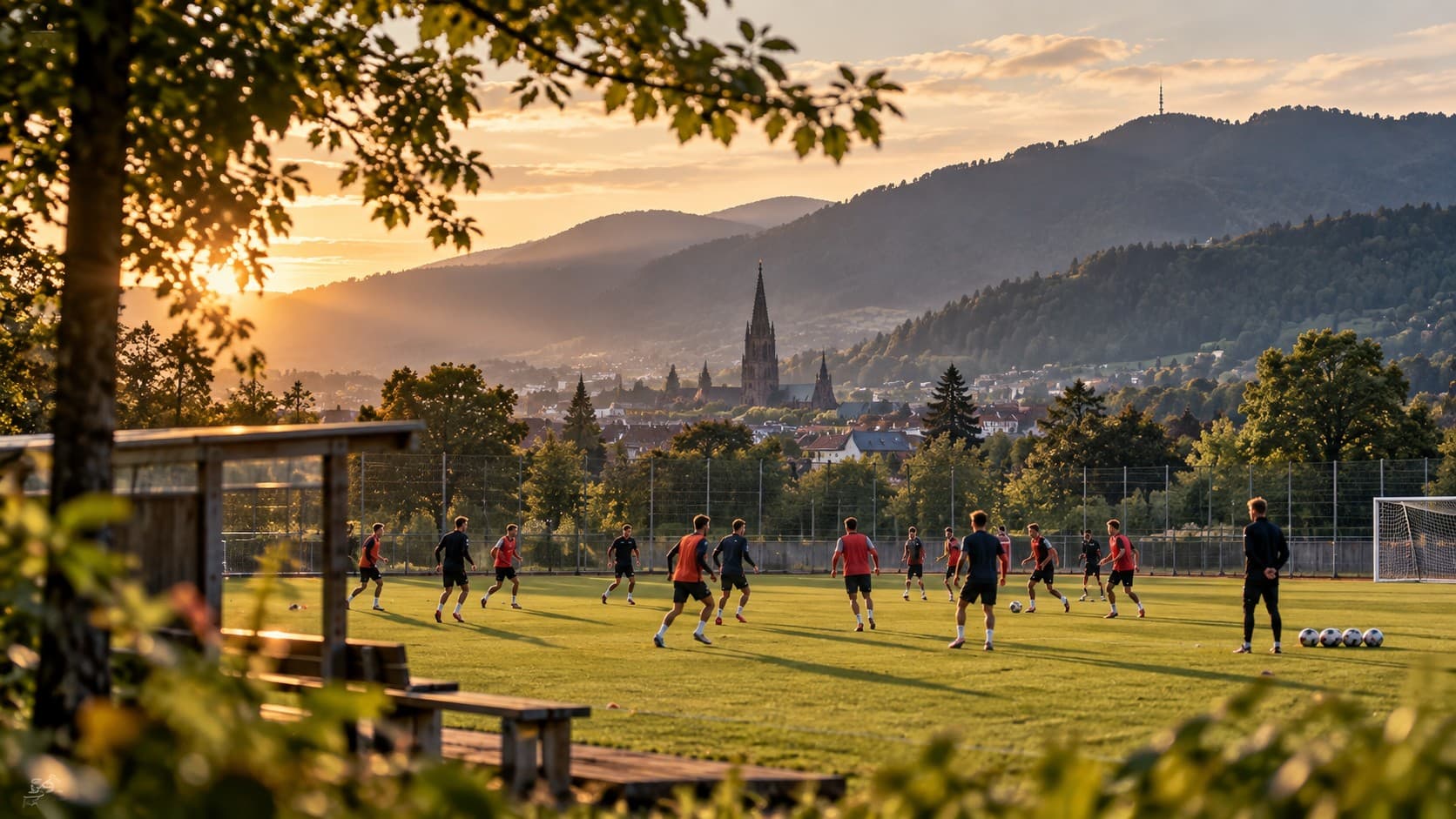
One of the clearest expressions of that philosophy can be found in Freiburg's youth development.
By the end of the 1990s, before modern youth academies had become standard across German professional football, SC Freiburg was already positioning itself as a development club.
The Freiburger Fußballschule became a central part of the organisation.
Its purpose went beyond producing talented youth teams. The more important challenge was creating a pathway from youth football through the second team and eventually into the professional squad.
Over the following decades, that pathway produced dozens of players who reached Freiburg's first-team squad.
Christian Günter represents one of the clearest examples. He moved through Freiburg's youth teams, the second team and into the Bundesliga side before becoming club captain and record appearance holder.
IV
The Streich Years
No individual became more closely associated with modern SC Freiburg than Christian Streich.
Yet his story also demonstrates why Freiburg's identity cannot be reduced to one coach.
Streich joined the club's youth coaching structure in 1995. He spent sixteen years working in Freiburg's academy before becoming head coach of the professional team during the 2011/12 season.
He then remained in charge for more than twelve years.
During that period Freiburg experienced relegation and promotion, reached the 2022 DFB-Pokal final and qualified repeatedly for European competition.
Streich became the public face of the club, but his unusually long tenure was also a product of an organisation prepared to think beyond short-term results.
V
Continuity After Streich
When Christian Streich announced in 2024 that he would step down, SC Freiburg faced a question that went far beyond choosing another coach.
How does a club replace someone who had become synonymous with it?
Freiburg's answer came from inside.
Julian Schuster had joined SC as a player in 2008. He spent ten seasons with the club, served as captain and remained after his playing career ended.
From 2018, he worked as a link between the academy, the U23 and the professional team while also serving on the first-team coaching staff.
When he became head coach in 2024, Freiburg therefore changed one of the most visible positions at the club without starting again from zero.
VI
Growing Without Starting Again
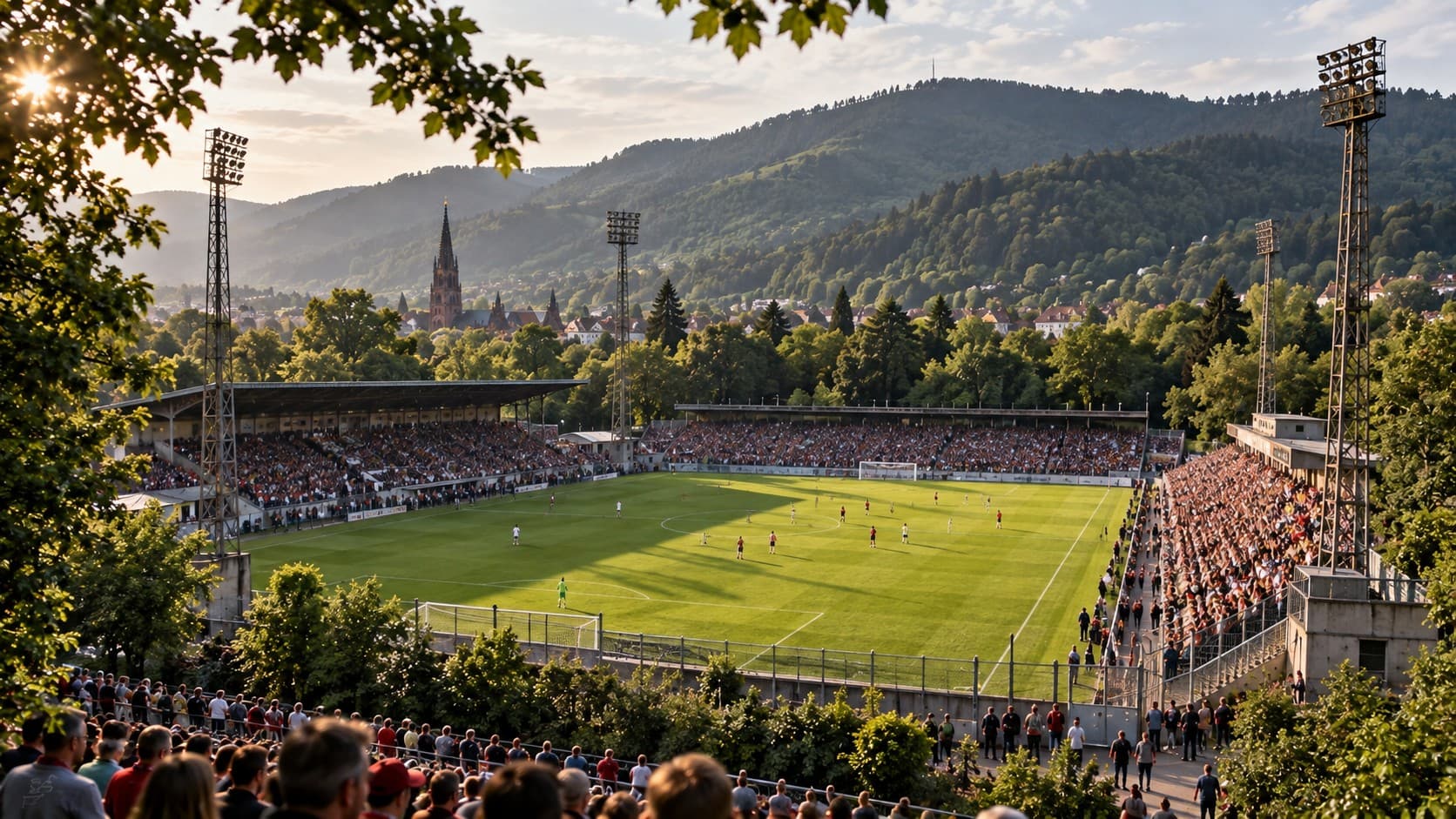
The same tension between growth and continuity can be seen in the club's stadiums.
For decades, the Dreisamstadion represented SC Freiburg. It was compact, unusual and closely connected to the club's rise through German football.
Eventually, however, its limitations became impossible to ignore.
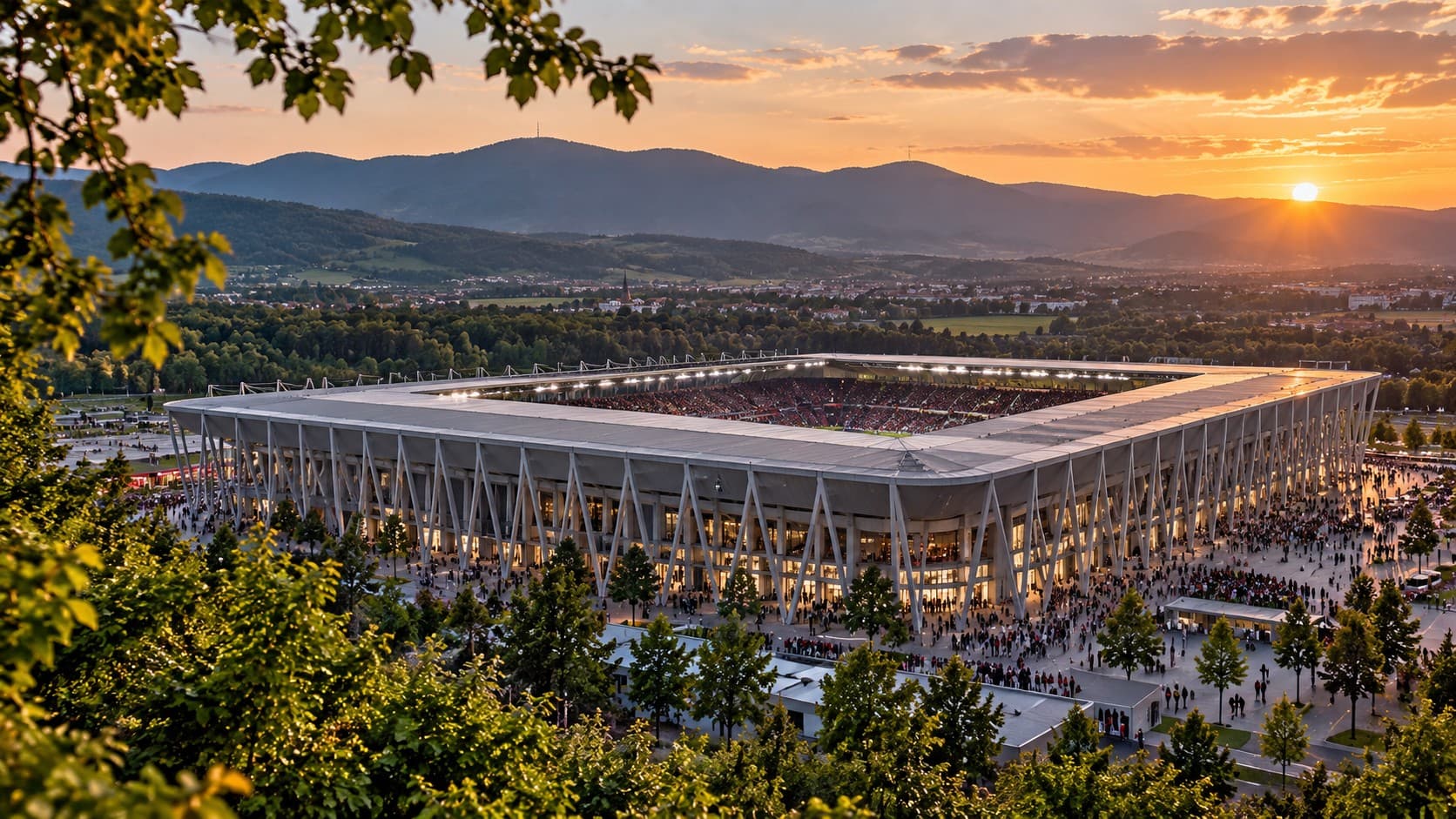
In 2021, the professional team moved across the city to the new Europa-Park Stadion.
The new ground brought greater capacity, modern infrastructure and possibilities that the old stadium could no longer provide.
But the Dreisamstadion did not disappear from the Freiburg story. It remains part of the club and continues to host SC teams.
VII
What Is The Freiburg Way?
There is no single formula called the Freiburg Way.
It is better understood as a pattern.
Develop players instead of assuming every solution must be bought. Build structures that survive individual coaches. Give people time to grow into roles. Accept that setbacks do not automatically require everything to change.
None of those ideas belongs exclusively to SC Freiburg.
What makes Freiburg distinctive is how consistently they have been connected over a long period of time.
The result is a club that has grown considerably without making reinvention its defining characteristic.
VIII
A Sense of Place
Perhaps the final part of Freiburg's identity is the easiest to understand once you visit the city.
Freiburg does not feel like a football metropolis.
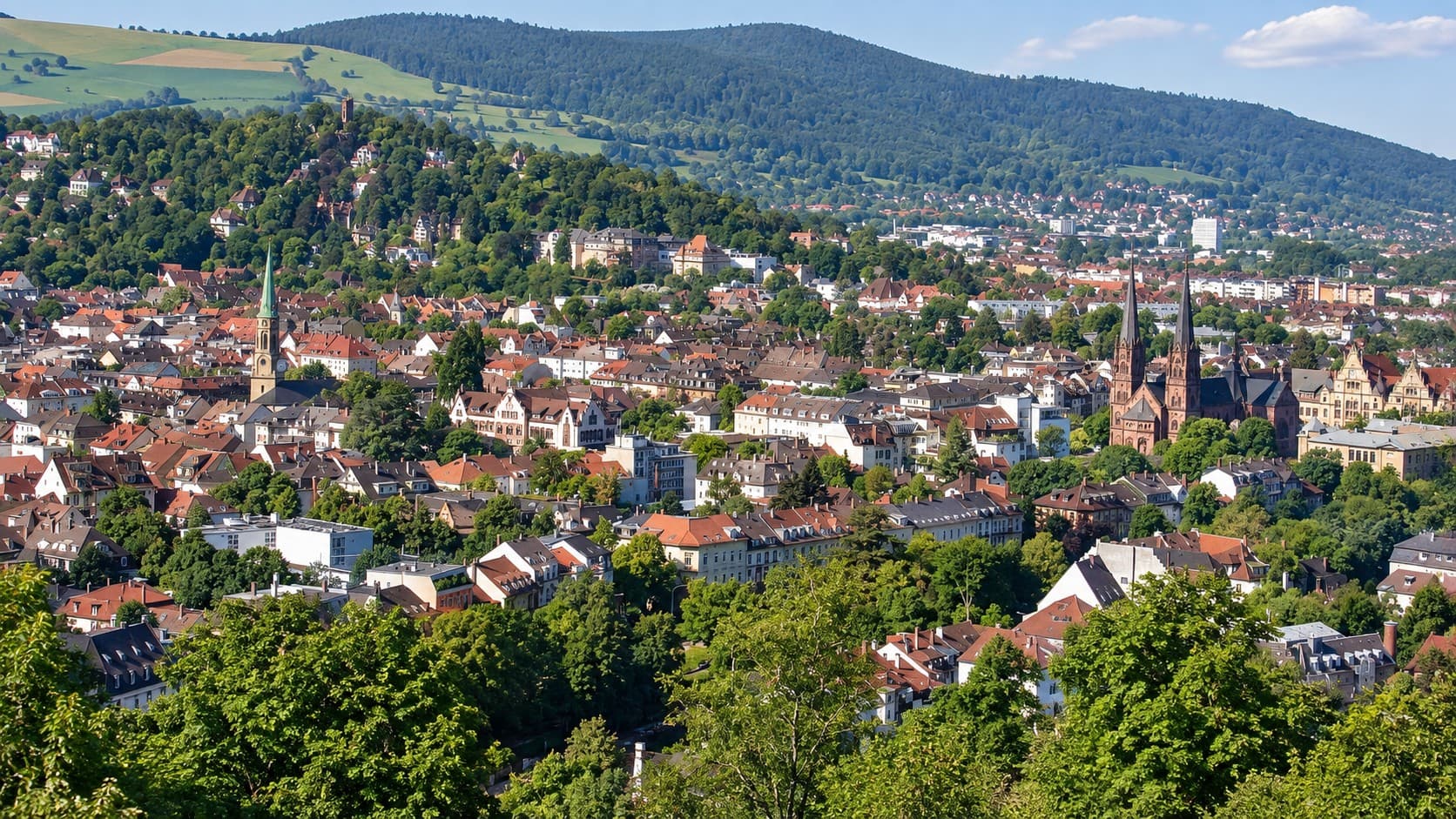
The historic centre is compact. The hills of the Black Forest rise almost directly behind it. The Dreisam runs through the city and past the club's old stadium.
SC Freiburg grew inside that environment rather than apart from it.
The club now plays in a larger stadium, competes internationally and operates on a scale previous generations could hardly have imagined.
Yet the central idea remains remarkably familiar: grow, develop and move forward without forgetting where you came from.
Continue Your Journey
Keep Exploring German Football.
Follow this story into its club, its football world and another chapter of German football culture.
Club World
SC Freiburg World
The Freiburg Way
Explore Club →
City World
Freiburg World
Discover a southern football city shaped by SC Freiburg, the Black Forest and a distinctive local approach to the game.
Explore World →
Another Club World
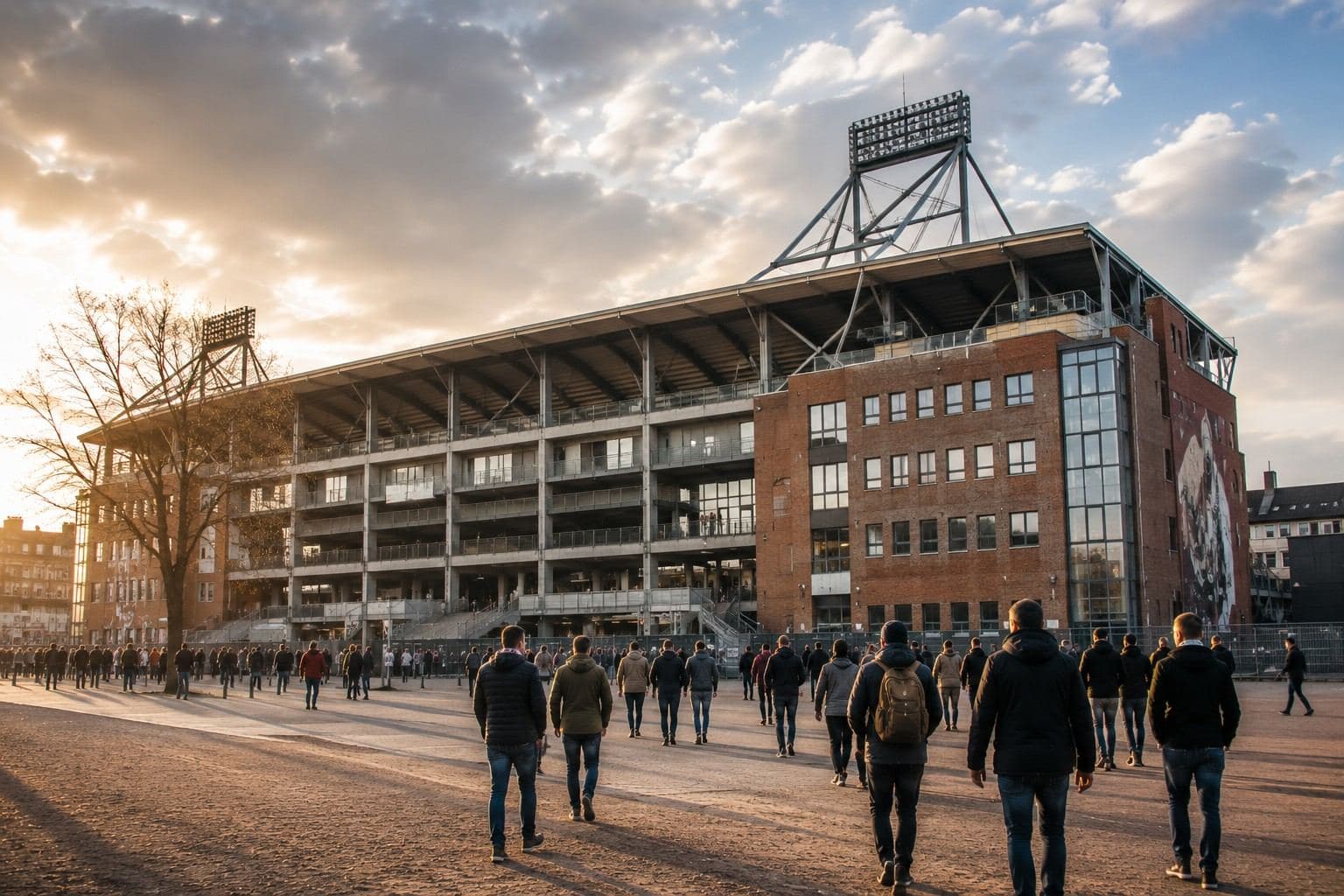
St. Pauli World
More Than a Football Club
Explore Club →
Related Culture
From Dreisamstadion to Europa-Park Stadion
Two stadiums tell the story of SC Freiburg's transformation — from its historic home beside the Dreisam to a new Bundesliga era.
Read Story →