
Club Culture
Dorfklub, Mäzen, Europa
How a village club, Dietmar Hopp and a rapid rise through German football created both a Bundesliga success story and one of the country's most persistent football debates.
Sinsheim · Hoffenheim
I
The Village Club
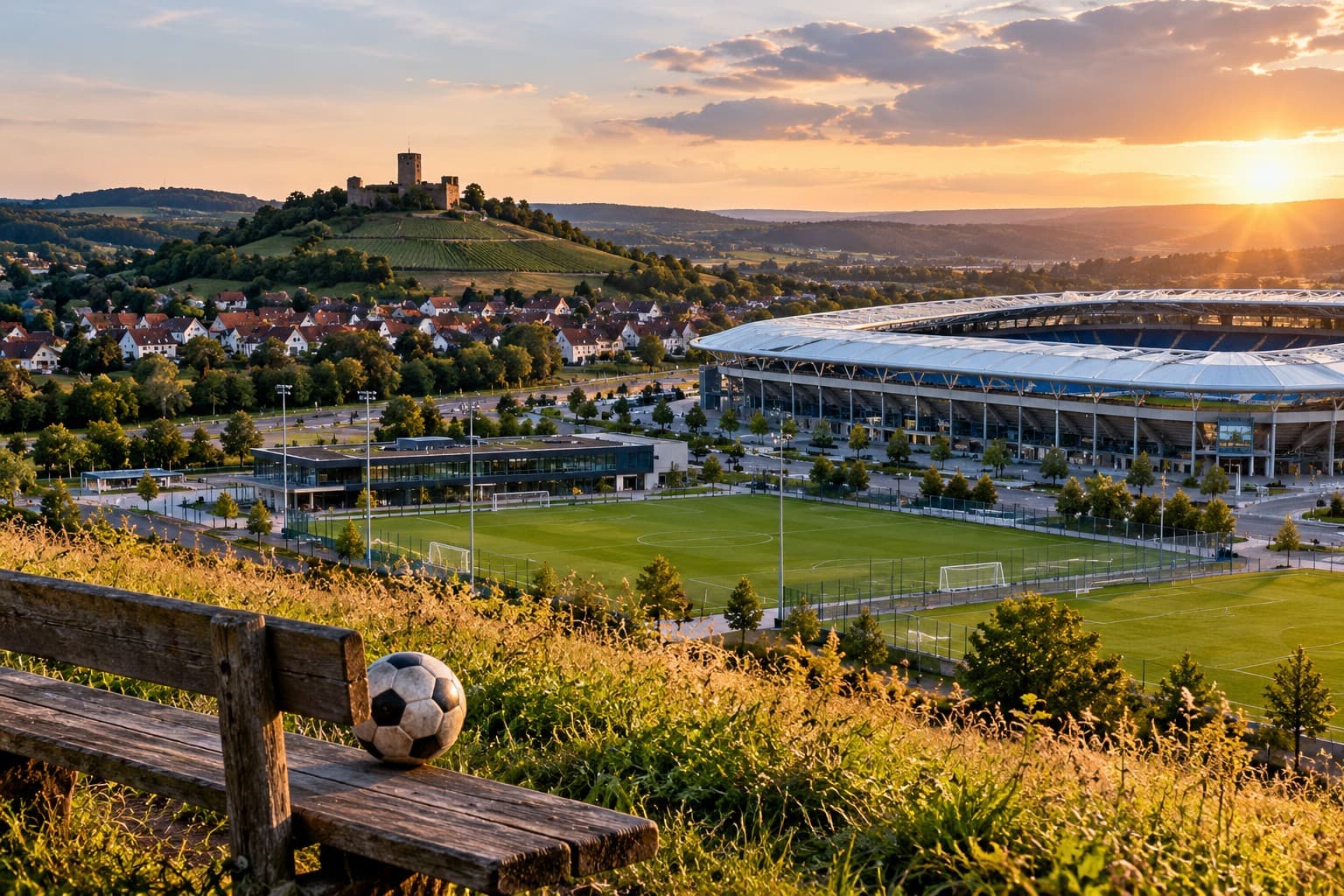
Hoffenheim is not a football metropolis.
It is a village district of Sinsheim in the Kraichgau, a landscape of smaller towns and rolling countryside in south-west Germany.
TSG Hoffenheim was founded in 1899. For most of its history, the club lived far away from the national football spotlight.
That makes what happened next so striking. Within a relatively short period, a club from village football climbed through the German league system, reached the Bundesliga and eventually played in Europe.
II
The Man From Hoffenheim
The central figure in that transformation is Dietmar Hopp.
Hopp grew up in Hoffenheim, played youth football for TSG and later became one of the co-founders of the software company SAP.
After becoming one of Germany's wealthiest entrepreneurs, he invested heavily in sporting and social projects in the region — including the football club from his home village.
This was not ordinary shirt sponsorship. Hopp's financial backing helped professionalise Hoffenheim, improve infrastructure, recruit players and coaches and create the conditions for an ambition that would previously have seemed unrealistic.
That personal connection is essential to understanding the story. Hopp was not an outside investor who discovered a club as a business opportunity. His relationship with Hoffenheim pre-dated his fortune.
But the scale of that fortune also meant the club could develop at a speed few traditional amateur clubs could match.

III
The Rise
The decisive acceleration came in the 2000s.
With professional structures, significant investment and Ralf Rangnick as head coach, Hoffenheim moved rapidly through the divisions.
Promotion to the 2. Bundesliga arrived in 2007. One year later, the club reached the Bundesliga.
For German football, the speed was almost as important as the destination.
Established clubs often tell stories stretching across generations: promotions, relegations, financial crises, packed terraces and decades of accumulated memory. Hoffenheim appeared to compress much of the sporting journey into a handful of seasons.
On the pitch, the newly promoted team initially became one of the Bundesliga's most exciting stories. Off the pitch, the debate was already much larger than results.
IV
When The Fairytale Became A Controversy
There are two ways of looking at the rise, and German football has argued about them ever since.
One is the remarkable local story: a man who grew up in Hoffenheim used his wealth to transform the club he had known since childhood, building infrastructure and taking football in the region to a level nobody had imagined.
The other focuses on competitive power. Hopp's investment allowed Hoffenheim to build professional structures and a squad far beyond what its traditional supporter base and commercial income would otherwise have supported.
For critics, that challenged an important cultural idea: that a club's place in the football hierarchy should grow primarily through sporting history, membership, supporters and revenue generated over time.
Hoffenheim therefore became more than a club. It became a symbol in a much larger argument about what German football should be.

V
Hopp And 50+1
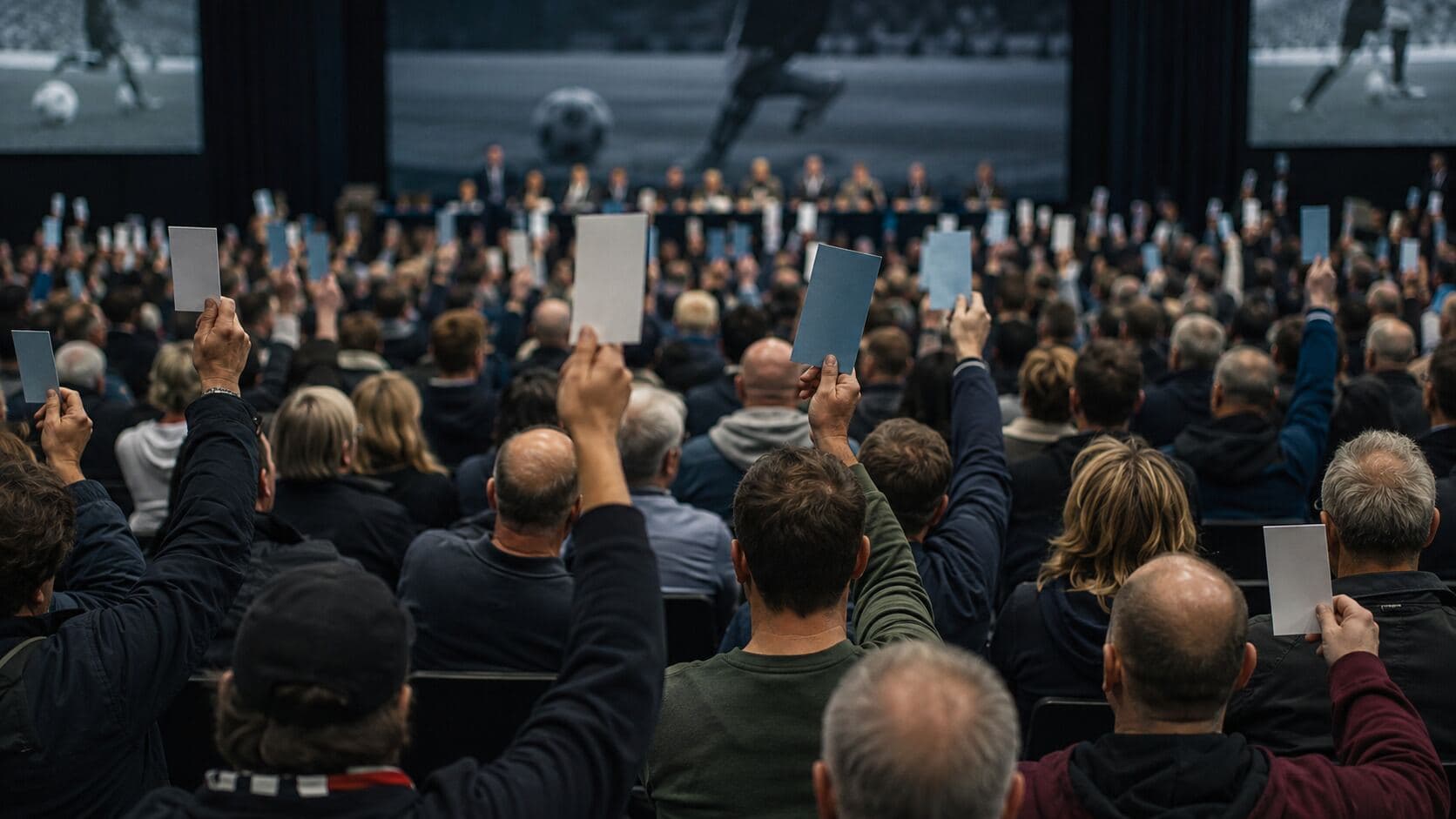
The debate inevitably reached one of the defining structures of German football: the 50+1 rule.
In simple terms, 50+1 is designed to preserve decisive member control over a professional football operation rather than allowing an external investor to take unrestricted control.
Hoffenheim became particularly important to the debate because Hopp's long-term support of the club qualified him for the investor exception that existed under the regulations at the time. His position therefore became different from that of a conventional sponsor.
The legal and regulatory history is more complicated than a single Hoffenheim story can explain, and the rules have continued to evolve.
What matters here is cultural: for many supporters, Hoffenheim became a test case for how much influence one wealthy individual should be able to have within a football system built around member control.
VI
The Protests
The conflict did not remain an abstract debate about ownership.
Hoffenheim and Hopp became recurring targets of supporter protests in stadiums across Germany. Banners and choreographies criticised the influence of money, the club's development and Hopp personally.
Some protests addressed legitimate questions about commercialisation, governance and competitive balance. Others crossed into personal abuse and insulting imagery directed at Hopp.
The dispute became especially explosive because sanctions and interruptions of matches were themselves interpreted by some organised supporters as evidence that football authorities treated criticism of a powerful individual differently from other supporter concerns.
The result was a conflict in which several arguments became intertwined: opposition to Hoffenheim's model, resistance to sanctions, defence of supporter expression and condemnation of personal abuse.
To understand why such disputes can spread across many clubs at once, you need to understand something else about German football: supporters do not always see themselves merely as customers.
VII
From Village Club To Europe
While the arguments continued, Hoffenheim remained in the Bundesliga.
That matters because the club gradually stopped being a temporary curiosity. Seasons became decades. Players developed, coaches changed and a generation of supporters grew up knowing Hoffenheim primarily as a Bundesliga club.
The sporting rise eventually reached European competition, taking the name of a small Kraichgau village onto an international stage.
The club that critics once expected to disappear with the novelty of its ascent had become part of the permanent landscape of modern German football.
That does not settle the argument around Hoffenheim. It changes the question.
VIII
What Does Tradition Mean?
TSG Hoffenheim was founded in 1899.
On age alone, that makes it older than many famous football institutions.
Yet in German football culture, the word Traditionsverein usually means something more complicated than a founding date.
It can involve generations of supporters, collective memory, local identity, membership, stadium culture, sporting suffering and the sense that a club has grown organically with the people around it.
Hoffenheim forces that definition into the open.
Can tradition be created over time? Does rapid investment change how history is perceived? And when does a controversial new Bundesliga presence simply become part of football history itself?

Continue Your Journey
Keep Exploring German Football.
Follow this story into its club, its football world and another chapter of German football culture.

Club World
TSG Hoffenheim World
Village Club. Bundesliga Story.
Explore Club →
City World
Sinsheim World
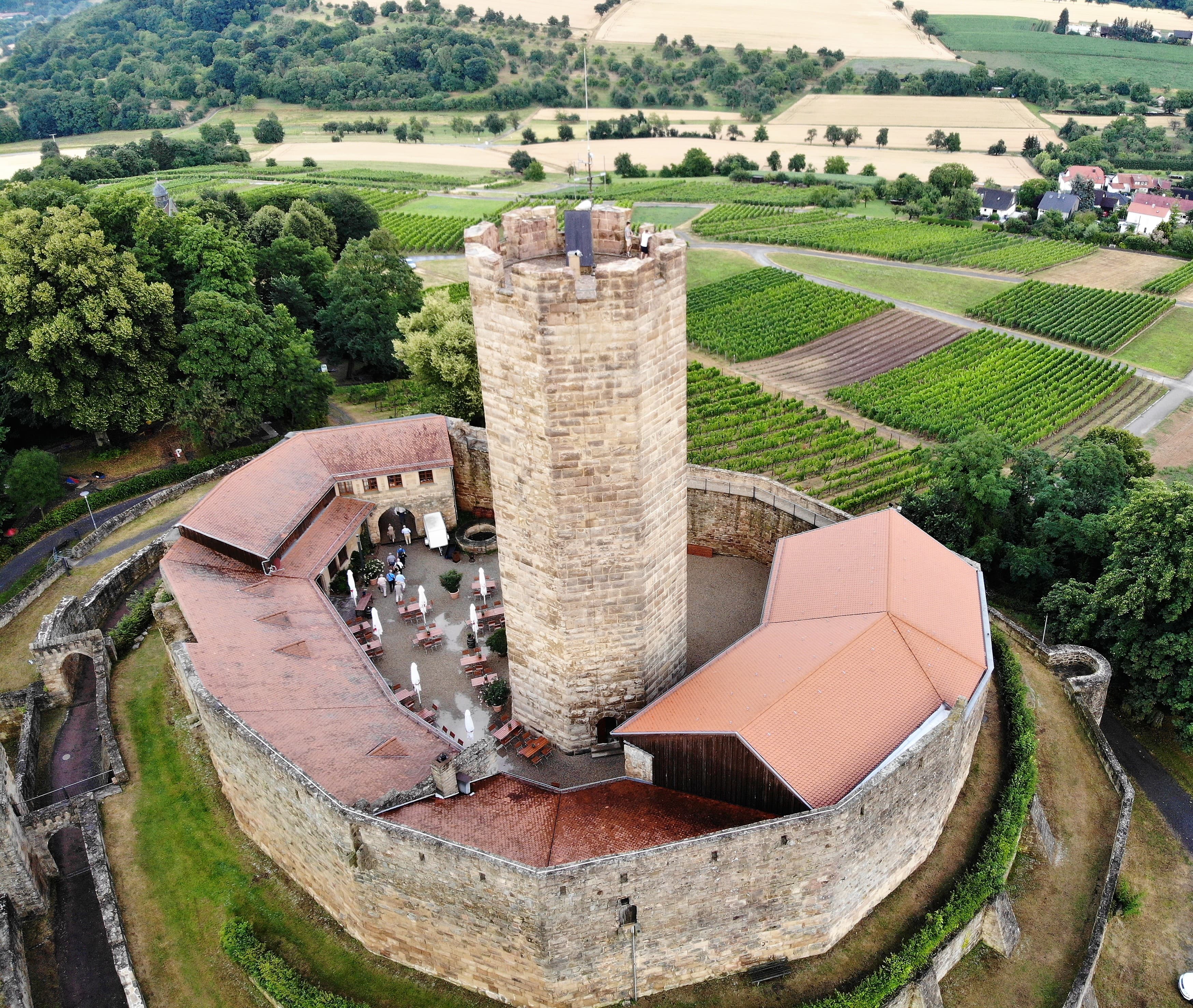
Discover the small-city and village setting behind one of modern German football's most unusual Bundesliga stories.
Explore World →
Another Club World
SC Freiburg World
The Freiburg Way
Explore Club →
Related Culture
More Than A Football Club
A neighborhood, a community and an identity that reaches far beyond the pitch.
Read Story →