
Club Culture
More Than A Football Club
At the Millerntor, football belongs to a neighbourhood, a community and an idea of what a club can represent.
Hamburg · St. Pauli
I
A Club in the Neighbourhood
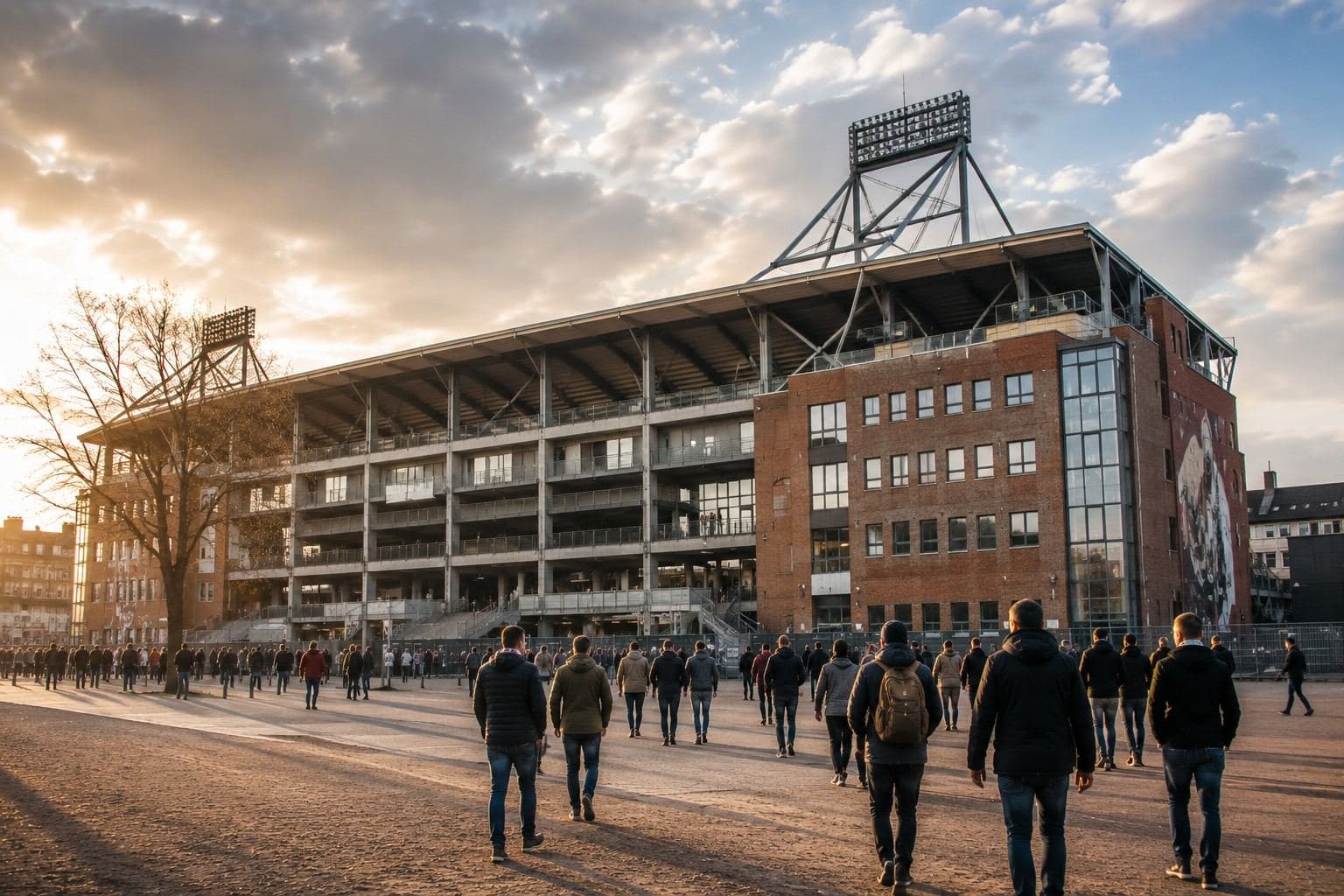
The Millerntor-Stadion does not stand apart from Hamburg. It sits inside one of the city's most distinctive neighbourhoods.
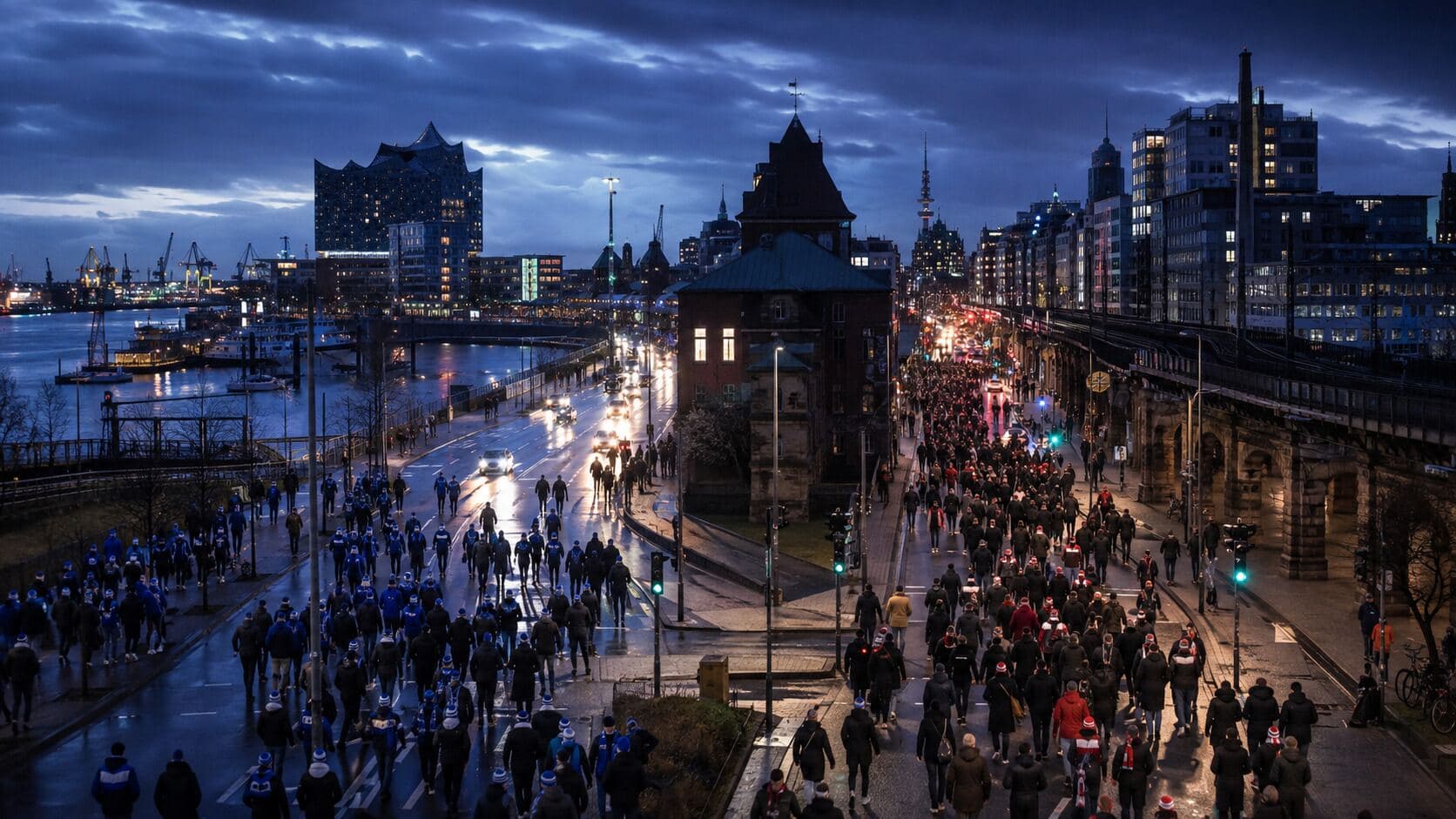
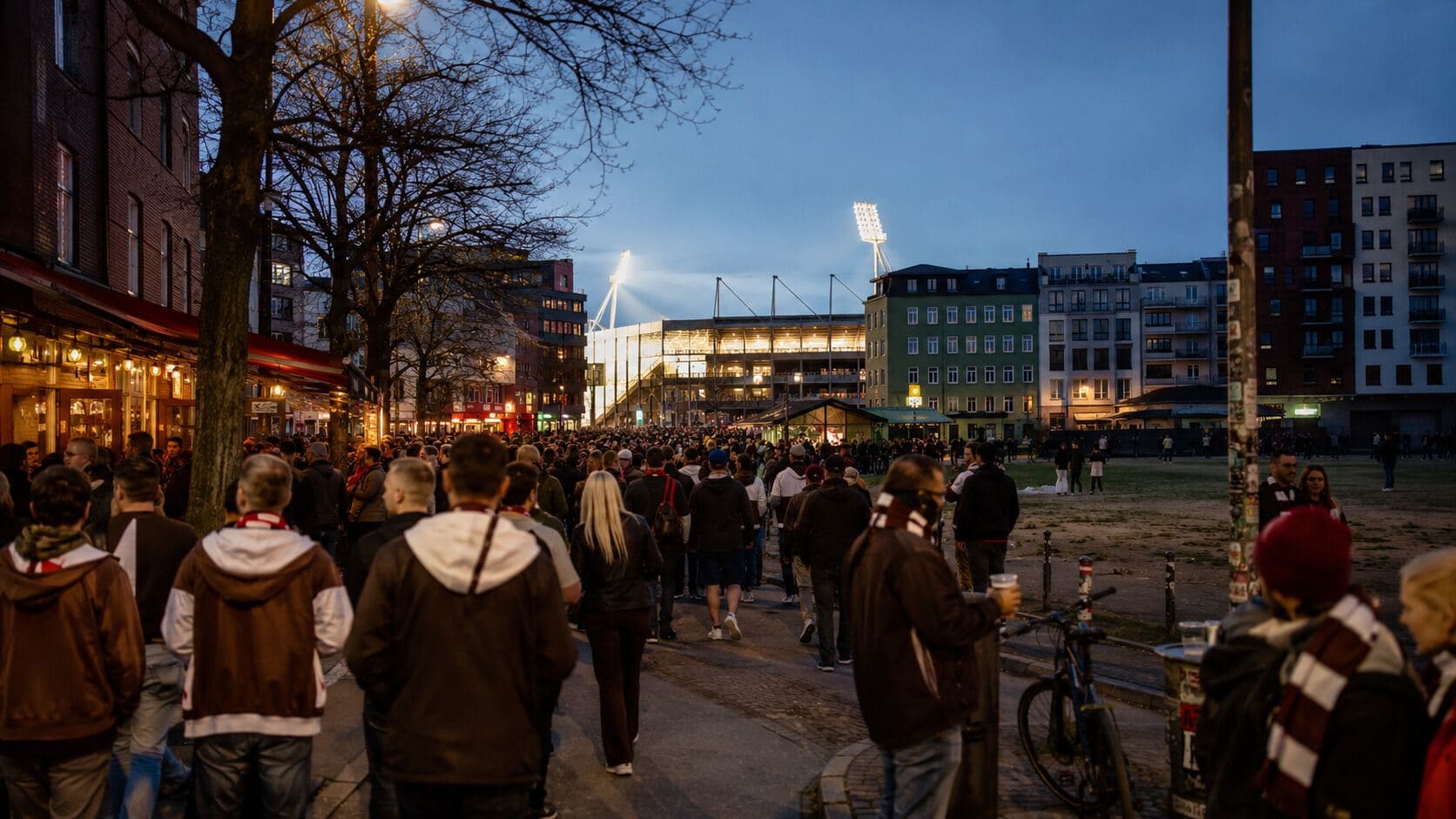
The Reeperbahn is only a few minutes away. Bars, music venues, apartments, social organisations and streets filled with visitors surround the ground. On matchday, the stadium does not replace the neighbourhood. It becomes part of it.
This proximity has shaped FC St. Pauli. The club is named after the district, carries its contradictions and accepts a responsibility towards the people who live there.
It is difficult to separate the football club from the place around it. That is precisely the point.
II
Built From the Stands
The identity associated with FC St. Pauli today was not created at the club's foundation in 1910. For much of its history, St. Pauli was a relatively ordinary football club moving between different levels of the German game.
The transformation began during the 1980s. Punks, squatters, students, activists and people from the district increasingly found a place at the Millerntor.
They brought more than scarves and flags. They brought expectations about the kind of space a football stadium should be.
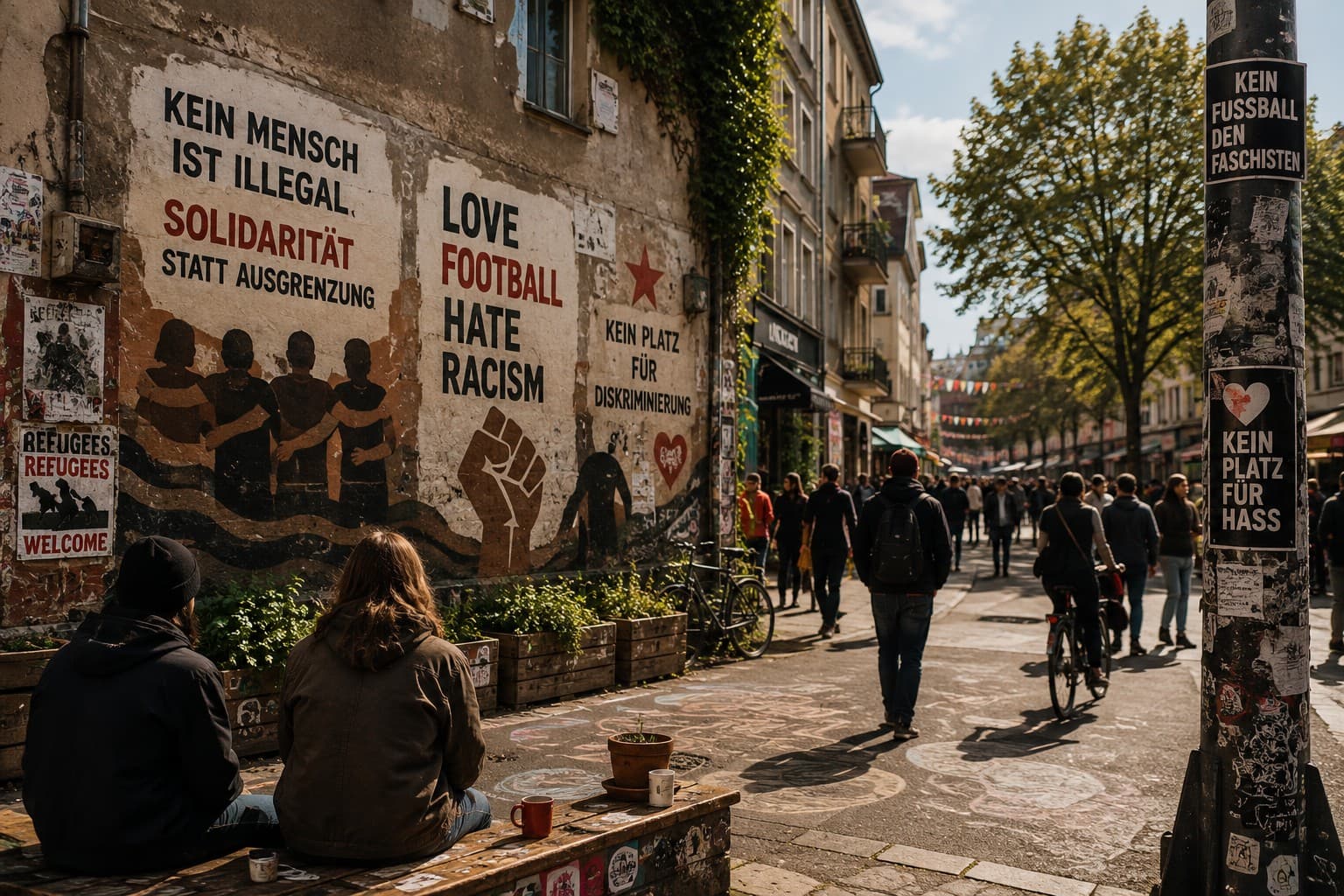
As racism, nationalism and far-right violence became visible on terraces elsewhere, St. Pauli supporters positioned their stadium in opposition. Anti-fascism, anti-racism and resistance to discrimination became central parts of the developing fan culture.
The change did not come from a slogan imposed from above. It grew from the people occupying the stands.
III
Football Is Not Separate
Many football clubs prefer to present sport as something separate from politics and society. FC St. Pauli's culture begins with the opposite assumption.
A club is shaped by who feels welcome, whose voices are heard and what behaviour is accepted. Decisions about racism, sexism, homophobia or exclusion are therefore not external to football. They determine what kind of football community exists.
In 2009, FC St. Pauli formally adopted a set of guiding principles developed through discussion among members, supporters, employees and volunteers.
The principles describe the club as part of society and recognise its social and political responsibility. They also identify St. Pauli as a neighbourhood club whose character can inspire identification independently of sporting success.
The values did not suddenly appear when they were written down. The document gave an institutional form to a culture that had developed over decades.
IV
Participation, Not Perfection
The phrase “more than a football club” can sound comfortable. It suggests a club whose values are settled and whose identity is beyond criticism.
St. Pauli is more complicated than that.
The club operates inside professional football. It needs commercial partners, television income and sporting success. Its symbols are sold around the world. Its international popularity creates new opportunities and new tensions.
Supporters regularly debate whether decisions reflect the values the club claims to represent. They protest, organise, question commercial arrangements and challenge those running the institution.
This can make FC St. Pauli look less unified from the outside. In reality, disagreement is part of a member-led football culture. Identity is not preserved by pretending contradictions do not exist. It is preserved by confronting them.
V
A Community Beyond Hamburg
Sporting success alone cannot explain why FC St. Pauli is recognised around the world.
The club has spent much of its history outside Germany's highest division. It has not built its international following through a collection of championships or famous European victories.
People elsewhere recognised something different: a football culture connected to music, neighbourhood identity, political engagement and the belief that supporters can help define their club.
Fan groups carrying the St. Pauli name appeared far beyond Hamburg. For some, the connection began with football. For others, it began with the skull, a concert, an anti-racist campaign or the idea that a professional club could openly take positions.
Not everyone wearing the colours understands the club in the same way. But the size of that international community demonstrates how far an identity formed around one Hamburg stadium can travel.
VI
Still a Football Club
None of this makes the result unimportant.
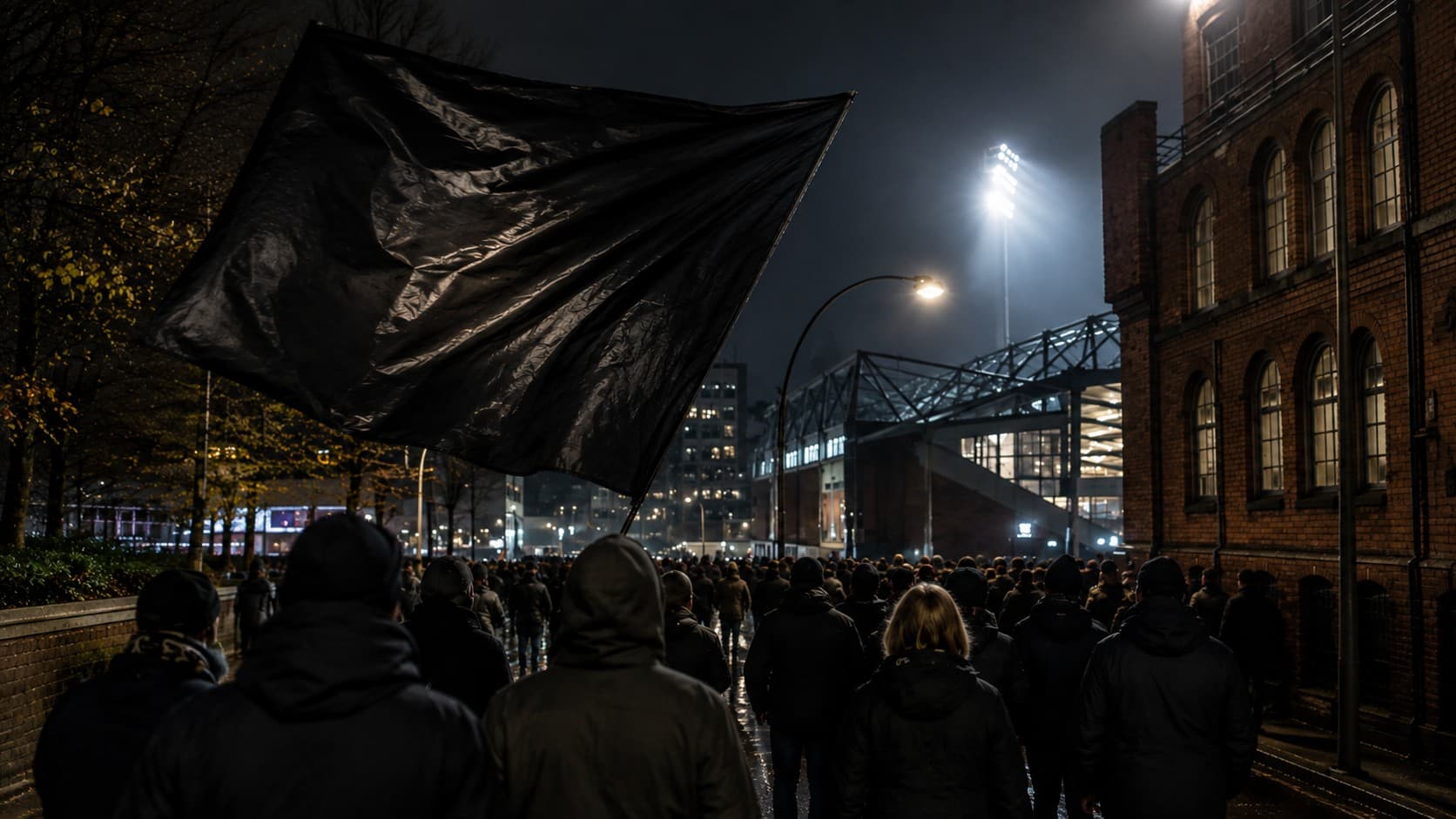
When “Hells Bells” begins and the teams enter the pitch, the Millerntor is not attending a political seminar or celebrating a lifestyle brand. It is waiting for a football match.
Supporters want tackles to be won, chances to be taken and their team to succeed. Promotion matters. Relegation hurts. A late winning goal can overwhelm every other conversation.
What makes FC St. Pauli distinctive is not that football matters less. It is that the meaning of belonging to the club does not end with the final whistle.
The neighbourhood remains. The community remains. The arguments, responsibilities and relationships remain.
Continue Your Journey
Keep Exploring German Football.
Follow this story into its club, its football world and another chapter of German football culture.
Club World
St. Pauli World
More Than a Football Club
Explore Club →
City World
Hamburg World
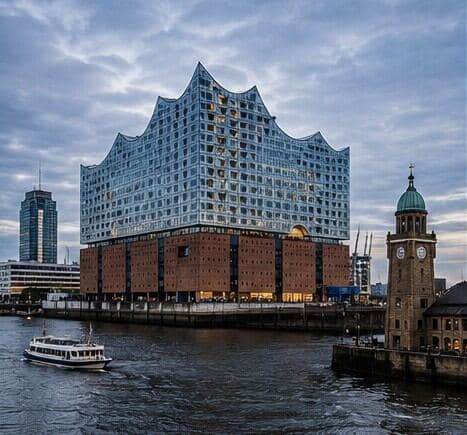
Experience one city, two completely different football worlds.
Explore World →
Another Club World
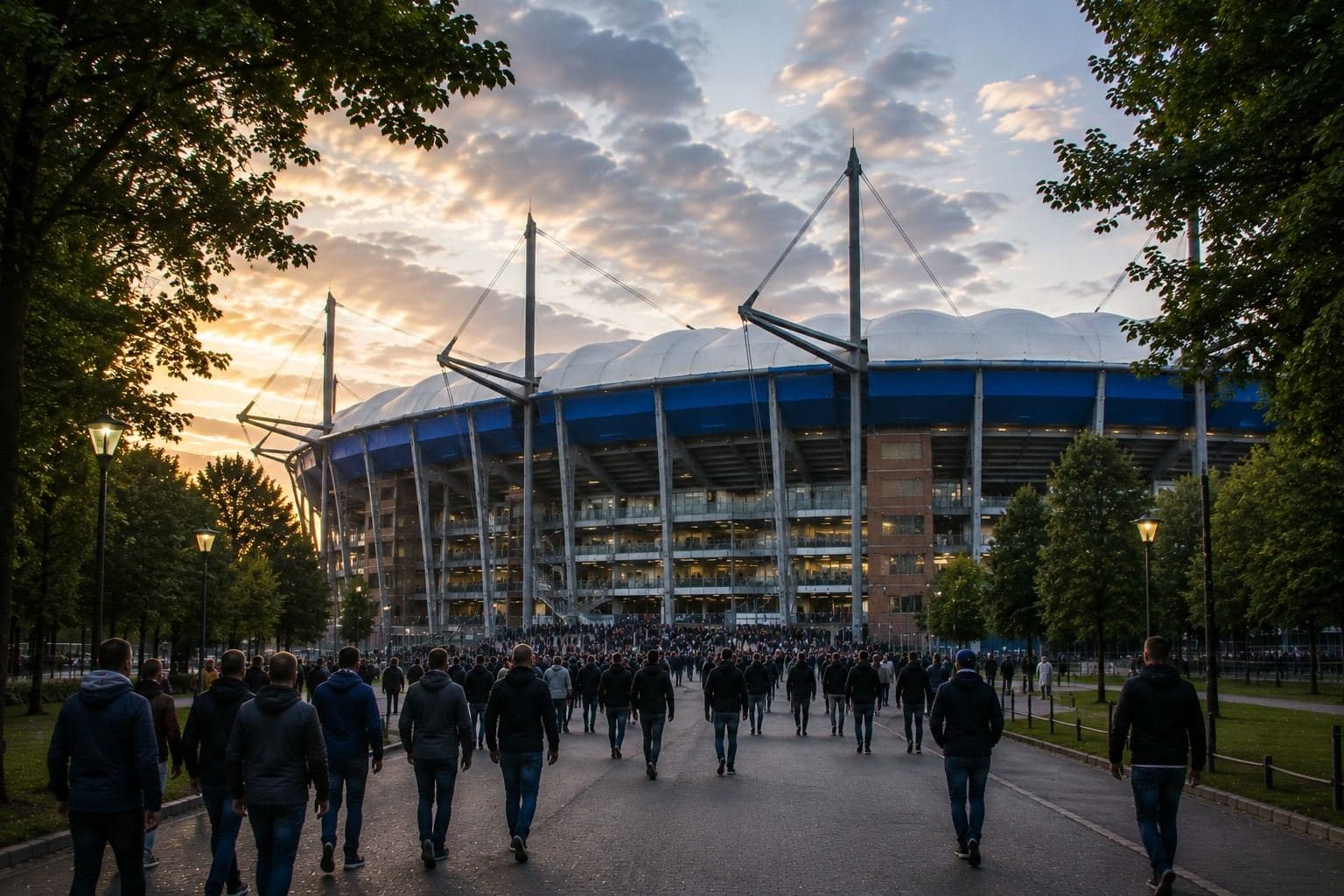
HSV World
Northern Loyalty
Explore Club →
Related Culture
Energy Around The Millerntor
The streets, bars and neighbourhood around the Millerntor become part of the matchday long before kick-off.
Read Story →