
General Football Culture
What Is 50+1?
The rule at the centre of German football’s argument about ownership, investment and who a club should belong to.
Germany
I
More Than a Number
Attend enough matches in Germany and you will eventually see the message.
It appears on banners behind the goal, stickers outside stadiums and flags carried during demonstrations:
To someone unfamiliar with German football, the number can seem strangely technical. It sounds like a regulation discussed by lawyers, accountants and club executives.
Yet for many German supporters, 50+1 represents something deeply emotional. It expresses the belief that a football club should remain shaped by its members rather than controlled entirely by an outside investor.
The rule is therefore both a legal structure and a cultural symbol.
II
How It Works
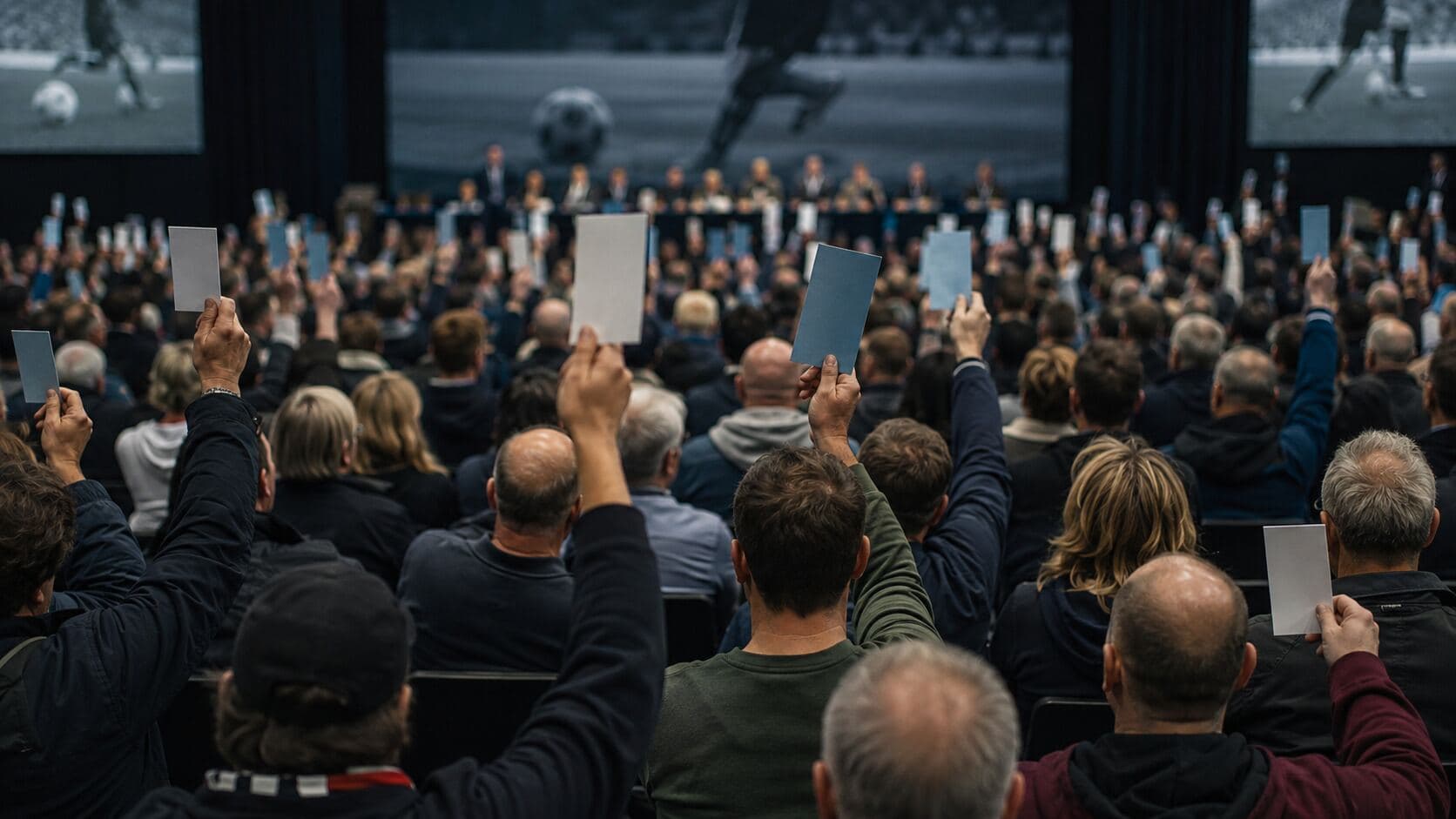
Traditional German clubs are membership associations. Supporters can join the club, attend general meetings and vote on important positions and decisions.
Modern professional football, however, requires large commercial operations. Many clubs have separated their professional team into a company that can attract investment and operate independently from the wider sporting association.
This is where 50+1 becomes important.
The parent members' club must retain the majority of the voting rights in the professional football company. In simplified terms, it must control fifty percent of the votes plus at least one additional vote.
Outside investors can still buy shares and provide capital. They should not, however, be able to take complete control away from the member-based club.

III
Ownership Is Not Control
One reason 50+1 is often misunderstood is that shares and voting control are not always the same thing.
A company may own a significant economic stake in a professional football operation without possessing the decisive vote over its management.
Clubs also use different corporate structures. Some professional teams operate as limited companies. Others use joint-stock companies or more complicated arrangements involving separate management entities.
The exact diagrams can become difficult to follow. The underlying principle is simpler: the members' association must retain the controlling influence required by the league rules.
This does not mean that every supporter votes on transfers, tactics or sponsorship agreements. Members normally elect representatives and leadership bodies that make decisions on their behalf.
The members do not run the team from the terrace. They retain a formal route through which the club's leadership can be influenced and held accountable.
IV
Why Supporters Defend It
German supporters often describe themselves as members rather than customers. The distinction matters.
A customer purchases a product offered by somebody else. A member belongs to the institution providing it.
That sense of participation helps explain why debates over ticket prices, stadium names, club colours and kick-off times become so intense. Supporters believe they have a legitimate interest in how their club develops.
The rule does not guarantee affordable tickets, good leadership or respect for tradition. Member-controlled clubs can still make unpopular decisions and serious financial mistakes.
But 50+1 creates a barrier against one outside owner acquiring the club and changing its direction without a meaningful connection to the membership.
V
Exceptions and Arguments
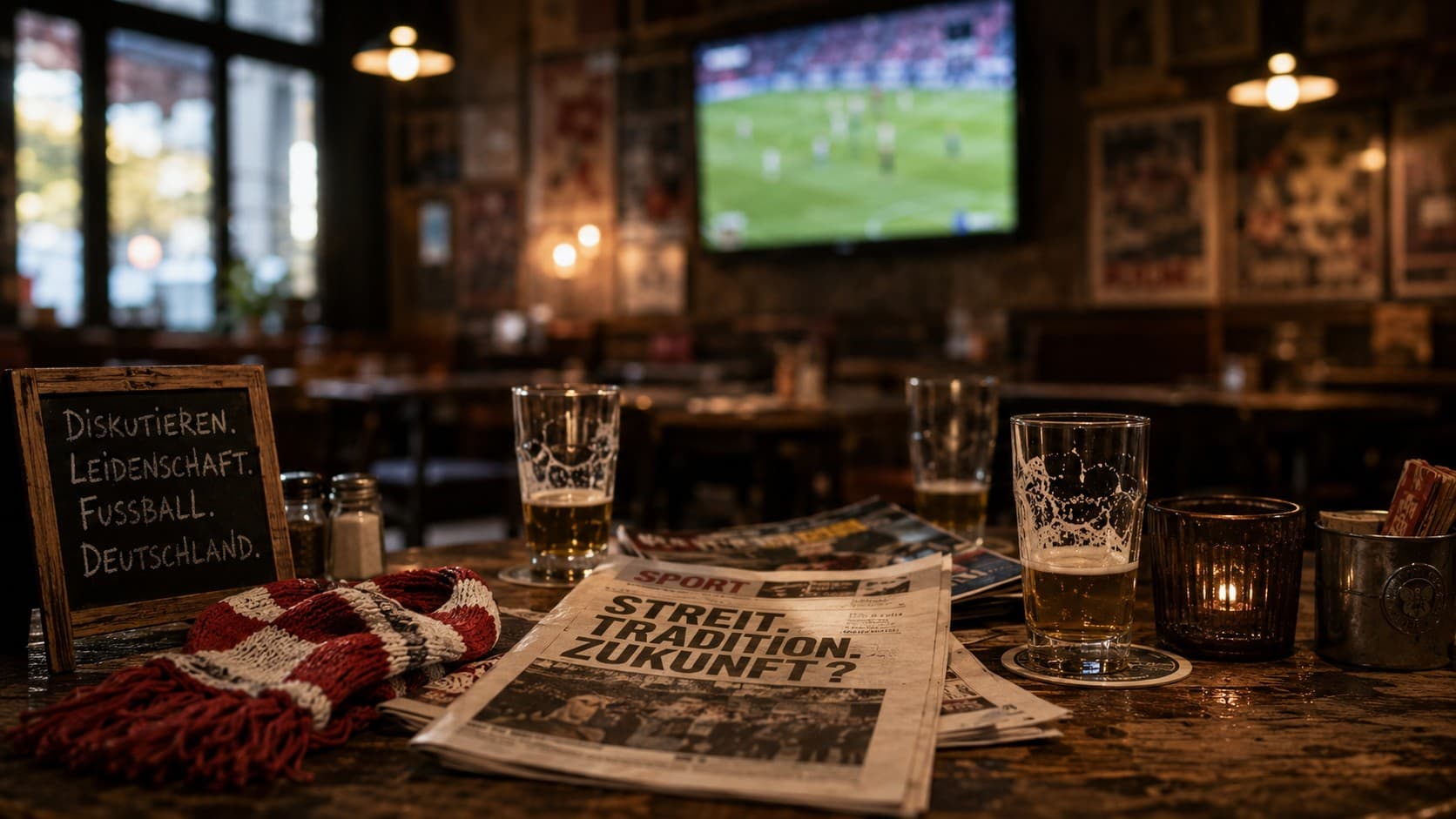
The system has never been as simple or consistent as its name suggests.
Bayer Leverkusen and VfL Wolfsburg have historically operated under special exemptions connected to the long-term involvement of Bayer and Volkswagen. Those arrangements have repeatedly raised questions about whether the rule treats every club equally.
RB Leipzig created a different controversy. The club formally entered the German league system within the regulations, but critics argue that its limited path to voting membership and close relationship with Red Bull conflict with the participatory purpose of 50+1.
There is also a financial argument. Opponents of the rule believe German clubs may struggle to compete internationally against teams financed by wealthy private owners, investment funds or states.
Supporters of 50+1 answer that competitive disadvantages do not justify surrendering control. For them, becoming more like investor-owned clubs elsewhere would destroy part of what makes German football attractive in the first place.

VI
A Rule Still Being Defined
The legal debate surrounding 50+1 has continued for years. The rule restricts outside control and therefore has consequences for economic competition.
In August 2026, Germany's Federal Cartel Office completed its long-running examination without raising fundamental objections to the basic rule. It recognised the preservation of club identity and public participation as legitimate objectives.
That did not settle every question. German football must still address issues including open access to membership, consistent application and the future treatment of historical exemptions.
The details may change. The central disagreement will remain.
How much financial power should an investor be allowed to exercise? How open must a club be to ordinary members? And how much competitive strength should German football sacrifice to preserve a different model of ownership?
It is not a perfect solution. It is a decision about which imperfection German football is willing to accept.
Continue Your Journey
Keep Exploring German Football.
Follow this story into its club, its football world and another chapter of German football culture.

Club World
Hertha BSC World
The Dream Remains
Explore Club →

City World
Berlin World
Explore Germany's biggest football city.
Explore World →
Another Club World
Union Berlin World
Built Together
Explore Club →
Related Culture
Olympiastadion Experience
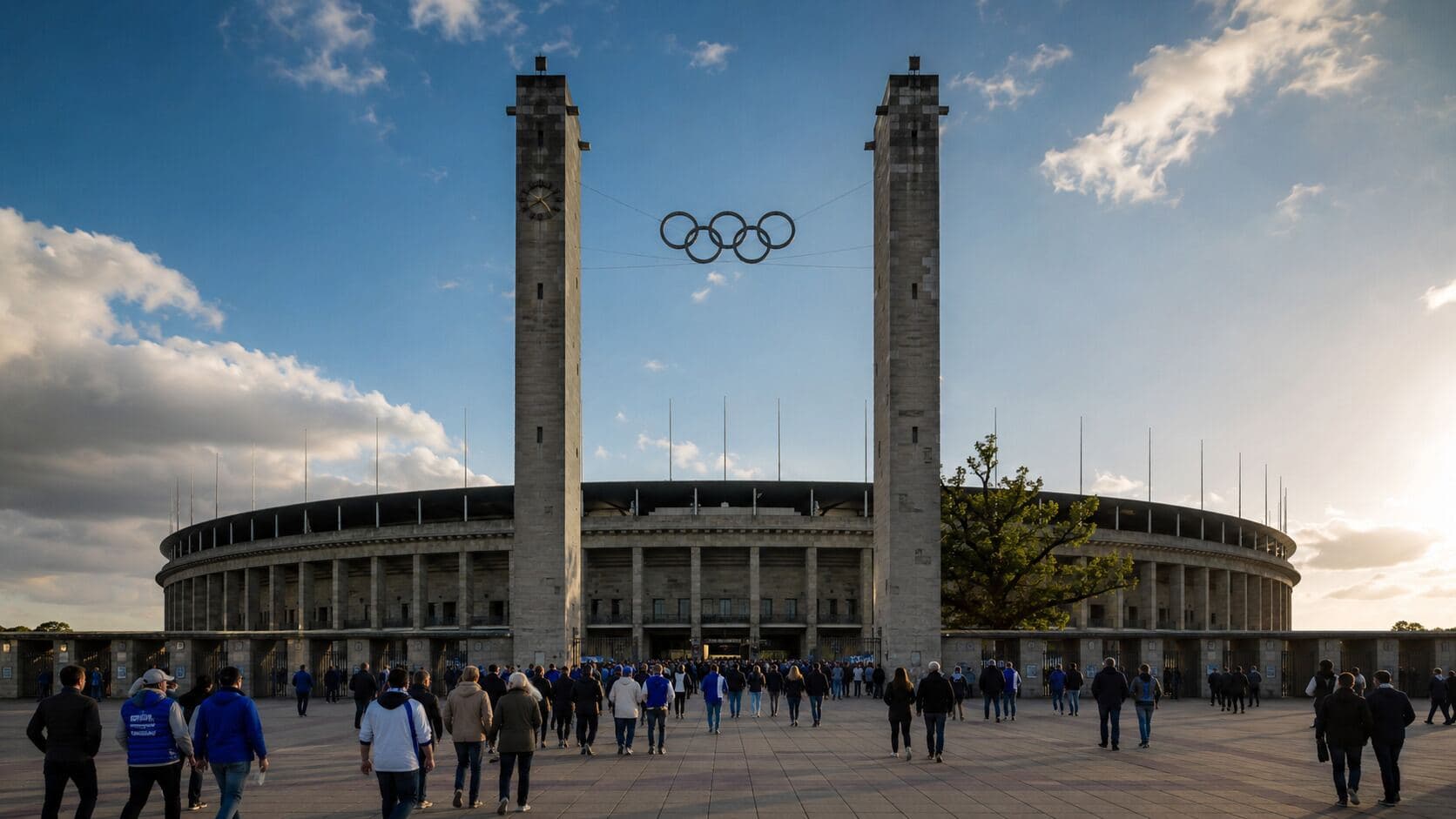
Experience Hertha matchday inside one of Europe's most monumental and historically complex sporting arenas.
Read Story →