Club Culture
Built Together
At Union Berlin, supporters did not simply save their club. They helped build its home.
Berlin · Union Berlin
I
Into the Forest
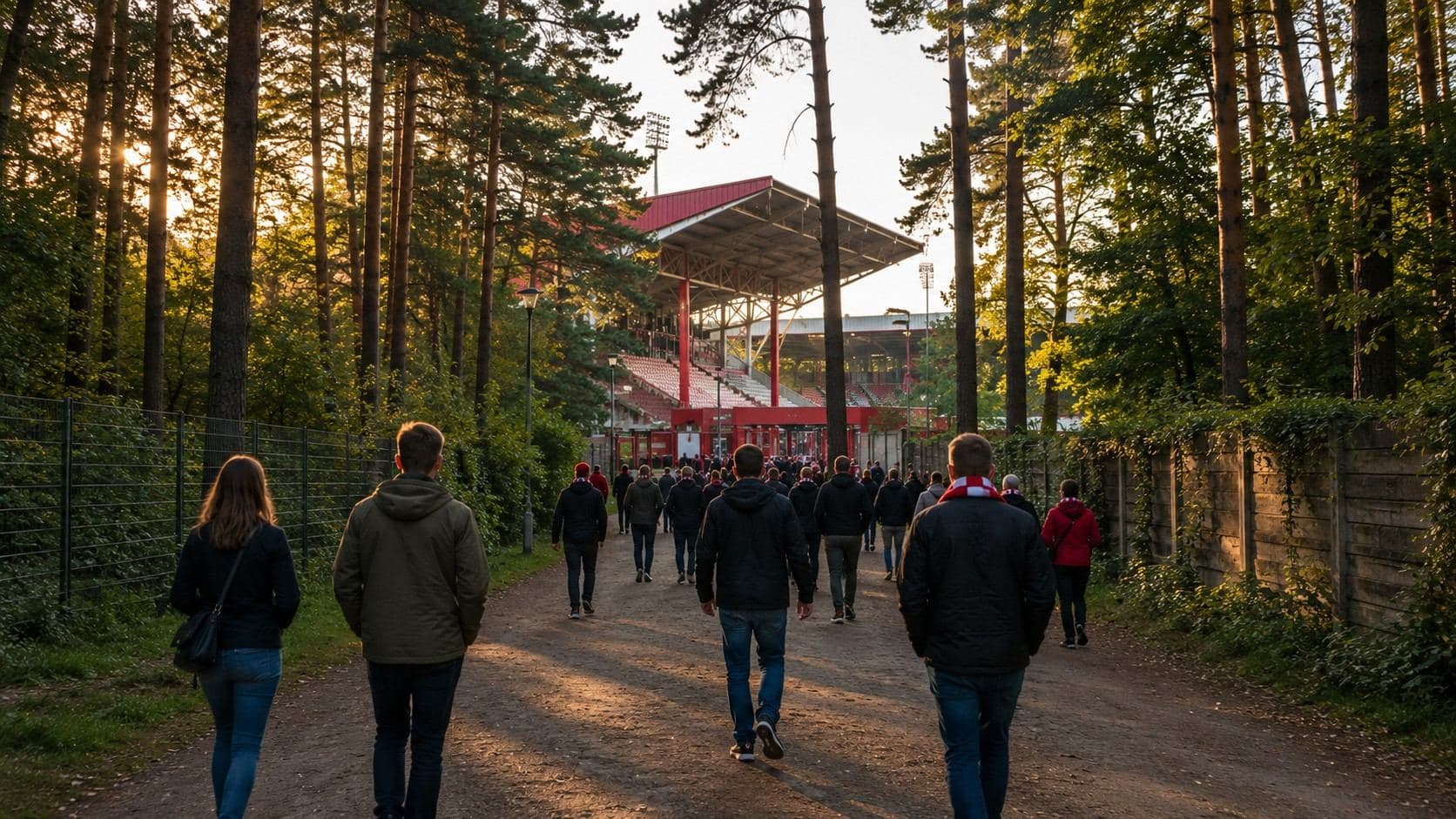
The journey to Union Berlin leads away from the monumental centre of the capital.
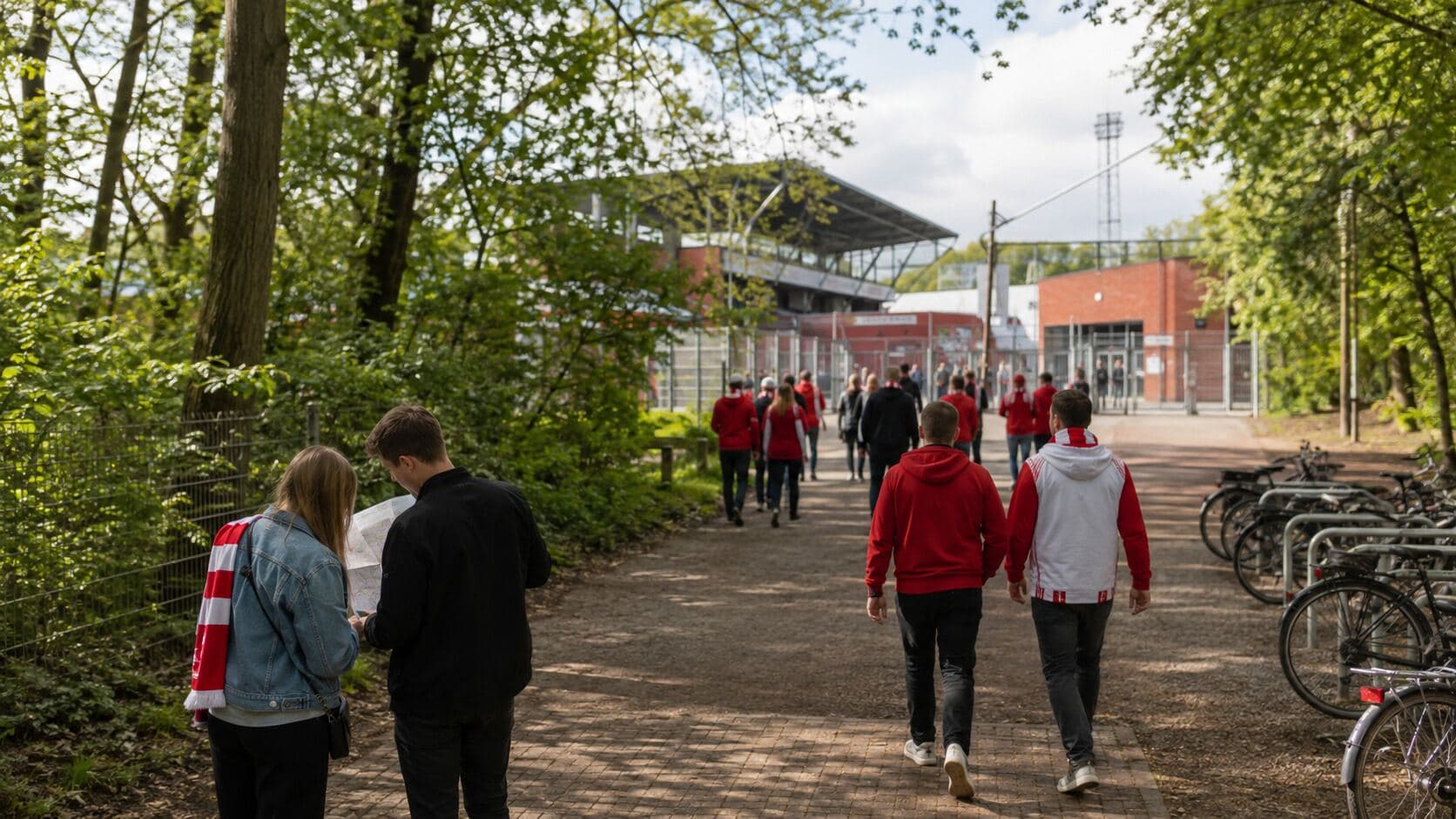
In Köpenick, red and white scarves move through residential streets and towards the trees. The Stadion An der Alten Försterei does not reveal itself all at once. It waits inside the landscape that has surrounded Union for generations.
From the outside, it is an intimate football ground dominated by standing terraces. For Union supporters, it represents something more personal.
They did not only watch its history.
They physically helped build it.
II
A Club in Danger
Union's modern story was not built on certainty. After German reunification, the club repeatedly struggled financially and remained far from the success and resources associated with the Bundesliga.
In 2004, its existence was under serious threat. Union needed to provide financial guarantees to secure its playing licence.
Supporters responded with a campaign called “Bluten für Union” — “Bleed for Union”. Fans donated blood and directed the compensation they received towards the club.
The money alone did not solve every problem. The importance of the campaign came from what it demonstrated. People were willing to give something of themselves to keep Union alive.
It was an unusually literal expression of football loyalty.
III
A Stadium Problem
By 2008, Union faced another challenge. The Alte Försterei required major renovation if the club was to continue progressing through professional football.
Modernising a stadium is expensive. Union did not possess the financial resources available to larger clubs, and there was no outside investor arriving to provide an easy solution.
Leaving Köpenick for another Berlin stadium would have solved part of the technical problem. It would also have separated Union from the place that gave the club its identity.
Union had played at the Alte Försterei since 1920. The ground, the forest and the journey towards it formed part of the relationship between the club and its supporters.
The decision was made to rebuild.
Then came the question that defined the project: what if the supporters helped do it themselves?
IV
140,000 Hours
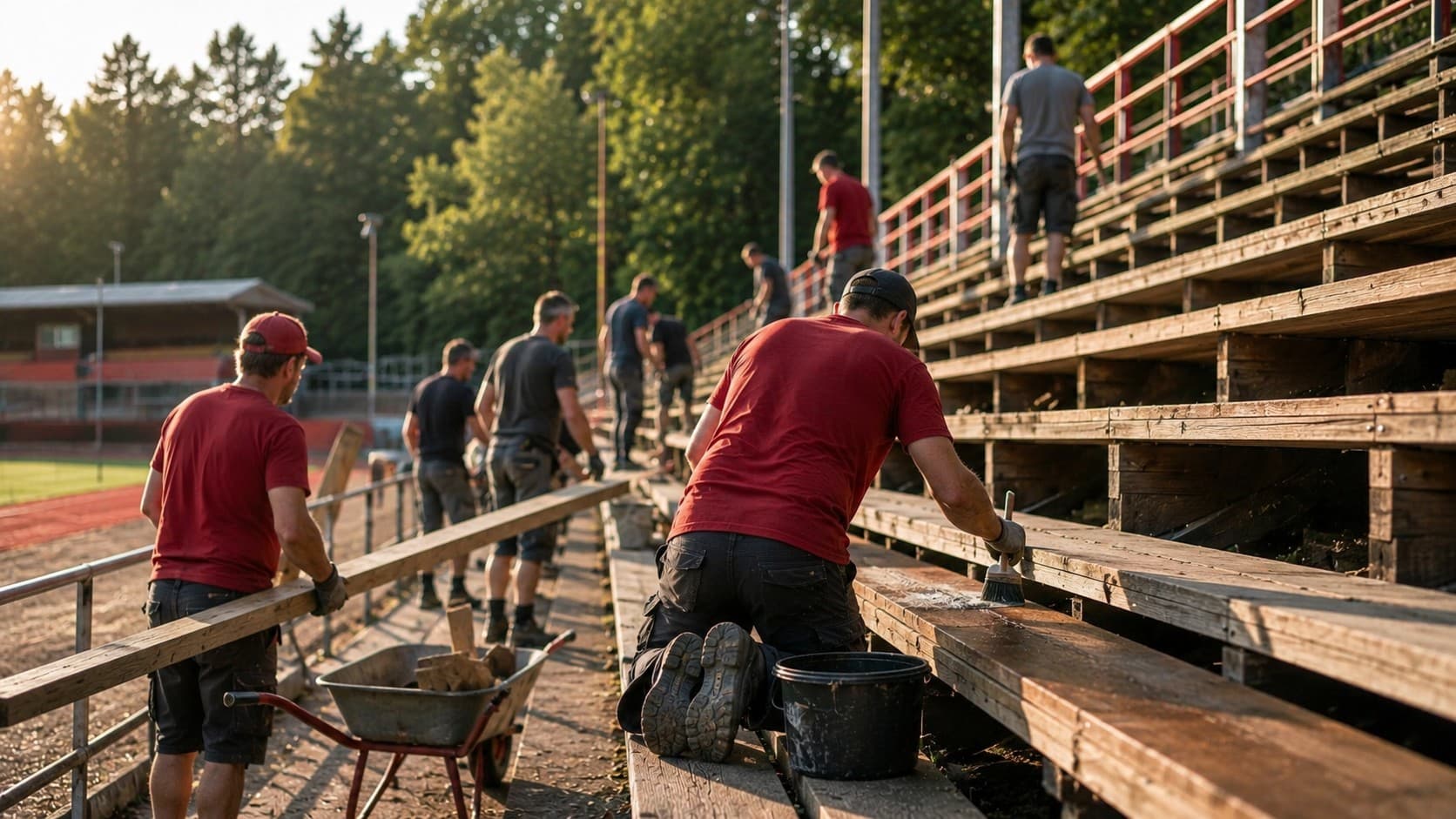
From June 2008 to July 2009, more than 2,300 volunteers worked on the renovation of the Stadion An der Alten Försterei.
Together, they contributed approximately 140,000 working hours.
Supporters removed old terraces, carried materials, laid concrete and helped construct the ground in which they would later stand. Some brought professional skills. Others brought time, strength and a willingness to learn.
This was not a symbolic afternoon organised for photographs. The work continued across months and seasons. It required coordination, endurance and trust.
The project saved costs, but its meaning cannot be measured only in money. Every completed section made the relationship between supporter and stadium tangible.
A terrace is usually something a fan purchases permission to occupy. At Union, many of the people standing there could remember helping construct it.
V
A Home, Not an Arena
The rebuilt Alte Försterei retained the character that mattered most. Standing terraces continued to dominate the stadium, keeping supporters close to the pitch and to one another.
Union later added a new main stand, but the ground did not become an anonymous modern arena. It remained recognisably connected to Köpenick and to the people who had rebuilt it.
That home became the foundation for an extraordinary sporting rise. Union progressed through the second division, reached the Bundesliga in 2019 and eventually qualified for European competition.
The scale of the matches changed. Opponents became more famous. The club travelled from lower-league uncertainty to the Champions League.
Yet the central image of Union's identity remained a stadium reconstructed during the years before any of that success appeared possible.

VI
What Together Means
Many clubs describe their supporters as a family or community. At Union Berlin, those words are connected to specific acts.
People donated blood when the club needed money. Volunteers gave thousands of hours when the stadium needed rebuilding. Members later gained opportunities to purchase shares connected to the ground.
None of this means that everyone at Union always agrees. Nor does it protect the club from the pressures and contradictions of modern professional football.
It means that participation is embedded in the story of how the club survived and grew.
On matchday, the terraces are filled with supporters. Look more closely and some of them are also the people who carried, poured, cleared and constructed the place beneath their feet.
Continue Your Journey
Keep Exploring German Football.
Follow this story into its club, its football world and another chapter of German football culture.
Club World
Union Berlin World
Built Together
Explore Club →
City World
Berlin World
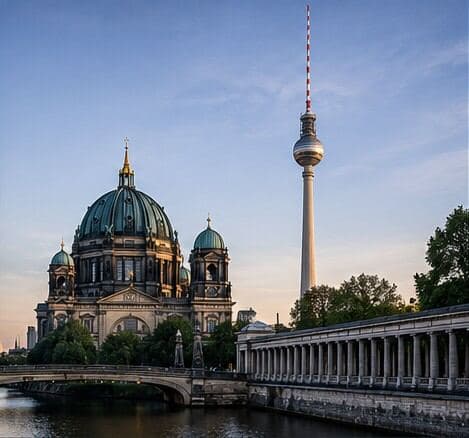
Explore Germany's biggest football city.
Explore World →
Another Club World
Hertha BSC World
The Dream Remains
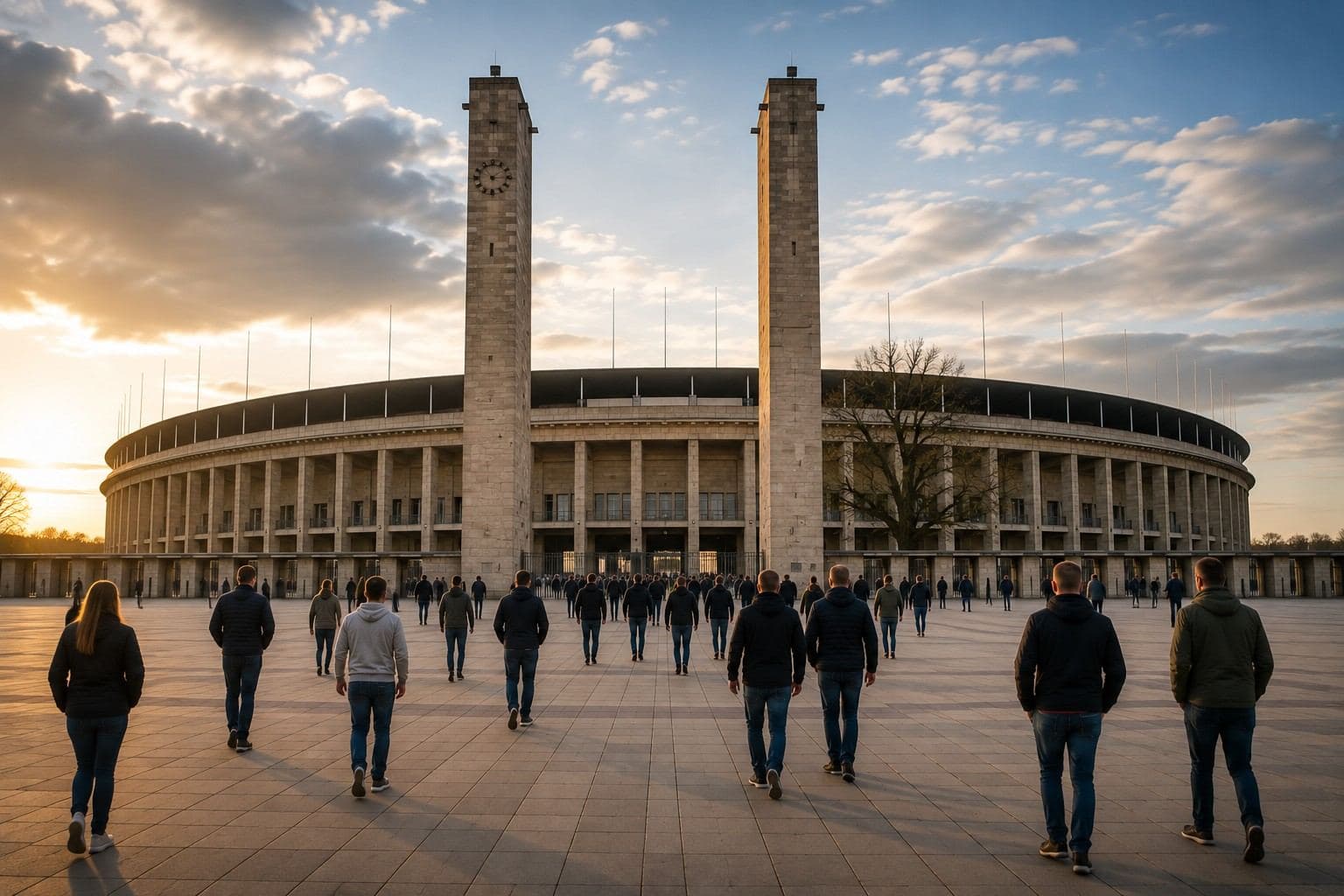
Explore Club →
Related Culture
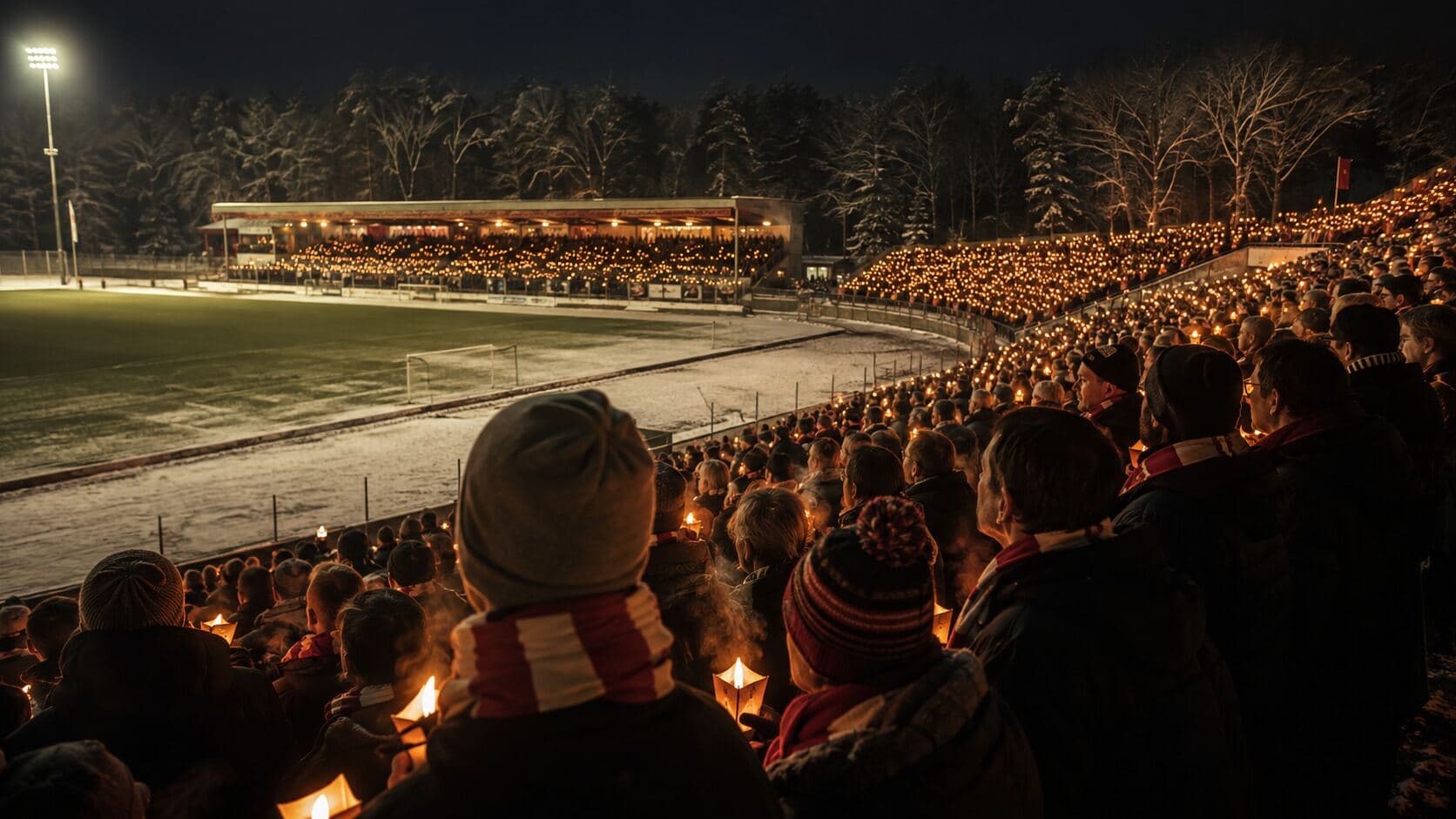
Christmas at the Alte Försterei
What began with 89 supporters singing in a dark stadium became one of German football's most extraordinary traditions.
Read Story →