Matchday Germany
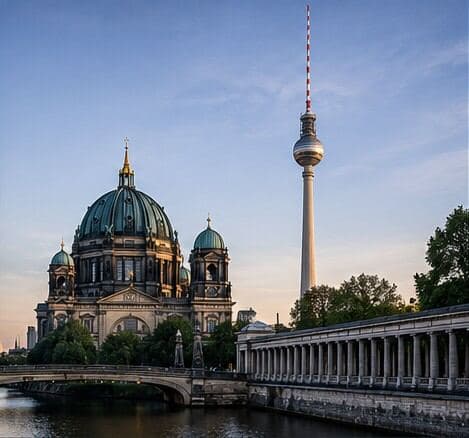
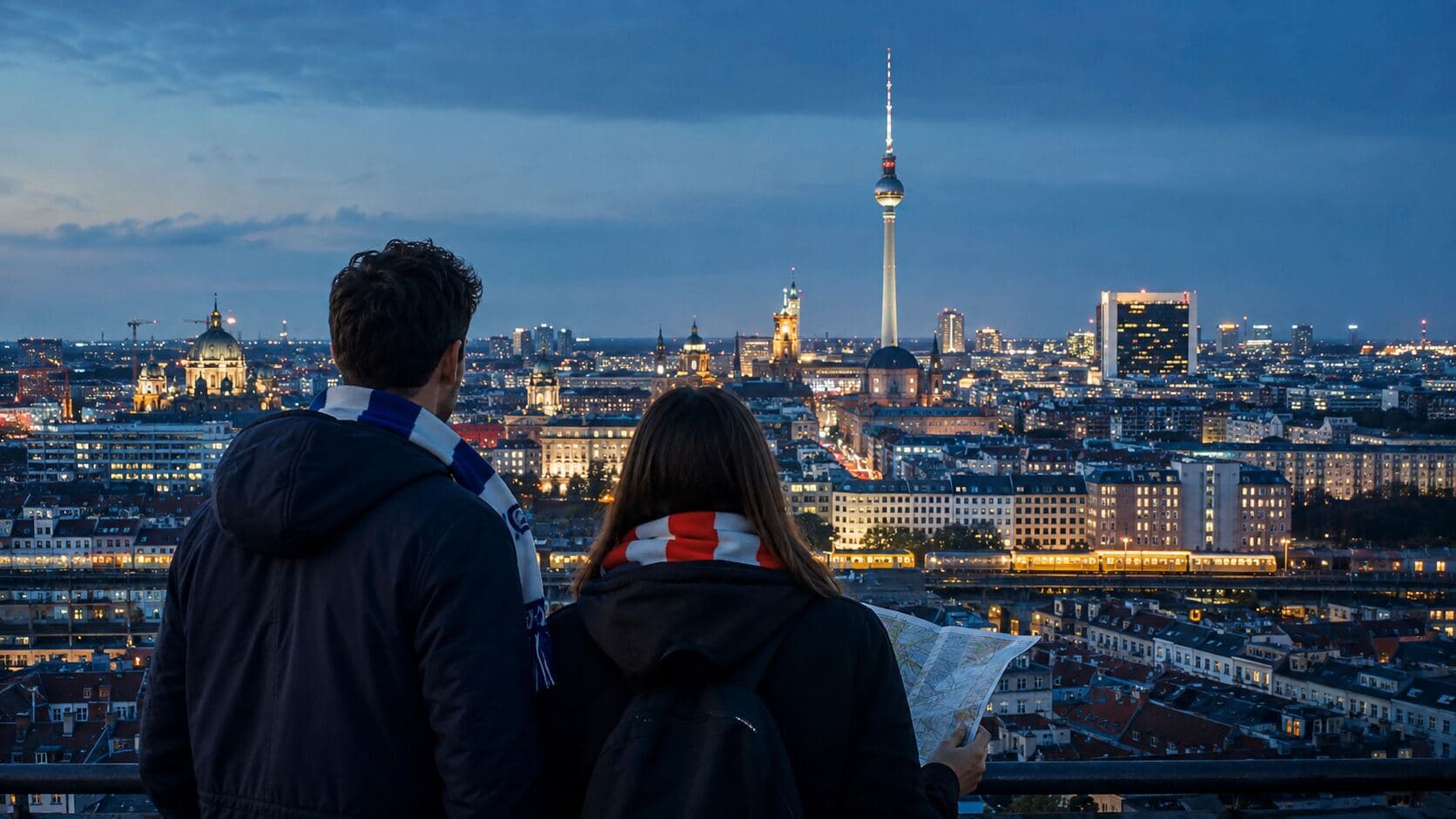
Berlin cityscape

Football Weekend Guide

A Football Weekend In Berlin

Two clubs. Two sides of the capital. One football weekend shaped by history, neighbourhoods and completely different matchday cultures.

AI-generated image

Weekend Overview

One city. Two very different football worlds.

Berlin does not have a single football identity. The capital is too large, too divided by history and too shaped by its neighbourhoods for that.

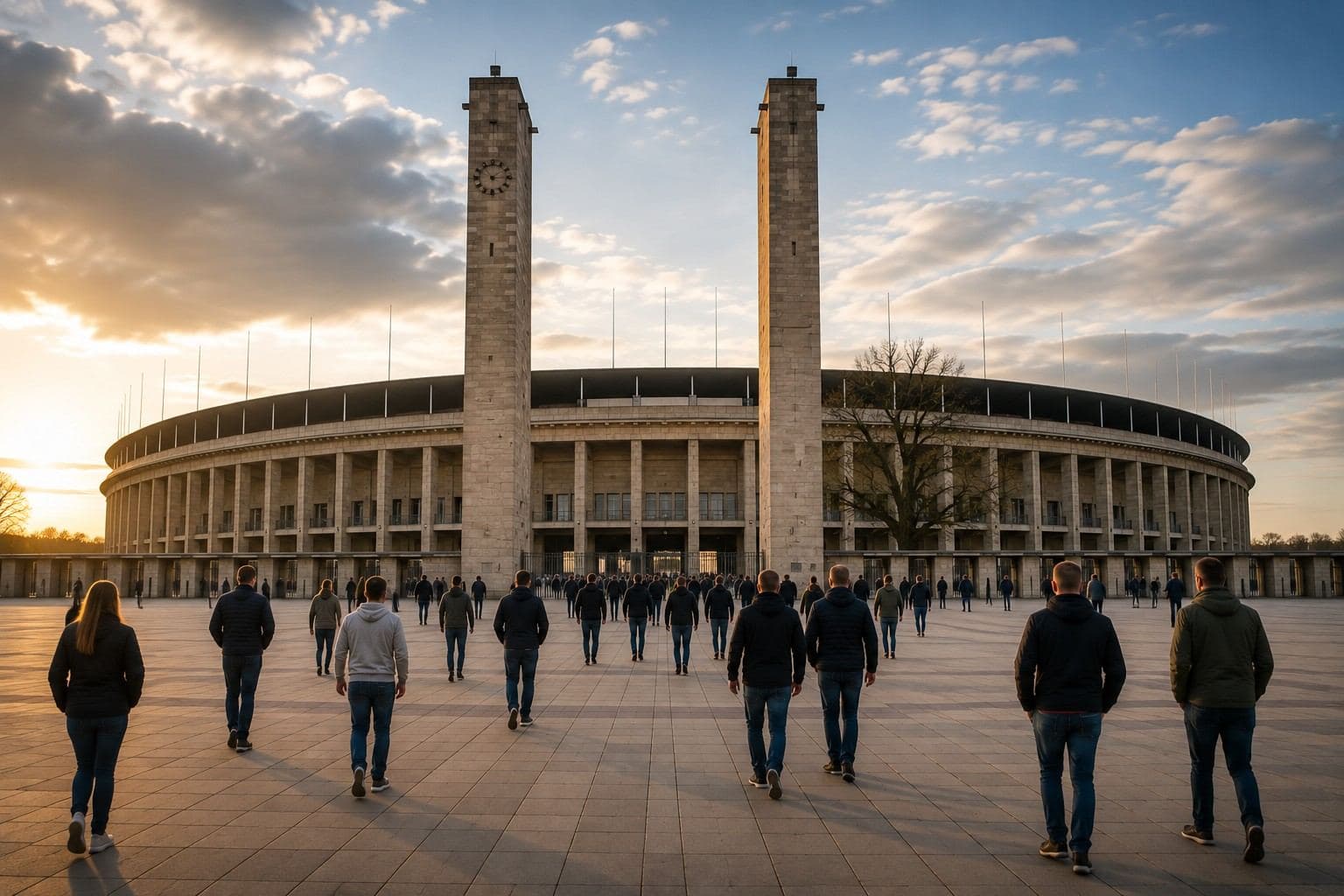
Hertha BSC plays inside the monumental Olympiastadion in western Berlin — a matchday defined by scale, architecture and more than a century of club history.

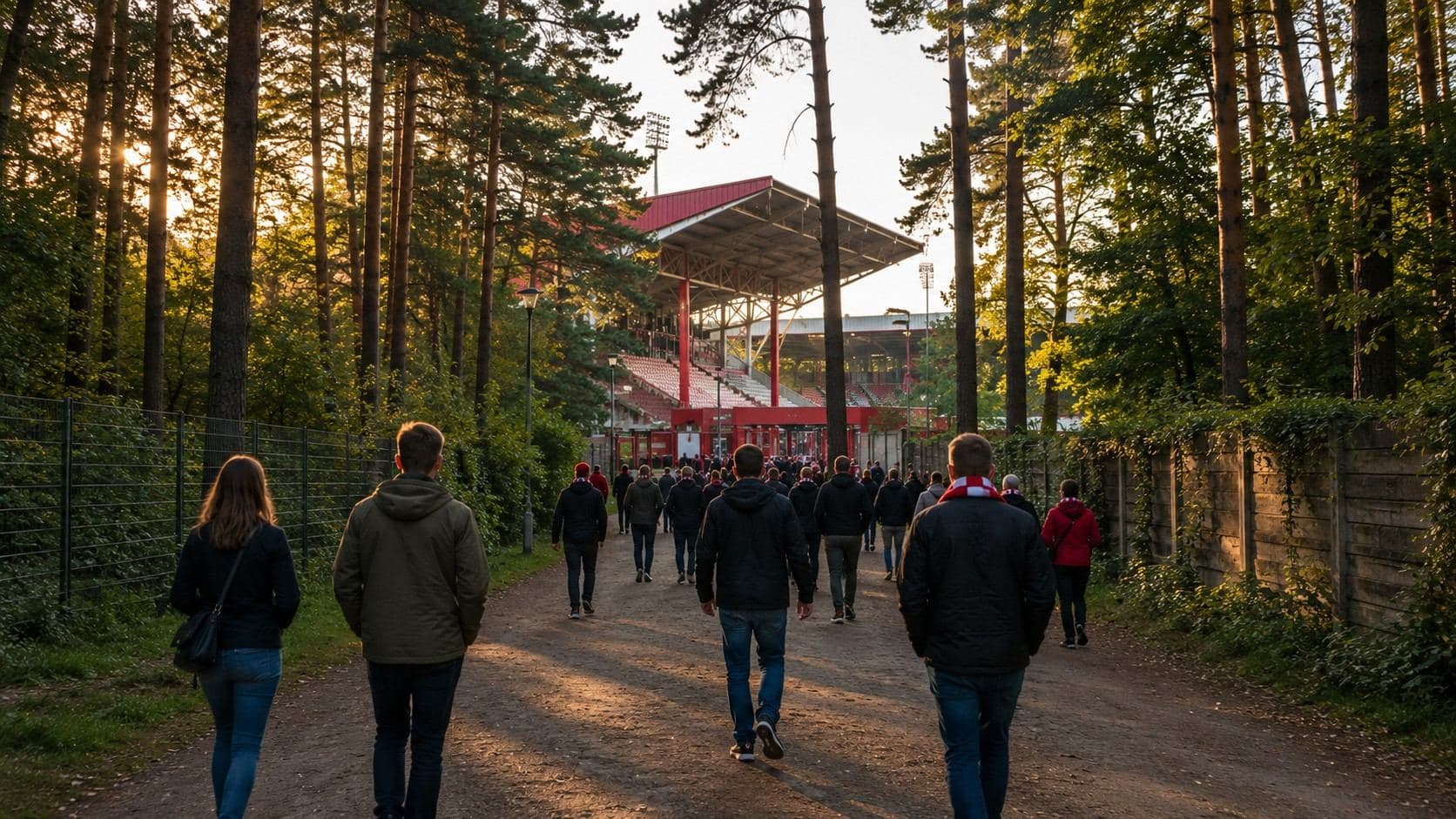
Across the city in Köpenick, 1. FC Union Berlin offers almost the opposite experience. The Stadion An der Alten Försterei is compact, surrounded by trees and closely connected to the supporters who helped shape it.

Between the two sits one of Europe's most fascinating cities: museums, neighbourhoods, nightlife, political history and enough football culture to fill far more than a single weekend.

Berlin football is not one story. To understand the city, you have to experience its contrasts.

Friday

Arrive. Find your Berlin.

Berlin is too large to see everything in one weekend. Friday is about understanding the city before choosing which football world will define Saturday.

Arrival

Start in central Berlin.

Berlin Hauptbahnhof places you close to many of the city's major sights and gives you strong public-transport connections across the capital.

Drop your bags and get outside. Berlin rewards visitors who explore neighbourhood by neighbourhood rather than trying to treat the city as one compact centre.

First Stop

Walk through Berlin history.

Begin around the Brandenburg Gate and continue towards the Reichstag and the government district.

From here, Berlin's modern political identity and its twentieth-century history begin to overlap almost immediately.

Late Afternoon

Cross the city.

Continue towards Museum Island, Alexanderplatz or the streets around Hackescher Markt.

The contrast between reconstructed historic Berlin, former East Berlin and the modern capital gives the city much of its character.

Friday Night

Choose a neighbourhood.

Berlin's evening culture is spread across the city. Kreuzberg, Friedrichshain, Neukölln and Prenzlauer Berg all offer very different combinations of restaurants, bars and nightlife.

For a football weekend, Friday night is better used exploring a neighbourhood than attempting to cover the entire city.

Where To Stay

Stay near good transport.

Because Berlin is so large, access to the S-Bahn and U-Bahn matters more than staying close to either stadium.

Mitte offers the easiest sightseeing base, while Friedrichshain and Kreuzberg provide more neighbourhood character and evening options.

Saturday

Matchday.

Saturday reveals the two sides of Berlin football. Your choice of stadium changes not only the match, but the entire rhythm of the day.

West Berlin or Köpenick?

A Hertha match takes you west towards Charlottenburg and the vast Olympic Park. The journey gradually leaves the dense city behind before opening onto one of Europe's most imposing sporting complexes.

A Union match takes you east towards Köpenick. Here the matchday becomes increasingly local, with supporters moving through residential streets and forest towards the Alte Försterei.

Both experiences belong to Berlin, but they tell completely different stories about the city and its football.

Tip: Do not judge Berlin football from only one club. Hertha and Union make far more sense when viewed as contrasting parts of the same city.

Choose Your Matchday

Choose Your Football World.

Olympiastadion Berlin

Hertha BSC

Hertha At The Olympiastadion

Historic architecture, enormous scale and Berlin football inside one of Europe's most significant sporting venues.

Hertha BSC represents one of Berlin's oldest football traditions. The club's story stretches back to 1892 and has unfolded alongside the extraordinary political and social history of the capital.

The Olympiastadion creates a matchday unlike almost anywhere else in Germany. The walk through the Olympic Park, the enormous stone architecture and the scale of the stadium make arrival part of the experience.

Inside, the Ostkurve provides the emotional centre of the Hertha support. Flags and organised singing contrast with the monumental size of the stadium around them.

For first-time visitors, arriving early is particularly worthwhile because the wider Olympic complex deserves time in its own right.

Getting there: Use Berlin's S-Bahn network towards Olympiastadion and allow time to walk through the wider Olympic Park before entering the ground.

Tip: Do not arrive only for kick-off. The architecture and history surrounding the Olympiastadion are an essential part of the Hertha experience.

Stadion An der Alten Försterei

1. FC Union Berlin

Union At The Alte Försterei

Standing terraces, forest surroundings and one of Germany's strongest supporter-led football identities.

Union Berlin offers a radically different version of capital-city football. The club is rooted in Köpenick and carries an identity built around community, independence and supporter participation.

The Stadion An der Alten Försterei sits among trees rather than monumental architecture. Much of the ground consists of standing terraces, keeping supporters close to the pitch and to each other.

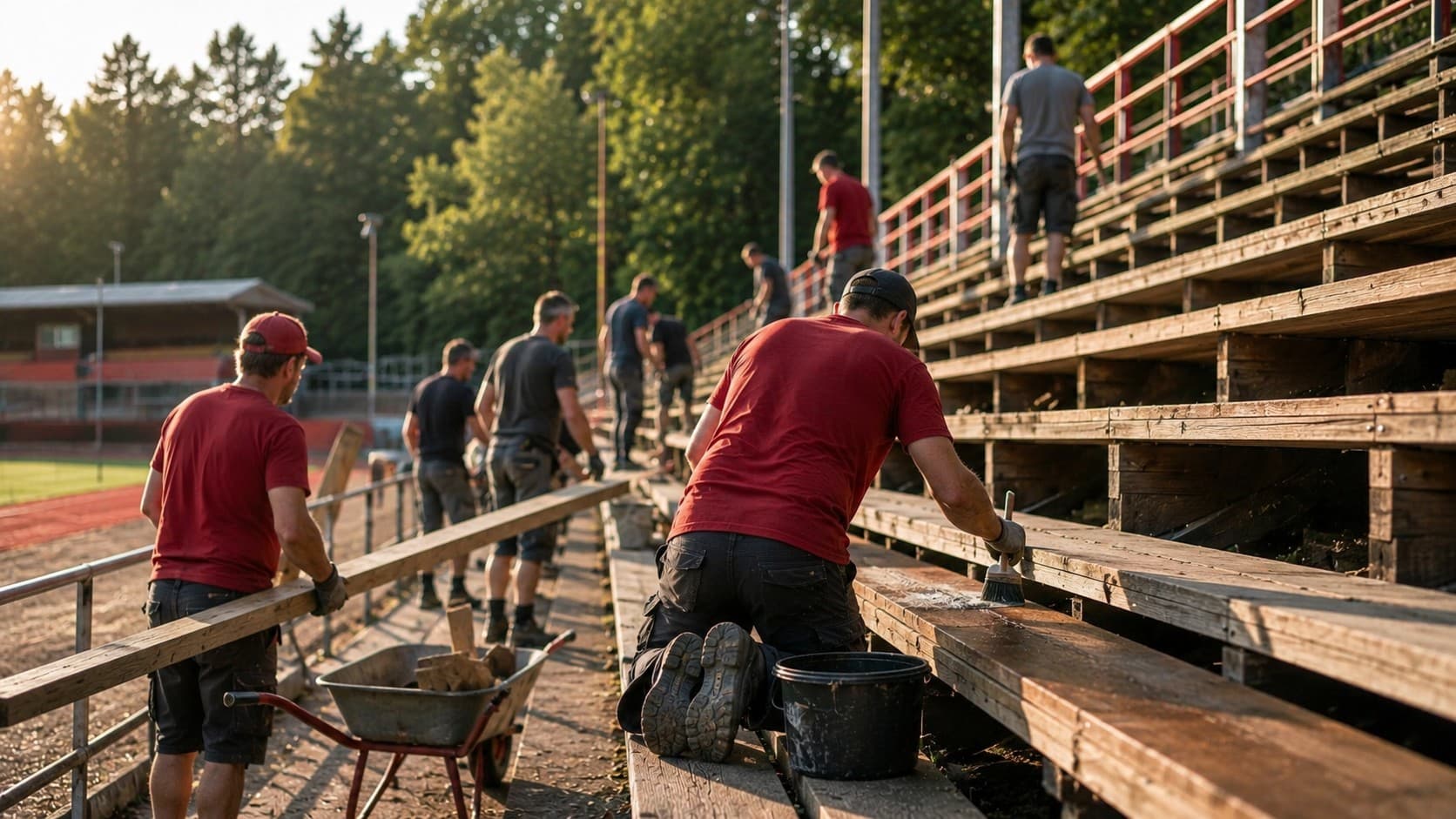
The relationship between club and supporters is central to the experience. Fans famously contributed their own labour to stadium redevelopment, and that sense of ownership remains part of the club's identity.

A Union match feels less like visiting a major capital-city attraction and more like entering a local football community.
Getting there: Travel towards Köpenick by public transport and complete the final part of the journey on foot or by local tram with other supporters.

Tip: Tickets are difficult to obtain because of the stadium's relatively small capacity and strong local demand. Plan well ahead.

Saturday Night In Berlin

Berlin gives you almost unlimited options after the final whistle, but the best choice depends on where your match took place.

After Hertha, returning towards Charlottenburg, Mitte or Kreuzberg opens up the western and central parts of the city.

After Union, staying in Köpenick for a while provides a quieter end to the matchday before returning towards Friedrichshain or central Berlin.

The distances involved mean it is usually better to choose one neighbourhood for the evening rather than trying to cross the city repeatedly.

Tip: Berlin works best when you slow it down. Pick one district for Saturday night and explore it properly.

Sunday

Before You Leave.

Sunday brings the city itself back into focus. Berlin has enough history, culture and neighbourhood life to turn the morning after the match into another full day.

Sunday Morning

Walk through the city's history.

Use Sunday morning for one of Berlin's major historical areas. The Berlin Wall Memorial provides a powerful introduction to the history of the divided city.

Alternatively, return to the government district and walk through central Berlin while the streets are quieter.

Culture

Museum Island.

Museum Island and the surrounding historic centre provide an easy cultural stop before lunch.

Even without entering every museum, the architecture and riverside setting make the area worth exploring on foot.

Alternative Berlin

Explore a neighbourhood.

For a less monumental version of the city, spend part of Sunday in Kreuzberg, Friedrichshain or Prenzlauer Berg.

Cafés, markets, street art and residential streets reveal a side of Berlin that feels far removed from the major tourist landmarks.

Sunday Lunch

One final Berlin meal.

Berlin's food culture reflects the international character of the city. A final lunch can range from traditional German food to Turkish, Vietnamese or Middle Eastern cuisine.

A currywurst remains the obvious football-weekend classic if you have somehow made it this far without one.

Departure

Give yourself time.

Berlin's size means journeys to the central station or airport can take longer than expected.

A Sunday evening departure lets you use most of the day without rushing the final hours of the weekend.

Berlin is too large to finish in one weekend. That is part of the reason to come back.

Practical Guide

Weekend Essentials

Getting There

By Train

Berlin Hauptbahnhof is one of Germany's principal long-distance rail hubs and connects directly with the city's public-transport network.

By Air

Berlin Brandenburg Airport connects with central Berlin by regional and local rail services.

Getting Around

S-Bahn & U-Bahn

Berlin's rail network is the most practical way to move between neighbourhoods and both major football grounds.

Allow Time

Berlin is geographically large. Journeys that look short on a map can take considerably longer than expected.

Stadiums

Olympiastadion

Hertha BSC's monumental home in western Berlin, surrounded by the historic Olympic Park.

Stadion An der Alten Försterei

Union Berlin's compact, terrace-heavy home among the trees of Köpenick.

Where To Stay

Mitte

Best for first-time visitors who want easy access to Berlin's major landmarks and transport connections.

Friedrichshain

A useful eastern base with nightlife and relatively convenient access towards Köpenick.

Kreuzberg

A strong option for restaurants, bars and neighbourhood atmosphere.

Charlottenburg

A quieter western base with convenient access towards the Olympiastadion.

Don't Miss

Brandenburg Gate

The defining landmark of central Berlin.

Berlin Wall Memorial

One of the most important places for understanding the divided city.

Museum Island

Berlin's historic museum quarter on the River Spree.

Olympic Park

An essential part of the Hertha matchday experience.

Köpenick Old Town

A quieter historic side of Berlin close to Union's football world.

East Side Gallery

One of the city's best-known surviving sections of the Berlin Wall.