
Club Identity
Diva vom Neckar
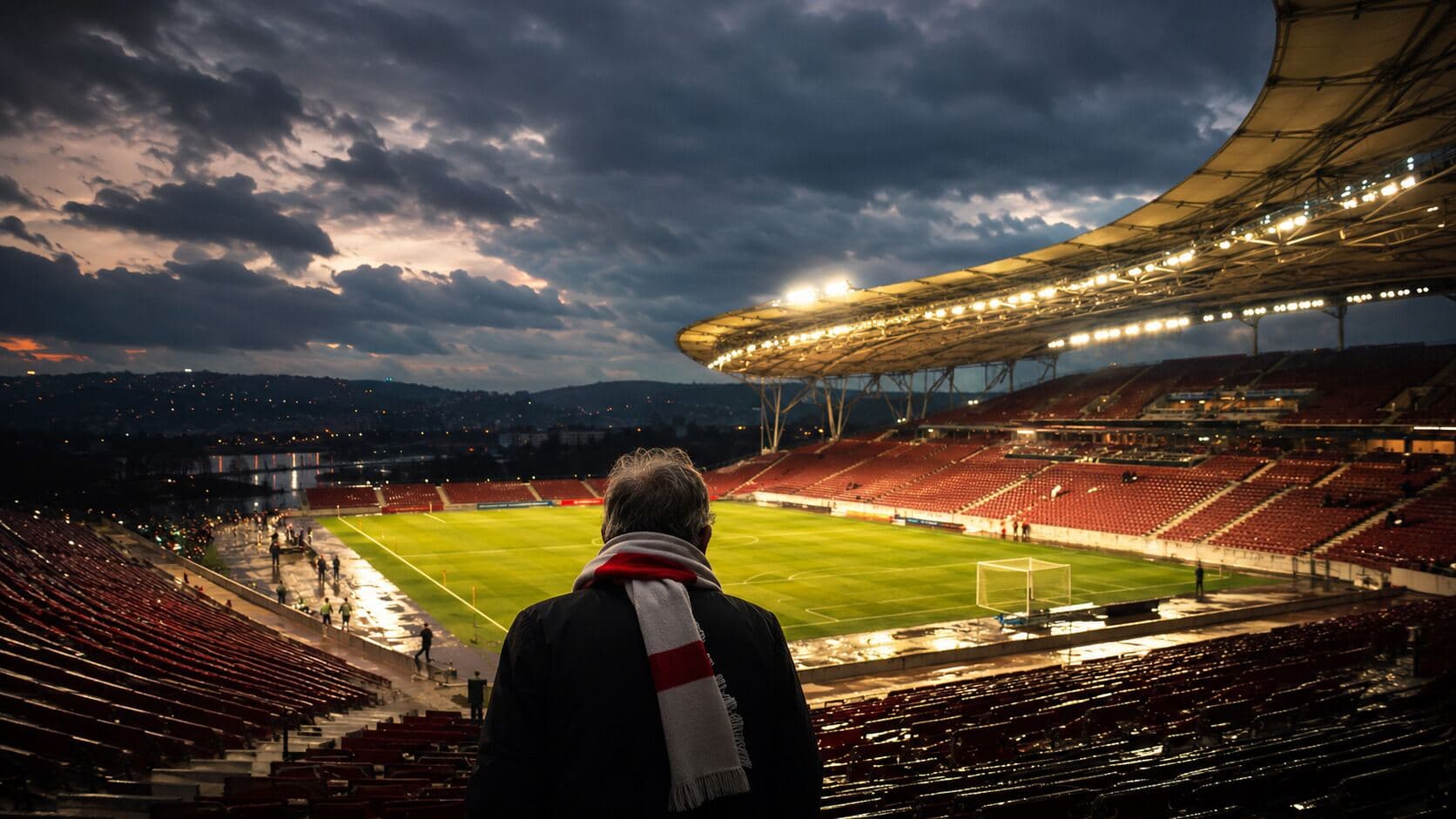
Champions, relegation candidates and unexpected contenders — VfB Stuttgart has rarely followed a predictable path.
Stuttgart · VfB Stuttgart
I
Never Entirely Predictable
Stuttgart is associated with precision. Engineering, manufacturing and careful planning shape the international image of the city.
Its largest football club has often represented something less controllable.
VfB Stuttgart can produce champions when few expect them, turn talented academy players into an exciting team and transform a difficult season into something extraordinary.
The club can also fall rapidly. Successful teams disappear. Expectations become pressure. A season that began with European ambitions ends in a relegation battle.
That contrast produced an affectionate and sometimes frustrated description: the Diva vom Neckar.
II
The Unexpected Champions
The VfB has won the German championship five times. Two of those titles capture the club's ability to move from uncertainty to celebration.
In November 1990, Christoph Daum took over a team sitting near the bottom of the Bundesliga. He first led it into sixth place. One season later, Stuttgart entered the final matchday with the championship still undecided.
The decisive moment arrived away at Bayer Leverkusen. In the 86th minute, Guido Buchwald scored to give the VfB a 2:1 victory and the 1992 German title.
Fifteen years later, another young Stuttgart team entered the 2006/07 season without being treated as the obvious favourite. A late winning run changed everything.
On the final day, the VfB recovered from falling behind against Energie Cottbus. Thomas Hitzlsperger equalised and Sami Khedira headed the club towards its fifth championship.
III
Young and Fearless
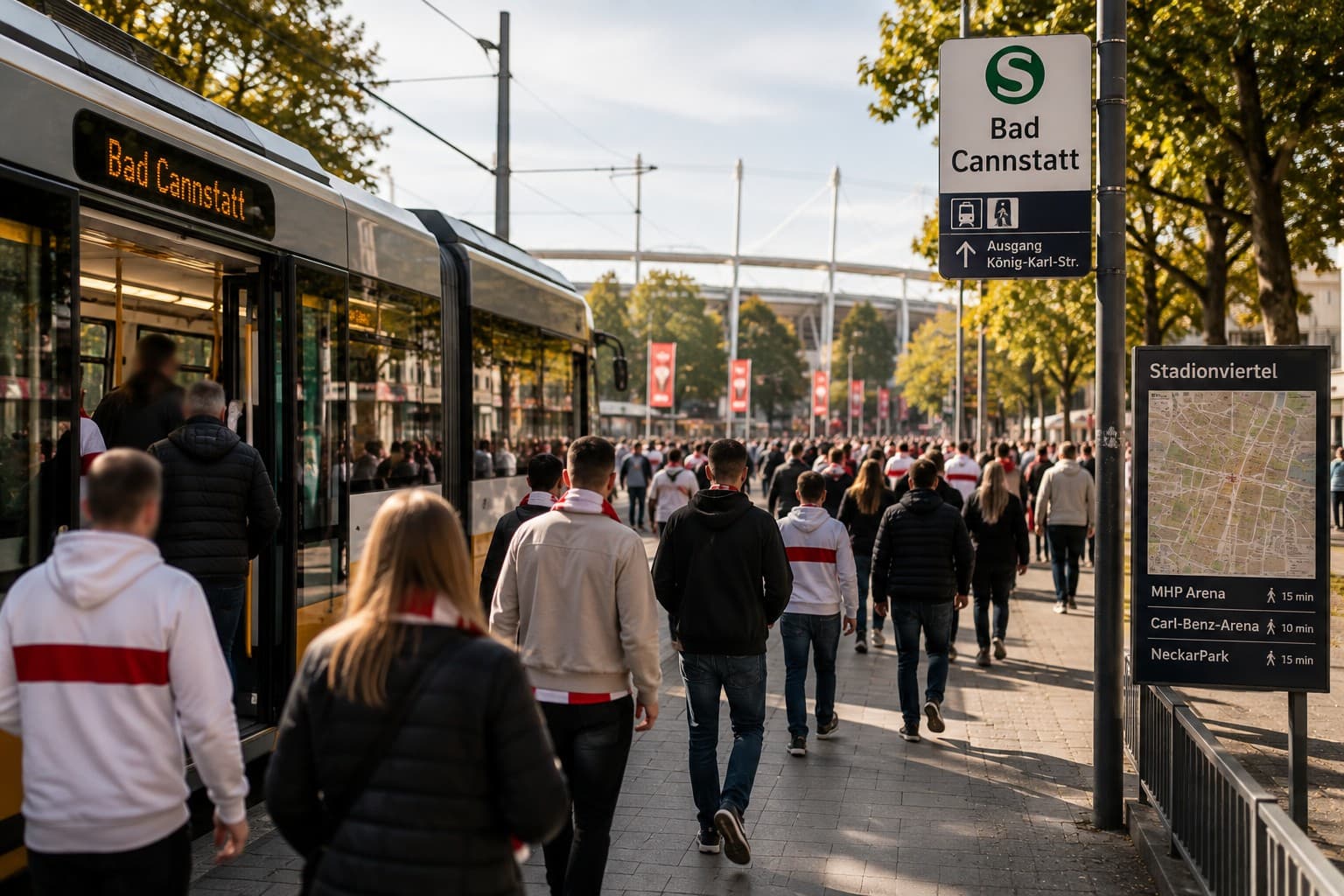
Some of Stuttgart's most memorable teams have been built around youth.
In 2002/03, Felix Magath's Junge Wilde finished second in the Bundesliga and qualified directly for the Champions League. Players developed in and around Stuttgart performed without the burden of behaving like established stars.
The championship team of 2007 followed a similar pattern. Mario Gómez and Sami Khedira became central figures in a side that appeared to grow stronger as the title race became more demanding.
This cycle became familiar. A new generation emerged, played with freedom and raised expectations. Success then made the team difficult to preserve.
The VfB could build quickly. Keeping everything together proved harder.
IV
The Fall
The other side of the nickname became visible during the difficult years that followed.
In 2016, VfB Stuttgart was relegated from the Bundesliga for the first time in 41 years. The club returned immediately, but stability did not follow.
In 2019, Stuttgart went down again after losing the relegation play-off. Another immediate return followed in 2020.
A club with one of Germany's largest stadiums, a successful academy and five national championships had become trapped between its resources and its results.
Every recovery created hope that the instability was over. Every new crisis made the previous recovery feel temporary.
V
One More Minute
On the final day of the 2021/22 season, the VfB entered stoppage time facing the relegation play-off.
Stuttgart needed to beat 1. FC Köln and required help from Borussia Dortmund in the parallel match against Hertha BSC.
Dortmund moved ahead. Stuttgart still needed one more goal.
In the second minute of stoppage time, Wataru Endo scored. Supporters entered the pitch at the final whistle as confirmation arrived that the club had survived.
One year later, the VfB needed the relegation play-off after all. A victory over Hamburger SV kept the club in the Bundesliga.
Stuttgart had survived twice. What followed was more surprising than either escape.
VI
Up Again
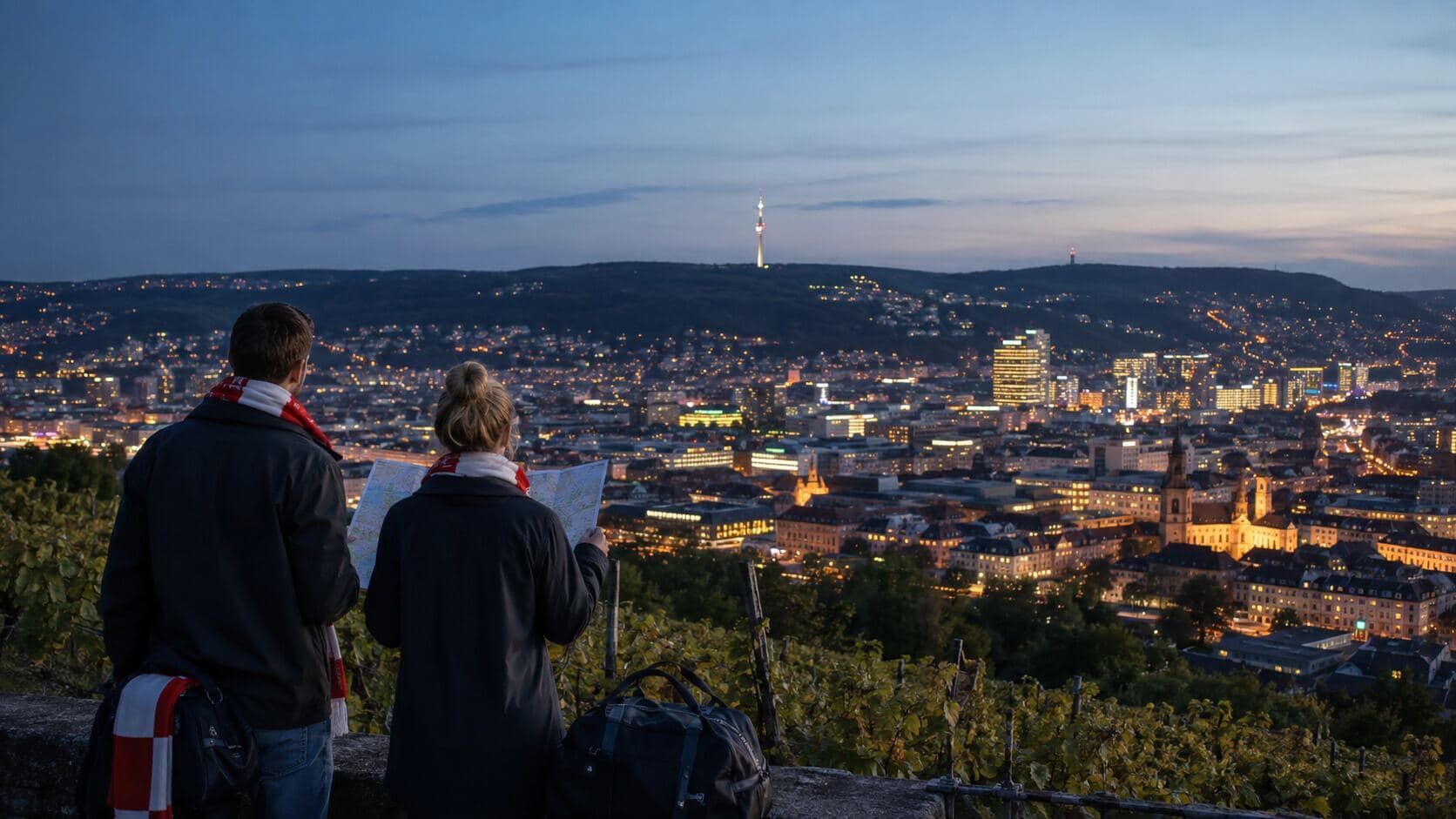
In 2023/24, Sebastian Hoeneß transformed a team that had narrowly avoided relegation into one of the best sides in Germany.
Stuttgart finished second in the Bundesliga, ahead of Bayern München, and returned to the Champions League. Serhou Guirassy scored 28 league goals, setting a new VfB Bundesliga record.
The revival continued in 2025. The VfB reached the DFB-Pokal final and defeated Arminia Bielefeld 4:2 in Berlin, bringing the trophy back to Stuttgart for the fourth time.
Within two years, the club had moved from a relegation play-off to Champions League football and a major trophy.
Perhaps that is why the old description survives. It does not mean that Stuttgart lacks identity. It describes an identity built around the certainty that circumstances can change very quickly.
In Stuttgart, the distance between survival and celebration can be shorter than anyone expects.
Continue Your Journey
Keep Exploring German Football.
Follow this story into its club, its football world and another chapter of German football culture.
Club World
VfB Stuttgart World
Measured by Our Own Standards
Explore Club →
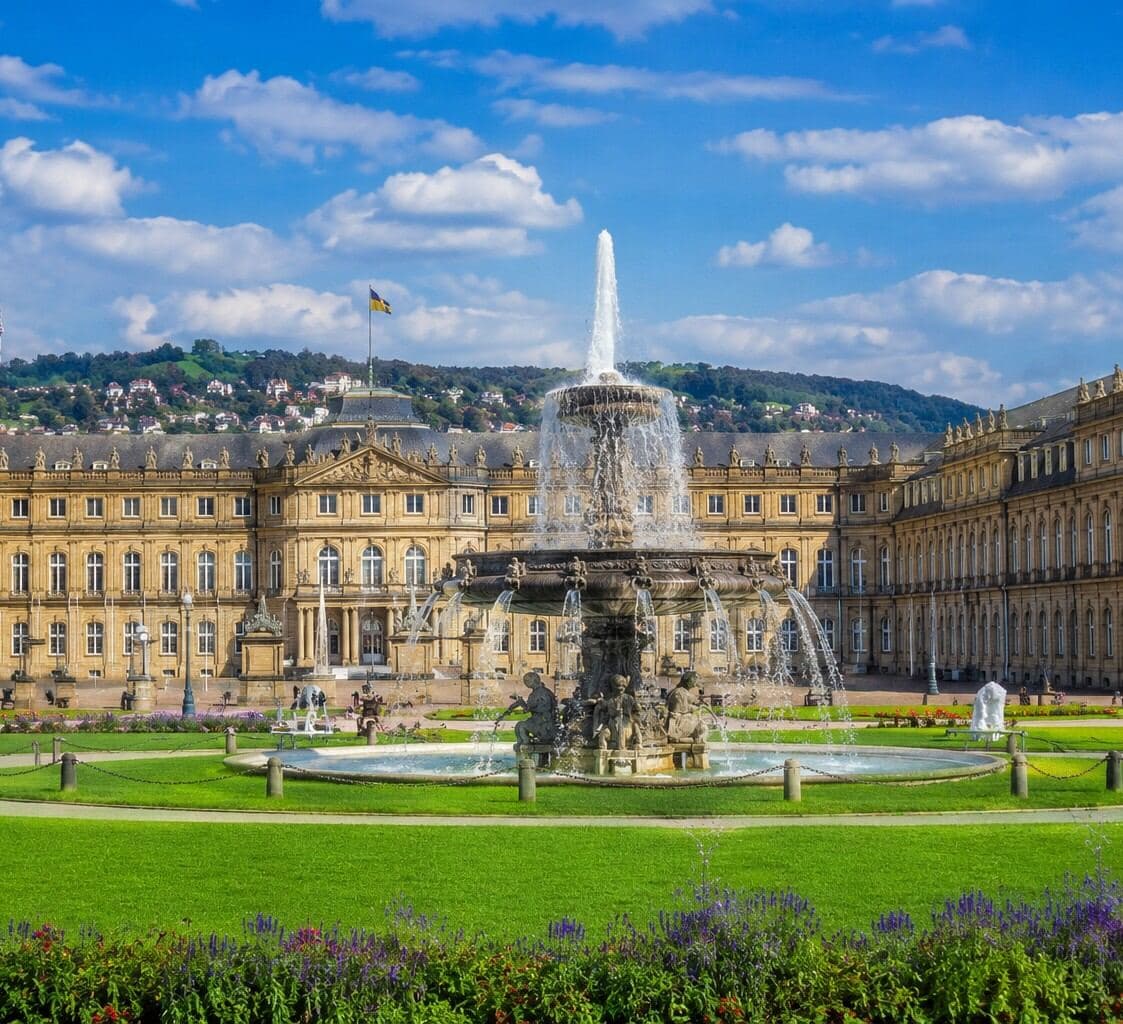
City World
Stuttgart World
Discover football in southern Germany.
Explore World →
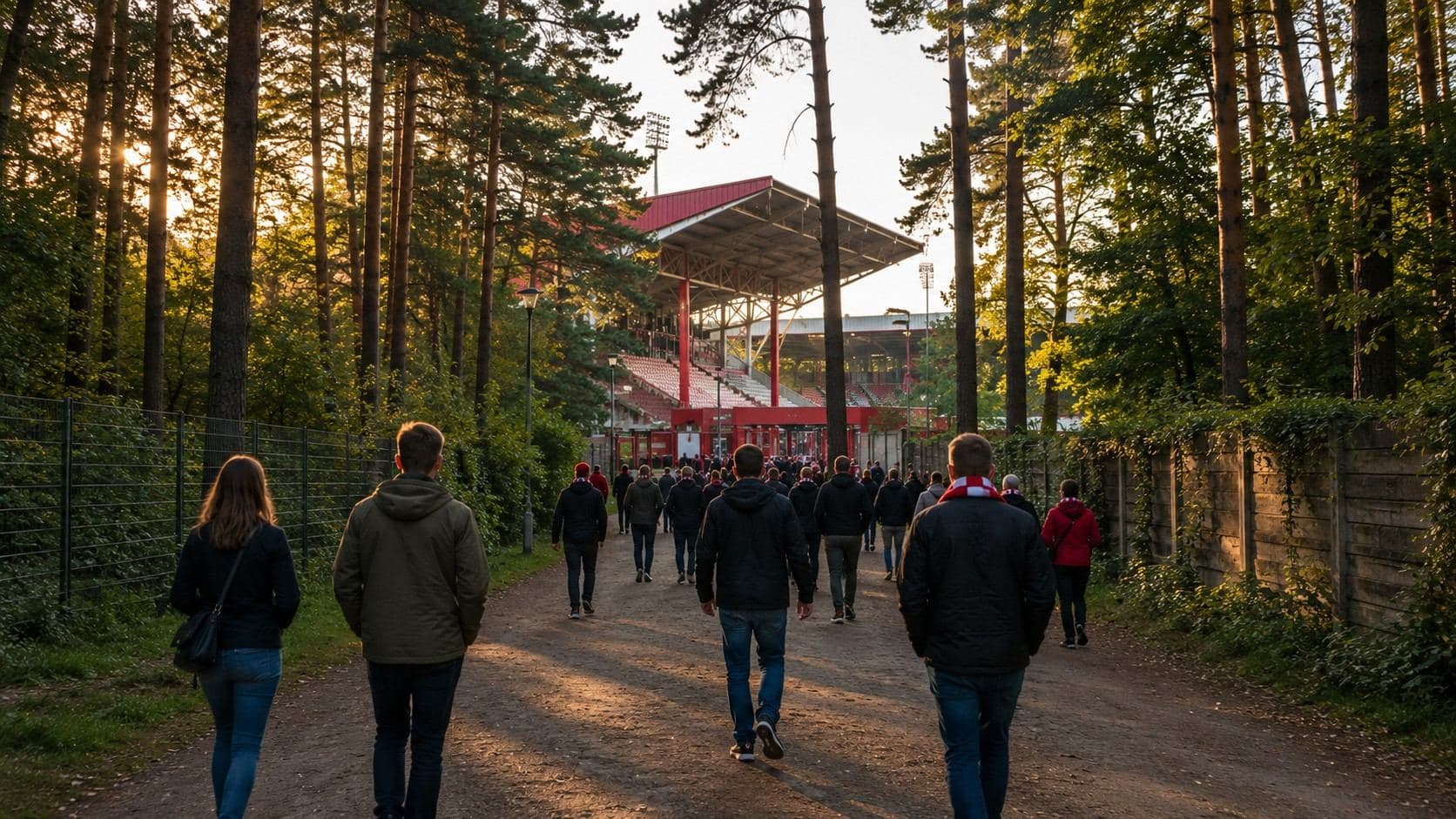
Another Club World
Union Berlin World
Built Together
Explore Club →
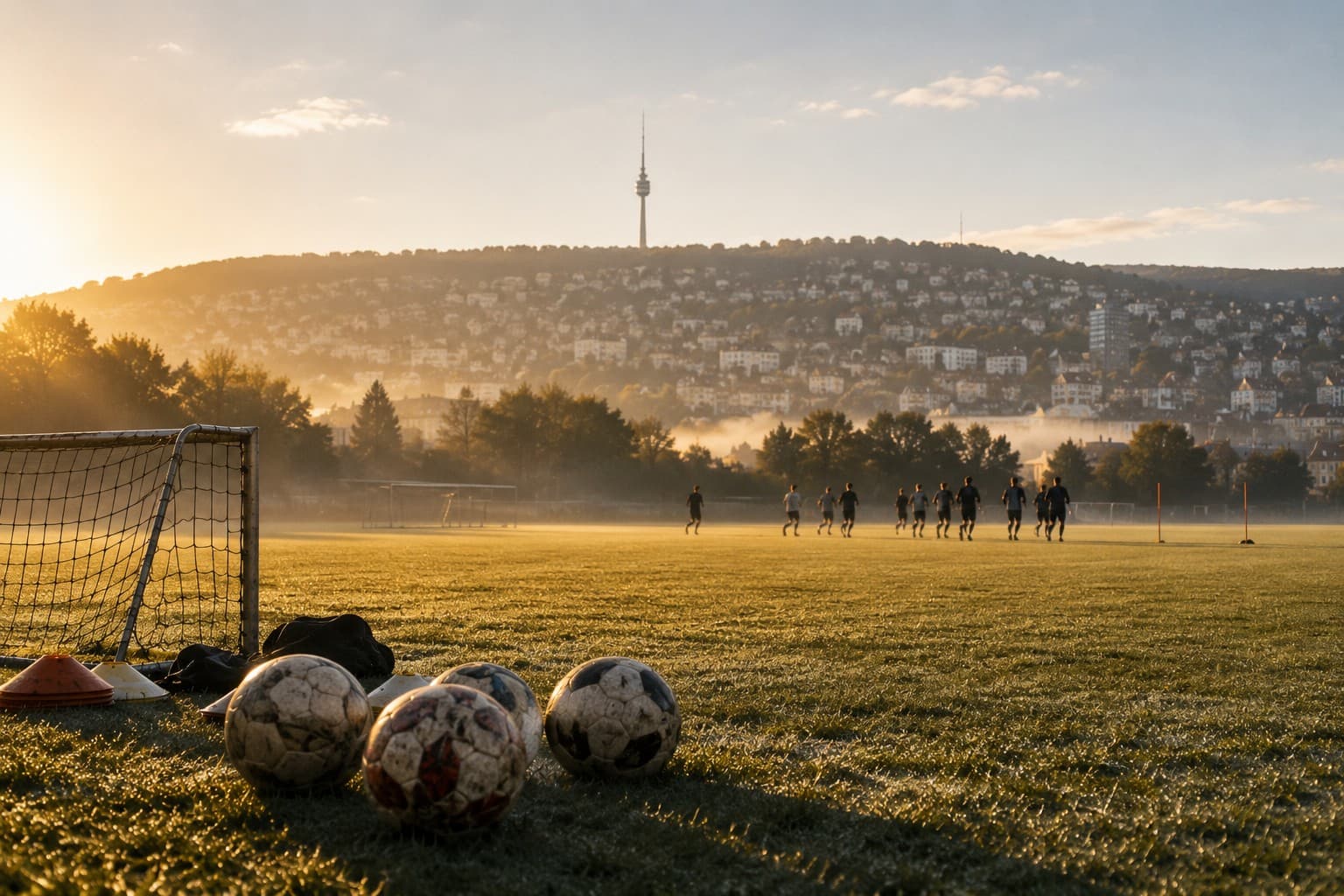
Related Culture
Made in Stuttgart
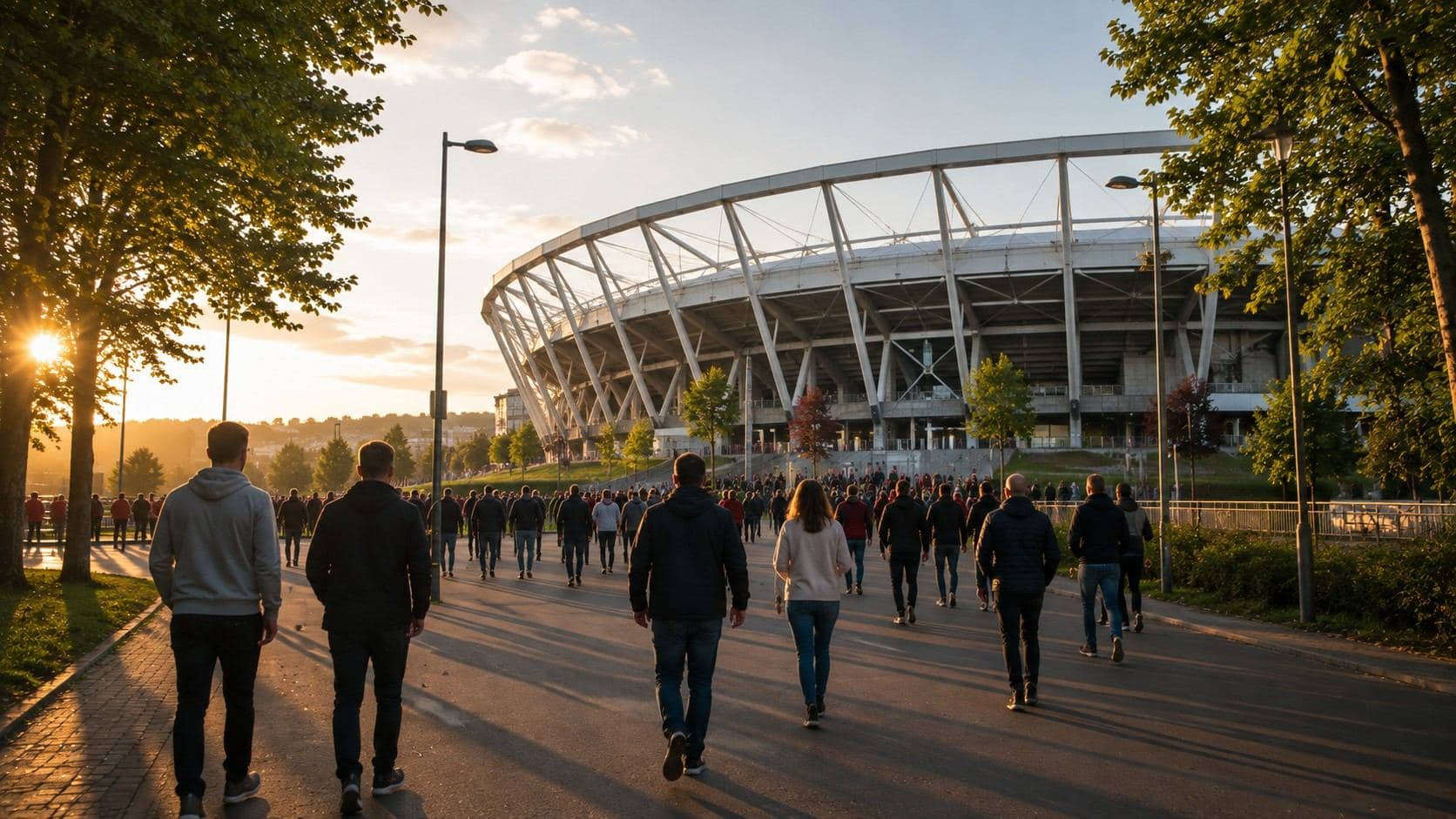
Generations of young players have learned their football in Bad Cannstatt before carrying it onto much larger stages.
Read Story →