

Club Culture
Made in Stuttgart
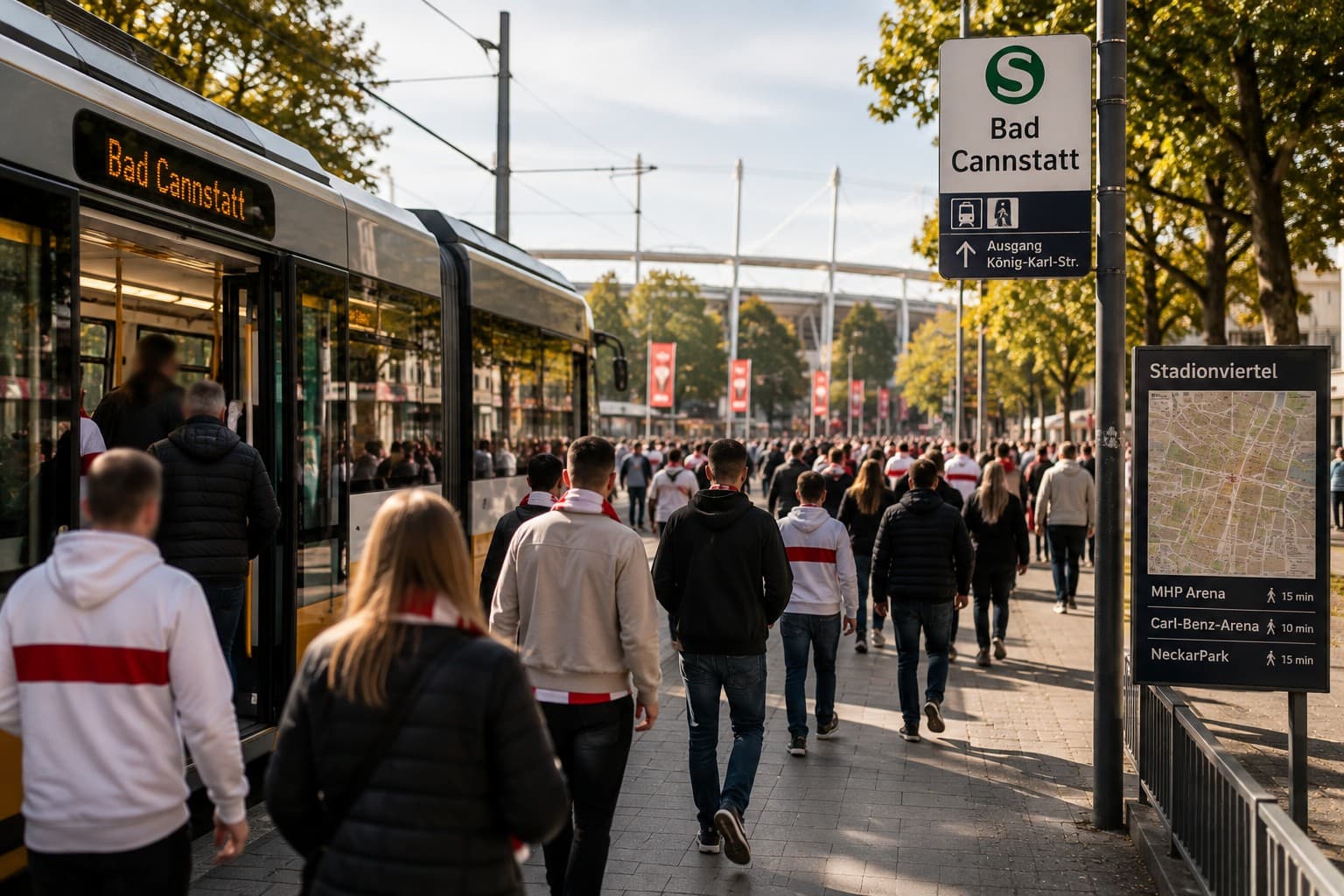
Generations of young players have learned their football in Bad Cannstatt before carrying it onto much larger stages.
Stuttgart · VfB Stuttgart
I
A Different Production Line
Stuttgart is a city known for building things. Precision, development and engineering form part of its international identity.
Beside the Neckar, the VfB maintains a different kind of production line.
Young players arrive from Stuttgart, Württemberg and far beyond. They enter an academy designed to develop their football, education and personality together.
Only a small number will reach the first team. Some will establish careers elsewhere. A few will play for Germany or become recognised across Europe.
The names change. The idea remains.
II
The Junge Wilde
The most famous expression of this identity arrived at the beginning of the 2000s.
VfB Stuttgart was working under financial restrictions. Expensive solutions were limited, so Felix Magath placed his trust in a group of young players supported by experienced professionals.
Andreas Hinkel had entered the VfB academy as a child. Kevin Kuranyi developed through the club's youth and reserve teams. Timo Hildebrand became the goalkeeper behind them.
They became known as the Junge Wilde — the Young Wild Ones.
In 2002/03, the team finished second in the Bundesliga and qualified directly for the Champions League. Youth was no longer simply a financial necessity. It had become the source of an exciting team.
III
From the Academy to the Title
The next generation went one step further.
Mario Gómez joined the VfB as a teenager and developed into one of Germany's leading strikers. Sami Khedira arrived in the academy at the age of eight.
Both became important members of the team that entered the 2006/07 season without being considered the obvious championship favourite.
Gómez supplied goals. Khedira brought energy and control to the midfield. On the final day, with the title still undecided, Khedira headed the winning goal against Energie Cottbus.
A player educated by the club had secured the German championship inside the club's own stadium.
IV
More Than One Path
Not every VfB graduate follows the same route.
Some establish themselves in Stuttgart before moving to another major club. Others leave before their senior career begins and develop elsewhere.
Bernd Leno, Antonio Rüdiger and Timo Werner progressed from the VfB youth system into professional football. Joshua Kimmich and Serge Gnabry also spent formative years inside the academy before making their names elsewhere.
That creates a complicated kind of pride. Supporters can recognise the quality of the education while wondering what might have happened if more of those players had remained together.
An academy cannot control an entire career. It can provide the foundation from which that career becomes possible.
V
The Region Behind the Club
Stuttgart's academy does not exist in isolation. It is connected to a wider football region.
Partner clubs and scouting events extend across Baden-Württemberg. Young players can be identified in places such as Aalen, Balingen, Friedrichshafen, Pforzheim and the towns surrounding Stuttgart.
This network allows the VfB to remain connected to local football rather than viewing talent development only as an international recruitment exercise.
The process begins long before a player enters the stadium. It starts on smaller pitches, inside local clubs and with families deciding whether the journey towards professional football is right for their child.
The VfB's role is not only to find talent. It is to provide an environment in which talent can grow responsibly.
VI
Built for What Comes Next
The VfB describes its development model through three equally important areas: sporting education, academic or professional education and personal development.
That matters because most academy players will not become first-team regulars. Development must prepare them for more than one possible future.
On the pitch, the objective remains clear. The best talents should progress towards the senior team and receive a genuine opportunity when they are ready.
More than 100 players educated for at least three years in the VfB youth system have gone on to play in Europe's highest professional leagues. The club has also won more German youth championships than any other academy.
Those numbers explain the scale of the work. The lasting identity comes from something simpler: Stuttgart supporters continue to believe that the next important player may already be learning the game only a short distance from the first team.
The next generation is always closer than it appears.

Continue Your Journey
Keep Exploring German Football.
Follow this story into its club, its football world and another chapter of German football culture.

Club World
VfB Stuttgart World
Measured by Our Own Standards
Explore Club →

City World
Stuttgart World
Discover football in southern Germany.
Explore World →
Another Club World
1. FC Köln World
Where Football Feels Like Carnival
Explore Club →

Related Culture
Diva vom Neckar
Champions, relegation candidates and unexpected contenders — VfB Stuttgart has rarely followed a predictable path.
Read Story →