
General Football Culture
Beer, Bratwurst and Football
The food is simple, the queues are long and the ritual would not feel complete without either.
Germany
I
The Smell of Matchday
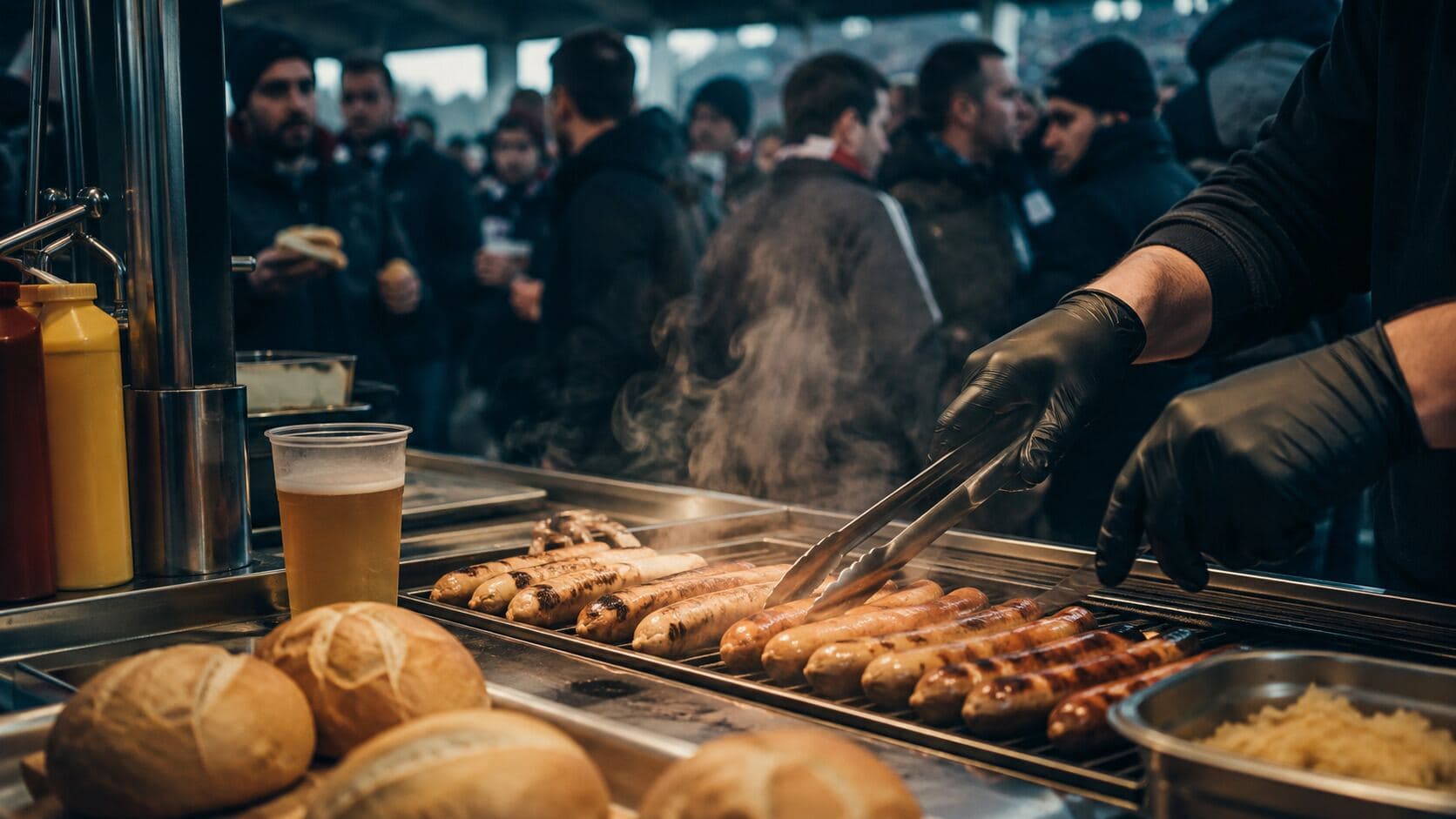
You may smell a German football match before you see the stadium.
Smoke rises from grills outside the ground. Sausages turn above the heat. Supporters stand around temporary counters holding paper trays, bread rolls and plastic cups.
The food is rarely complicated. That is part of its purpose.
It must be prepared quickly, eaten while standing and carried through a crowd without requiring a table or cutlery.
A bratwurst in a bread roll meets every requirement.
II
There Is No Single Bratwurst
Visitors often speak about German stadium sausage as if every ground serves the same thing.
It does not.
Different regions have their own sausages, sauces and methods of preparation. In some stadiums, currywurst is central. Elsewhere, supporters expect a grilled bratwurst, a Krakauer or another local variation.
Even the bread matters. So does the mustard.
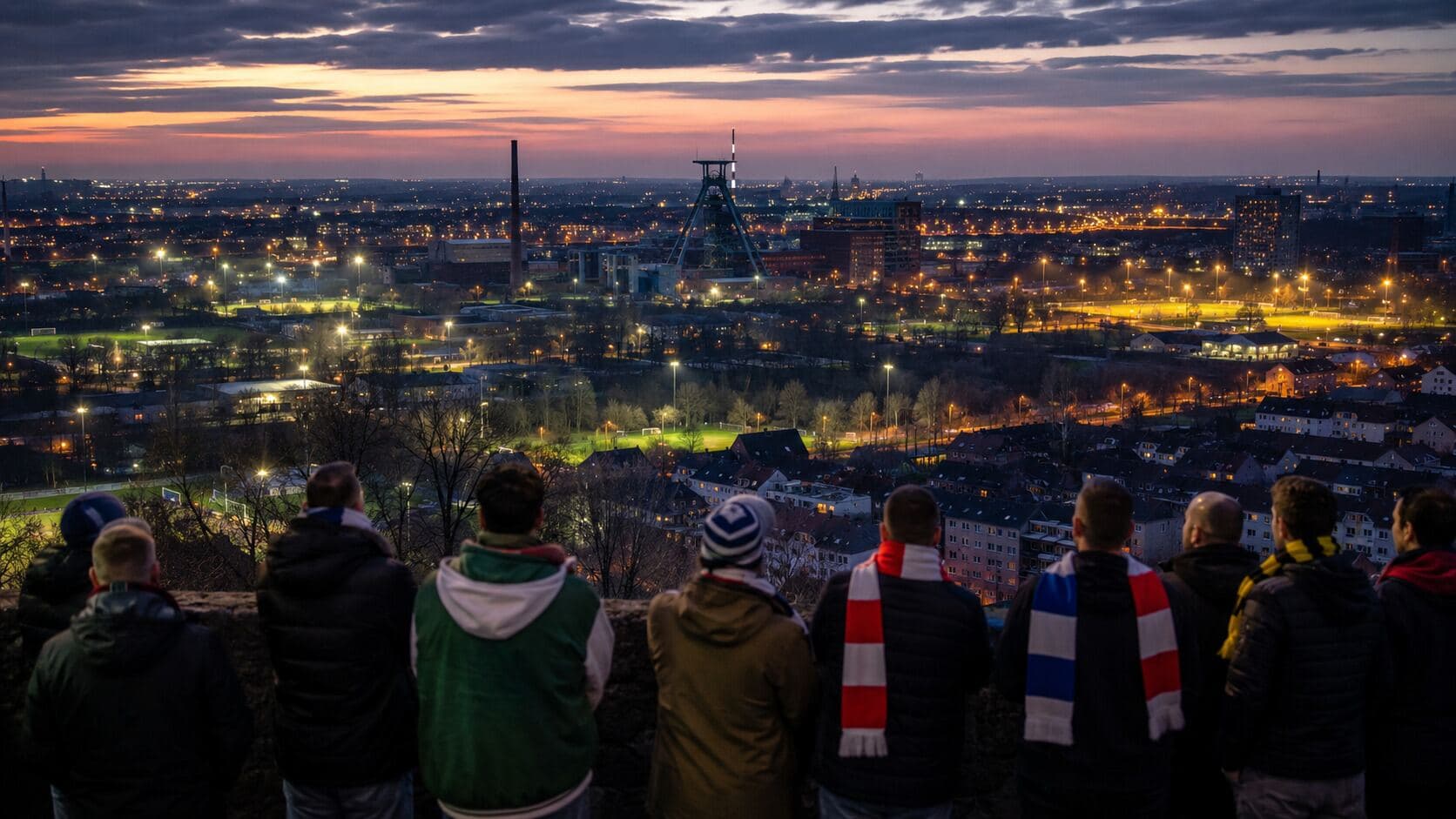
These differences turn ordinary stadium food into a small expression of place. A matchday in the Ruhrgebiet should not taste exactly like one in Bavaria, Hamburg or Saxony.
Modern stadium menus increasingly include vegetarian, vegan and international options. The traditional sausage remains, but it no longer stands alone.
III
The Local Beer
Beer occupies a similar place in the ritual.
The brewery serving a stadium often reflects regional relationships, long-standing partnerships and local taste. Travelling supporters may encounter a beer very different from the one sold at home.
It appears before the match in pubs and kiosks, inside the stadium and again during conversations afterwards.
Alcohol is not essential to experiencing German football, and alcohol-free alternatives are widely available. At selected fixtures, authorities or organisers may also impose restrictions on the sale or strength of alcoholic drinks.
For many supporters, the important part is not the alcohol itself. It is the shared pause: meeting in the same place, ordering the same drink and beginning the matchday together.
IV
The Half-Time Queue
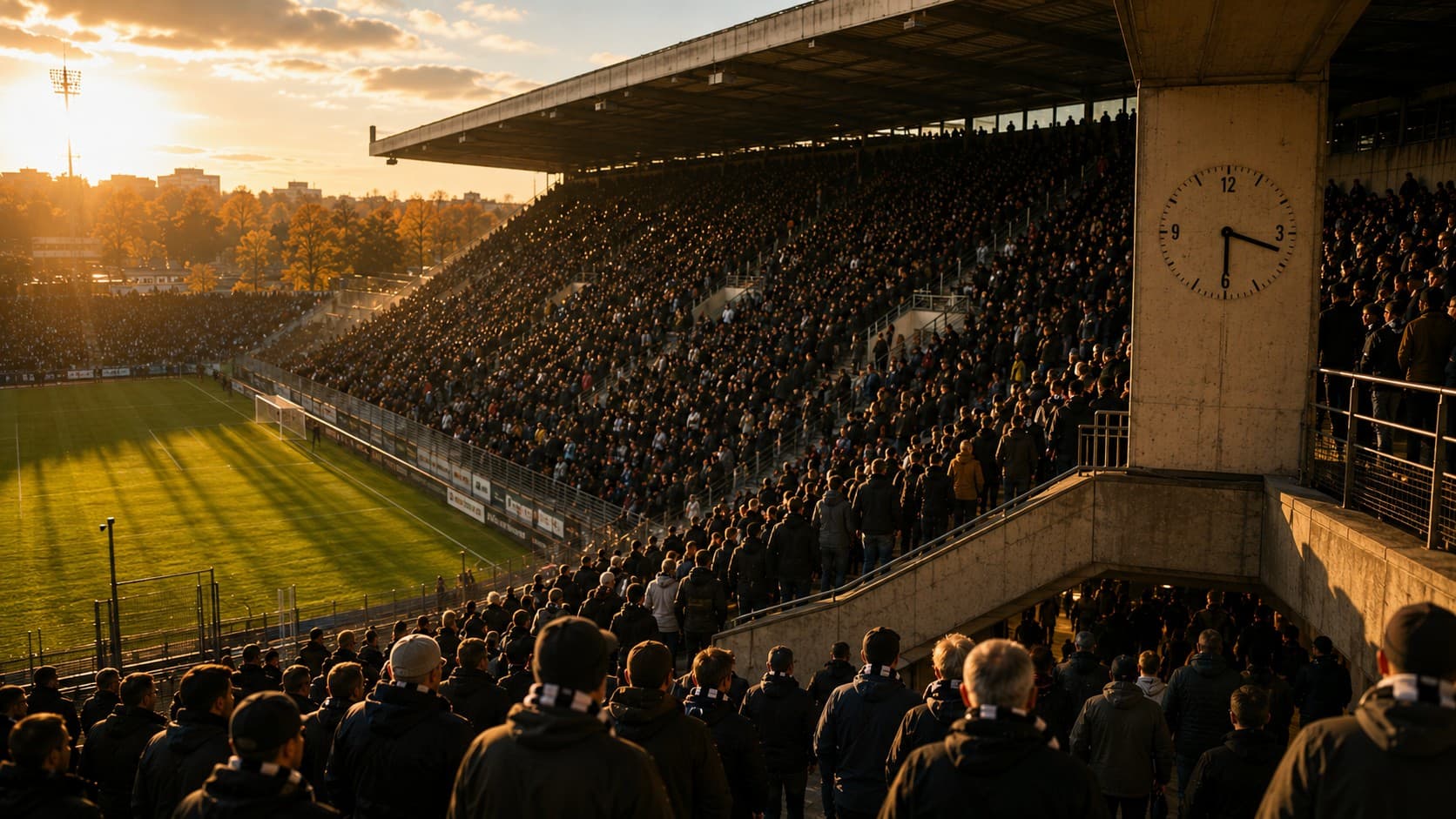
Half-time lasts fifteen minutes. The queue behaves as if it has all afternoon.
Thousands of people leave their places at once. Some need food. Others need a drink. Everybody believes they chose the shortest line.
Conversations continue while the queue moves. The first half is analysed, the referee criticised and the second-half prospects reconsidered.
Payment systems differ between stadiums. Some counters accept ordinary bank cards or cash. Others use dedicated stadium cards, tokens or cashless systems.
For visitors, the most useful rule is simple: check how payment works before joining the queue.
The second most useful rule is to accept that you may miss the restart.
V
The Life of a Cup
The plastic stadium cup has developed a life beyond its original purpose.
Many grounds use reusable cups carrying a deposit. Supporters return them after the match, keep them as souvenirs or place them in collection points for charitable projects.
A simple drink container can therefore become club memorabilia or a small donation.
It can also become airborne after a goal. Celebrations in standing sections sometimes produce a brief shower of beer over everyone nearby. Visitors quickly learn not to carry a completely full cup into the centre of an active terrace.
Reusable systems reduce some of the waste created by serving tens of thousands of people. They do not make stadium catering automatically sustainable, but they make consumption and disposal more visible.
VI
The Taste of Returning
Nobody travels to a German stadium because it offers the country's most refined meal.
The importance of stadium food comes from repetition. The same grill stands in the same place. The same order is made before every match. The same people meet beside the same counter.
Over time, taste becomes attached to memory. A particular sausage recalls winter evening matches. A certain beer belongs to away trips. Mustard on a scarf becomes part of a family story.
These details may appear insignificant beside goals, promotions and trophies. Together, they create the part of football people return to regardless of the result.
Football culture is built from grand traditions and very small rituals. Sometimes it arrives in a bread roll.
Continue Your Journey
Keep Exploring German Football.
Follow this story into its club, its football world and another chapter of German football culture.
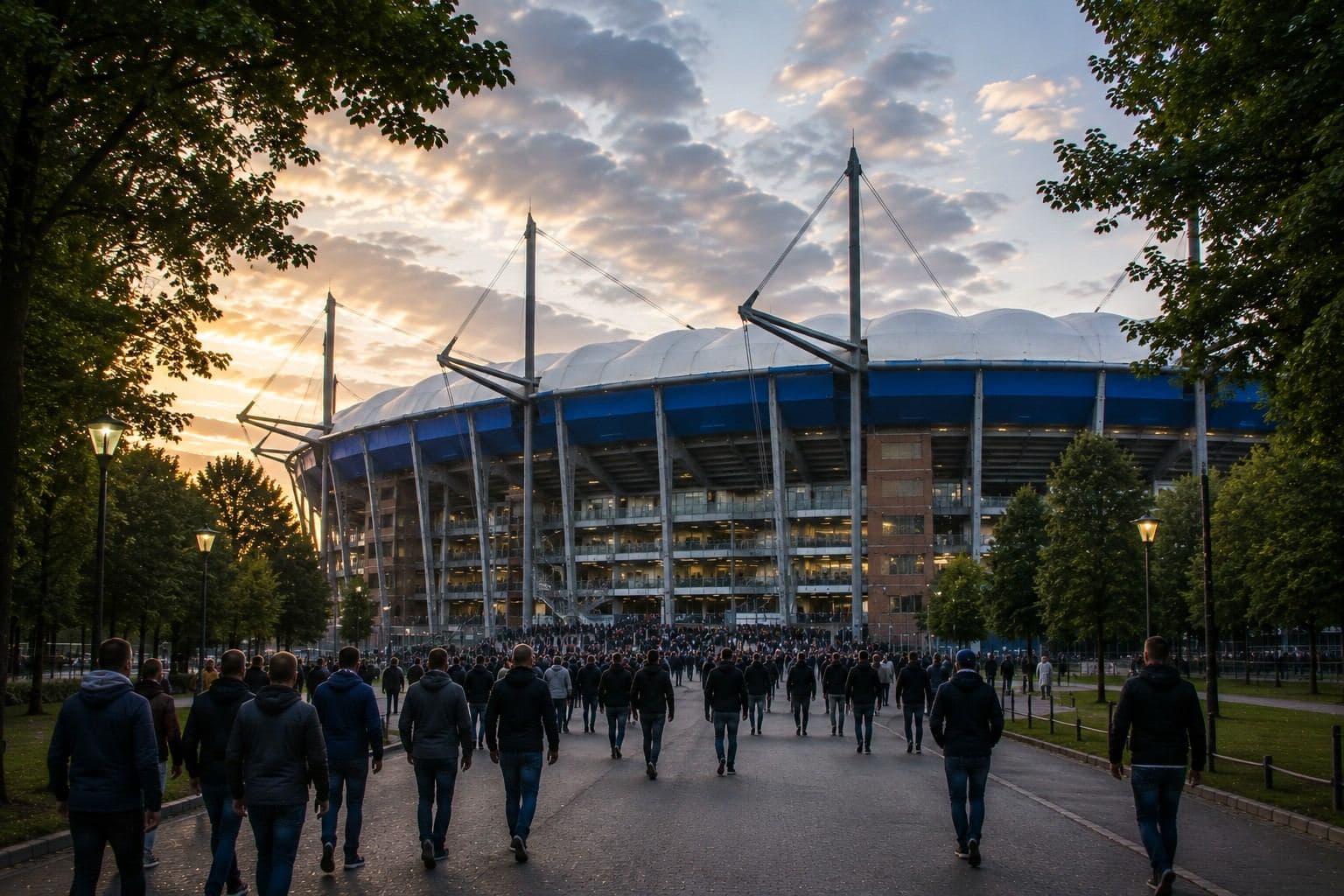
Club World
HSV World
Northern Loyalty
Explore Club →
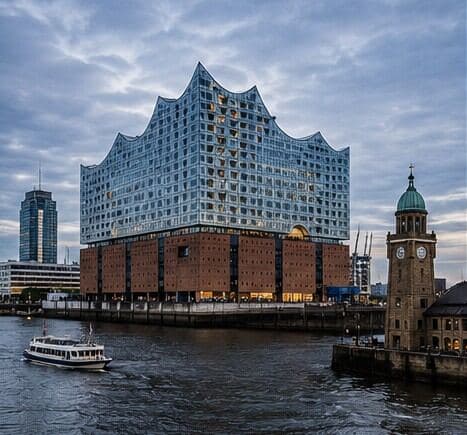
City World
Hamburg World
Experience one city, two completely different football worlds.
Explore World →
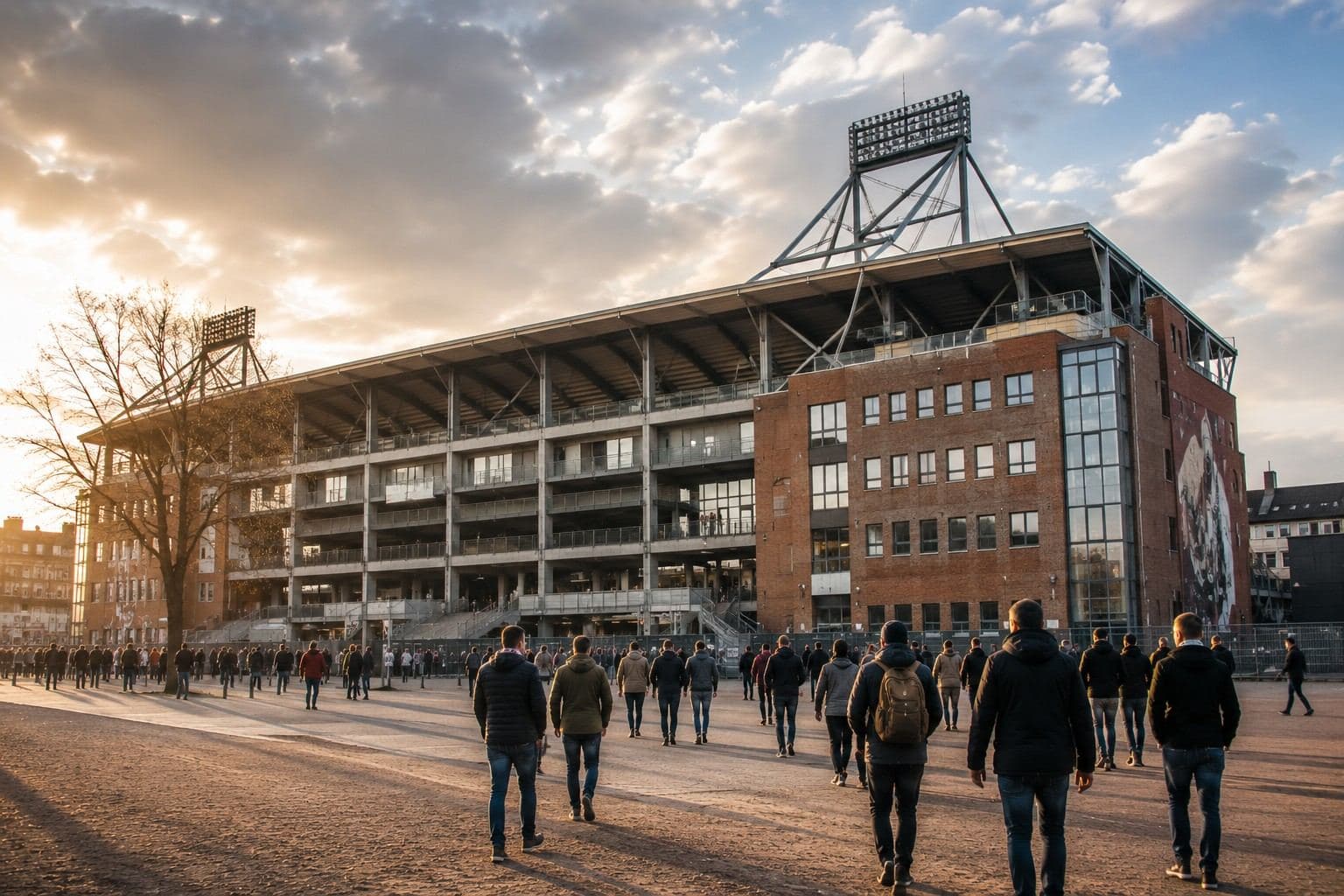
Another Club World
St. Pauli World
More Than a Football Club
Explore Club →
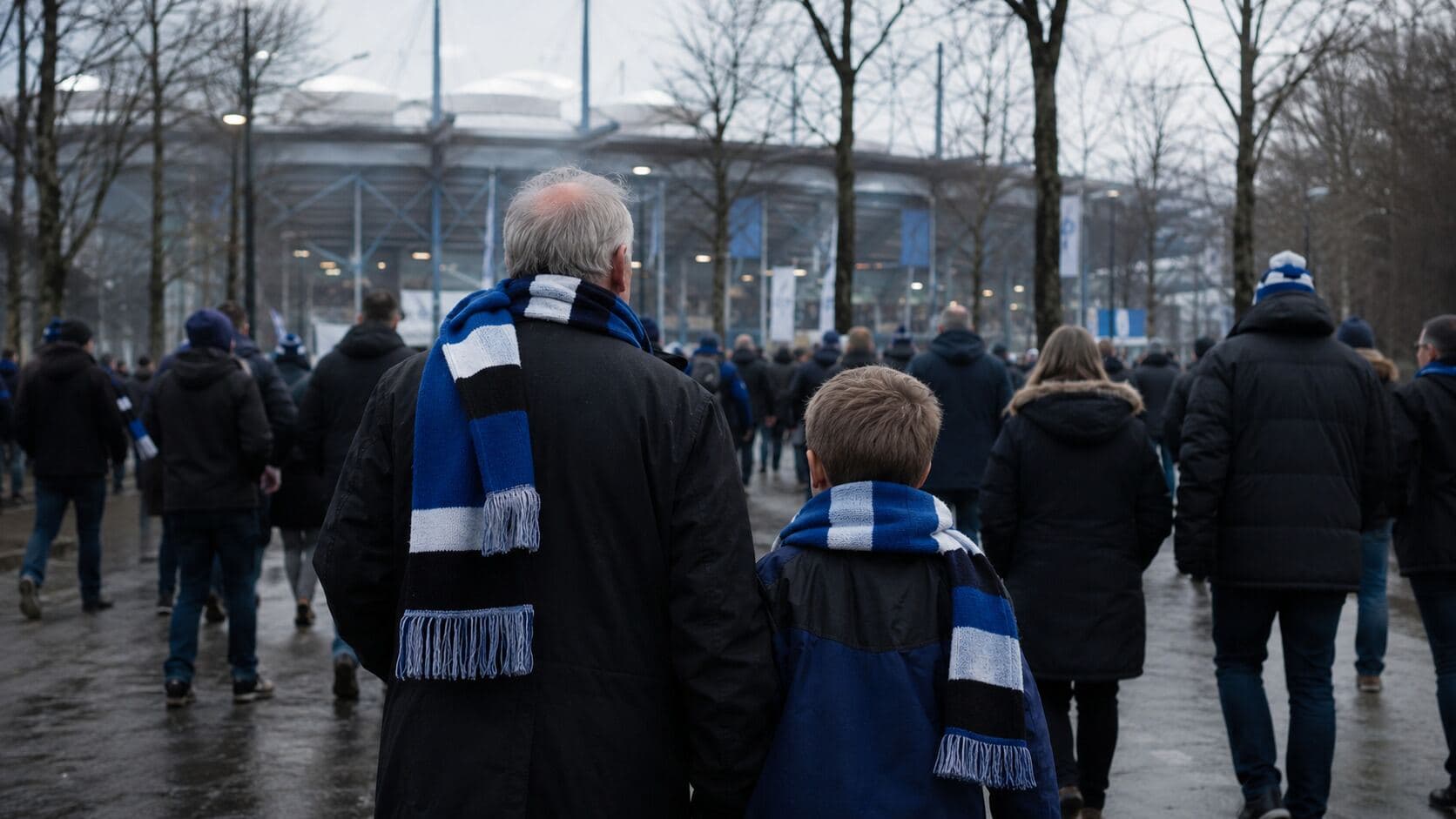
Related Culture
Northern Loyalty
Through good times and bad. A story about generations, belonging and loyalty in Hamburg.
Read Story →