General Football Culture
The Saturday Afternoon Ritual
Why 3:30 on Saturday remains the emotional centre of a German football weekend.
Germany
I
15:30
German football is now spread across the entire weekend.
There are matches on Friday evening, Saturday night and several times on Sunday. European competitions and television schedules continue to reshape the calendar.
Yet one time still carries a different meaning.
It is the traditional starting point of the Bundesliga weekend. Several matches begin together, scoreboards across the country remain connected and every goal changes more than one stadium.
Even when a supporter's own club plays at another time, Saturday afternoon remains familiar. It is the moment when the league stops being a collection of separate fixtures and begins to feel like one shared event.
II
The Day Begins Earlier
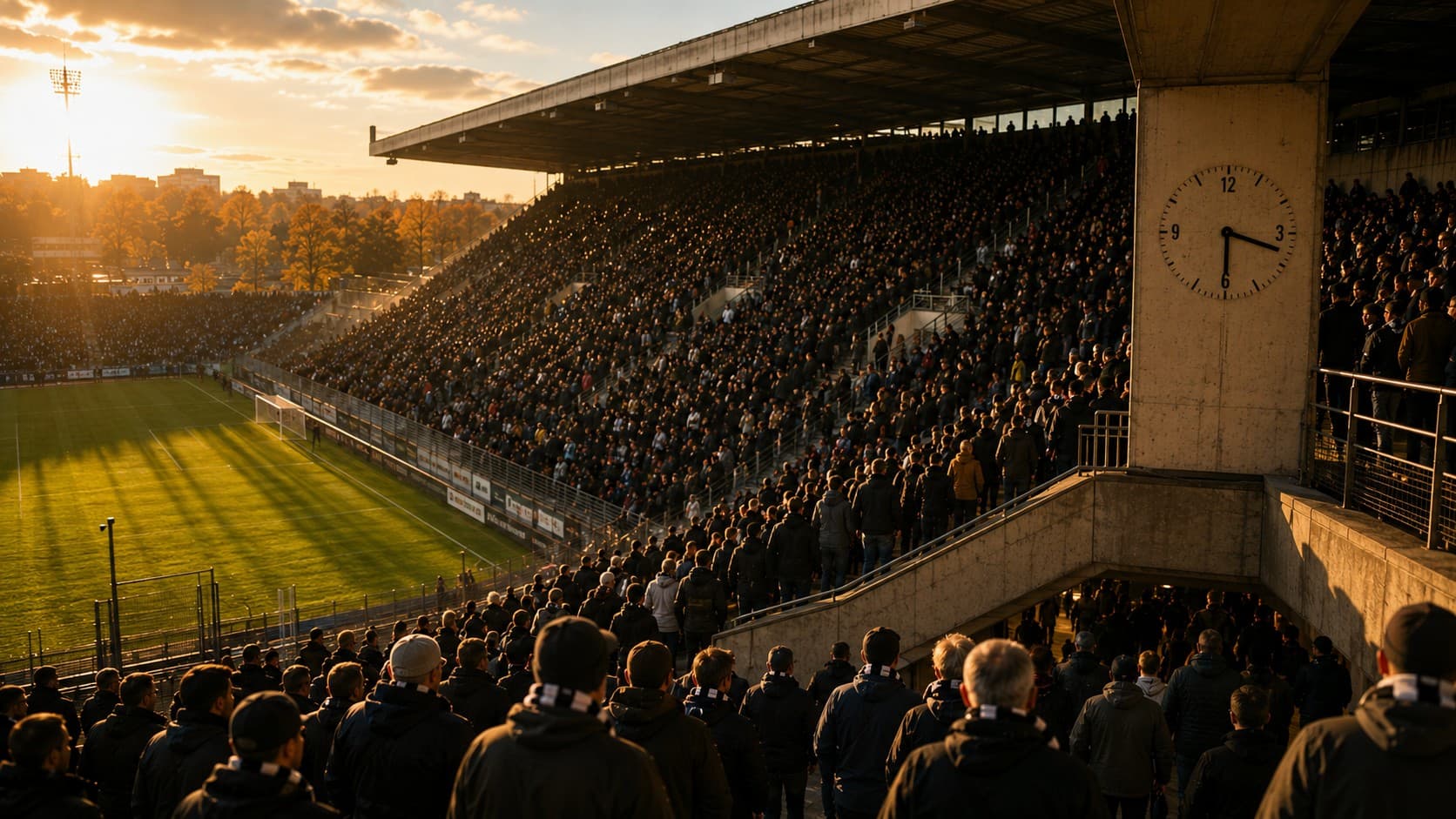
A 3:30 kick-off does not begin at 3:30.
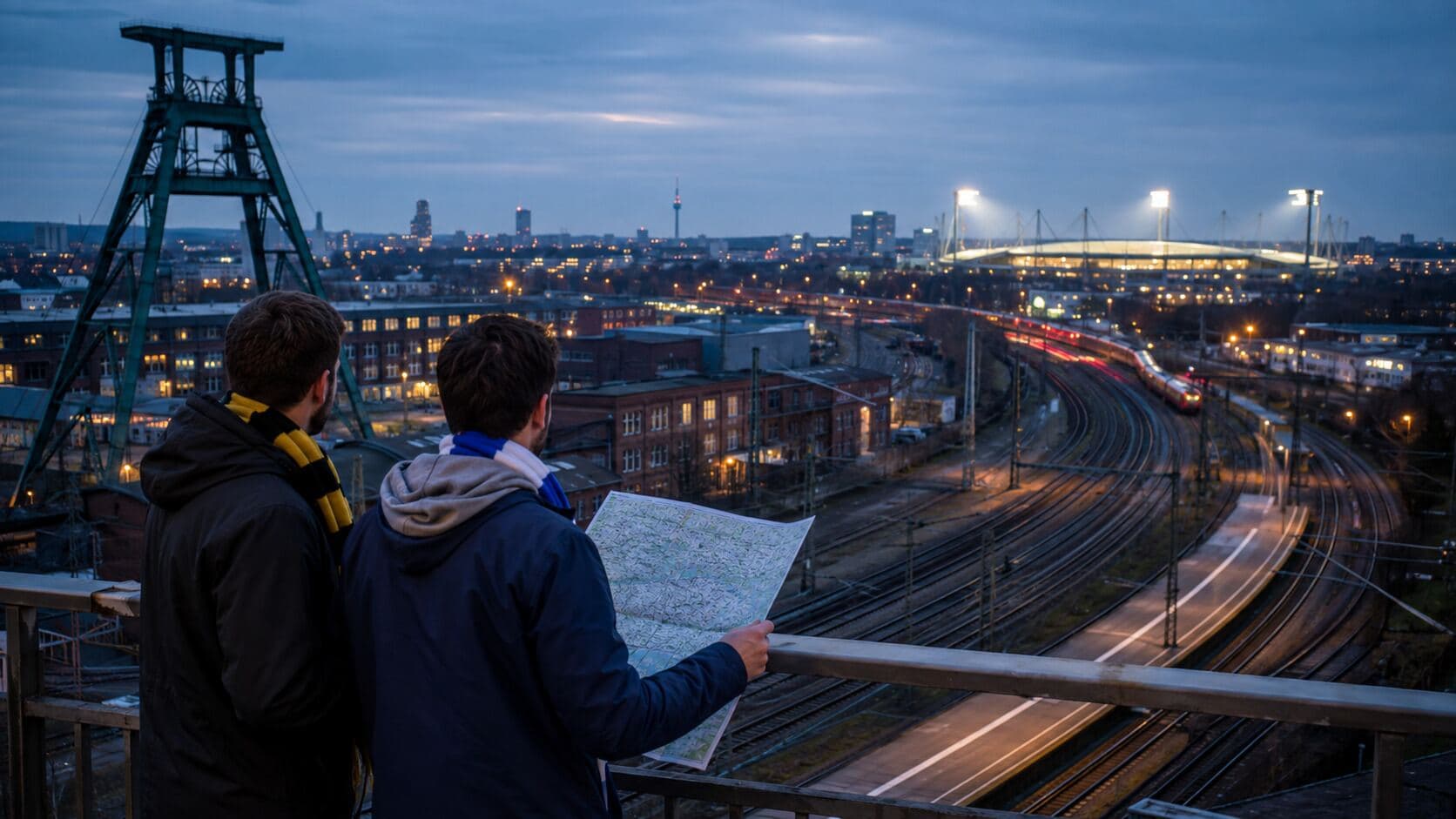
It begins in the morning with a scarf placed in a bag, a train selected and a message sent to the people you meet before every home match.
In cities across Germany, the colours gradually appear. At first there may be only one shirt on a local train. A few stops later, entire carriages are travelling towards the same part of the city.
Supporters meet in pubs, at kiosks, beside stations or outside the stadium. Some follow rituals developed over decades. Others are making the journey for the first time.
Lunch becomes part of the matchday. So does the first beer, the walk towards the floodlights and the conversation about a starting eleven nobody has seen yet.
The kick-off time provides the structure. Everything else grows around it.
III
Five Matches at Once
The traditional Saturday afternoon is built around simultaneity.
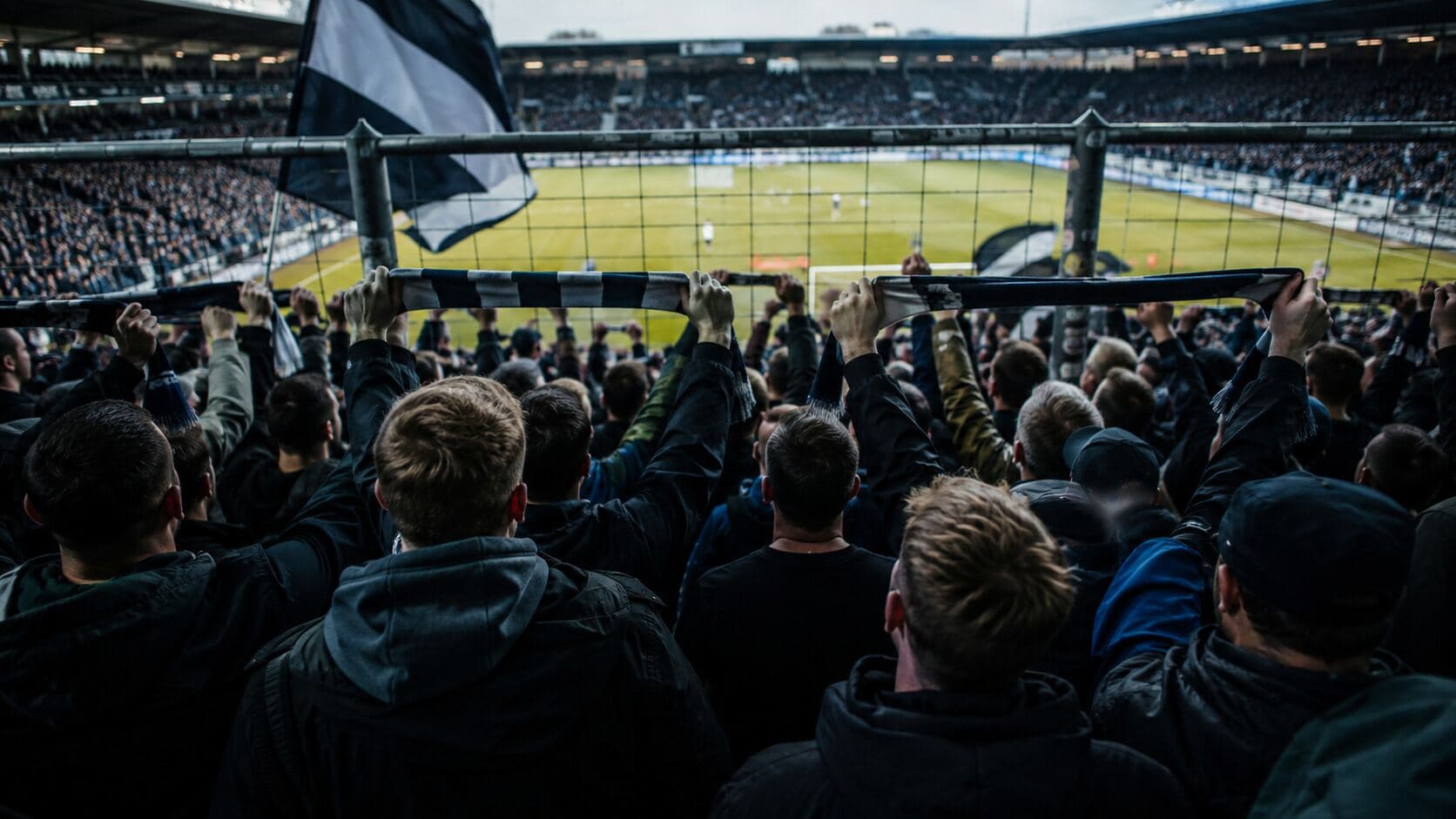
Several referees raise their whistles at almost the same moment. In one city, a title contender attacks. Somewhere else, a team fights relegation. A goal in either stadium can immediately change the meaning of the other match.
Supporters inside the grounds follow their own game, but information travels quickly. A score appears on the stadium screen. Somebody checks a phone. A rumour moves through the rows before the official update arrives.
Sometimes the loudest celebration of the afternoon is caused by a goal scored hundreds of kilometres away.
That shared starting time gives the league a common rhythm. Clubs are not completing isolated television episodes one after another. They are occupying the same football afternoon together.
IV
The Conference
For supporters who are not inside a stadium, the Saturday conference provides another way of experiencing that simultaneity.
Instead of following one match from beginning to end, the broadcast moves between grounds. A commentator interrupts from Dortmund. Another voice arrives from Frankfurt. Seconds later, attention moves to a penalty in Berlin.
The format creates its own kind of tension. Listeners and viewers rarely know where the next important moment will happen.
Long before live television became available for every fixture, radio carried Bundesliga afternoons into kitchens, cars, workshops and gardens. The commentators became part of the sound of the weekend.
Television changed the way people watched. Streaming changed it again. The basic appeal of the conference survived: football feels larger when all the matches are allowed to collide.
V
Six O’Clock
Shortly after the final whistle, the ritual enters its next stage.
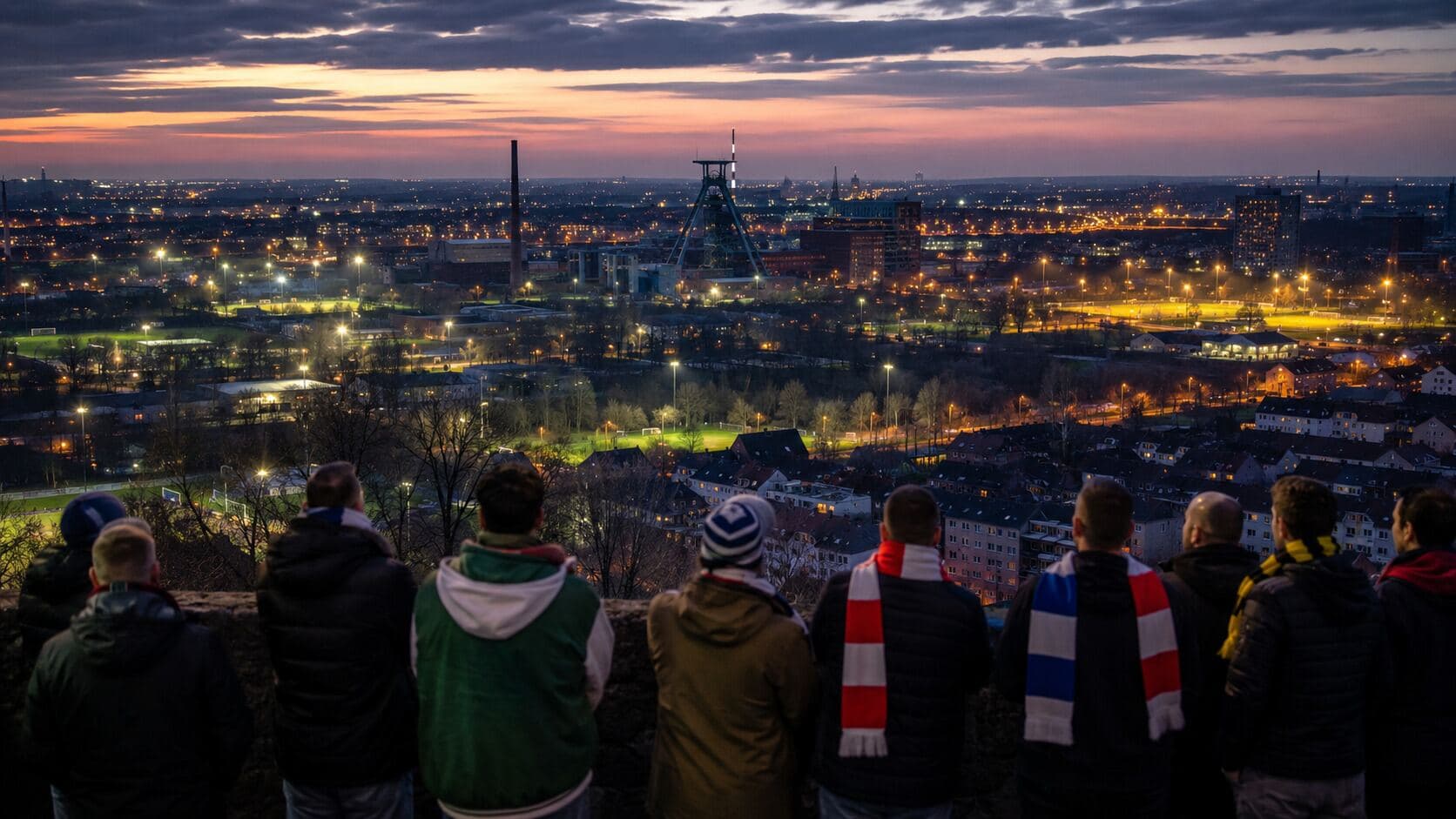
Supporters leave the stadium discussing the referee, the missed chance and the result elsewhere. Trains fill again. Radios continue with interviews and reports from the grounds.
Then comes the Sportschau.
For generations, the early-evening highlights programme has allowed people to see the goals they had previously heard described or followed through score updates.
Even in an age of instant notifications and clips, there is something familiar about watching the afternoon assembled into one programme. The matches are no longer happening simultaneously. They have become the story of the day.
After that, the Saturday evening match begins and football continues. But the traditional afternoon has already established the mood of the weekend.
VI
A Tradition Under Pressure
The modern football calendar asks more from every weekend.
Broadcasters want matches at different times. Clubs playing in Europe require additional recovery. Supporters travel to Friday evening and Sunday night fixtures that may be difficult to reach by public transport.
This makes Saturday at 3:30 more valuable, not less.
It remains a time that usually allows a supporter to travel during the day, experience the match and return home without turning one fixture into an entire logistical operation.
More importantly, it preserves a shared rhythm. Thousands of local routines lead towards the same moment. Stadiums fill together. Radios switch on. Referees check their watches.
The calendar may change, but the ritual still knows what time it is.
Continue Your Journey
Keep Exploring German Football.
Follow this story into its club, its football world and another chapter of German football culture.
Club World
1. FC Köln World
Where Football Feels Like Carnival
Explore Club →
City World
Cologne World
A football city full of emotion and tradition.
Explore World →
Another Club World
Eintracht Frankfurt World
Follow the Eagle
Explore Club →
Related Culture
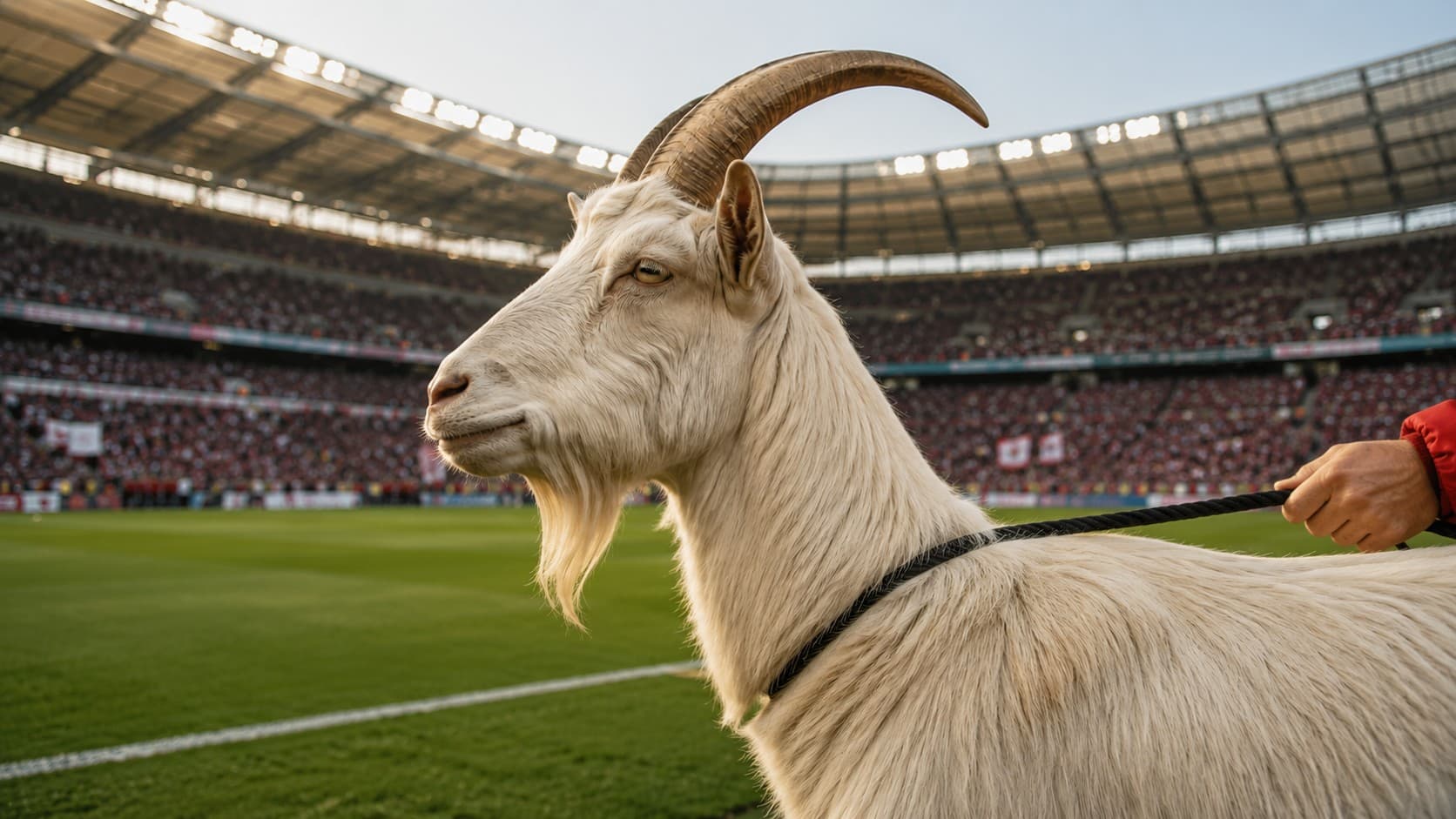
Hennes
What began as a carnival gift became a living symbol that has accompanied 1. FC Köln through nine generations.
Read Story →