
General Football Culture
Why German Fans Stand
Standing in a German stadium is not simply about watching the match. It is about becoming part of it.
Germany
I
Behind the Goal
Enter a German football stadium and your attention will usually be drawn towards one part of the ground.
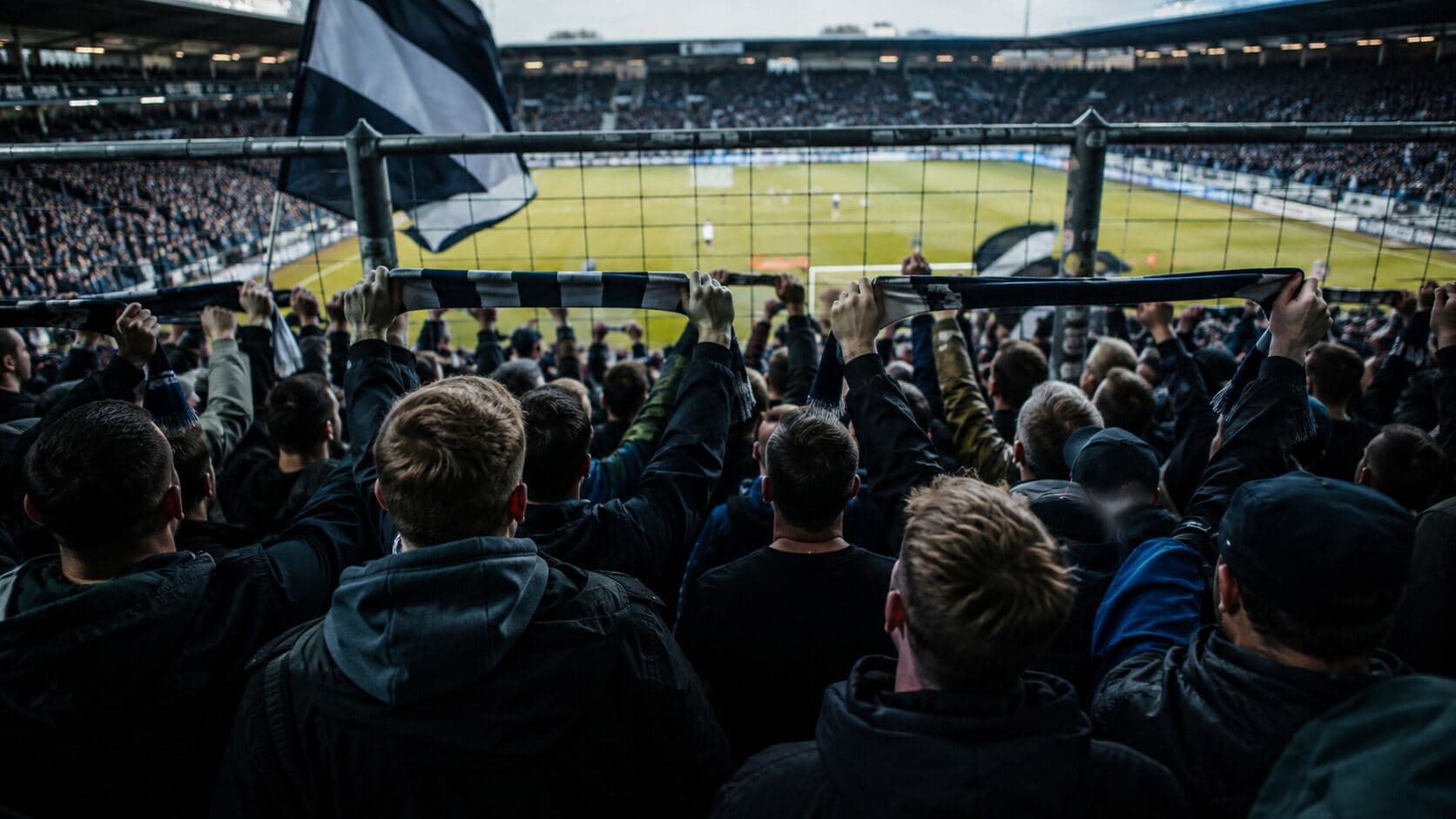
Behind the goal, thousands of people are already standing. Flags move above their heads. Scarves are raised. A song begins in one section and spreads across the terrace.
The match may not have started, but the people standing there are already working.
They are creating the rhythm of the afternoon. They organise the singing, respond to events on the pitch and encourage the rest of the stadium to join them.
To a visitor, the terrace may appear to be the place with the best atmosphere. For those inside it, atmosphere is not something provided for them.
II
A Different Way to Watch
Standing changes the physical experience of football.
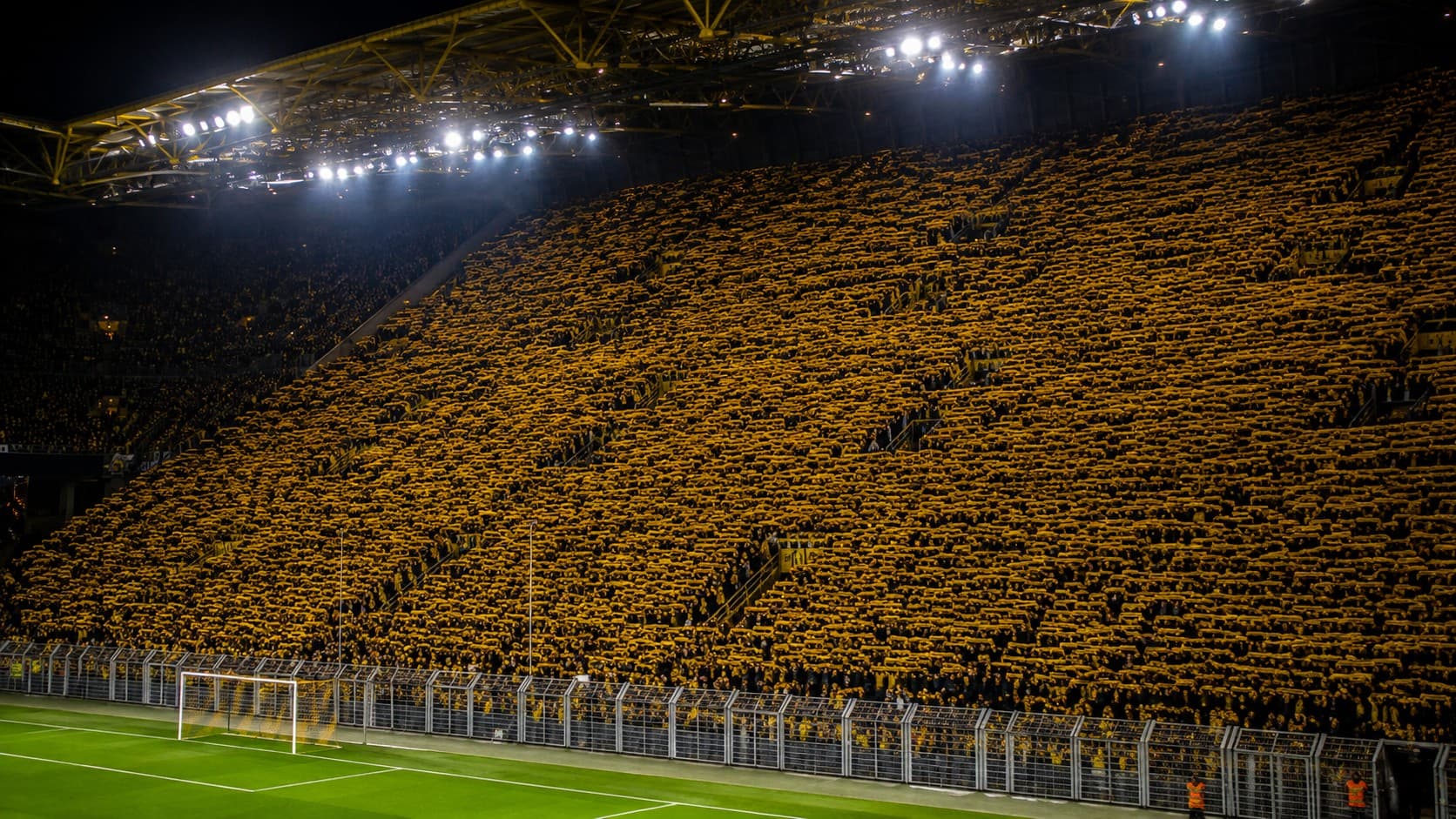
There is no seat separating one supporter from the next. People move, turn, sing and celebrate together. When a goal is scored, the terrace briefly loses its individual boundaries.
The crowd can sway forward. Beer flies through the air. Friends who stood beside each other a moment earlier may find themselves several places apart.
It can feel chaotic, but the terrace has its own unwritten rules. Regular supporters know where the most active groups stand. Visitors learn quickly that the central sections are not places for quietly observing the match.
Standing does not automatically produce atmosphere. It creates the conditions in which collective participation becomes easier.
Singing feels more natural. Movement spreads more quickly. The emotional distance between the crowd and the pitch becomes smaller.
III
Football for More People
The importance of standing terraces is not limited to noise.
Standing tickets are generally among the least expensive tickets in the stadium. That helps students, younger supporters, families on limited budgets and people attending regularly rather than occasionally.
This matters because football loyalty is built through repetition. Attending one match can create a memory. Returning every second weekend creates a relationship.
Affordable standing areas allow supporters to experience the club as part of ordinary life rather than as a rare entertainment purchase. The same people meet in the same part of the ground across an entire season.
Friendships form. Songs are passed on. New supporters learn the habits of the terrace from those who have stood there for decades.
IV
The Modern Terrace
A modern standing section is not simply an open concrete terrace from football's past.
German stadiums use barriers, controlled capacities and designated sections to manage standing safely. Many grounds can also convert standing areas into seated sections when competition rules require them.
That transformation is especially visible during European matches. A terrace filled with tightly packed standing supporters on Saturday may contain rows of seats a few days later.
The architecture changes, and so does the feeling. Supporters may still sing, wave flags and create impressive displays, but many believe that an all-seater configuration cannot reproduce exactly the same energy.
This is why debates about standing are rarely only technical. Safety remains essential, but supporters also see terraces as cultural spaces worth protecting.
V
More Than Dortmund
Dortmund's Südtribüne is the most internationally recognised example. Its scale turns the entire end of the stadium into a wall of black and yellow.
But German standing culture cannot be reduced to one famous terrace.
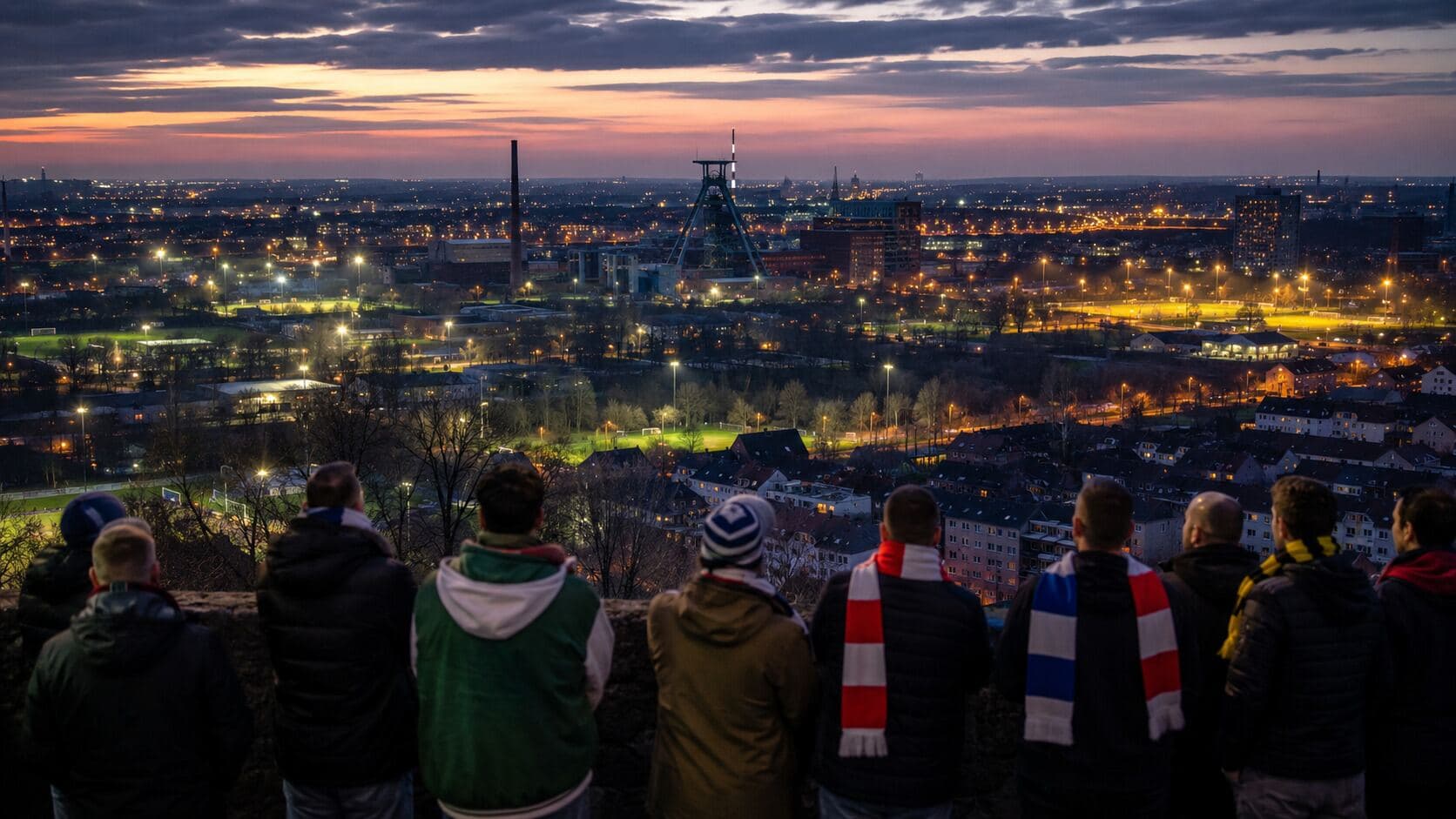
It exists in Gelsenkirchen, Frankfurt, Hamburg, Berlin, Cologne and countless smaller cities. It survives in the Bundesliga, the second division, the third division and deep into regional football.
The size changes. The colours change. The songs and local traditions change. The central idea remains remarkably similar.
The most active supporters gather together, usually behind the goal, and accept a shared responsibility for carrying the team through the match.
Sometimes that means celebration. Sometimes it means continuing to sing while the team is losing. Sometimes it means using the terrace to protest against club leadership, ticket prices, kick-off times or decisions made by football authorities.
VI
Why They Stand
German fans stand because standing is active.
It makes singing, movement and collective celebration easier. It keeps regular attendance within reach of more people. It allows groups of supporters to remain together and gives fan culture a visible home inside the stadium.
Not everyone wants that experience. Many supporters prefer a seat, more personal space or a clearer view of the match. A successful stadium needs room for different ways of watching football.
But remove the standing terrace and something important changes. The stadium may still be full. It may still be loud. Yet the part of the ground responsible for turning thousands of separate spectators into one collective voice becomes harder to reproduce.
The terrace is where the crowd stops being an audience and becomes part of the match.
Continue Your Journey
Keep Exploring German Football.
Follow this story into its club, its football world and another chapter of German football culture.
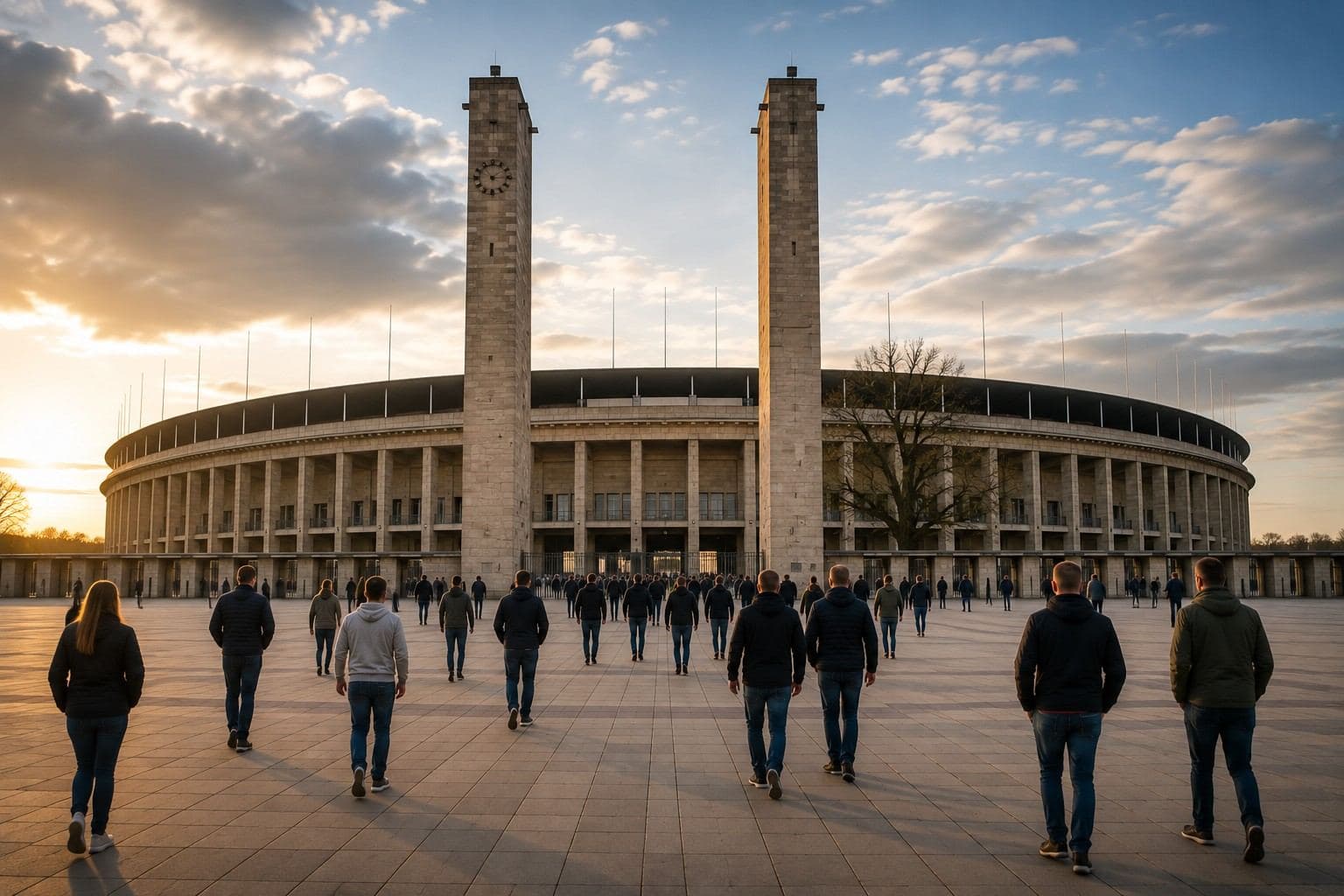
Club World
Hertha BSC World
The Dream Remains
Explore Club →
City World
Berlin World
Explore Germany's biggest football city.
Explore World →
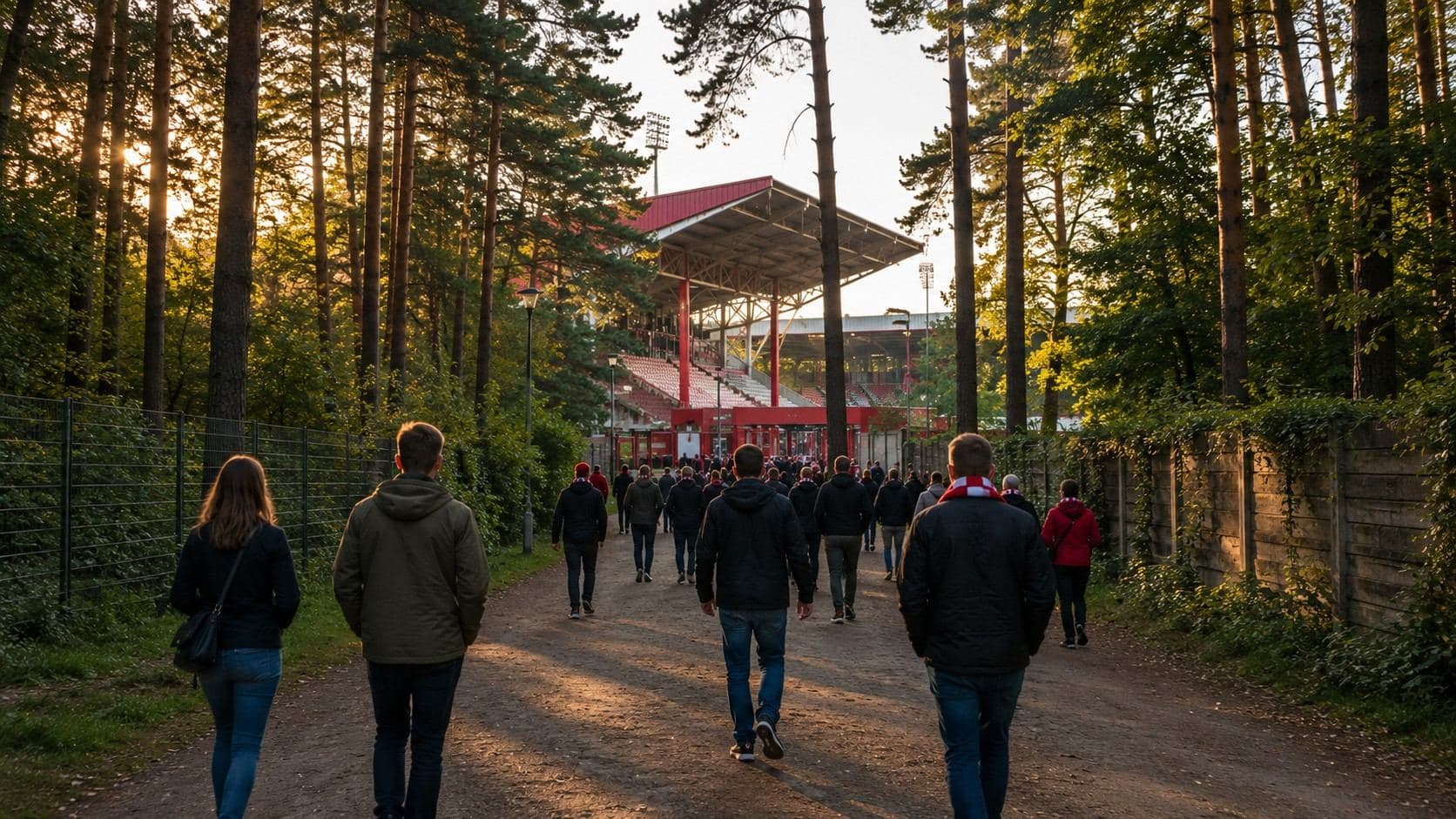
Another Club World
Union Berlin World
Built Together
Explore Club →
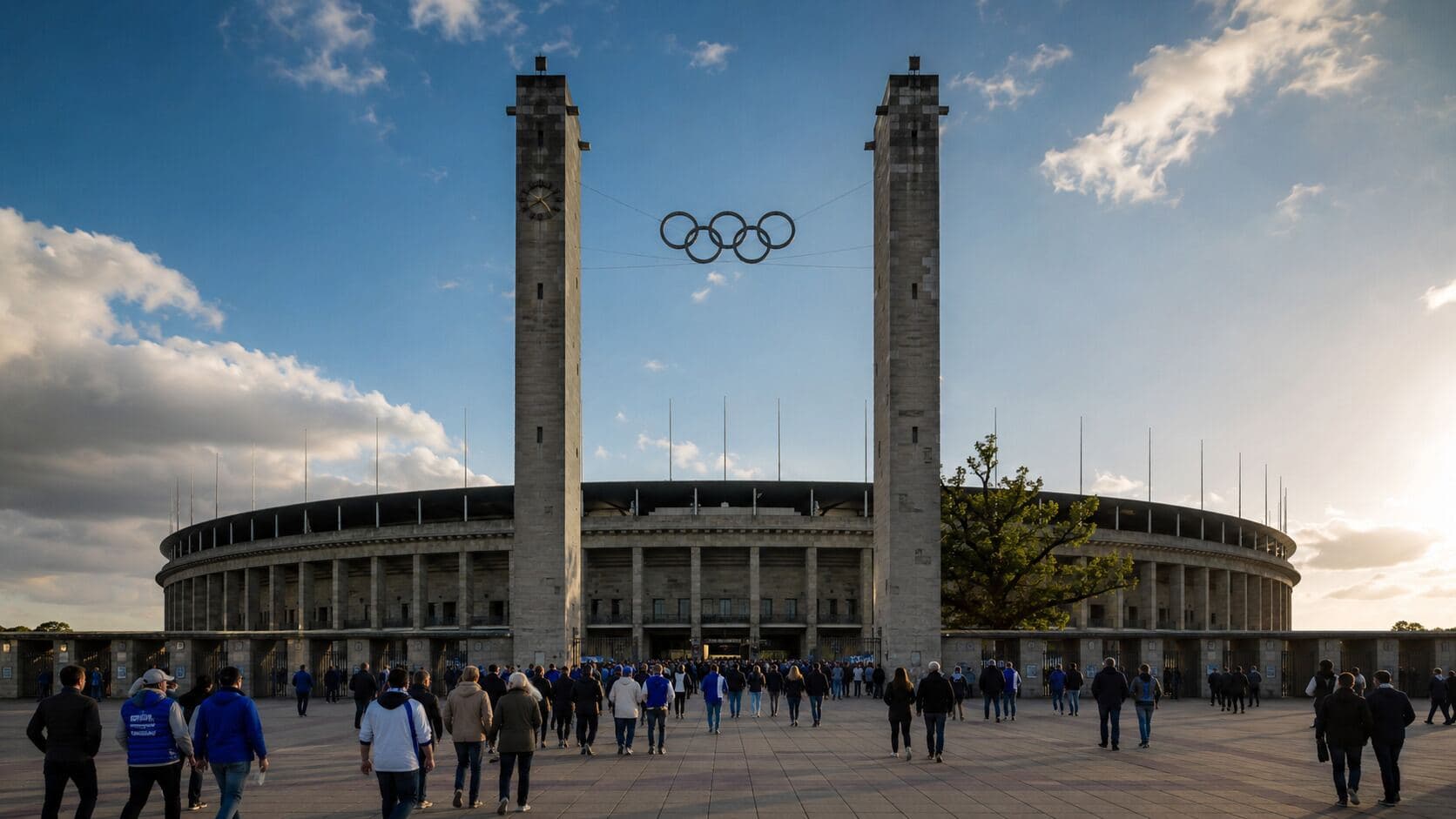
Related Culture
Olympiastadion Experience
Experience Hertha matchday inside one of Europe's most monumental and historically complex sporting arenas.
Read Story →