Club Identity
The Dream Remains
Hertha BSC carries the history, scale and expectations of Berlin — and the hope that its greatest modern chapter is still ahead.
Berlin · Hertha BSC
I
The Old Lady
Hertha BSC is known as the Alte Dame — the Old Lady.
The nickname fits a club founded in 1892, older than the Bundesliga and connected to more than a century of Berlin's changing history.
But Hertha's identity is not built only on age. It is built on the distance between what the club has been and what it might still become.
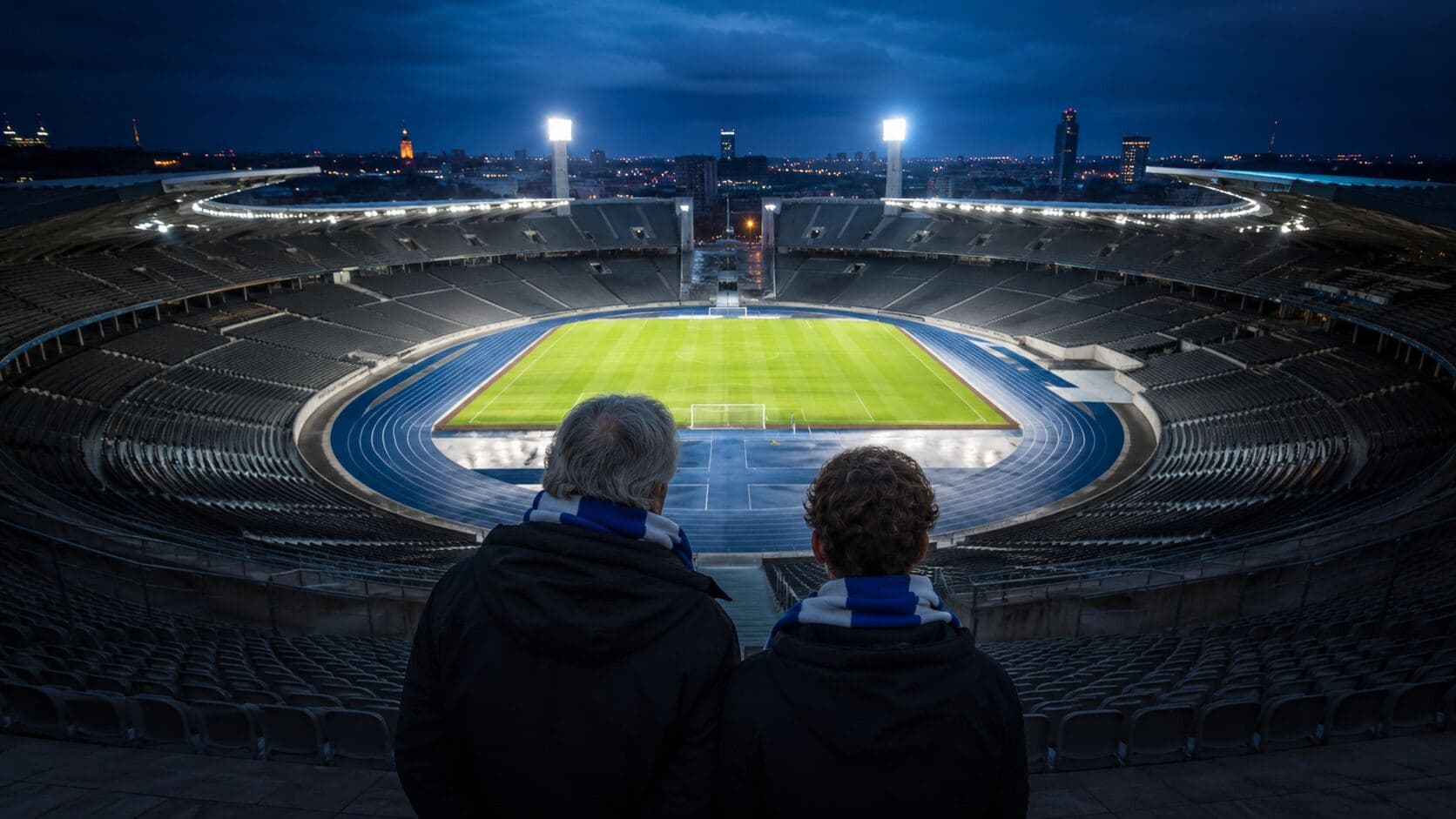
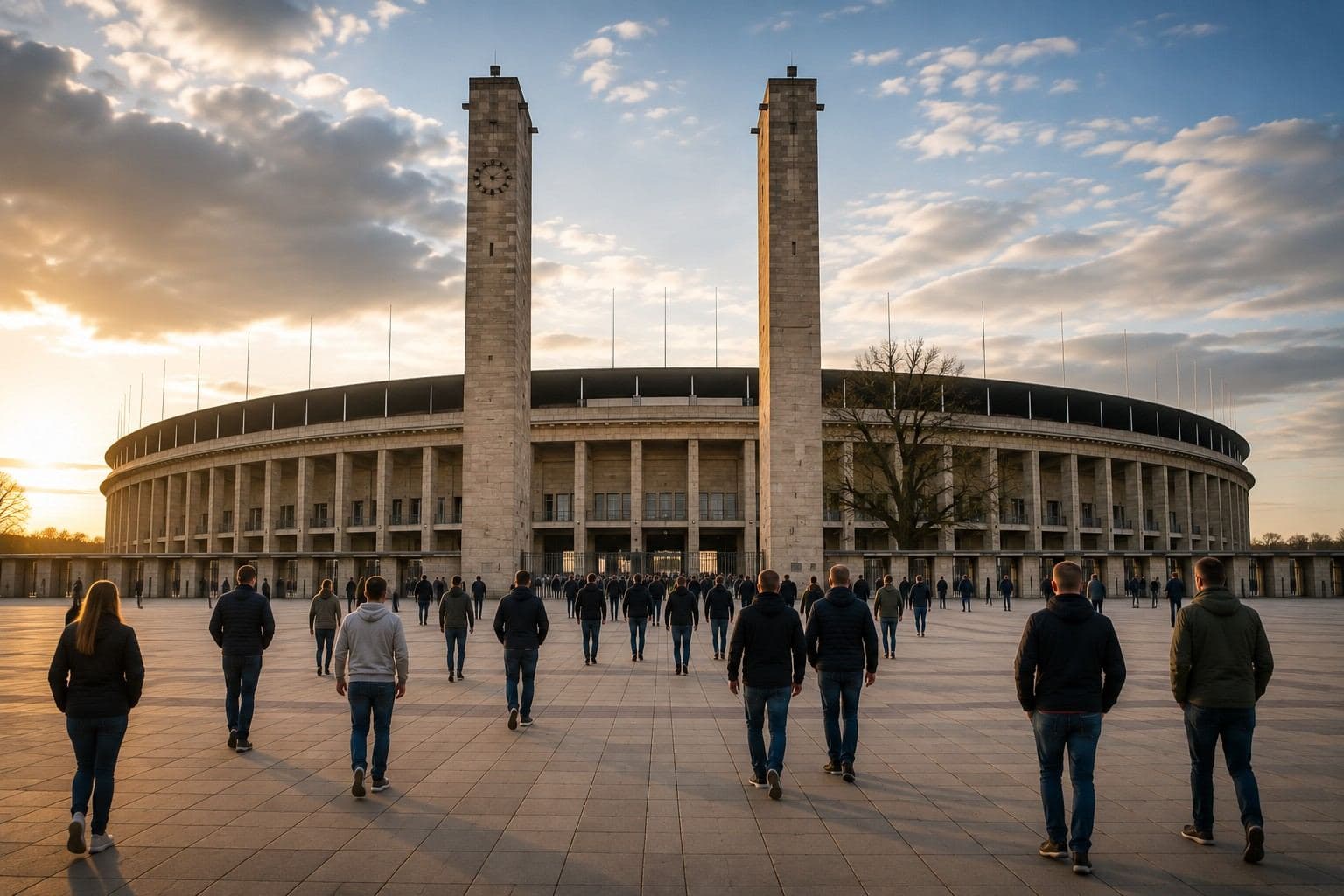
Hertha represents one of Europe's largest cities. It plays inside one of Germany's largest stadiums. Its blue and white colours are recognised across the capital.
Those facts create possibility. They also create expectation.
II
Champions of Berlin
Hertha's greatest national achievements arrived before the Bundesliga existed.
The club reached six consecutive German championship finals between 1926 and 1931. After four defeats, Hertha finally became German champions in 1930 and successfully defended the title in 1931.
These victories established Hertha as one of the leading names of early German football. They also became increasingly distant points of reference.
When the Bundesliga began in 1963, Hertha was one of its founding members. What followed was not a stable march towards modern dominance, but a history of strong seasons, economic problems, relegations and returns.
The Old Lady rarely travelled in a straight line.
III
Almost
Hertha's modern history contains several moments when the next great achievement appeared close.
In 1974/75, the club finished second in the Bundesliga. Hertha reached the DFB-Pokal final in 1977 and again in 1979, losing both.
In the late 1990s, another strong team emerged. Qualification for the UEFA Champions League brought Europe's leading clubs to the Olympiastadion during the 1999/2000 season.
These periods showed what Hertha could look like when the potential of the club, city and stadium moved in the same direction.
They also reinforced a familiar pattern. Success arrived close enough to expand the dream, but not long enough to make it permanent.
IV
The Weight of the Capital
Berlin creates a particular kind of pressure.
Observers see the population, international profile and economic possibilities of the German capital and ask why its traditional western club has not become one of the country's permanent football powers.
The question makes sense from the outside. Inside the club, it can become a burden.
A city's size does not automatically create a successful team. Berlin is fragmented, constantly changing and home to many different football communities. Hertha must compete for attention while also carrying expectations created by its location.
Plans for rapid growth have repeatedly collided with football's less predictable reality. Money, ambition and large statements could not replace stable structures.
The dream of becoming greater remained. The route towards it had to change.
V
Blue and White Remain
Club identity becomes clearest when the promises surrounding it fall away.
Hertha has experienced relegations, financial uncertainty and ambitious projects that ended without delivering the expected transformation.
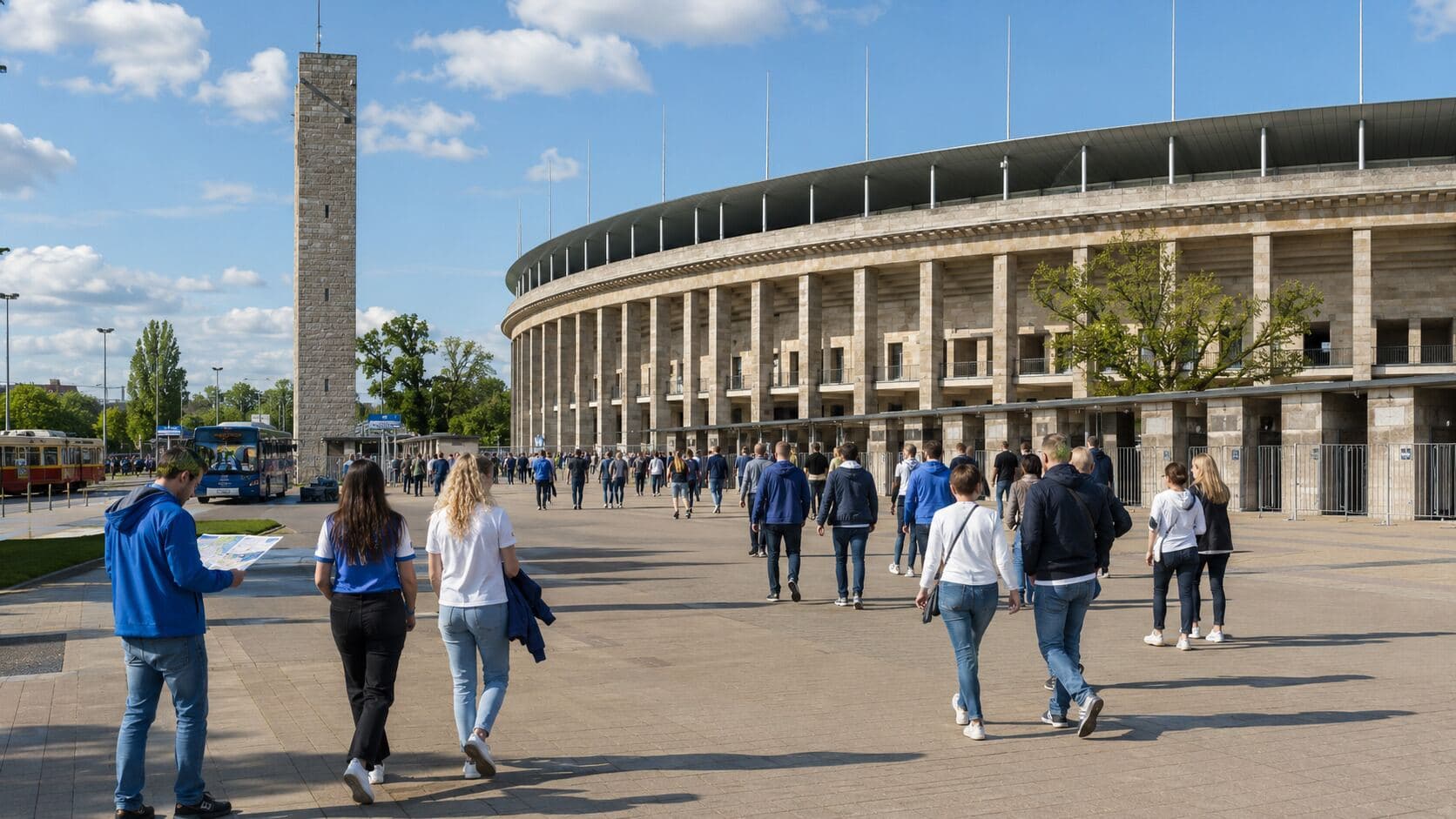
The supporters continued entering the Olympiastadion.
The Ostkurve continued raising blue and white flags inside an arena often too large for ordinary league football. Families continued passing the club from one generation to the next. The Old Lady continued to be part of Berlin.
This loyalty is less internationally celebrated than some other German supporter cultures. It is also essential to understanding Hertha.
The club has repeatedly lost its direction without losing the people who believe it can find one again.
VI
The Dream Remains
Hertha's dream no longer needs another oversized promise.
It can begin with something quieter: a stable club, young players connected to Berlin, responsible decisions and a team supporters recognise as their own.
Ambition does not have to disappear with humility. Hertha can acknowledge the mistakes of its recent past without accepting that disappointment defines its future.
The history remains. The stadium remains. The blue and white community remains.
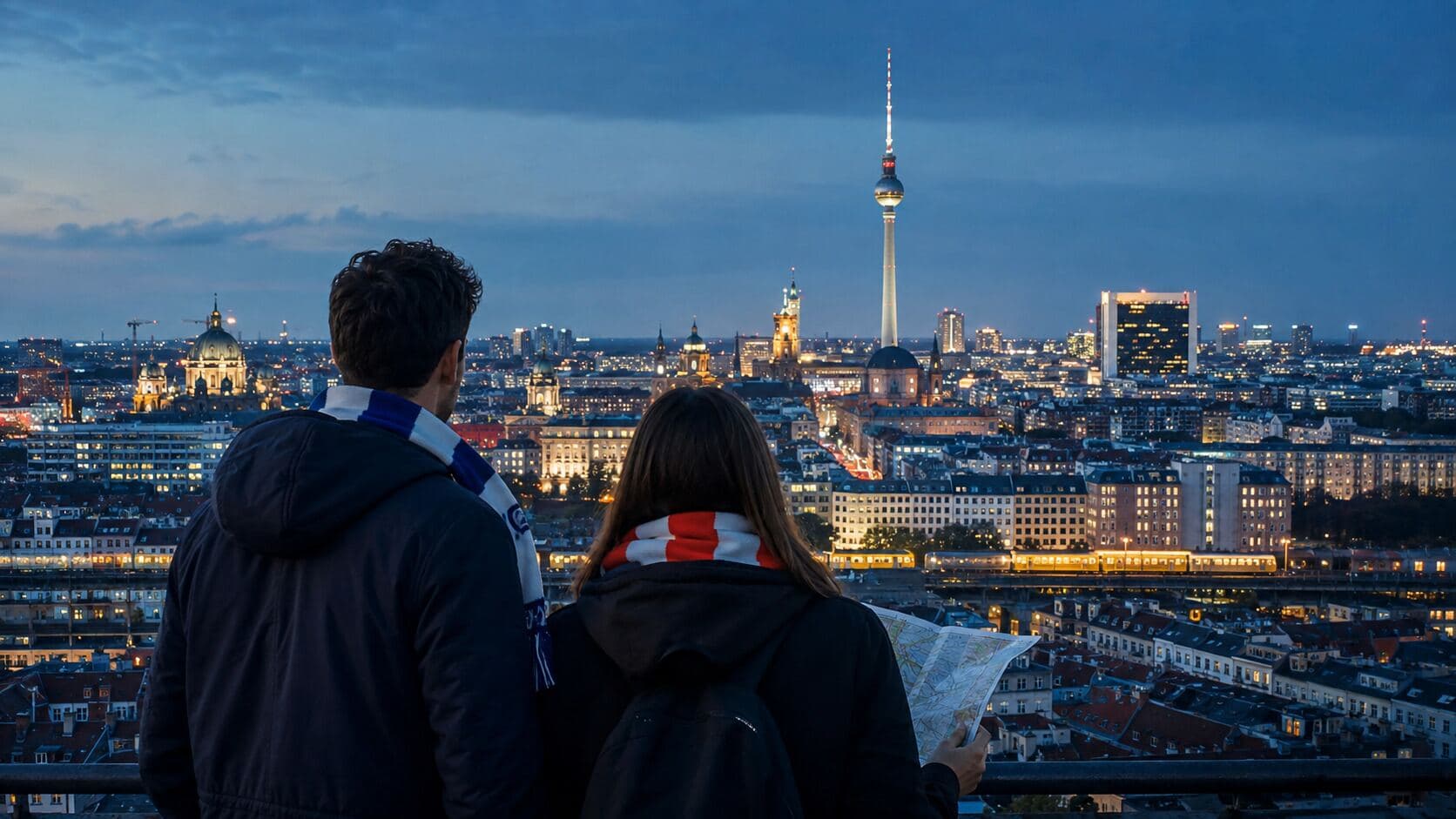
Somewhere between the Old Lady's past and Berlin's possibilities is the version of Hertha its supporters are still waiting to see.
Continue Your Journey
Keep Exploring German Football.
Follow this story into its club, its football world and another chapter of German football culture.
Club World
Hertha BSC World
The Dream Remains
Explore Club →
City World
Berlin World
Explore Germany's biggest football city.
Explore World →
Another Club World
Union Berlin World
Built Together
Explore Club →
Related Culture
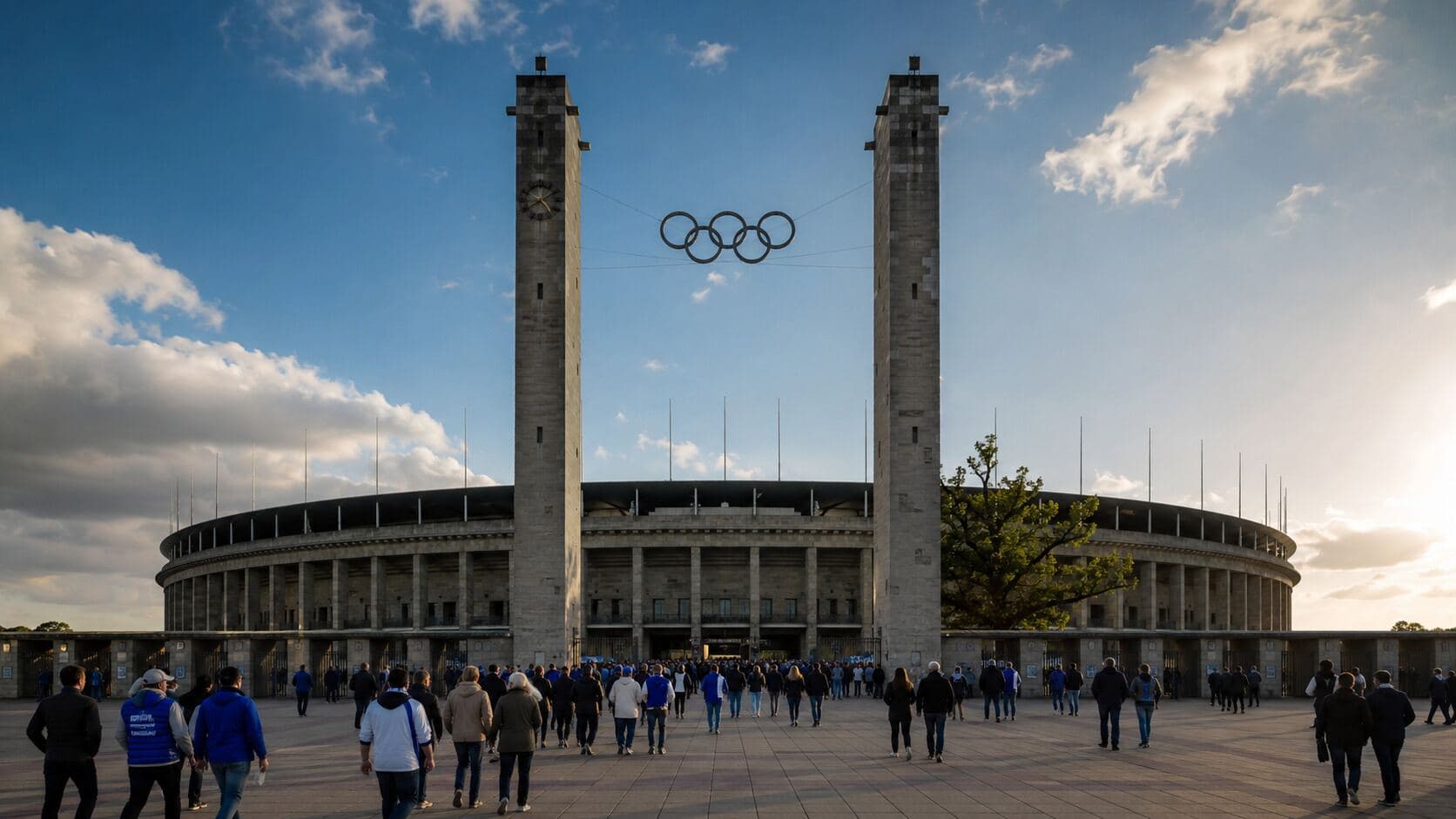
Olympiastadion Experience
Experience Hertha matchday inside one of Europe's most monumental and historically complex sporting arenas.
Read Story →