

General Football Culture
Away Days
Following your club across Germany means accepting that the journey is part of the match.
Germany
I
Before Sunrise
Some away days begin while the city is still asleep.
A scarf is tied around a backpack. Bottles and sandwiches are divided between friends. Somebody checks the tickets again, although everybody already knows they are there.
At the station, the first club colours appear under the artificial light. The departure board may show a city hundreds of kilometres away. The match itself will not begin for hours.
That does not mean the matchday has not started.
For away supporters, the journey is not empty time before the important part. It is where songs begin, expectations grow and a group of individuals becomes a travelling support.
II
Across the Country
Germany's football map creates journeys of every kind.
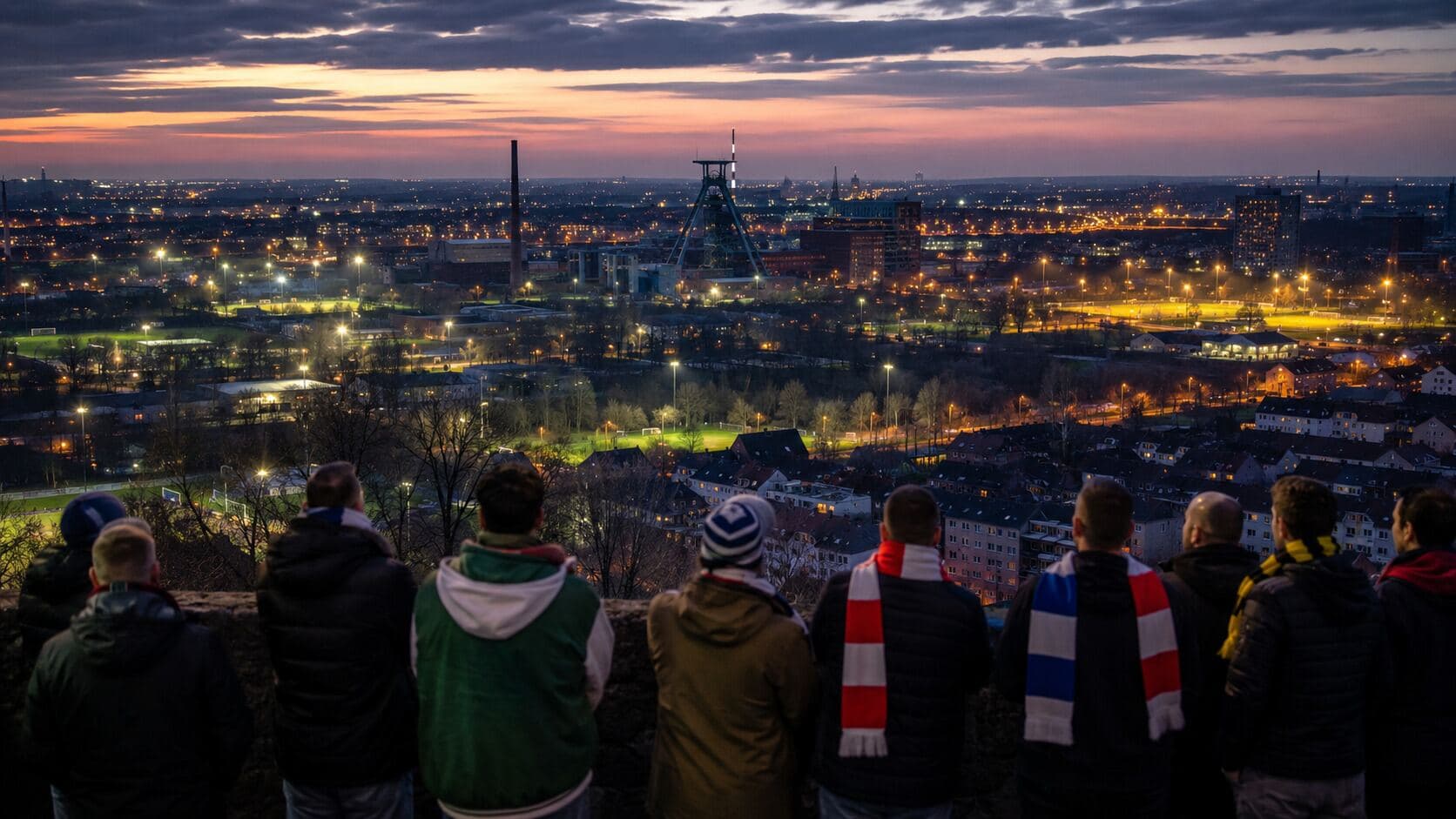
Hamburg supporters travel south towards Munich. Clubs from the Ruhrgebiet send thousands towards Berlin. Regional opponents may be separated by only a short local train ride.
Fans travel by scheduled trains, coaches, cars and organised group transport. Sometimes additional trains are provided for especially large travelling groups.
The experience depends heavily on the fixture. A direct connection and a Saturday afternoon kick-off can produce an almost comfortable day trip. A Sunday evening match on the opposite side of the country can turn the return journey into an overnight expedition.
Delays, replacement buses and missed connections are common enough to have become part of away-day humour. Plans are made carefully and then abandoned somewhere between two railway stations.
The difficulties rarely stop people from going again.
III
Entering Another World
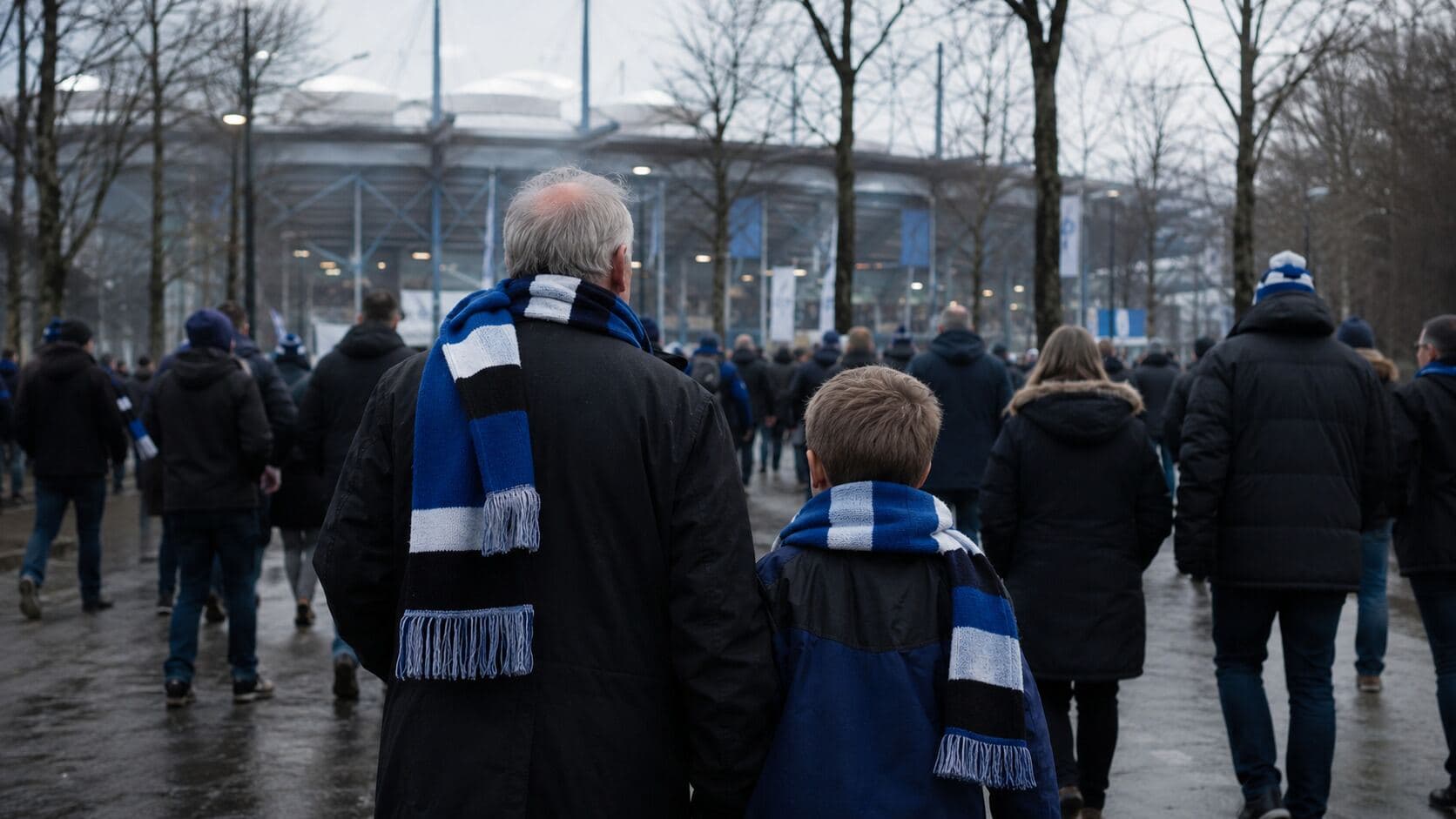
Arriving in another football city changes the mood.
The home club controls the streets, the colours and the familiar landmarks. Away supporters enter as a visible minority.
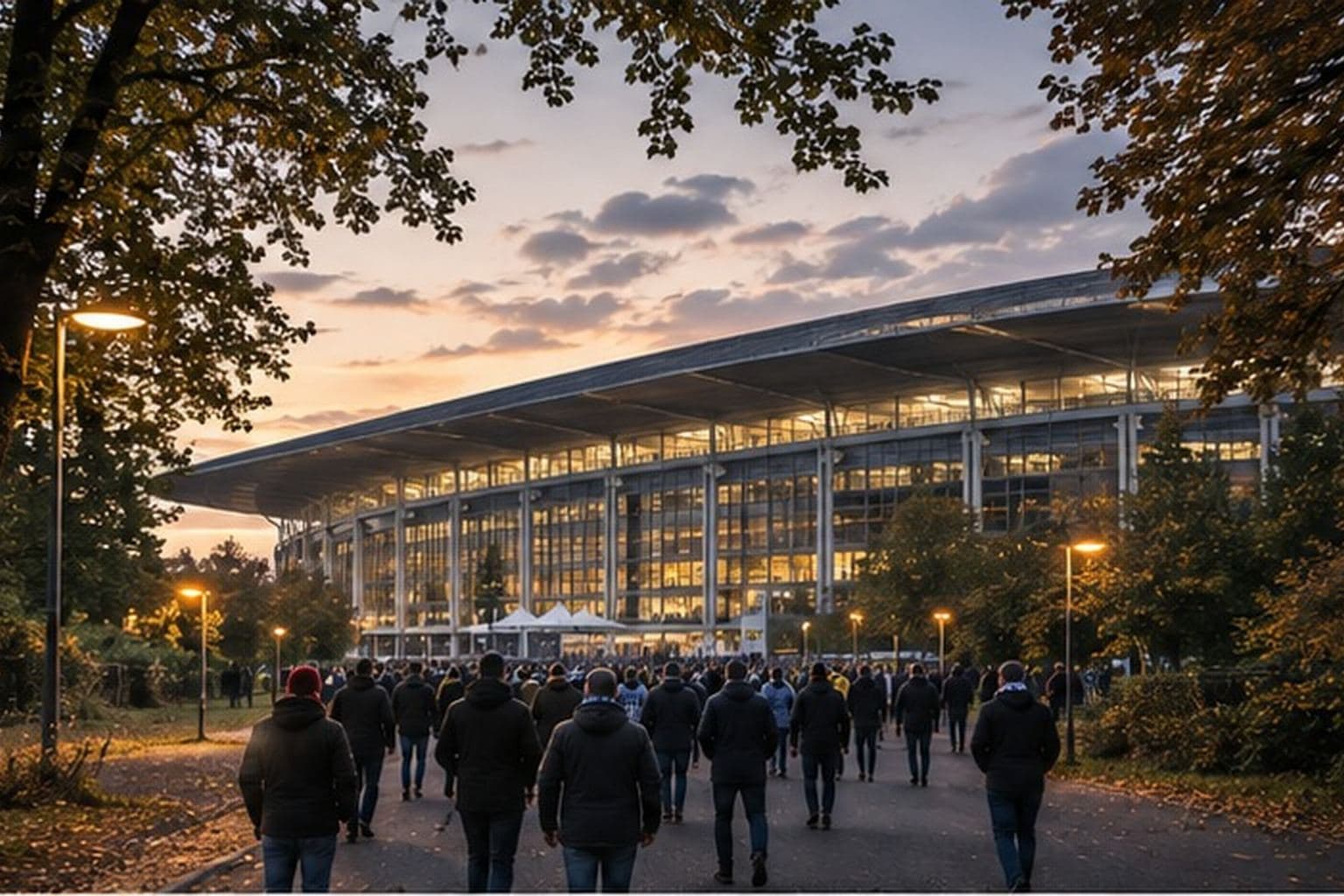
Police may direct them towards particular routes. Some groups are escorted from the station. At the stadium, separate entrances lead towards the designated away section.
This separation can feel restrictive, but it also concentrates the travelling support. Friends, fan clubs and strangers from different parts of the home region gather behind the same goal.
Inside the away end, the normal stadium perspective is reversed. Familiar songs are heard in unfamiliar surroundings. The home crowd fills almost every other section, making each response from the away block feel like a declaration.
IV
The Away End
The away section is often judged by how it responds when the match becomes difficult.
Singing while leading is easy. Continuing after conceding requires something else. The players are far from home, and the supporters understand their role as the only part of the home environment that travelled with them.
Flags, banners and coordinated songs create a temporary piece of the club inside another stadium. For ninety minutes, one corner of the ground belongs visually and vocally to the visitors.
Tickets can be difficult to obtain, particularly for important matches. Clubs and fan organisations use different allocation systems, often giving priority to members, season-ticket holders or supporters who attend regularly.
An away ticket therefore carries more than admission. It can represent years of membership, previous journeys and participation in the life of the club.
V
The Long Way Home
The final whistle divides every away day into two possible journeys.
After a victory, the distance home appears shorter. Songs continue on the platform and inside the train. Goals are replayed through conversations long before anybody watches them on a screen.
After a defeat, the same kilometres feel different. People analyse the match, complain about decisions or sit quietly beside the friends with whom they made the journey.
Sometimes the return becomes the most memorable part of the day. A delayed train brings rival supporters together. A missed connection creates an unexpected night in another city. A service station becomes the meeting point for several coaches travelling in opposite directions.
By the time everybody arrives home, the ninety minutes may account for only a small part of the time they have spent following the club.

VI
Showing Up
Away support is one of football culture's clearest demonstrations of commitment.
It requires more money, more planning and more time than attending at home. The view may be restricted. The journey may be uncomfortable. The team may lose before another long trip begins.
Yet travelling supporters give the competition its geography. They connect cities that might otherwise have little contact and carry local identities across the country every weekend.
They also change the match. A goal celebrated by an away end sounds and looks different because it is surrounded by silence or frustration from the rest of the stadium.
The players run towards the corner. The supporters move forward. For a few seconds, every early alarm, delayed train and motorway kilometre is rewarded.
The destination changes every weekend. The reason for travelling does not.
Continue Your Journey
Keep Exploring German Football.
Follow this story into its club, its football world and another chapter of German football culture.
Club World
Eintracht Frankfurt World
Follow the Eagle
Explore Club →
City World
Frankfurt World
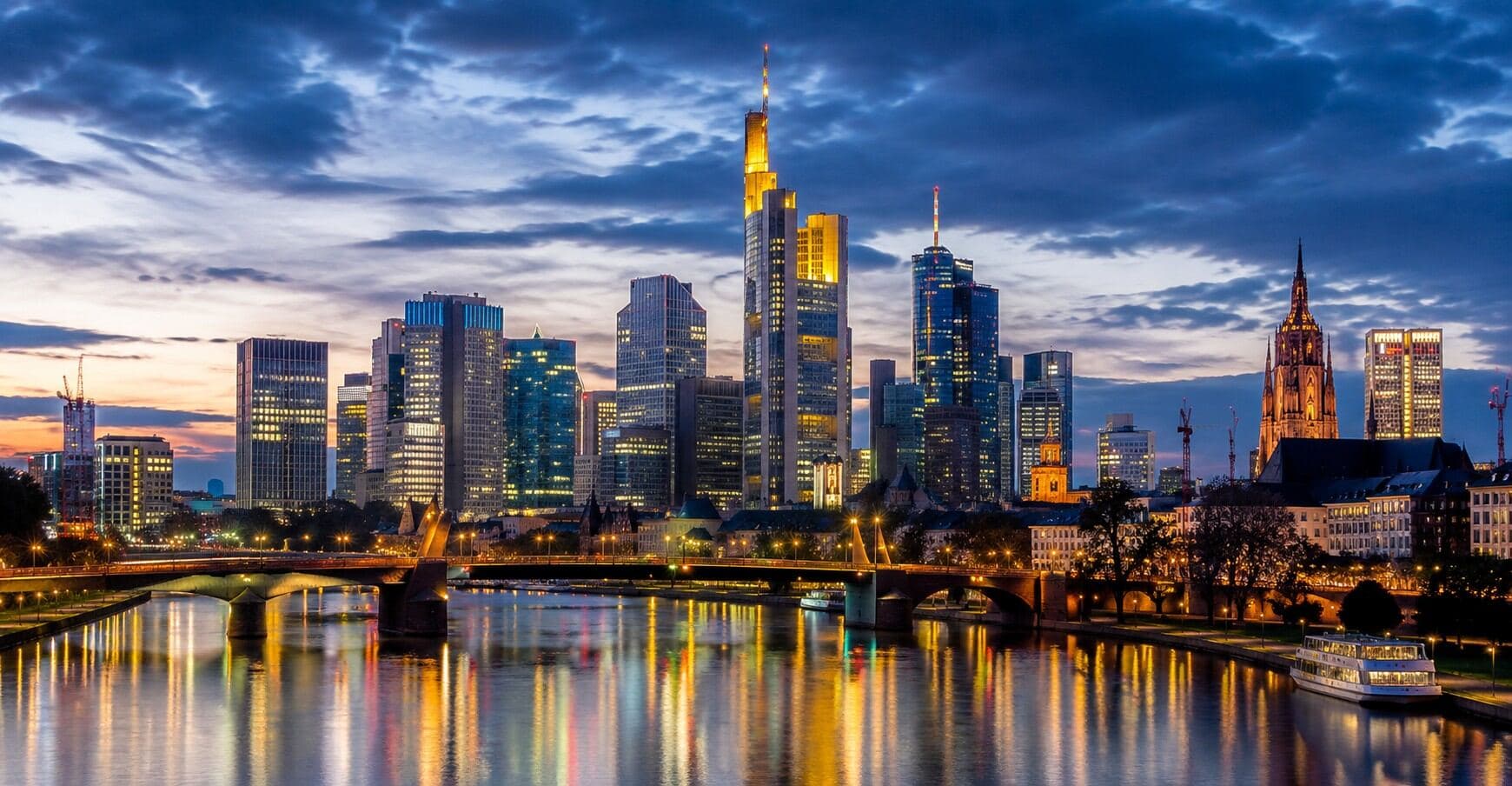
Modern Germany meets football passion.
Explore World →
Another Club World
VfB Stuttgart World
Measured by Our Own Standards
Explore Club →
Related Culture
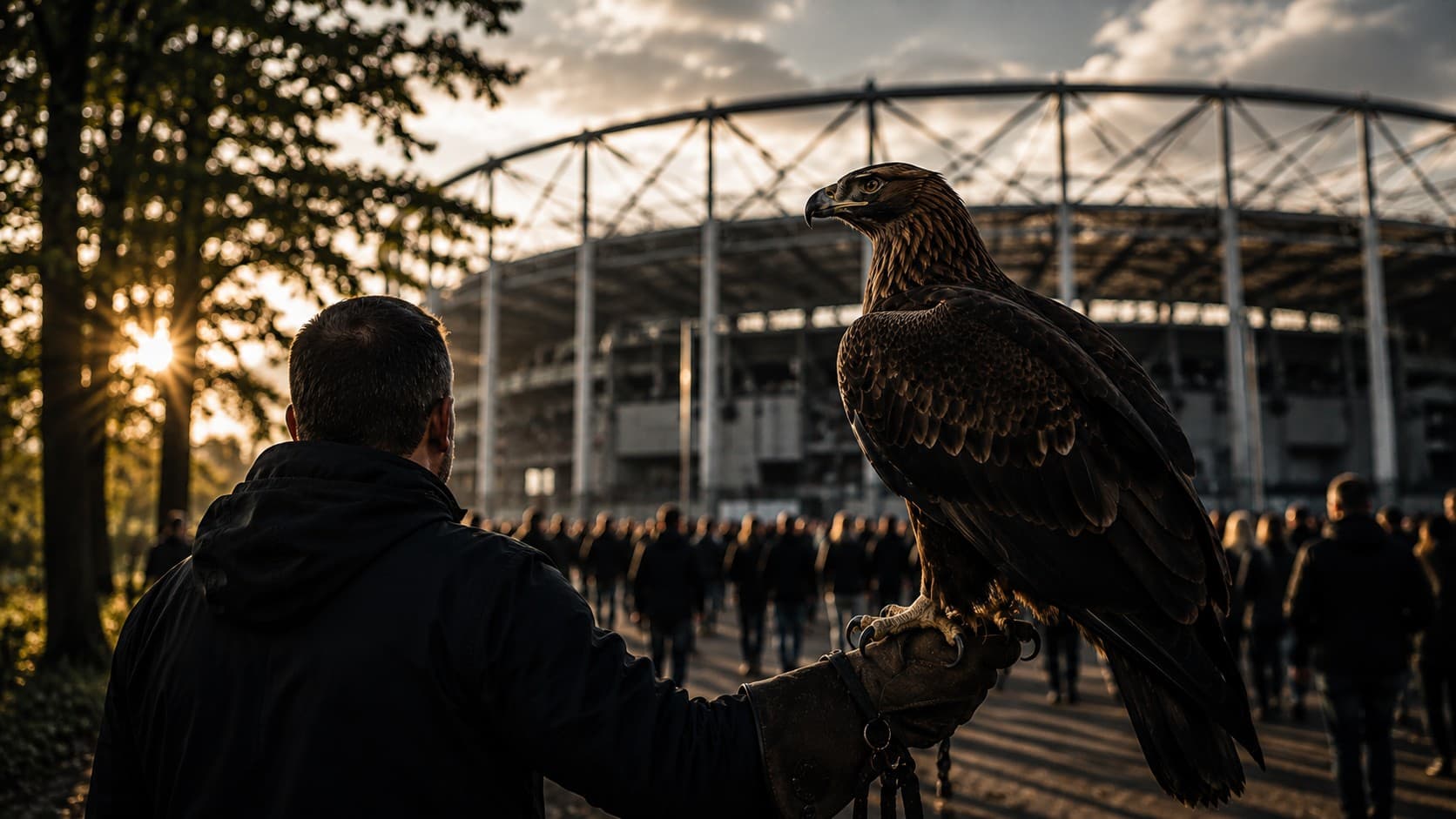
Attila
The eagle had represented Eintracht Frankfurt for generations. Then the symbol came to life.
Read Story →