One Country. Thousands of Football Stories.
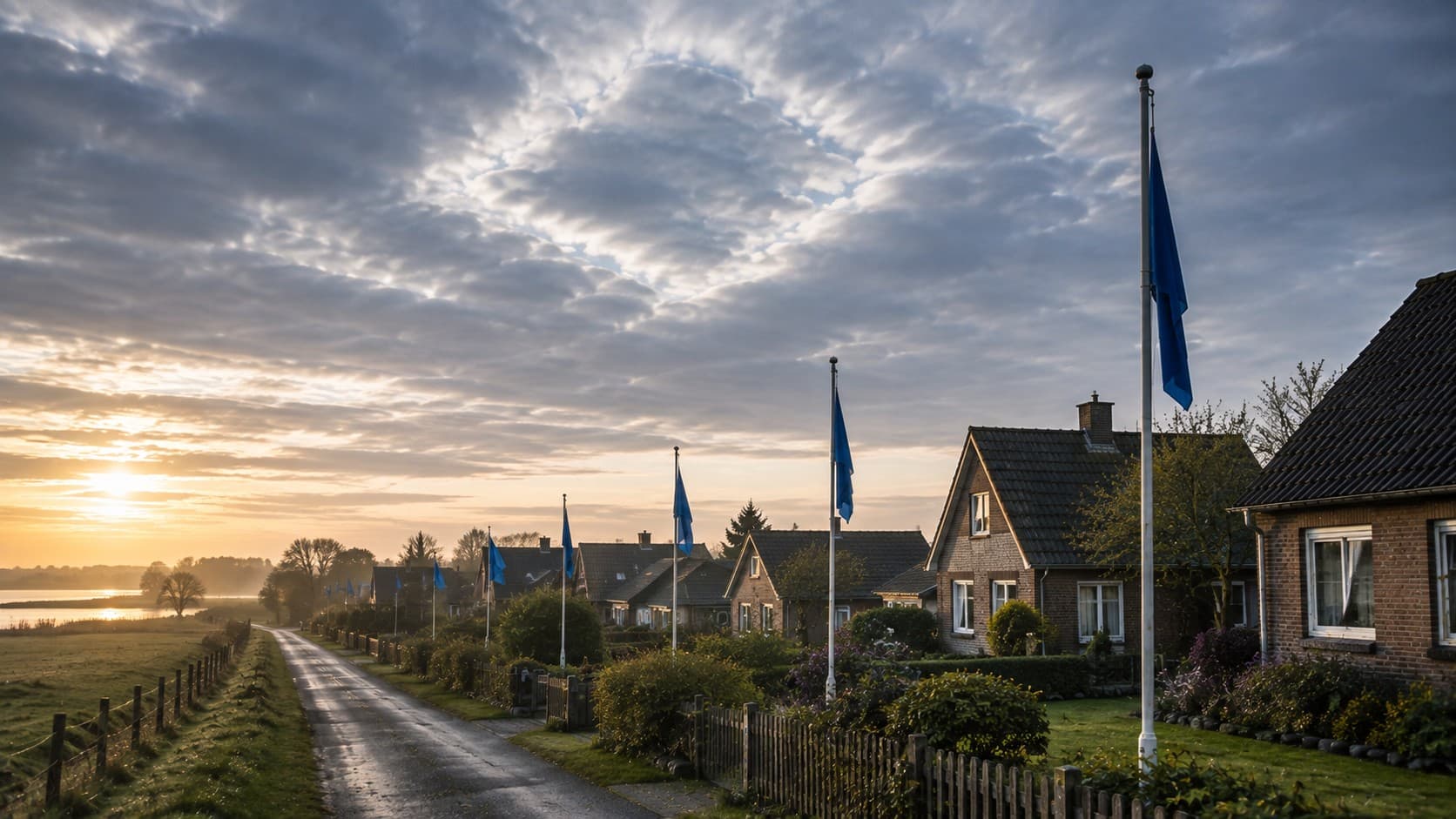
Picture a small football ground on the edge of a German town. A few hundred supporters gather beside the pitch. Someone is grilling Bratwurst behind the clubhouse. Players warm up just metres away, and every shout from the touchline carries across the ground.
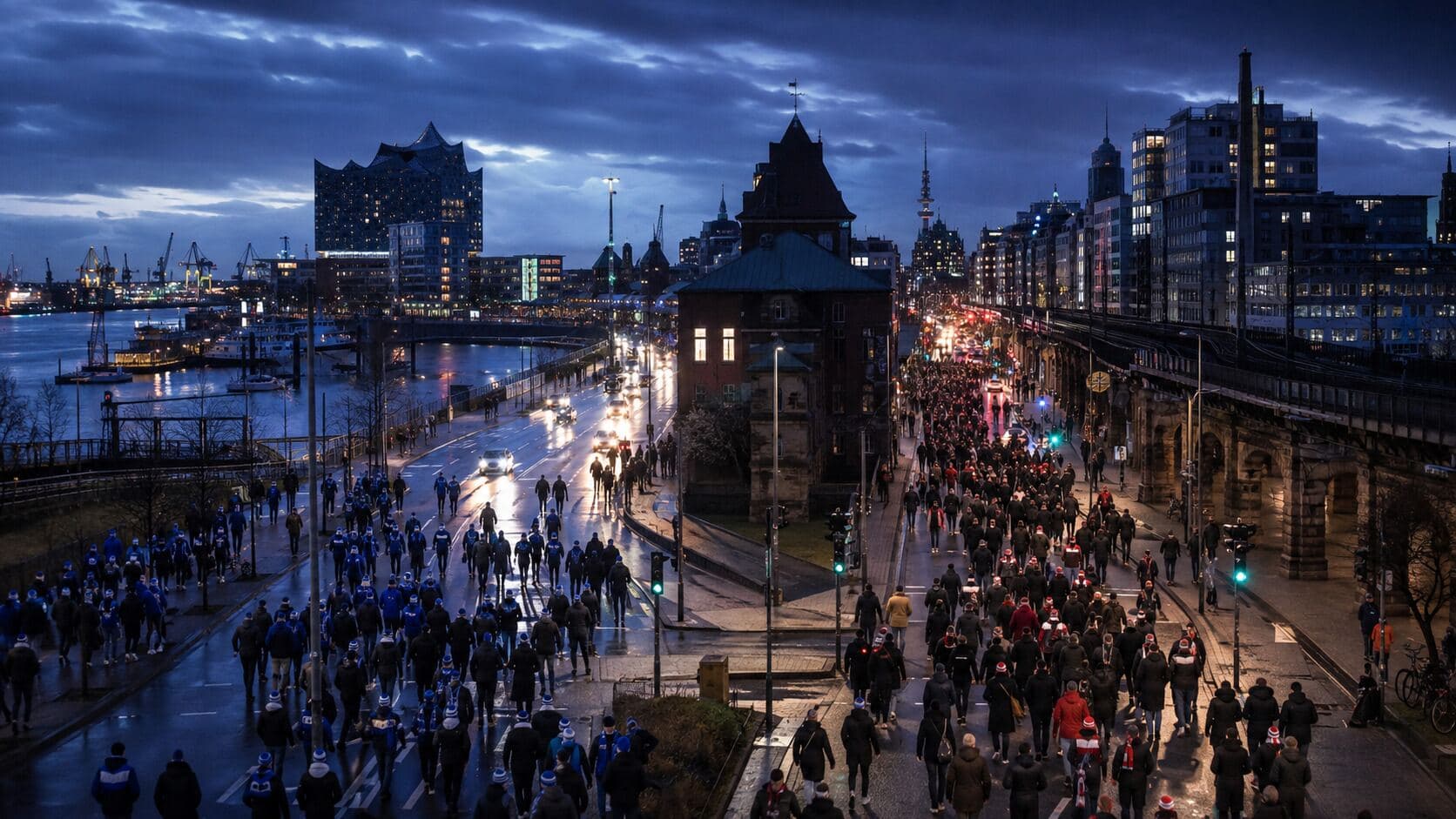
Now picture a packed Bundesliga stadium. Thousands of scarves rise into the air. An entire stand begins to sing. These two scenes may seem worlds apart, but they belong to the same football landscape.
Germany's football league system stretches from internationally famous Bundesliga clubs to thousands of local amateur teams. What connects these different worlds is the principle of promotion and relegation. Clubs can rise through the divisions by succeeding on the pitch, although licensing requirements and competition rules make the journey more complicated than a simple ladder.
Understanding the Football Pyramid
The first three divisions are nationwide. Below them, the system branches into regional competitions.
| Level | League | Structure |
|---|---|---|
| 1 | Bundesliga | 18 clubs |
| 2 | 2. Bundesliga | 18 clubs |
| 3 | 3. Liga | 20 clubs |
| 4 | Regionalliga | Five regional divisions |
| 5 | Oberliga | Multiple regional divisions |
| 6+ | Regional and local leagues | Varies by region |
Level 1: Bundesliga — The Biggest Stage
The Bundesliga is Germany's highest football division, home to internationally recognised clubs, major stadiums and some of Europe's most celebrated supporter cultures.
In the 2024/25 season, Bundesliga matches averaged 38,082 tickets sold per game. But the real attraction is not just the numbers: a matchday in Dortmund feels different from one in Munich, Hamburg or Berlin. Each place brings its own history, identity and rituals.
Level 2: 2. Bundesliga — First-Class Atmosphere
Germany's second division regularly features historic clubs, large stadiums, passionate supporter groups and intense rivalries.
In 2024/25, the 2. Bundesliga averaged 30,493 tickets sold per match — an extraordinary figure for a second-tier competition. In a comparison of major European domestic leagues, that placed it among the four best-attended leagues by average crowd size, roughly level with Italy's Serie A and ahead of Spain's La Liga, France's Ligue 1 and England's Championship.
Attendance reporting methods differ between leagues, so exact cross-country rankings should be treated as approximate. The wider message remains striking: in Germany, the division does not always tell you how big the football experience will be.
For football travellers, a second-division match is not necessarily a compromise. It could be the highlight of an entire trip.
Level 3: 3. Liga — Tradition Meets Ambition
The 3. Liga is Germany's third nationwide division. It connects professional football with the regional competitions below. Traditional clubs can meet ambitious smaller teams, and supporters travel considerable distances to follow their sides.
Some grounds offer large terraces and intense atmospheres; others feel intimate and personal. Promotion offers a route to the 2. Bundesliga, while relegation leads back to regional football.
Level 4: Regionalliga — Football Becomes Local
At the fourth level, German football divides into five competitions: Regionalliga Nord, Nordost, West, Südwest and Bayern.
Local rivalries, shared histories and regional identities become increasingly visible. You might find a former Bundesliga club rebuilding, a neighbourhood team with generations of supporters or an ambitious club trying to reach the national divisions.
Promotion is particularly complex: under the 2026 system, five regional champions compete for four places in the 3. Liga, with the routes determined by promotion and rotation rules. Reform remains a recurring subject of debate.
Level 5 and Below — The Heart of Local Football
Below the Regionalliga, the Oberliga forms the fifth level, followed by regional and local competitions whose names and structures vary across Germany.
Here, football often depends on volunteers, families, local businesses and people who have dedicated years to their clubs. There may be no giant screen or enormous stand — just a modest clubhouse, a small standing area and supporters who know almost everyone around them.
For visitors, the connection between club and community can feel unusually immediate.
Why Germany Is a Groundhopper's Paradise
Groundhopping means discovering different grounds, atmospheres and football communities. Germany offers a remarkable variety across its league system.
You can spend Saturday in a major stadium and, if fixtures allow, visit a smaller regional ground on Sunday. At one, tens of thousands sing in unison; at the other, you may stand close enough to hear players talking.
Neither experience is automatically better. Together, they reveal a much bigger story about German football.
Promotion, Relegation and the Drama Between Divisions
In the Bundesliga and 2. Bundesliga, two clubs move automatically in each direction, while the Bundesliga's 16th-placed side faces the second tier's third-placed club in a two-legged play-off. A comparable play-off connects the second and third divisions. Lower down, regional rules and licensing requirements add complexity.
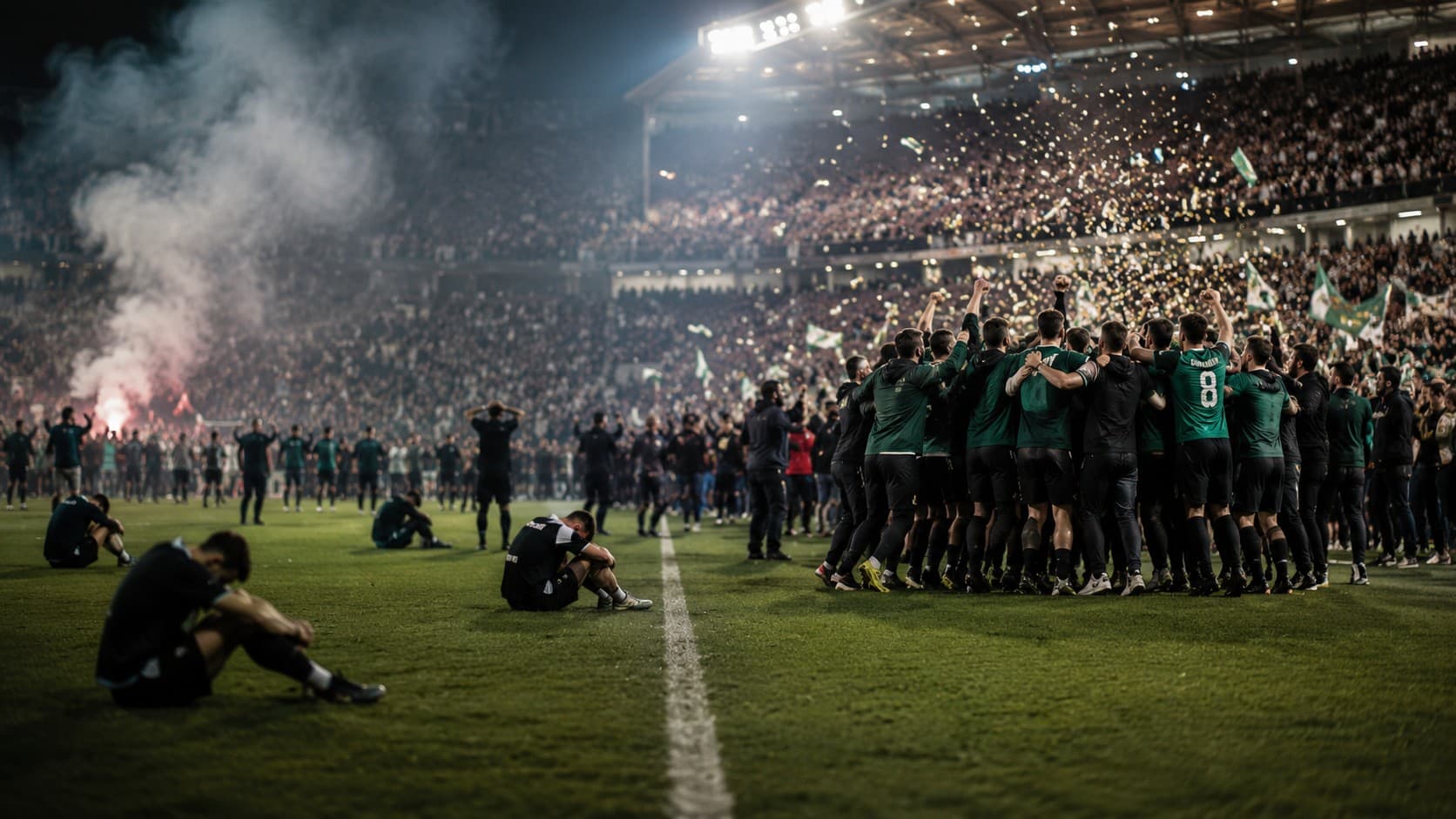
Promotion can transform a town's footballing future. Relegation can mean uncertainty and rebuilding — and sometimes the journey back becomes part of a club's identity.
Explore Promotion & Relegation →Five Tips for Exploring Beyond the Bundesliga
- 1
Look beyond the famous clubs
Some of the most interesting stories belong to clubs rarely seen on international television.
- 2
Explore football regions
The Ruhrgebiet, for example, brings multiple football identities within relatively short distances.
- 3
Confirm fixture times
Kick-off times can change, and lower-league games may be postponed at short notice.
- 4
Check ticketing and facilities
Smaller clubs may offer limited online sales, simpler facilities or different payment options.
- 5
Respect local traditions
Take time to learn about a club's history and the community around it.
From Village Grounds to the Bundesliga
The German football pyramid is more than a hierarchy of leagues. It is a network of communities, rivalries, ambitions and traditions. You don't need to visit the biggest stadium to experience German football culture. Sometimes, you just need to find the right ground.
Every place tells a different story. Discover it.