General Football Culture
Promotion and Relegation
In German football, every season can open the door to another world — or close it.
Germany
I
The Open Door
German football is not a closed competition.
Clubs can rise through the divisions. They can also fall through them. A place in the Bundesliga is never owned permanently.
That principle connects the professional game with the leagues below it. In theory, a small local club can progress through the pyramid and eventually reach the national stage.
The journey may require new facilities, financial stability and years of sporting success. Many clubs never complete it.
But the possibility remains.
II
How the Bundesliga Works
At the end of a Bundesliga season, the clubs finishing seventeenth and eighteenth are relegated automatically to the second division.
The top two clubs in the 2. Bundesliga replace them.
One final place remains undecided. The team finishing sixteenth in the Bundesliga faces the third-placed club from the second division over two matches.
In Germany, these matches are simply called the Relegation.
For one club, they offer a final opportunity to survive. For the other, they represent one final barrier to promotion.
The structure continues further down the pyramid, although the rules and number of promotion places differ between divisions.
III
Falling
Relegation changes more than the opponents on next season's fixture list.
Broadcast income falls. Players leave. Contracts change. Jobs and budgets throughout the club may be affected.
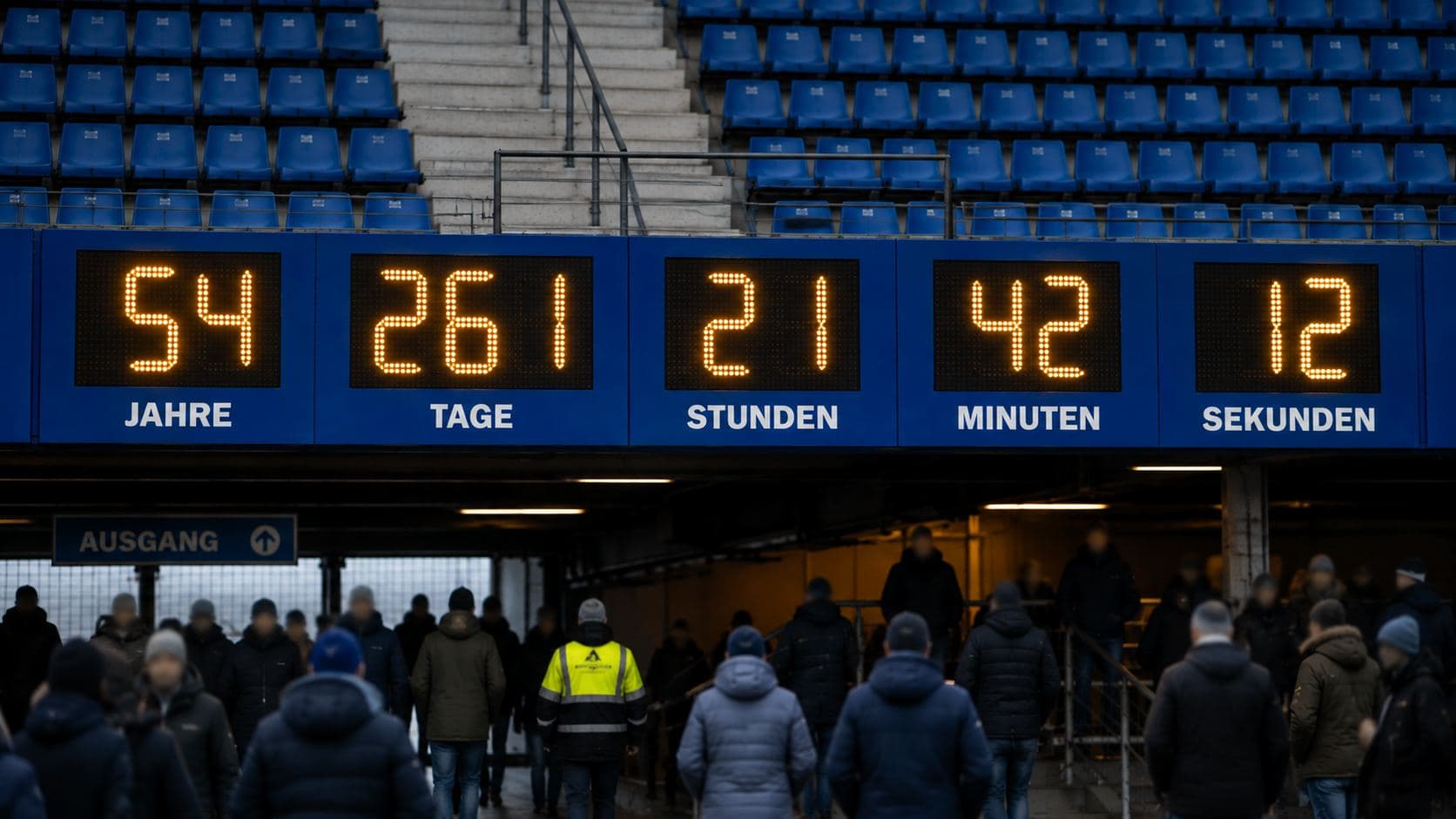
Supporters experience something less measurable. Familiar away trips disappear. Traditional fixtures are replaced by unfamiliar ones. A club accustomed to national attention may suddenly feel further from the centre of the football conversation.
For some clubs, relegation is a temporary interruption. For others, it begins a decline lasting years or decades.
That uncertainty makes the final weeks so painful. Supporters are not only watching their team lose a match. They are watching one version of their football life disappear.
IV
Rising
Promotion produces the opposite transformation.
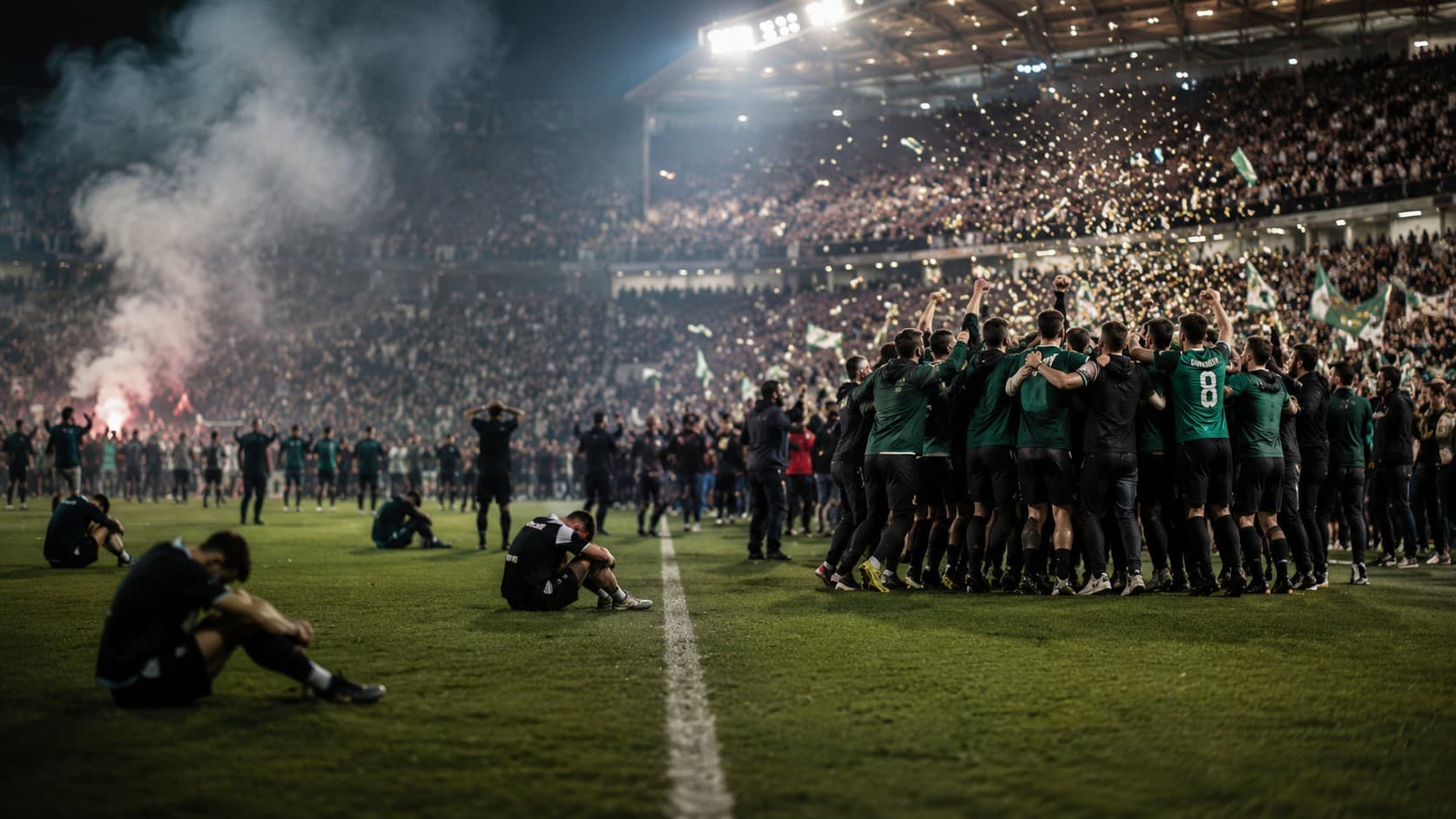
The final whistle can send thousands of people onto streets and public squares. Players disappear beneath supporters. Scarves hang from cars, balconies and statues.
The celebration is not reserved for the biggest clubs. Promotion can give a smaller town its first Bundesliga season or return a traditional club after years of disappointment.
Supporters begin imagining the new fixture list immediately. They think about famous stadiums, larger away sections and opponents previously watched only on television.
Promotion changes expectations as quickly as it changes status. A team celebrated for finishing near the top of one division may begin the next season simply trying to survive.
For one summer, however, the future feels completely open.
V
Two Matches Between Worlds
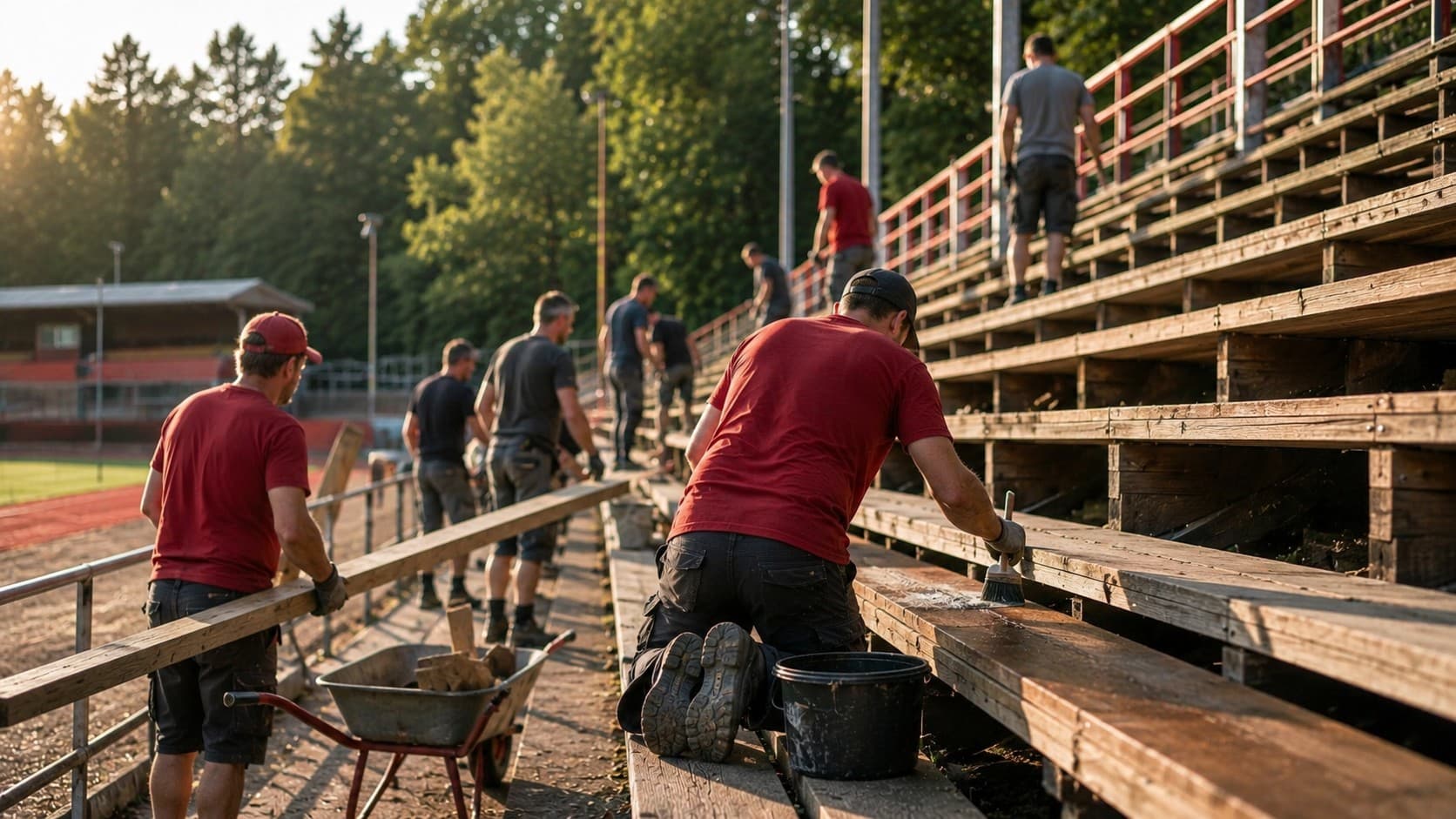
The Relegation concentrates an entire season into two matches.
The Bundesliga club enters with more resources and a squad accustomed to the higher division. It also carries the fear of losing something it already possesses.
The second-division club arrives with momentum and the possibility of completing an extraordinary season. It also knows that finishing third has not been enough.
This imbalance makes the fixture controversial. Critics argue that the higher-division team receives another opportunity after a poor season, while the challenger faces an opponent with greater financial power.
Supporters of the format point to its tension and the direct contest for the final place.
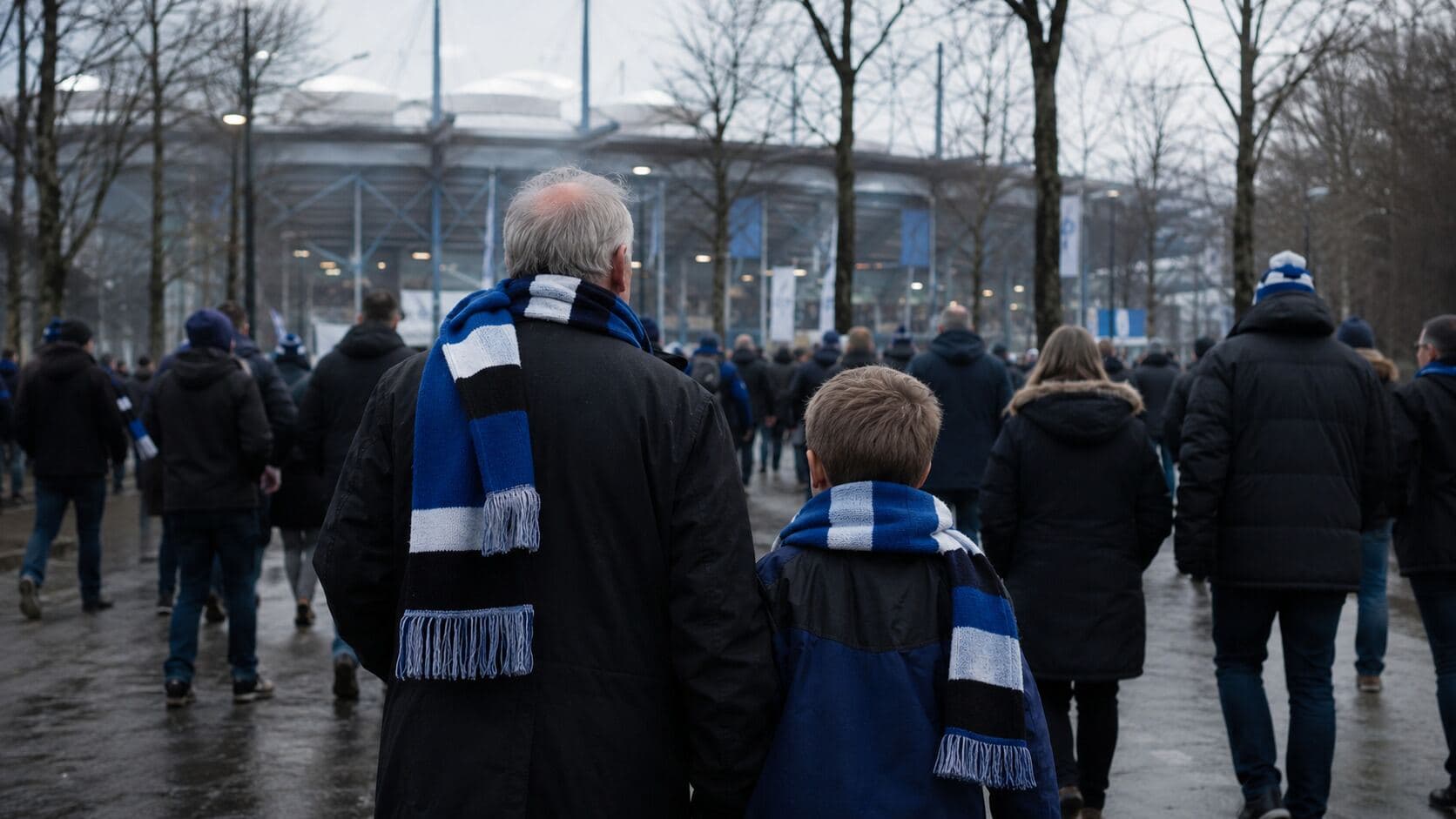
For the people inside the stadium, the debate becomes secondary. Two matches decide which club enters the Bundesliga and which must begin again.
VI
The Story Never Ends
Promotion and relegation prevent league status from becoming permanent.
Famous clubs can fall. Small clubs can rise. Stadiums associated with European trophies can host second-division football, while towns with little previous national attention can suddenly welcome Germany's biggest teams.
This movement gives every part of the table meaning. A match between two teams near the bottom may carry consequences as significant as a match deciding the championship.
It also forces clubs to confront a difficult truth: tradition provides identity, not protection.
No past achievement guarantees a place in the Bundesliga. No current division defines the limits of a club forever.
In an open football system, every ending creates another beginning.
Continue Your Journey
Keep Exploring German Football.
Follow this story into its club, its football world and another chapter of German football culture.
Club World
RB Leipzig World
Going Our Own Way
Explore Club →
City World
Leipzig World
One of Germany's fastest growing football cities.
Explore World →
Another Club World
HSV World
Northern Loyalty
Explore Club →
Related Culture
Going Our Own Way
RB Leipzig did not inherit an established place in German football. It built a new one at extraordinary speed.
Read Story →