General Football Culture
More Than Ninety Minutes
The match is the reason people gather. Everything surrounding it is what makes German football a culture.
Germany
I
The Match
Football can be described very simply.
Two teams. Two goals. One ball. Ninety minutes.
The rules are almost identical whether the match takes place in Hamburg, Berlin, Dortmund or Munich.
Yet visiting those cities does not produce the same experience.
The stadiums are different. The routes towards them are different. The songs, food, colours and expectations belong to different histories.
The match provides the structure. Culture gives it meaning.
II
The Journey
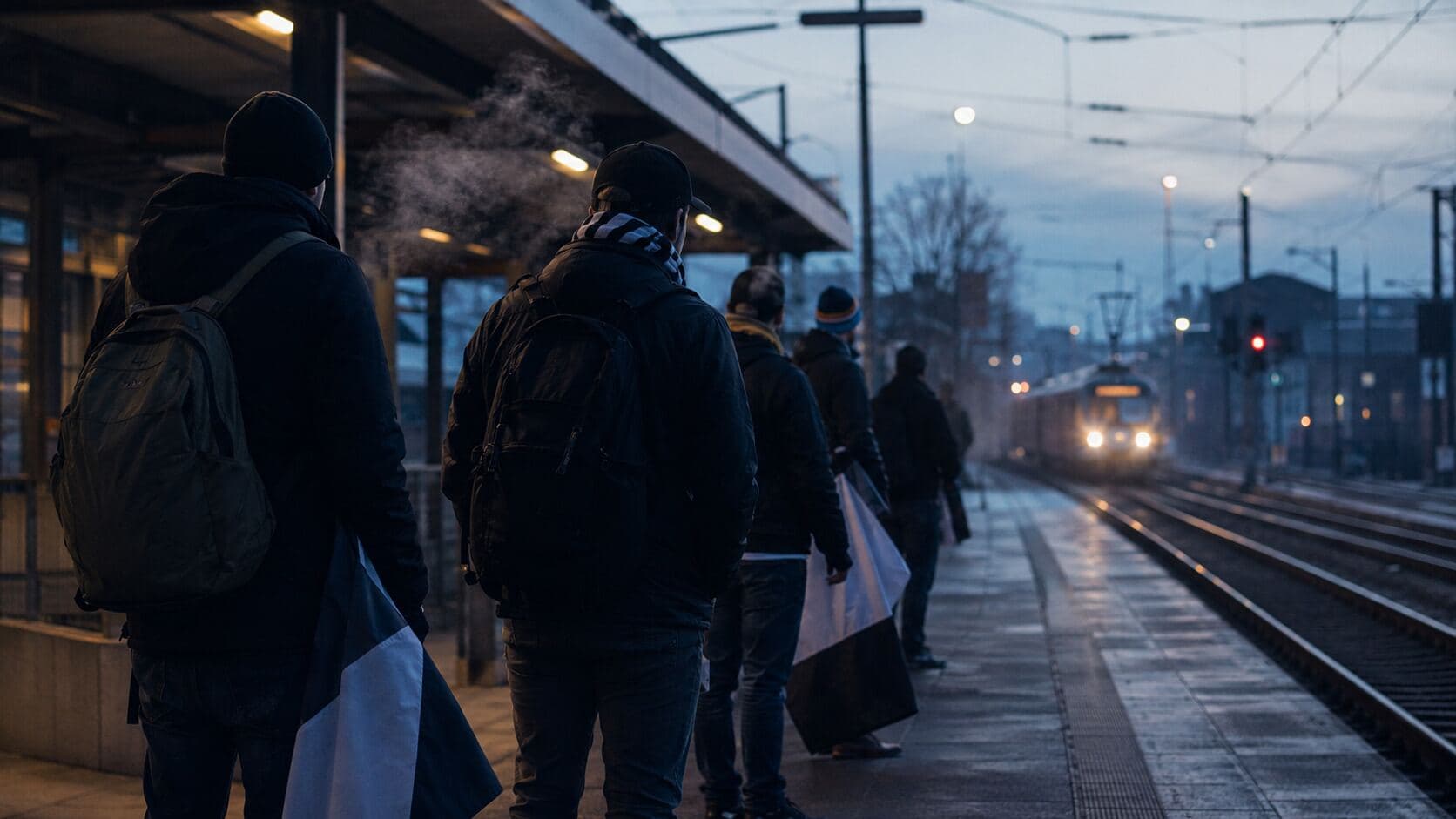
A matchday begins with movement.
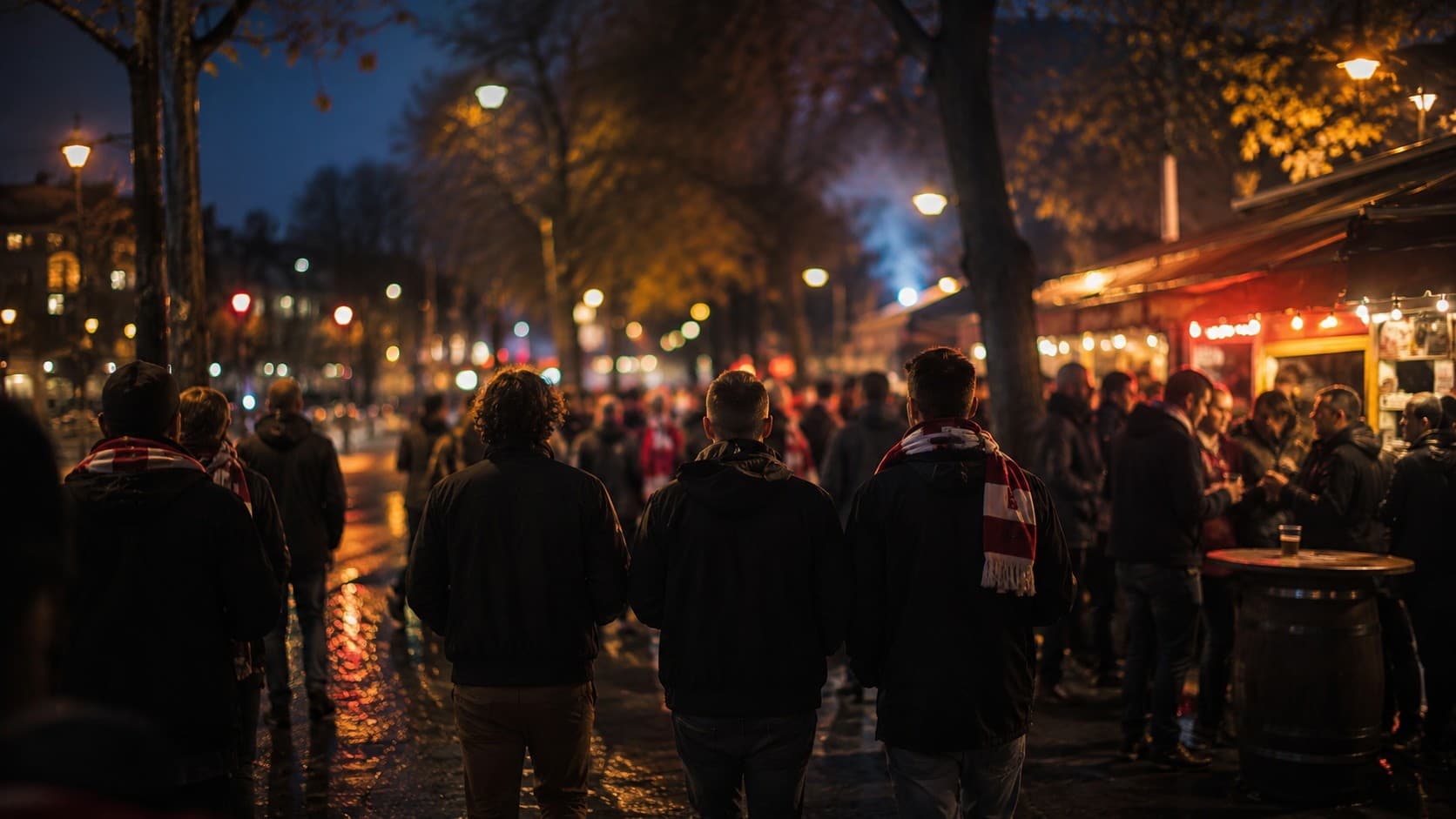
Supporters leave their homes, meet at stations and travel towards one shared location. Trains become increasingly crowded. Scarves appear on streets that looked ordinary a few hours earlier.
For home supporters, the route may have remained unchanged for years. The same station, pub or kiosk marks the transition from everyday life into football.
Away supporters make a different journey. They carry their club into another city, knowing that only one part of the stadium will belong to them.
Visitors experience both worlds from the outside. They learn that the stadium is not isolated from the city surrounding it.
Every route tells you something about the people making it.
III
The People
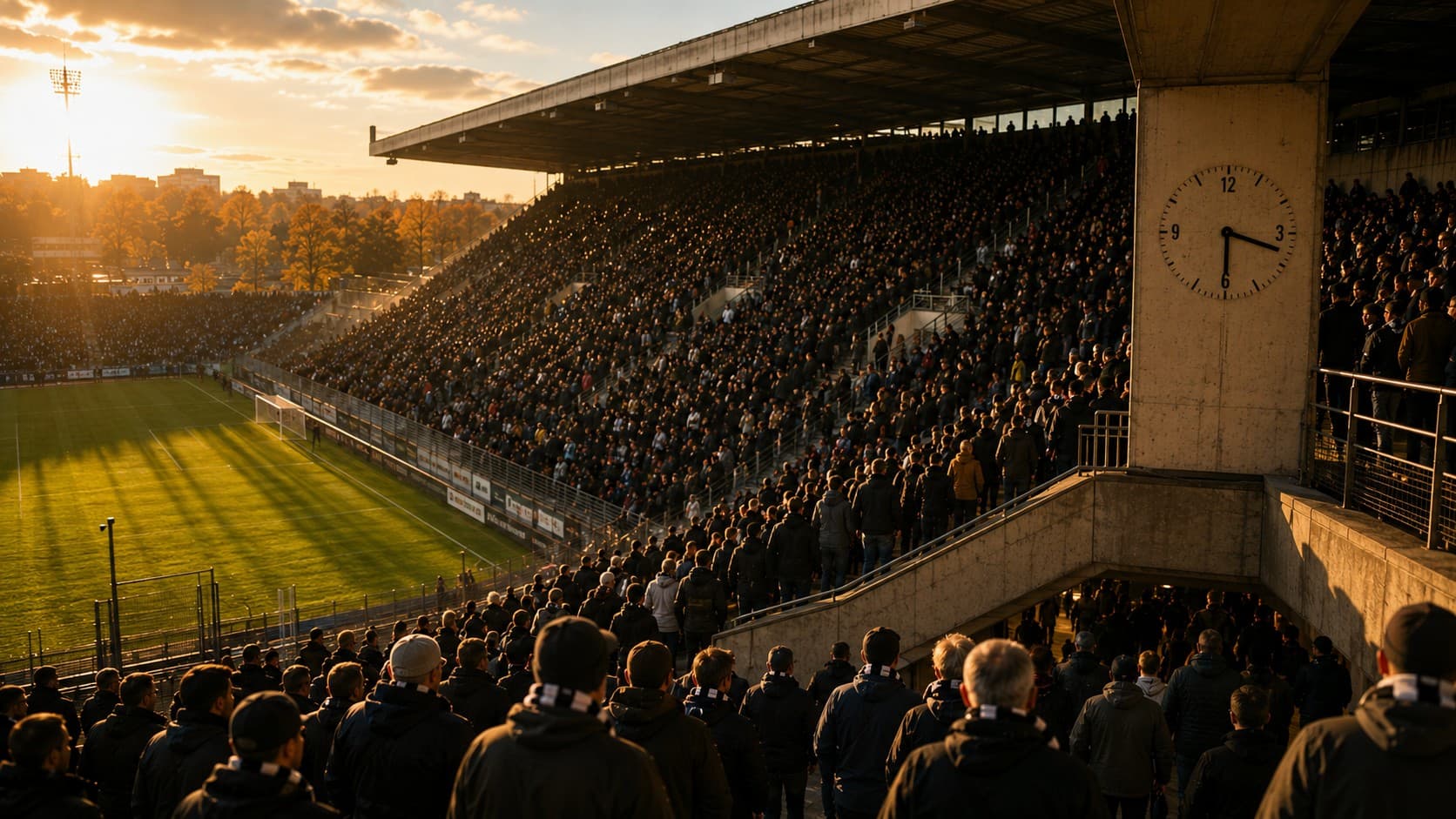
A football club connects people who may otherwise have very little in common.
They come from different neighbourhoods, generations, professions and backgrounds. Some attend every match. Others follow from another country and may visit the stadium only once.
Club identity gives them a temporary common language.
They recognise the colours, understand the songs and remember the same goals. A stranger wearing the right scarf can immediately become part of a conversation.
This community is not automatically harmonious. Supporters argue about players, leadership, politics and the direction of the modern game.
Belonging does not remove disagreement. It establishes what the disagreement is about.
IV
The Place
German clubs are shaped by geography.
A harbour city understands itself differently from a mining community. A neighbourhood club tells another story than a national powerhouse. A stadium surrounded by forest produces a different matchday from one beside an exhibition centre or city railway station.
These differences appear in club symbols, nicknames, songs and rivalries. They explain why moving a football identity from one place to another would change more than its address.
The club also changes the place around it. On matchday, local businesses fill, public transport adapts and entire streets take on the colours of the team.
City and club continually describe each other.
V
The Rituals
Football culture survives through repetition.
The scarf rises during the same song. The sausage comes from the same stand. Friends meet at the same corner and enter through the same gate.
None of these actions decides the result. That is why they matter.
A victory cannot be repeated on demand. Rituals can.
They provide continuity when players leave, managers are dismissed and clubs move between divisions. They allow supporters to recognise the matchday even when the team itself has changed completely.
Over time, small habits become traditions. Traditions become stories. Stories are passed to the next person standing in the same place.
VI
The Return
At the final whistle, the match ends immediately.
Matchday does not.
Supporters remain in the stands, begin the journey home and replay the afternoon through conversation. A missed chance grows more important with every retelling. A goal becomes attached to the people who stood beside them.
Days later, the result enters the table. Years later, the details may disappear completely.
What remains is often something around the match: the first view of the stadium, the sound before kick-off, the delayed train home or the person who made the journey with you.
That is why football cannot be understood through results alone. The game creates a reason to gather. The gathering creates a culture.
German football is more than a game. It is a way of experiencing people, places and belonging.
Continue Your Journey
Keep Exploring German Football.
Follow this story into its club, its football world and another chapter of German football culture.
Club World
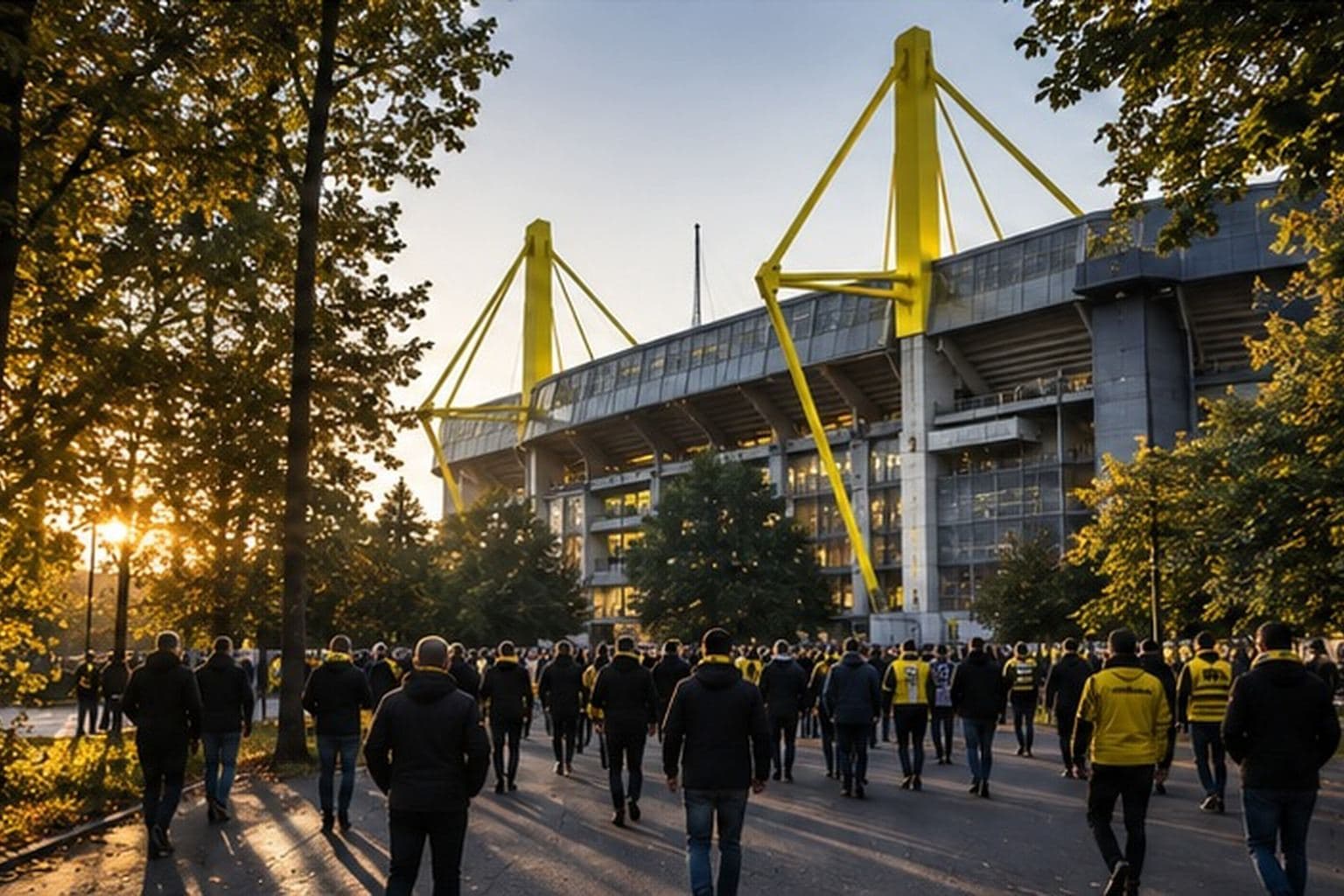
Borussia Dortmund World
Powered by Dedication
Explore Club →
Region World
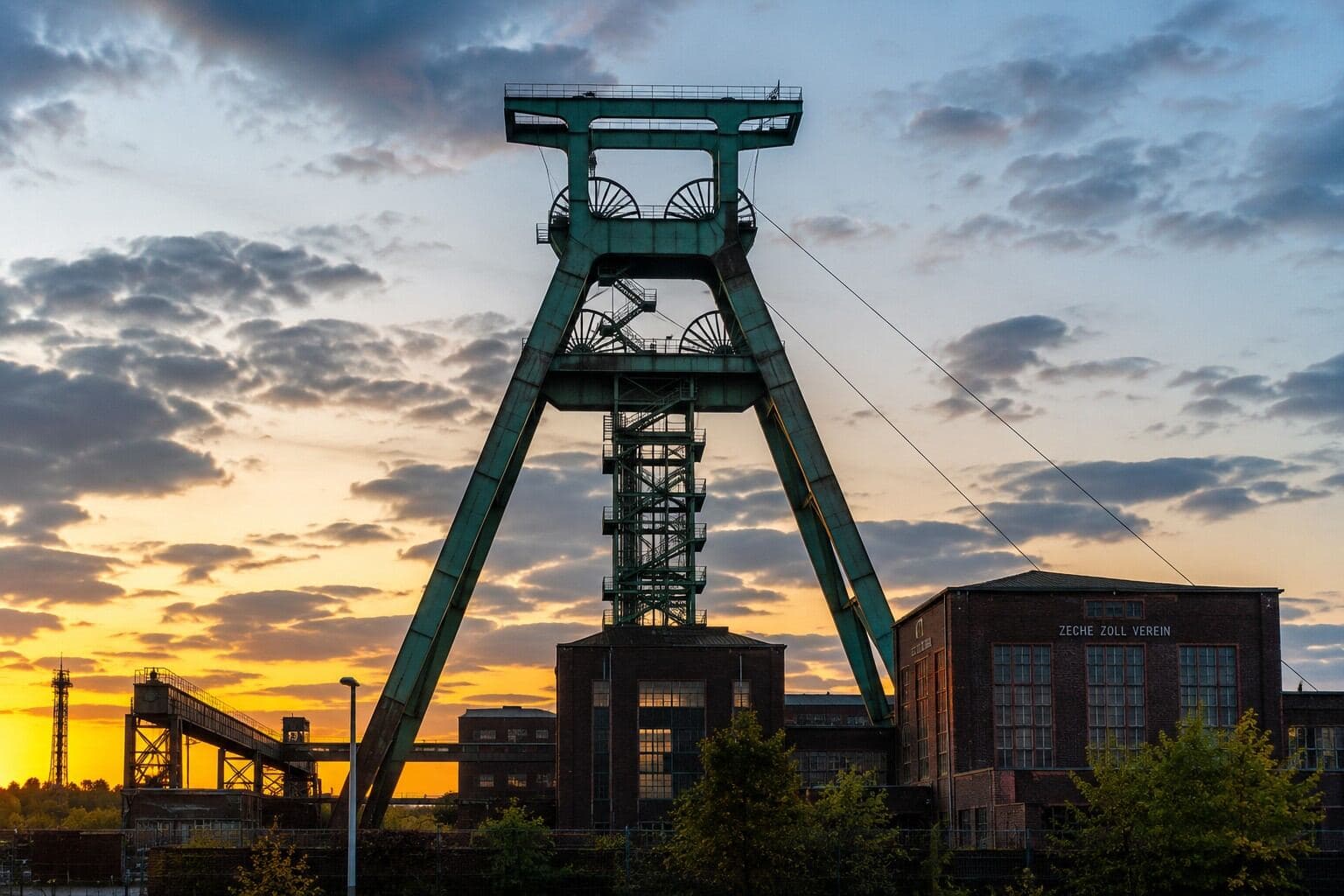
Ruhrgebiet World
The highest density of football culture in Germany.
Explore World →
Another Club World
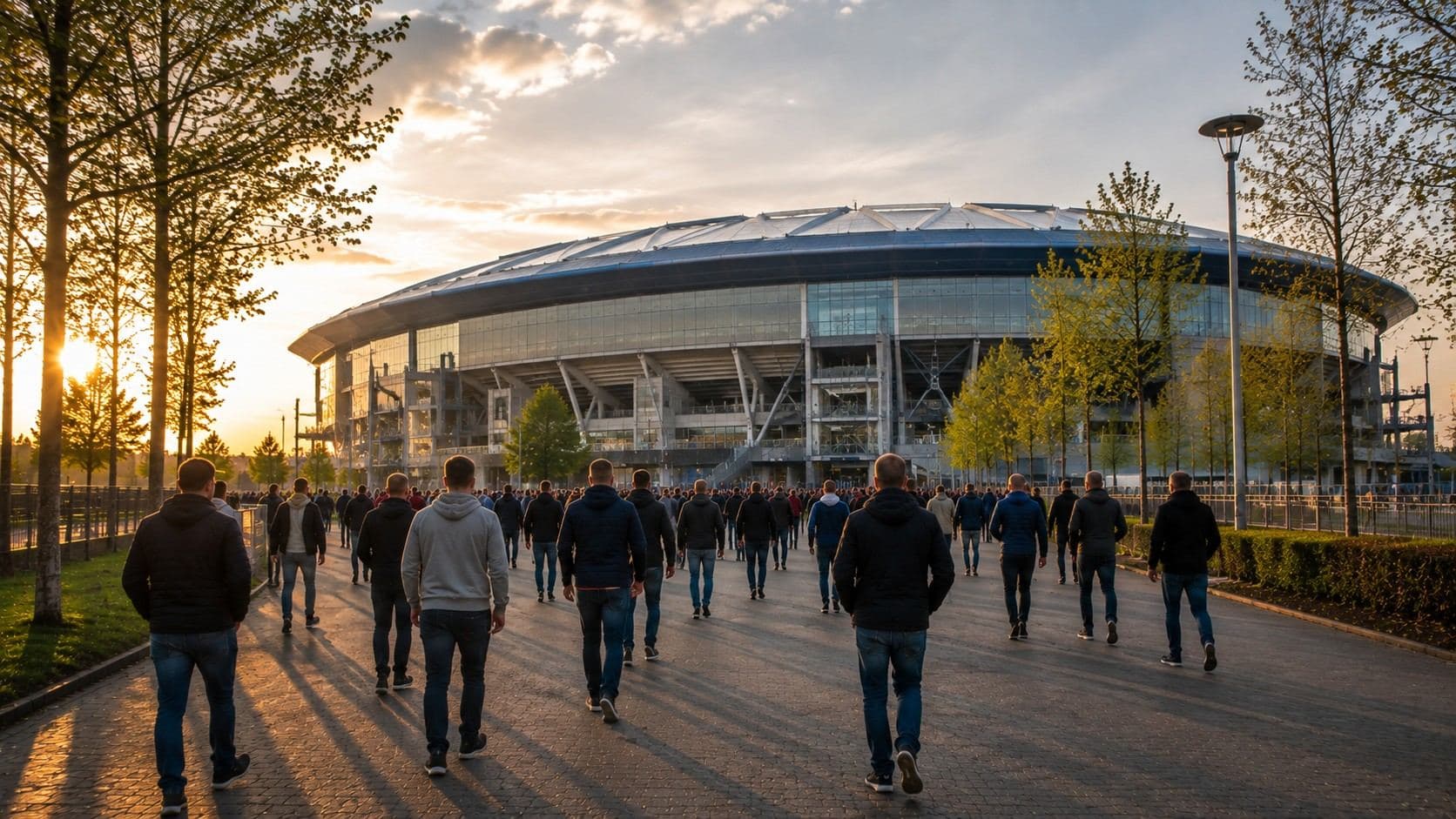
Schalke World
Always Blue
Explore Club →
Related Culture
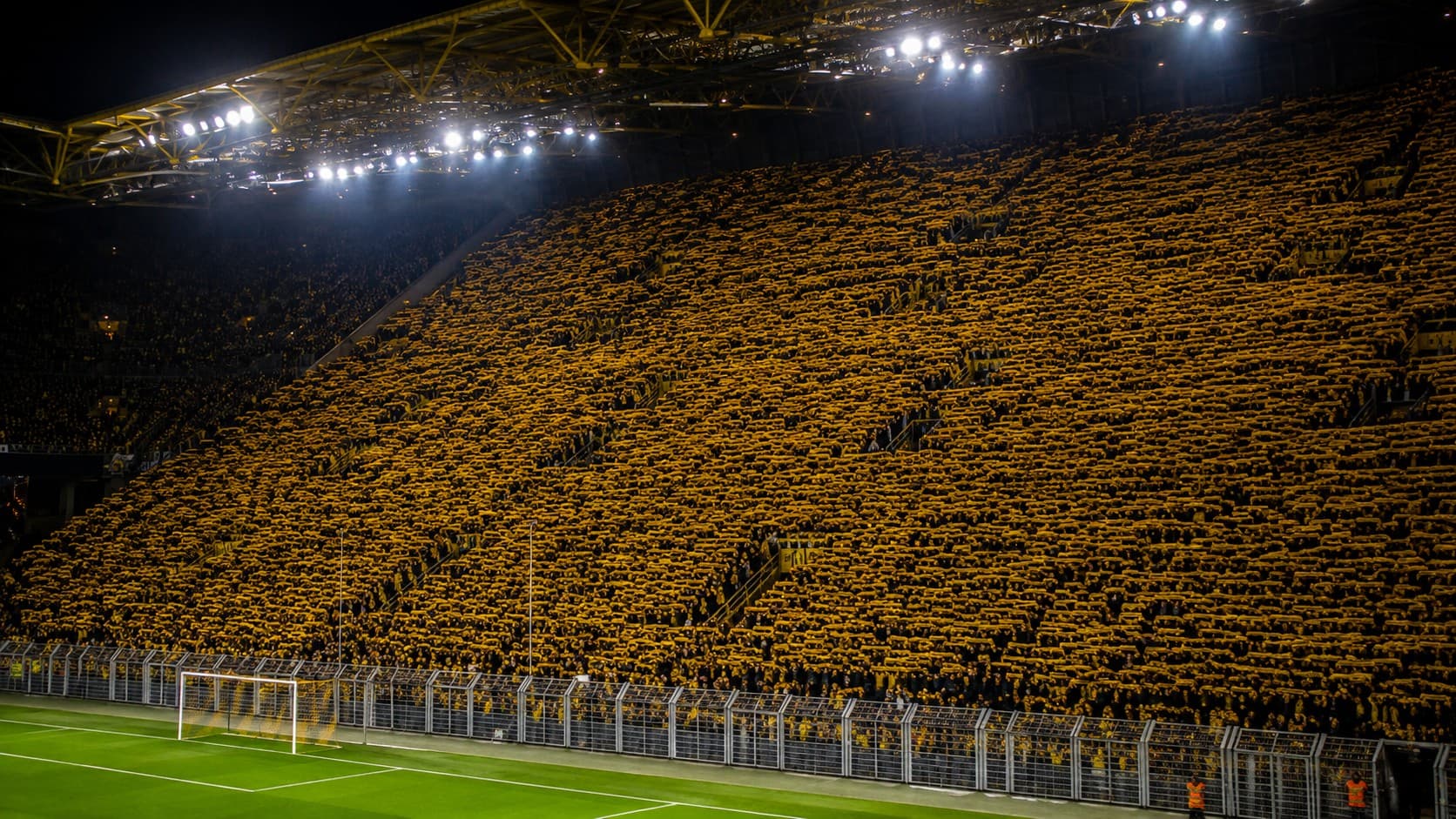
The Yellow Wall
Thousands of supporters, one enormous terrace and one of the defining images of German football culture.
Read Story →