
General Football Culture
Ultras: The Voice Behind the Goal
The organised groups creating the songs, displays, protests and conflicts at the heart of German terrace culture.
Germany
I
The Centre of the Curve
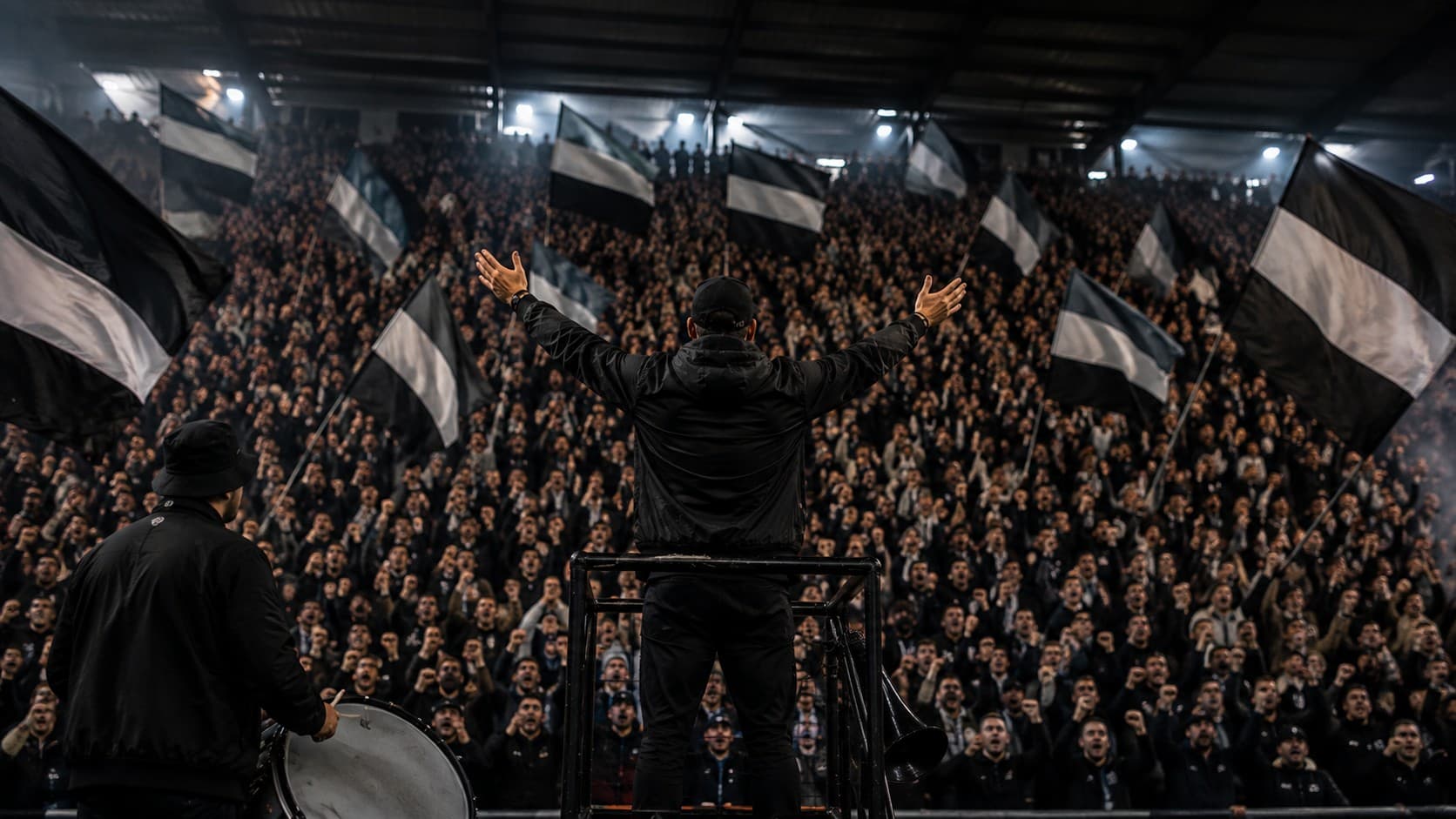
Look towards the most active part of a German standing terrace and one person may be facing away from the match.
Standing on a platform with a megaphone, the capo watches the supporters rather than the players. Arms move to establish a rhythm. A drum begins. Hundreds or thousands of voices respond.
Around the capo stand the groups responsible for many of the flags, banners and songs defining the stadium.
These are the Ultras.
They are not the entire crowd, and not every supporter agrees with them. Yet their position behind the goal gives them enormous influence over how a German matchday sounds and looks.
II
Support Without Pause
Ultra culture developed in Germany under the influence of supporter movements from southern Europe.
Its central idea is continuous, organised support. Songs should not appear only after a goal or when the team is playing well. The terrace should remain active throughout the match.
That approach differs from a crowd reacting spontaneously to individual moments. Ultras prepare songs, coordinate movements and attempt to maintain intensity even when little is happening on the pitch.
Critics sometimes argue that this can make the support feel detached from the match. A song may continue while the game moves through a decisive moment.
Ultras answer that their responsibility is larger than reacting to one attack. They are there to carry the team across the entire ninety minutes.
III
Work Nobody Sees
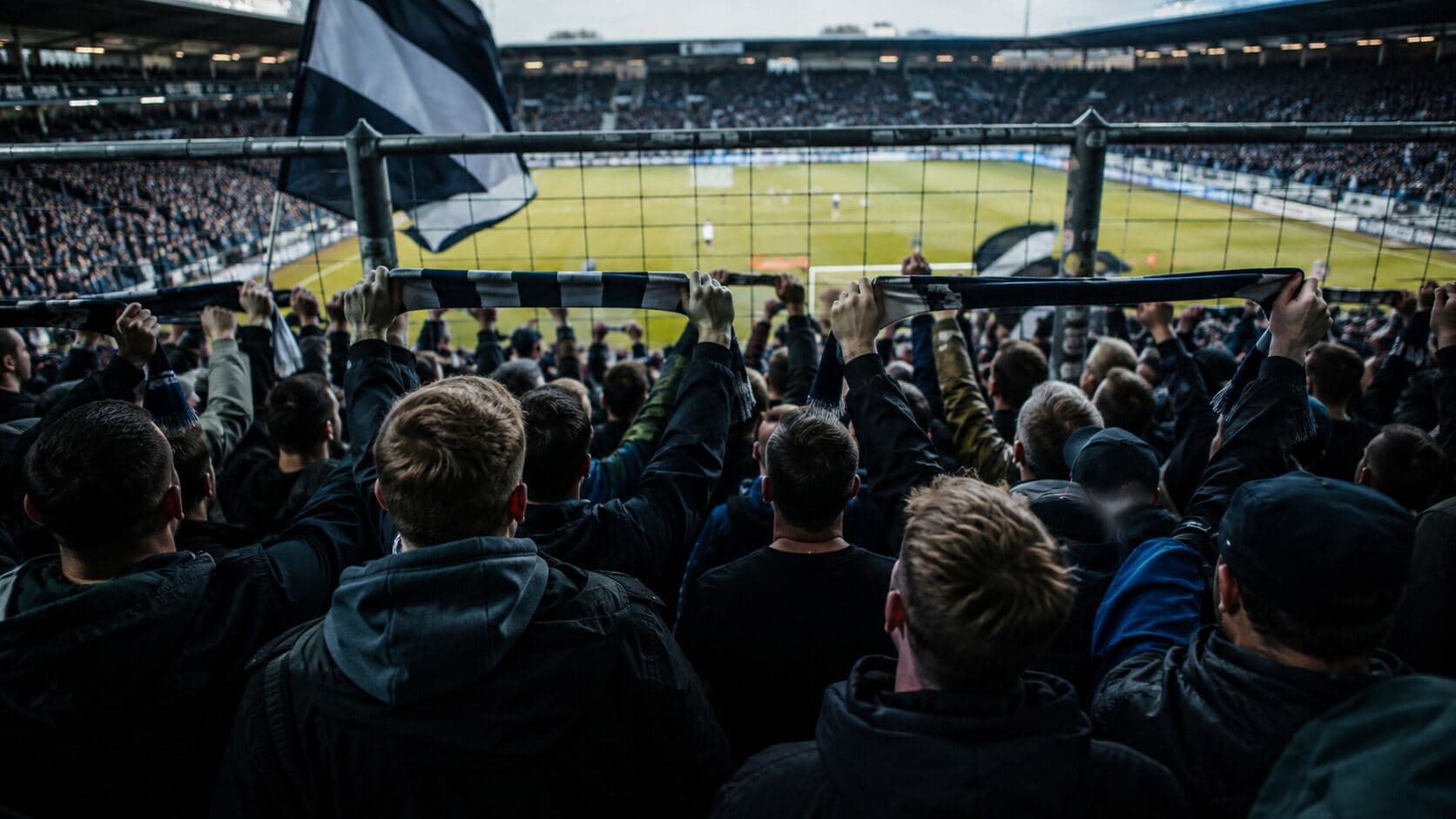
The most spectacular choreographies may last only a few minutes. Preparing them can take weeks.
Designs are developed, materials purchased and enormous banners painted by hand. Thousands of pieces of card or foil must be placed in the correct seats before supporters arrive.
Much of this work is financed independently through donations, group merchandise and collections inside the fan scene.
If everything succeeds, separate sections of the stadium combine to create one image. The people holding the individual pieces may not know what they are producing until they see photographs afterwards.
Songs require similar preparation. Melodies are adapted, words are written and rhythms are tested. New chants succeed only when the wider terrace accepts them.
IV
A Political Voice
Ultras do more than support the team.
Their banners turn the terrace into one of the few places where supporters can deliver an unedited message to club officials, football authorities and television audiences.
They protest against unpopular kick-off times, rising ticket prices, outside investors, collective punishments and decisions they believe weaken supporter participation.
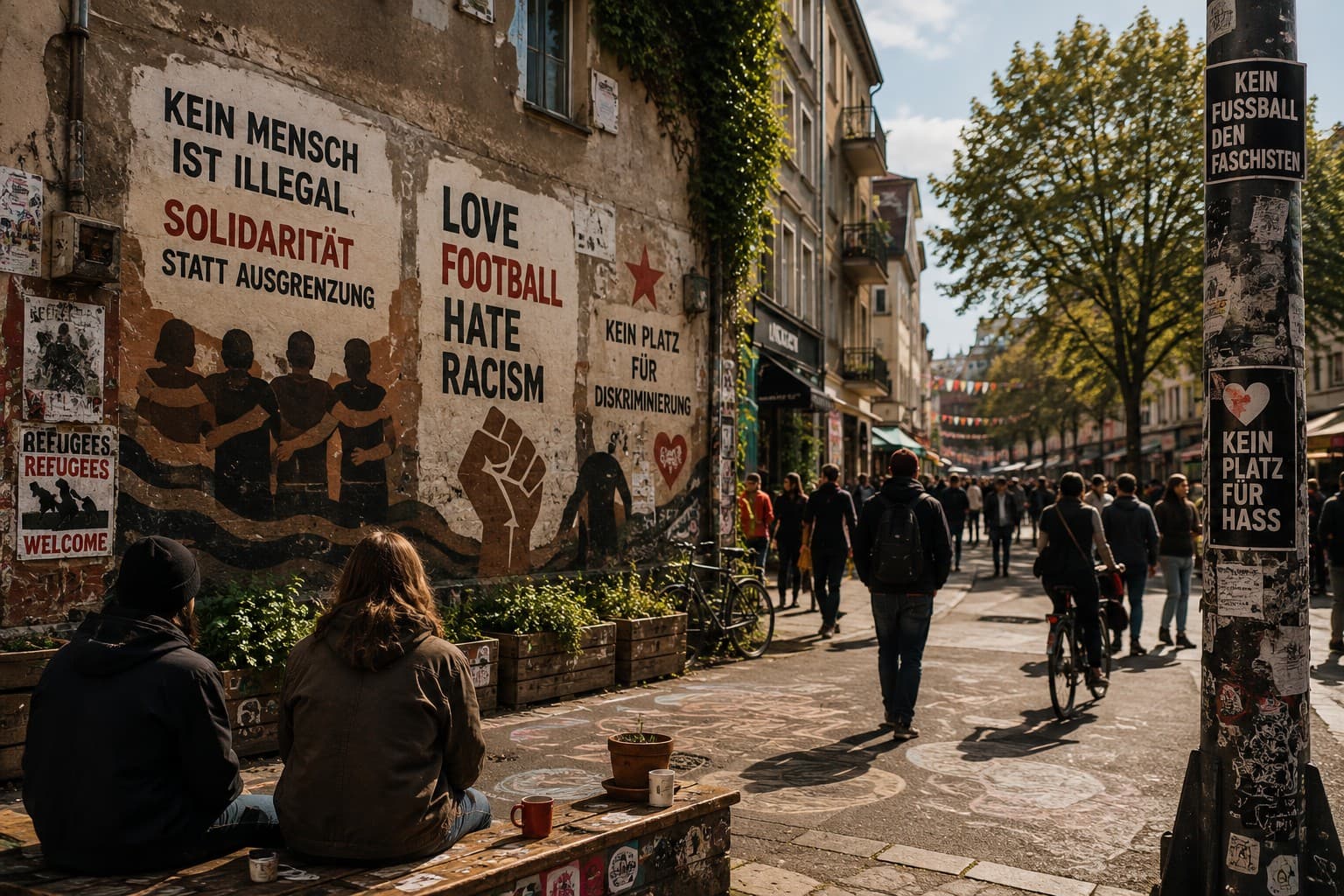
Some groups also organise campaigns against racism, antisemitism, sexism and homophobia. Others support local charities, preserve club history or assist supporters facing financial and personal difficulties.
Ultra scenes are not politically identical. Their values differ between clubs and sometimes between groups occupying the same terrace.
What they share is the belief that supporters should not remain silent when decisions affect their club or their community.
V
The Lines of Conflict
The influence of Ultras also produces conflict.
Pyrotechnics remain the most visible dispute. Supporters may see flares as part of an intense visual culture. Clubs, police and authorities emphasise that their use inside stadiums is prohibited and can cause injuries, interruptions and financial penalties.
Violence, intimidation and damage associated with parts of some scenes cannot be dismissed as media invention. Nor can every member of an Ultra group be made responsible for every incident involving football supporters.
Ultras can also exercise considerable power within a terrace. Supporters who disagree with their methods may feel that one organised group claims to speak for an entire fan base.
The relationship with clubs is therefore permanently unstable. Cooperation over choreography, travel and fan initiatives can exist alongside protests, sanctions and deep distrust.
VI
Ultras Are Not Hooligans
The words Ultra and hooligan are often used as if they describe the same thing. They do not.
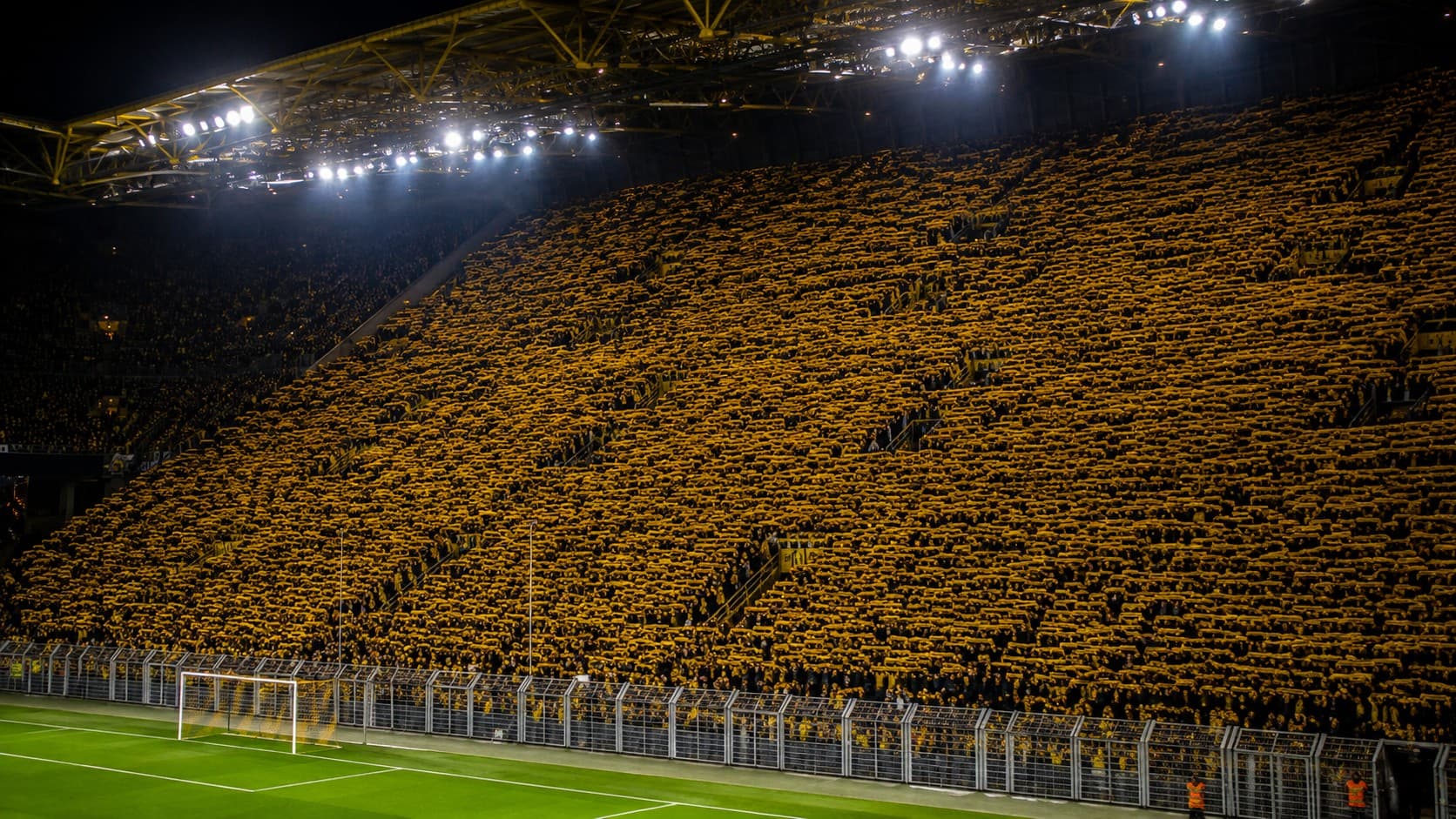
Hooligan culture is primarily associated with organised confrontation and violence. Ultra culture is centred on coordinated support, visual displays, group identity and influence over club and fan politics.
The two environments can overlap, and Ultra groups are not automatically peaceful or progressive. But treating every active supporter as a hooligan prevents a serious understanding of the culture.
Without Ultras, German stadiums would still contain loyal supporters. They would still celebrate goals and sing familiar songs.
They would not, however, look or sound the same.
Many of the enormous displays admired around the world, the continuous singing behind the goals and the most visible resistance to changes in modern football originate within these organised groups.
To understand German football culture, you have to look behind the goal — and recognise both the creativity and the contradictions.
Continue Your Journey
Keep Exploring German Football.
Follow this story into its club, its football world and another chapter of German football culture.
Club World
FC Bayern World
A Winning Mentality Is Expected
Explore Club →
City World
Munich World
Germany's most famous football destination.
Explore World →
Another Club World
RB Leipzig World
Going Our Own Way
Explore Club →
Related Culture
A Winning Mentality
Success is not simply celebrated in Munich. It has become part of the expectation.
Read Story →